Autocar India
•6w

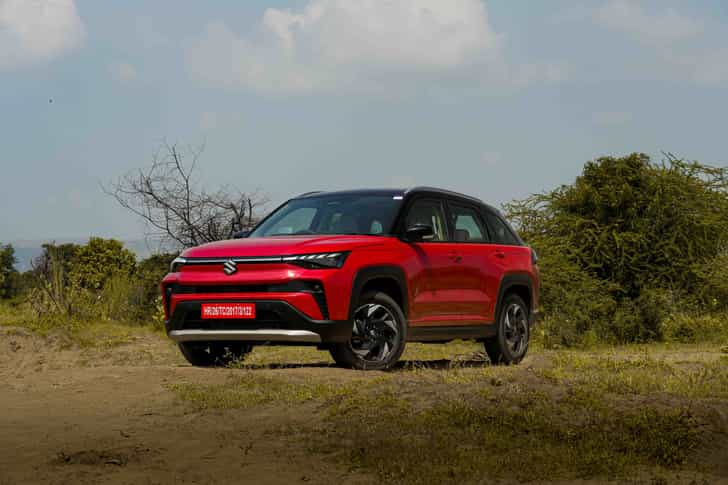
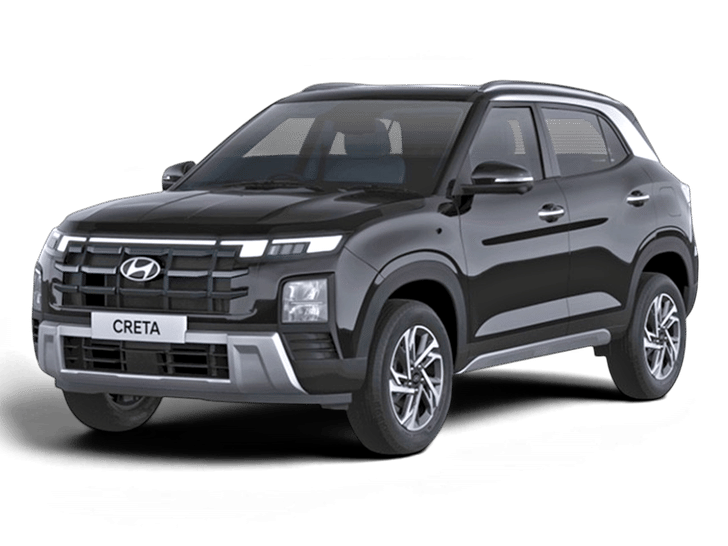
I’m confused between two cars: the Hyundai Creta S(O) Automatic, which costs around Rs 16 lakh on-road, and the Maruti Suzuki Victoris ZXi Strong Hybrid, which costs around Rs 18.6 lakh on-road. Both have very different powertrains, and I don’t want to regret my decision after buying. My usage is around 1,200–1,300km per month, mostly in the city, and I plan to keep the car for 10–12 years. Considering long-term reliability, maintenance costs, fuel economy, powertrain longevity, resale value and overall ownership experience, which car and powertrain would you recommend? I’m particularly concerned about whether the Victoris Strong Hybrid is worth paying an additional Rs 2.6 lakh for over the Creta, given my usage. I want to make the right decision and buy a car that I can keep for the long term without regretting my choice.

Verified
•6w

Go for the Maruti Suzuki Victoris ZXi Strong Hybrid. With your usage of 1,200–1,300 km a month, mostly in the city, the hybrid system will deliver a significant fuel economy advantage, especially in stop-start traffic where the electric motor does most of the work. Over a 10–12 year ownership period, that efficiency will more than justify the initial price premium over the Creta.

The Victoris hybrid powertrain is a proven Toyota system with a strong track record for reliability and longevity, and Maruti’s service network is extensive and affordable. 
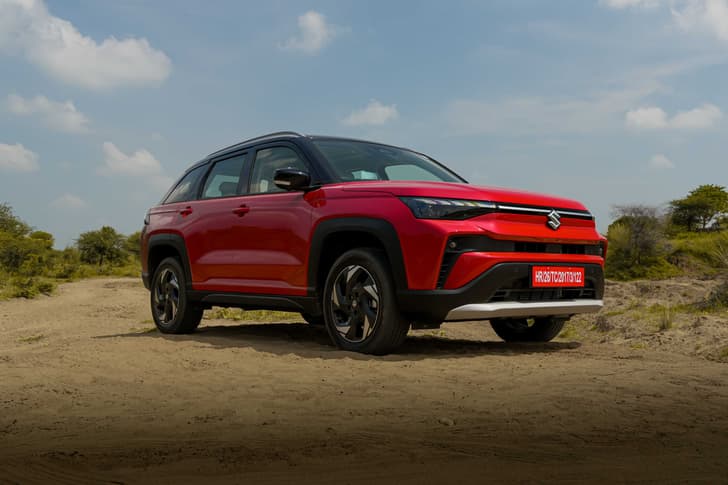
Maruti Suzuki Victoris

Maruti Suzuki Victoris

More posts on similar cars

•1d

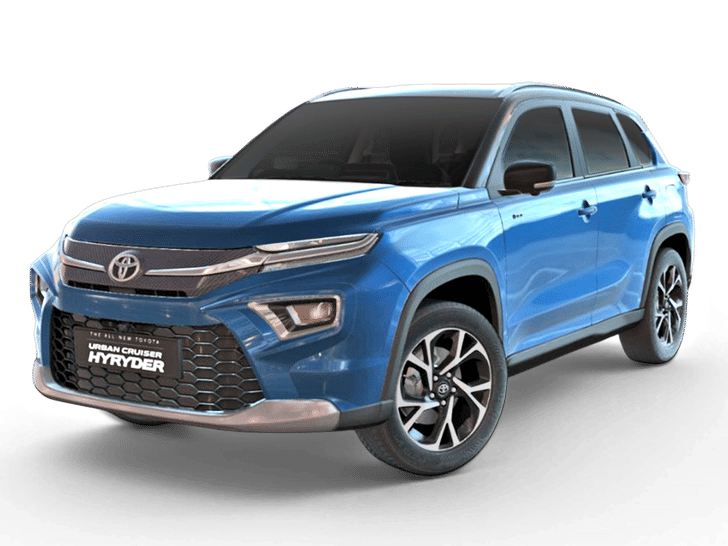
I’m from Visakhapatnam and am planning to buy a new SUV. I have been using a Honda Amaze diesel since 2013. Before that, I owned a Maruti 800 for 10 years. I am 63 years old and retired, and my annual running will be around 9,000-10,000 km. My driving will mostly involve a mix of city and highway use, and I intend to keep the car for 10-12 years. Mileage is one of my biggest priorities, followed by looks, driving enjoyment and long-term ownership costs. My budget is around Rs 16-17 lakh, and I want an automatic transmission. I also have a home charging facility. Should I consider the Kia Syros EV? My main concern is its boxy styling, which I don't particularly like. I also don't want a panoramic sunroof. Could you suggest which variant would suit my requirements from the following options: Kia Syros EV, Hyundai Bayon, Maruti Suzuki Victoris, Grand Vitara, Fronx facelift, Volkswagen Taigun, Honda Elevate and Toyota Urban Cruiser Hyryder?

Verified
•20h

If you can get past the styling of the Kia Syros EV, it is a compelling option for your requirements. It is smooth and powerful; the regenerative braking is beautifully calibrated, and the real-world range is good. Despite being under four metres long, it is surprisingly spacious and has a large boot, making it practical for family use. With home charging available and your intention to keep the car for 10 to 12 years, it is worth serious consideration. Just make sure you are comfortable with the design before committing.If you prefer an ICE vehicle and fuel efficiency is your biggest priority, the Maruti Suzuki Victoris strong hybrid is worth looking at. With current offers, it could come close to your budget, and its biggest advantage is fuel economy, with over 20kpl possible even in city driving.

VehicleKia Syros EV
VehicleMaruti Suzuki Victoris
•15h

Hi Autocar, I’m unable to decide between the Renault Duster 1.3 petrol DCT Iconic and the Duster Hybrid Emotion. While I like what the hybrid has to offer, the current discounts on the petrol variant put the on-road price difference at close to Rs 3 lakh, which makes me question whether the hybrid’s additional upfront cost will ever pay off. My usage would be around 60 percent highway and 40 percent city, and I expect to drive about 7,000 km a year. Beyond the pure price equation, is there anything about the hybrid that should make me consider it?

Verified
•1h

With your annual running of just 7,000km, the Duster Hybrid's extra Rs 3 lakh is unlikely to be recovered through fuel savings alone. However, the hybrid does have a significant advantage in city driving: based on our tests, the real-world fuel efficiency difference between the 1.3 turbo petrol DCT and the hybrid can be around 10kpl in the city. That is a substantial gap, especially if a third to two-fifths of your driving is in town.The hybrid also has advantages beyond economy. Its 160hp powertrain is more powerful and refined, delivering strong acceleration while keeping the ride and handling excellent. It's also a good highway cruiser, so you're not sacrificing performance for better mileage.However, because you cover 60 per cent of your distance on highways, the fuel saving will be smaller than it would be for someone who drives mainly in the city. The petrol DCT is also significantly more efficient on the highway than in town, returning 13.47kpl in our test, but its overall tested average was 10.47kpl.If you value the hybrid's refinement, performance and city efficiency, it is worth considering. But at just 7,000km a year, the Rs 3 lakh premium is difficult to justify on fuel savings alone.

VehicleRenault Duster

Has E20 fuel affected your mileage?

Expert reviews worth reading
Is ADAS worth paying extra for in a car?

Popular discussions right now

Upcoming launch buzz

Community discussions on upcoming launches
Add a photo of your Creta

First sightings, real road conditions, delivery buzz

Posted on: 16 Sept 2026