Renault’s entry into India has been challenging to say the least. Its first offering, the Logan, was a rebadged version of Romanian brand Dacia’s low-cost saloon. It struggled here, and caused Indians to associate Renault with ‘budget’. The fact is the French brand has good equity in Europe, with a vast motorsport and road-car history that spans more than a century.
Keen to properly establish the brand on our shores, Renault promptly handed over the Logan to Mahindra (you now know it as the Verito) and launched a premium product offensive this year with the Fluence executive saloon and the Koleos soft-roader. Of course, this is India, and we thrive on small, frugal hatchbacks, and Renault has been paying attention. So for its third model of the year, it has given us this, the Pulse.
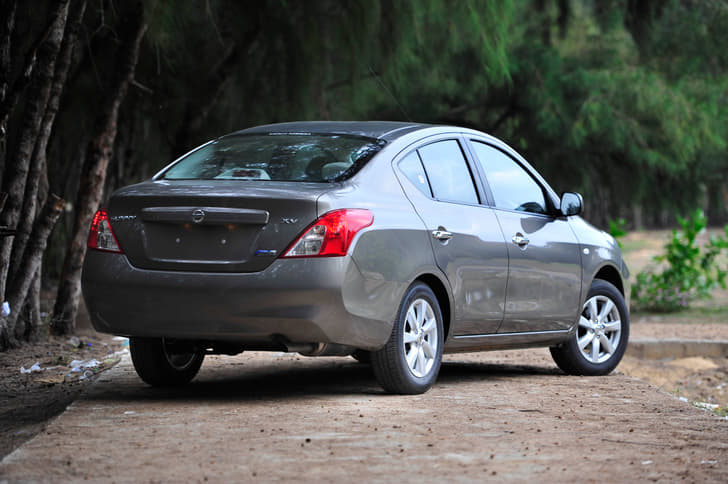
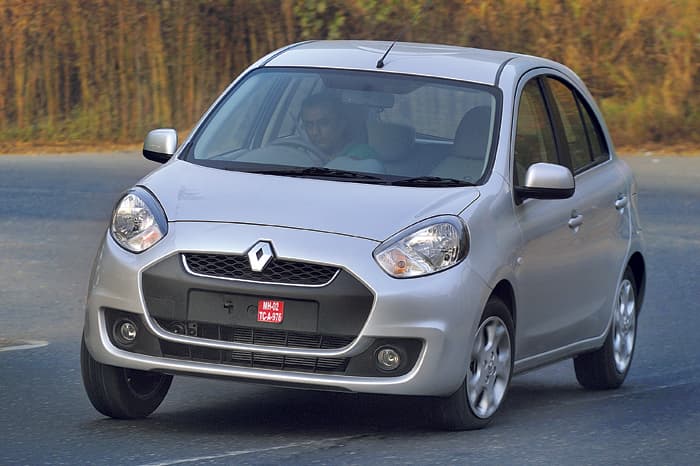
As you can probably tell from the looks, the Renault Pulse is a Nissan Micra; there’s no escaping the fact. Renault-Nissan’s research told them that the general consensus among the car-buying public was the Micra looked too cute, and this was putting a lot of potential male customers off. So to kill two birds with one stone, the Alliance cleverly rebadged the Micra as a Renault, saving on development costs and simultaneously appealing to a whole different kind of customer.
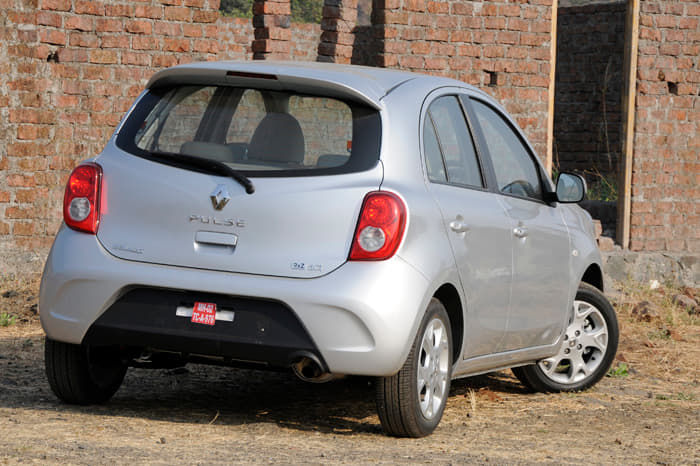
The Pulse sports a large, aggressive grille which gives it a purposeful stance. The rear bumper features a blacked-out section that mimics a diffuser and the hatch has a pair of sharp creases running symmetrically across, converging on a massive Renault ‘lozenge’ logo.
The Pulse is powered by the familiar Renault-Nissan 1.2-litre petrol and 1.5-litre diesel engines, the latter of which we’re testing here. It produces a modest 63bhp and 16.3kgm and on urban roads, is immediately impressive. Initial engine response is good and there’s very little turbo lag. Half-throttle responses are also good and the Pulse ambles along at low speeds rather well. Mid-range performance is healthy and you have adequate passing power on tap. It’s only on the highway that you feel the lack of power and you have to constantly shift gears to keep the motor on the boil. With power tapering off as early as 3800rpm, you have a very small powerband to play with and the Pulse’s performance is a far cry from the likes of the Swift. Our timing equipment confirms this — the car takes a leisurely 16.2 seconds to reach 100kph. The motor is quite refined though; it settles into quiet idle and only sounds gruff when worked hard.
What is also very impressive is the Pulse’s ride quality. It competently absorbs rough sections and bad roads thanks to its pliant suspension and tyres. There’s very little bobbing, the suspension works silently and this allows you to drive over rough patches without a care.
Straightline stability is surprisingly impressive. Due to the soft suspension, there is some body roll but the baby Renault is a very neat handler. The steering is really light and comfortable at city speeds and it offers decent feedback on the highway too.
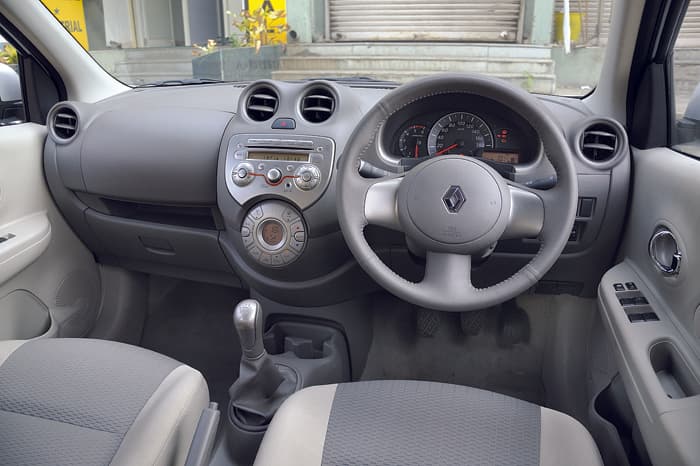
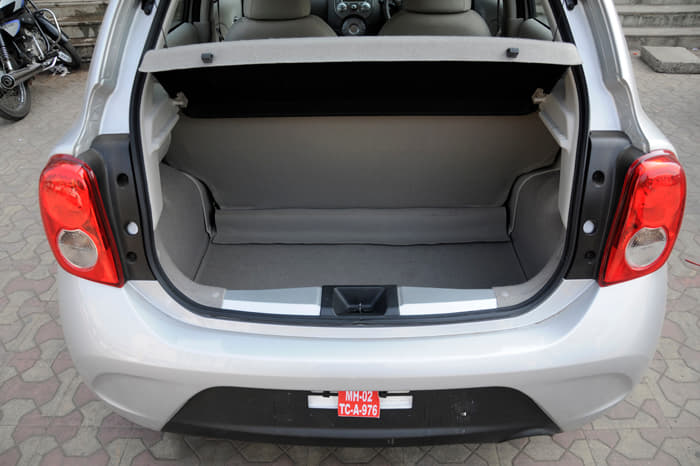
Interior design is exactly the same as the Micra’s and the oval and rounded theme is carried over. You get a round cluster of buttons on the central console, round vents and a round steering boss. There is good amount of space for odds and ends and the door pockets are of a decent size. At the back, headroom and legroom are surprisingly generous and you also get adjustable rear headrests. The only grouse we have with the rear seat is that it’s too low and flat, with not enough under-thigh support. The boot too is fairly generous and the seats fold down, but there’s no split.
The top-end RxZ model we’re driving comes loaded with features, with the notable absence of a passenger airbag, which we would have liked at this price. It also eschews a traditional key for a smart fob and a starter button. Renault also offers climate control and electrically folding mirrors on higher variants. The interior quality isn’t brilliant but it’s good enough for the class.
The Pulse is a very well rounded package and its striking exterior design could win hearts too. It rides and handles well, the torquey motor makes it extremely easy to drive and the spacious and practical interiors just add to the overall package. If they price it right, the Pulse may be the key to making Renault a household name in India.
 Lenny D'sa
 Sergius Barretto
 Saumil Shah
 Soham Thakur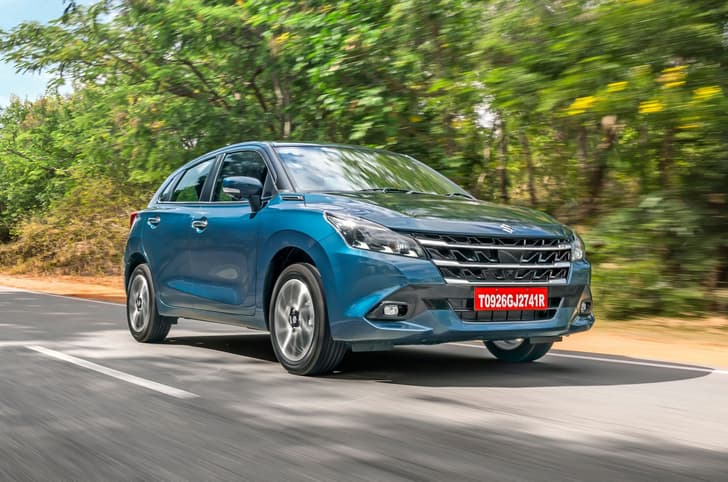
 Nikhil Bhatia