Jony Ive, the designer of the Apple iPhone and iPad, has stated that touchscreens are “the wrong technology to be the primary interface” in cars. Ive has been in the news recently over his contribution to the design of the Ferrari Luce EV’s interior, and his comments come in the wake of a growing trend of touchscreen-dominated dashboards.
Touchscreens can pose a safety issue in cars, says Ive

Speaking to Autocar UK, Ive said the way touch is used in cars today ignores the basic principles of safety and usability. He explained that touchscreens were originally conceived to solve a specific problem. “The big idea was to develop a general-purpose interface that could be a calculator, could be a typewriter, [or] could be a camera, rather than having physical buttons.”
However, this logic does not translate to cars, added Ive. “I never would have used touch in a car [for the main controls]. It is something I would never have dreamed of doing because it requires you to look [away from the road]. So that’s just the wrong technology to be the primary interface.”
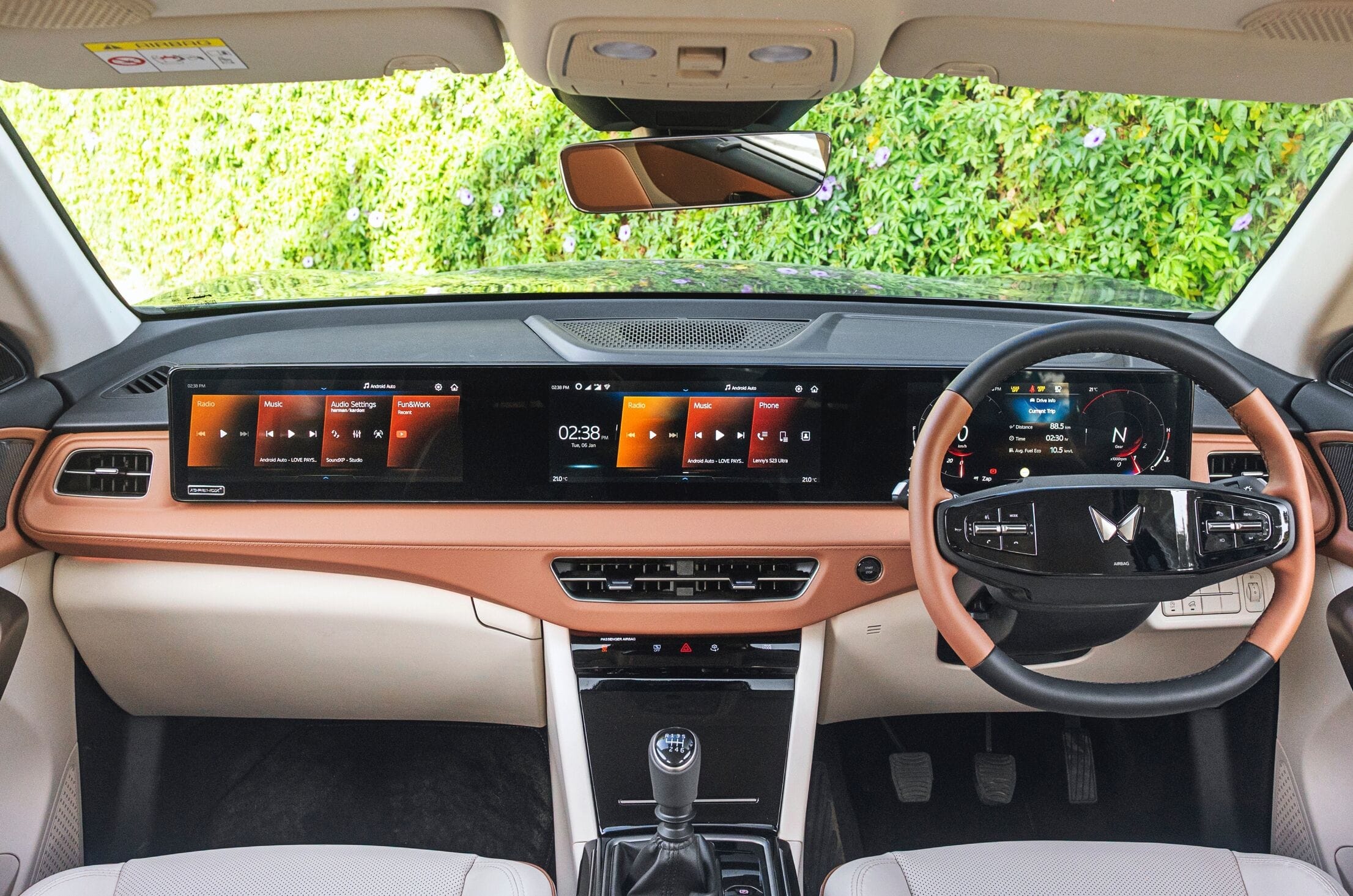
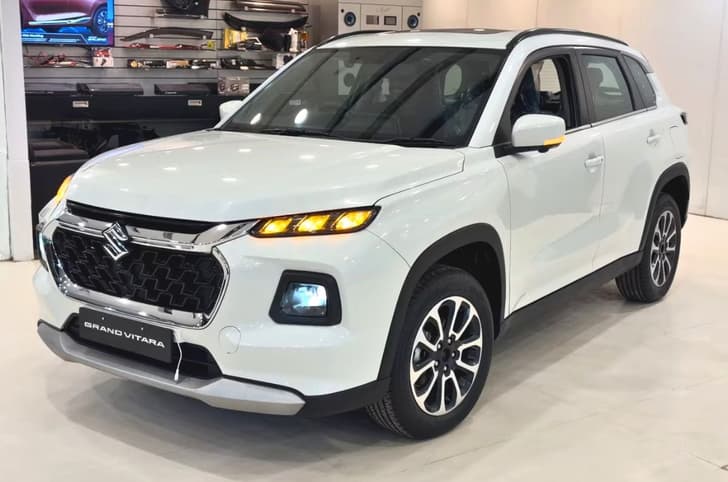
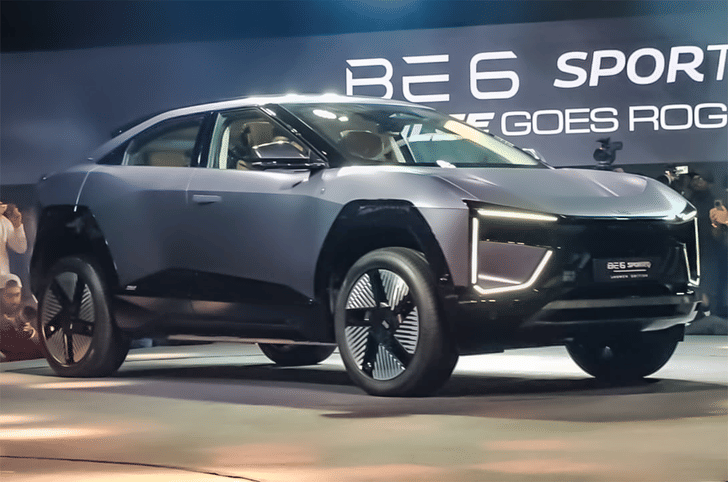
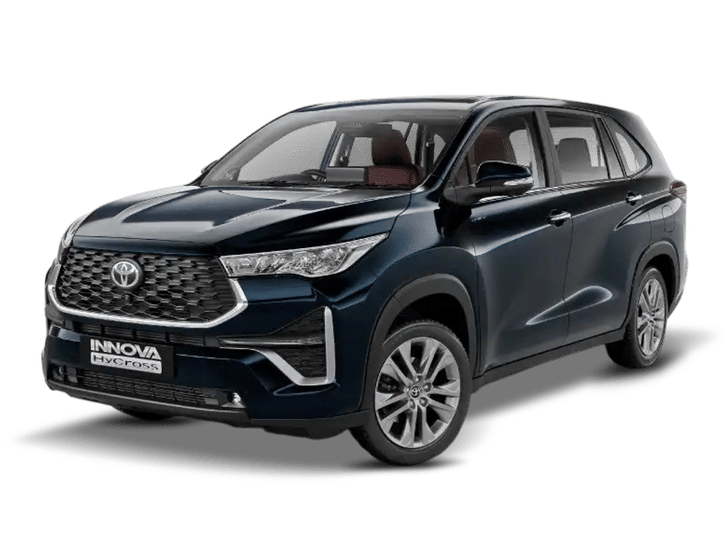
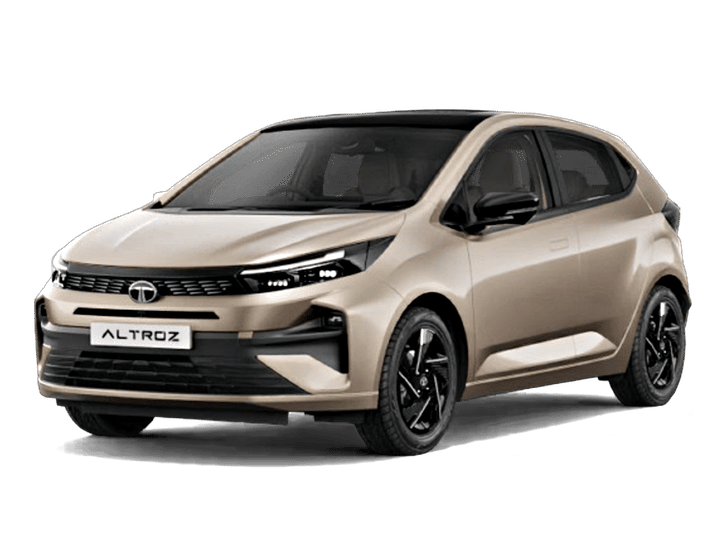
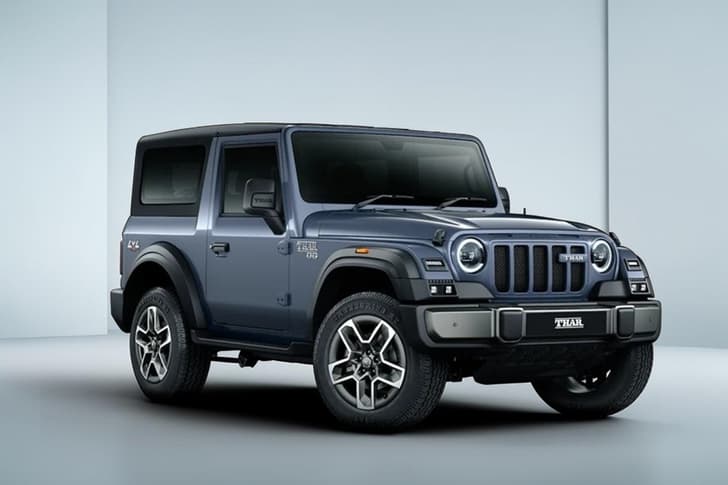
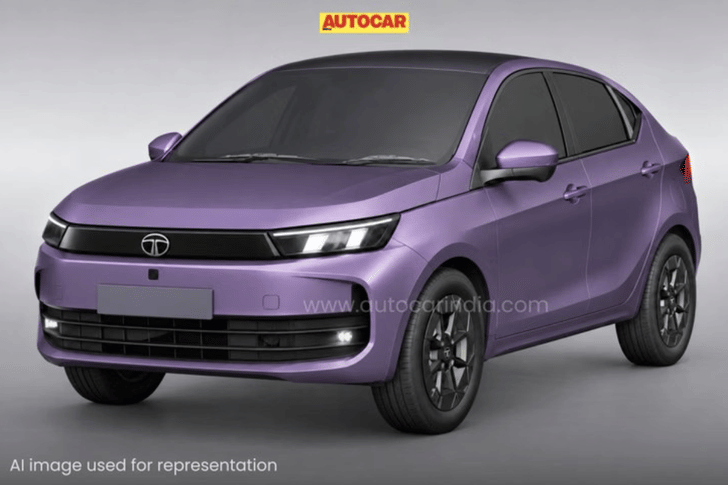
This is a growing criticism among many car reviewers and owners over the past few years as well. Several carmakers have been pushing the limits when it comes to screen size, quantity and functionality. These days, screens larger than 10 inches are quite ubiquitous in cars, and as of late, triple-display setups have even begun making their way into mass-market offerings such as the Tata Sierra and Mahindra XUV 7XO.
When asked about how touchscreens gained so much importance in car interiors, Ive replied, “I think what happened was [that] touch was seen almost like fashion. It was the most current technology, so [companies thought] ‘we need a bit of touch’, then the next year ‘we’re going to have an even bigger one’, and it will get bigger and bigger. I think the way that we design [car interiors] isn’t that we’re trying to solve problems [like we did with the iPhone].”
On the more premium end of the market, the touchscreen game is being played to the extreme. The new Mercedes-Benz GLC EV, which was unveiled at the 2025 Munich Motor Show, features an astoundingly large 39.1-inch ‘Hyperscreen’ that effectively spans the length of the entire dashboard and integrates virtually every in-car function.
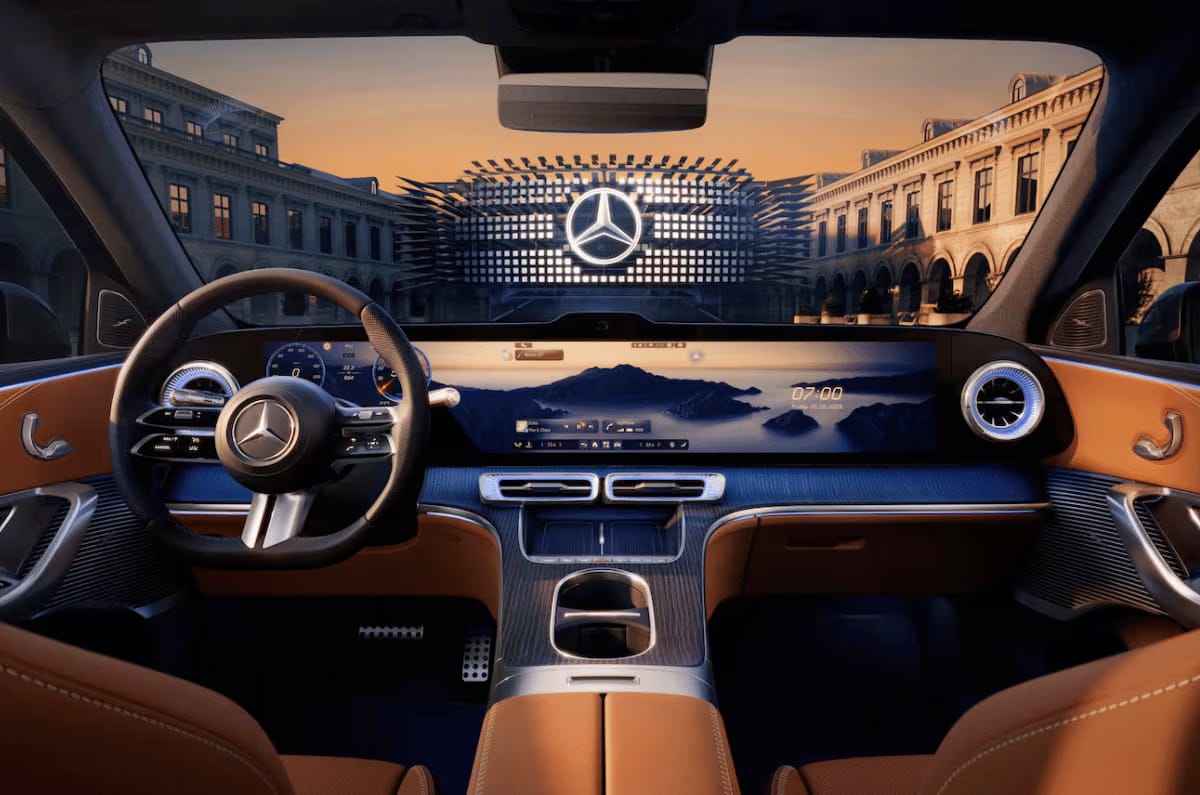
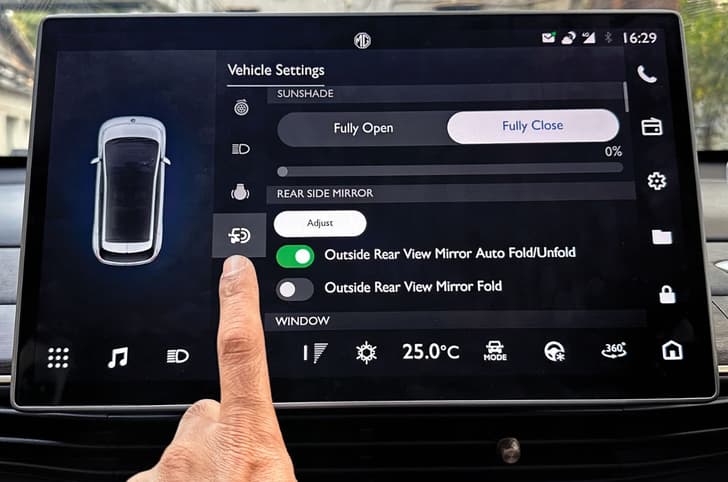
The practice of folding essential vehicle functions – adjustment for outside rearview mirrors (ORVMs), climate control, lights and, in some cases, even the instrumentation – can be rather unsafe while driving, as you often have to take your eyes off the road and sift through menus to get anything done. Touch-capacitive buttons can be similarly problematic, as they’re prone to incorrect inputs while on the move.
Thankfully, Euro NCAP has identified this as a safety concern and will penalise cars that don’t include physical controls for key functions such as the horn, indicators, hazard lights, wipers and SOS from 2026 onwards.
Ive’s approach towards the Ferrari Luce EV interior
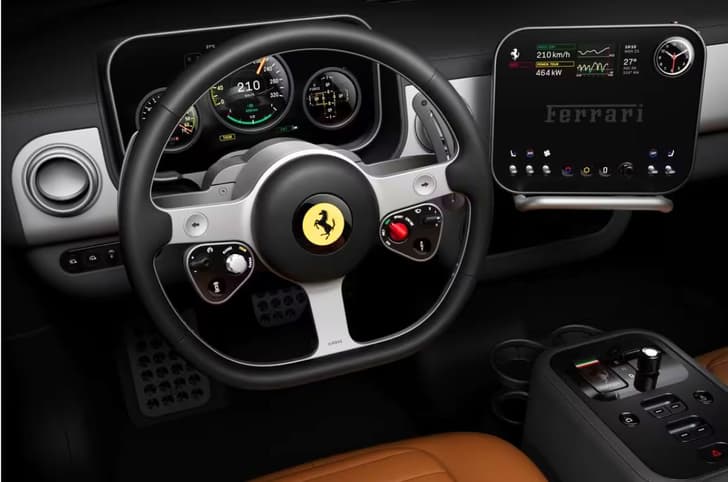
Despite his undeniably major influence on touchscreen technology in the realm of smartphones, Ive has taken a contrasting approach with the interior design of Ferrari’s debut EV, the Luce. It features a single 10-inch central touchscreen with an array of physical toggles at the base instead of multiple large displays like we’ve come to expect in modern luxury EV offerings.
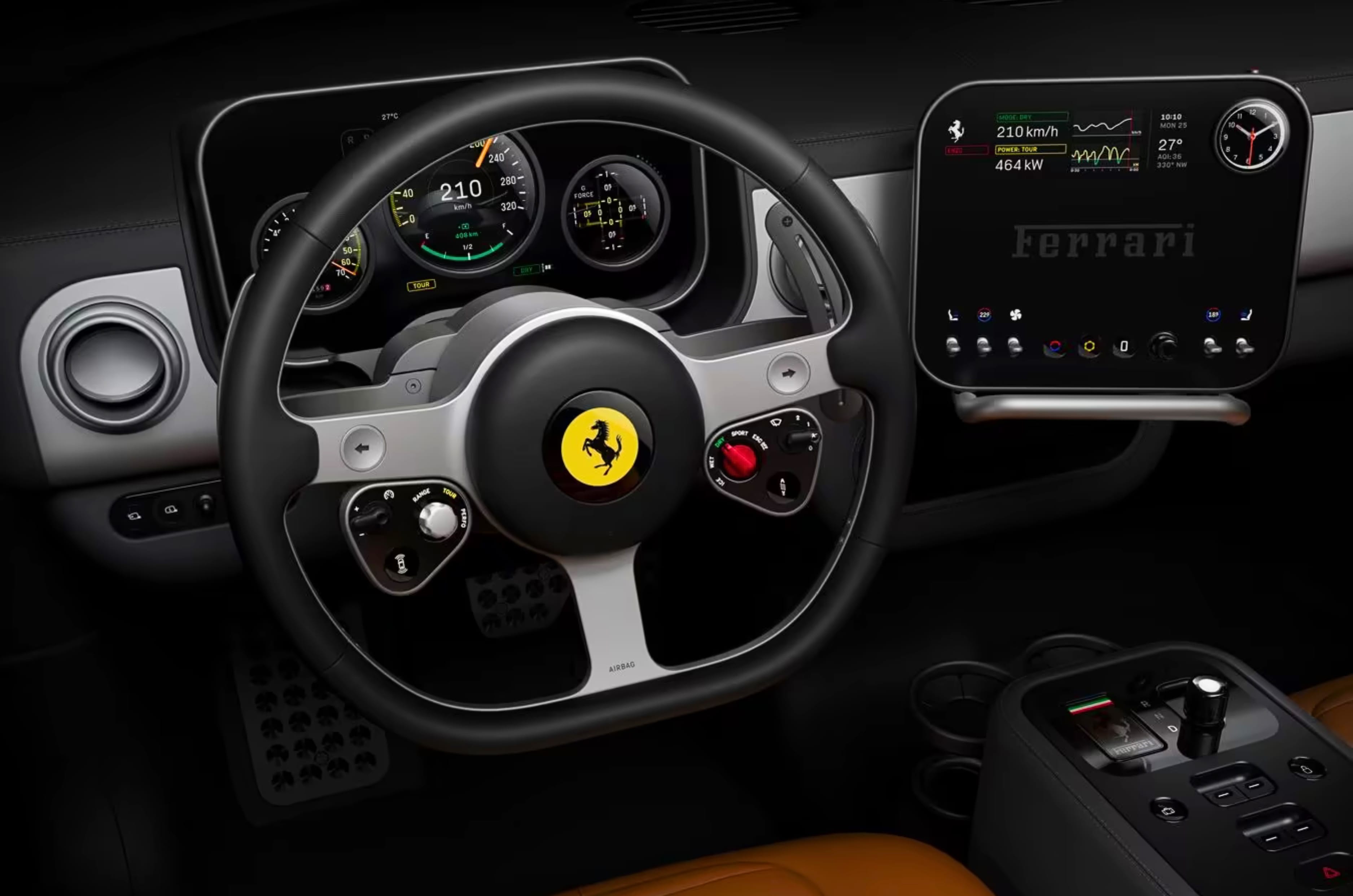
The design emphasis was for drivers to “use it intuitively, enjoy it, and use it safely,” explained Ive. “We use some touch in the central [screen], but it’s very thoughtful, and the vast majority of the interfaces are physical. Every single switch feels different, so you don’t need to look.”


 Dipan Sur
 Dhruv Dhaka