Radar-based driver assistance systems are vital in enhancing road safety and the Indian government has taken a key first step in that direction by de-licensing some low frequency bands for the automotive industry more than a month ago. The frequency bands are in the range of 36-38MHz, 433-434.79MHz, 302-351kHz and 76-77GHz. Until now, auto manufacturers couldn’t equip their cars with these systems since the related frequency spectrums were reserved and regulated by the Department of Telecommunications.
The move is likely to encourage carmakers to improve the safety in their automobiles in India. Kartikeya Joshi, Head of Marketing and Sales, Bosch Chassis Systems India Limited, told Autocar India, “We are confident that the government’s decision to make 76-77GHz frequency available for automotive use will aid in the introduction of more advanced safety and driver assistance systems on automobiles in India. The car manufacturers can now evaluate systems like park assist, automatic cruise control (ACC) and autonomous emergency braking (AEB) for the Indian driving scenario.”
The ACC function ensures that the driver maintains a relative safe distance with the vehicle ahead of it and brakes actively to prevent collision in case the vehicle in front slows down suddenly and in case of AEB, the system applies automatic brake to prevent imminent collision with a vehicle or a pedestrian.
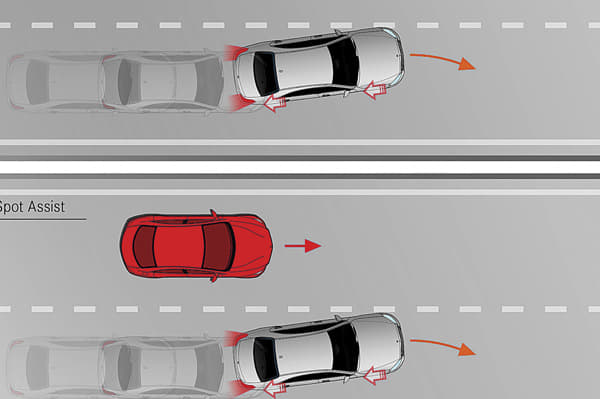
On the flip side, while this is a good first step from the government, some carmakers might require additional frequency to introduce their radar-based advanced assistance systems in its cars in India. The carmaker offers safety features such as blind spot assist and lane keeping assist as well as comfort features such as Magic Body Control on its models abroad.
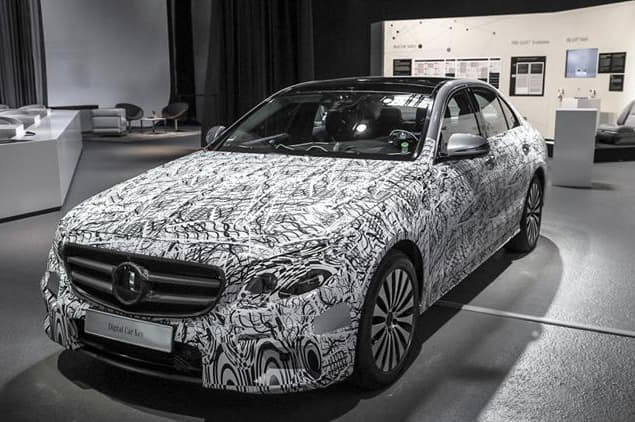
“The government’s decision to de-license the 76-77GHz radar frequency is a welcome step. There are two more frequency bands to be de-licensed, the 24GHz and the 79GHz. We are confident that with the de-licensing of all these three radar frequencies, we will be able to introduce our radar-based advanced assistance systems in our products in India,” Eberhard Kern, outgoing managing director & CEO, Mercedes-Benz India told Autocar India.
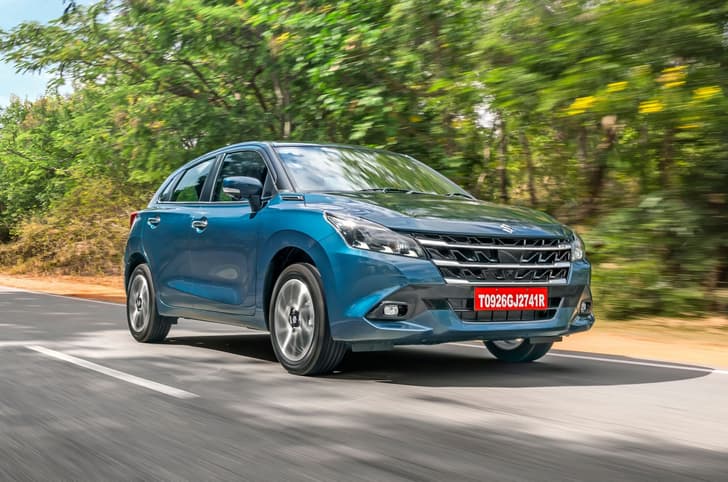
Moreover, de-licensing will boost automobile exports from India. “India is an emerging export hub for automotive manufacturers. Safety systems like ACC and AEB are experiencing wide adoption in several export markets. It would be possible for automakers to consider exporting vehicles fitted with these systems from India,” Joshi added. The move is likely to enable Maruti Suzuki in testing the AEB system in its Baleno premium hatchback for export purposes, a company spokesperson told Autocar India.
NISHANT PAREKH
 Viraaj Bhatnagar
 Dipan Sur
 Dhruv Dhaka
 Saptarshi Mondal