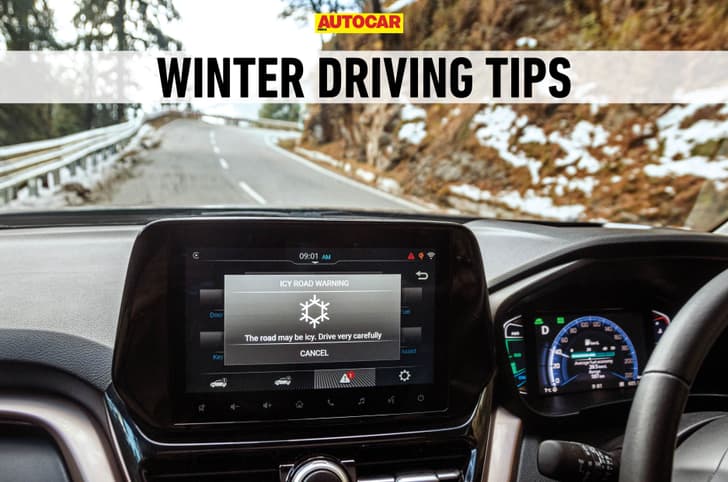
Driving in winter conditions requires heightened attentiveness and utmost care, and before you hit the road, it’s important to prepare your car for the journey ahead. In this article, we share useful winter driving tips to help keep you and your vehicle safe on the go.
1. Gentle accelerator and brake inputs
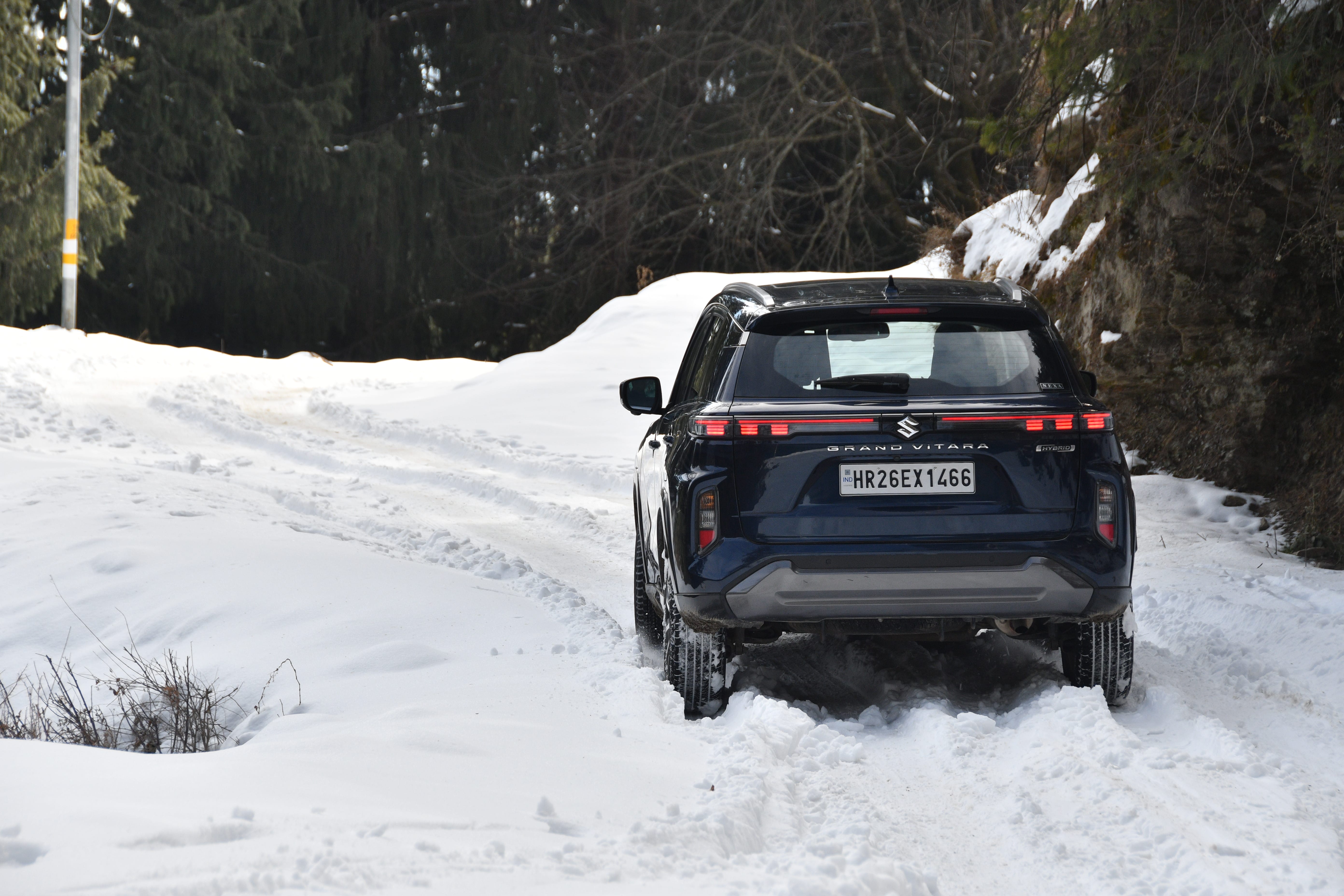
When starting from a standstill in icy conditions, use gentle throttle inputs to gain speed, avoid revving the engine in lower gears and shift up sooner, as traction is lower than normal. The same applies on the move as well, whether accelerating or braking, avoid jerky and sudden inputs to mitigate loss of traction.
2. Gradual direction changes and turns
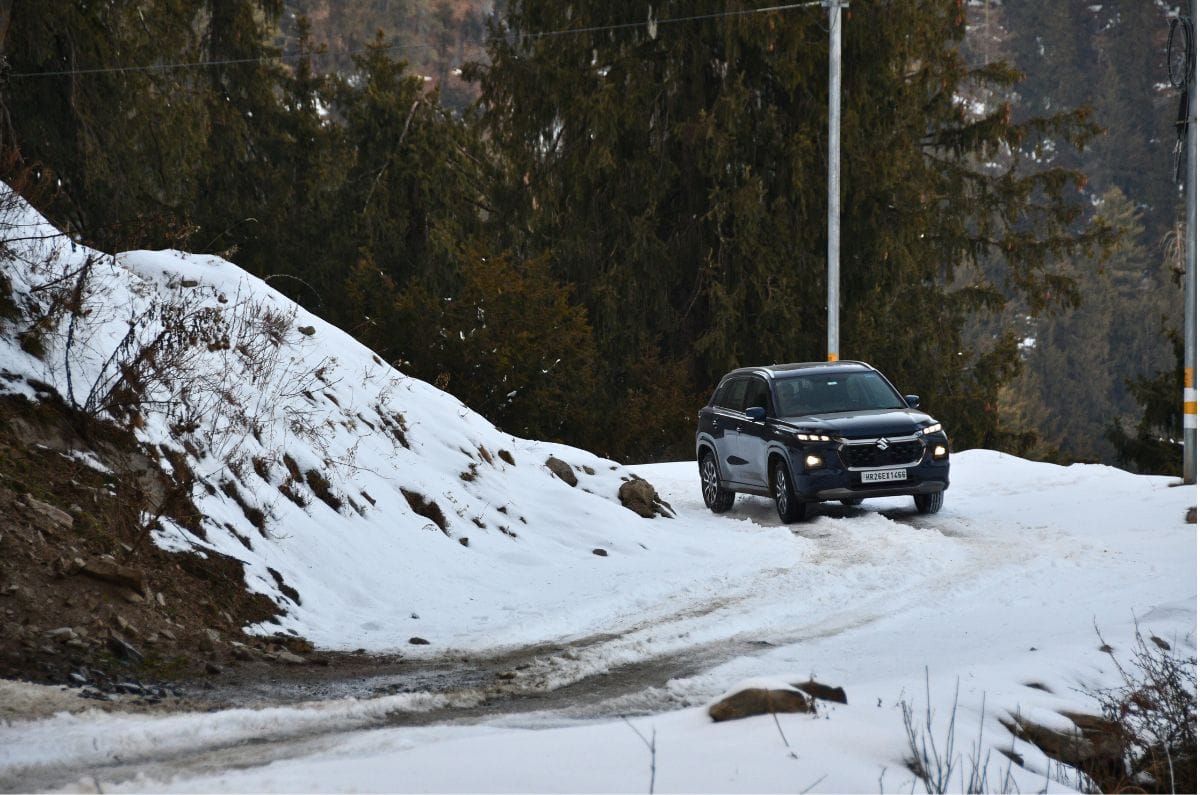
Do not make sudden changes in direction such as while turning or changing lanes. Instead, use gradual steering inputs to help maintain traction on a smooth, icy road surface. When approaching a turn, brake gently to a safe speed, and accelerate only after you’ve safely exited the corner.
3. Maintain a safe distance from the vehicle ahead
When driving on highways, especially in traffic, maintaining a safe distance from the car in front is crucial. During winter season, this distance needs to be even longer, so in sudden stopping conditions, there's a buffer space to prevent rear-ending.
4. Use your car's lights appropriately
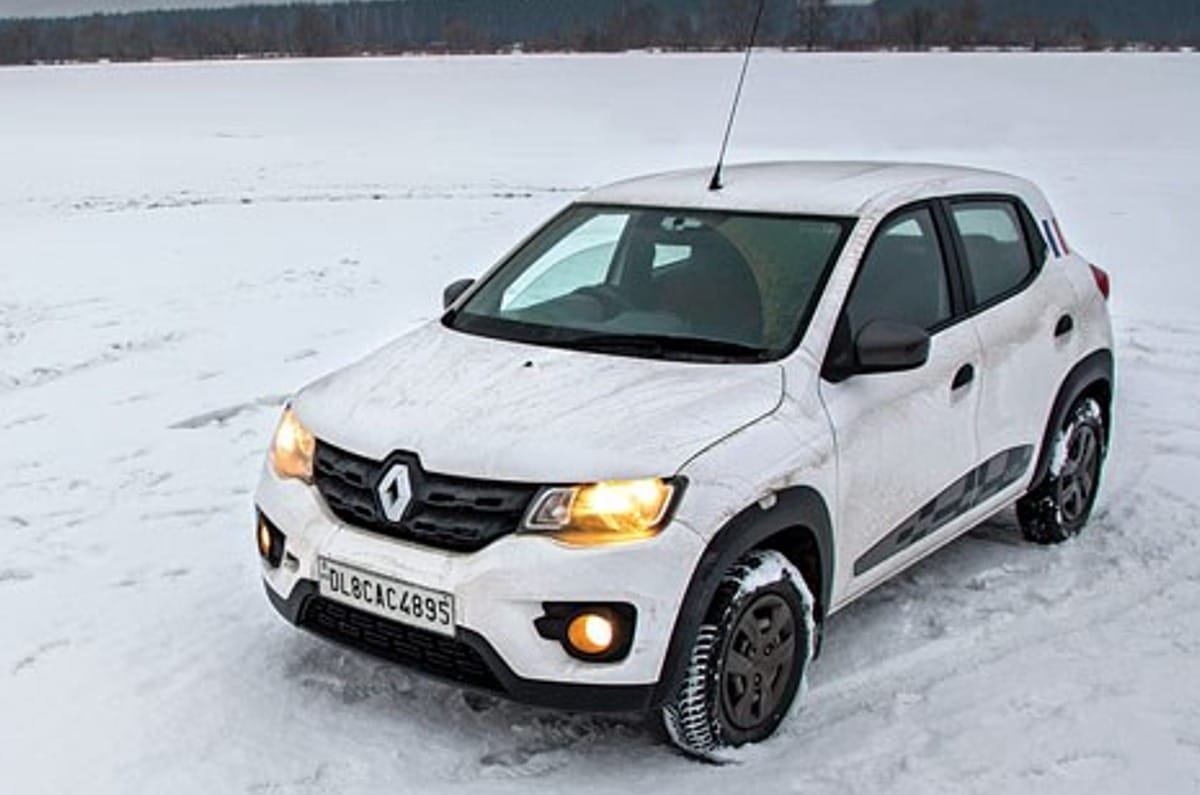
Driver's should not use the car's high beams in foggy conditions as it can reflect off the fog and strain ones eyes. Instead, the headlights should be dipped, and the fog lights should be used to illuminate the road ahead. Make sure the tail-lights of your car are working properly and respond promptly when braking, as they are the only indication to the driver behind you that you’re slowing down. Hazard lights, on the other hand, should be used only in emergencies and not while driving.
5. Defogger and wiper usage
The defogger and windshield wipers are vital in helping keep your eyes on the road during winter conditions. If your windscreen fogs up while driving, switch on the defogger and switch off the air recirculation feature. Set the blower speed to maximum, then reduce it gradually as the windscreen clears up, and then adjust the temperature and blower setting to ensure it remains clear. Before using wipers, ensure that any ice on the windscreen has been completely defrosted using the defogger, and that the wiper blades themselves are free of ice.
6. Avoid driving on irregular road surfaces
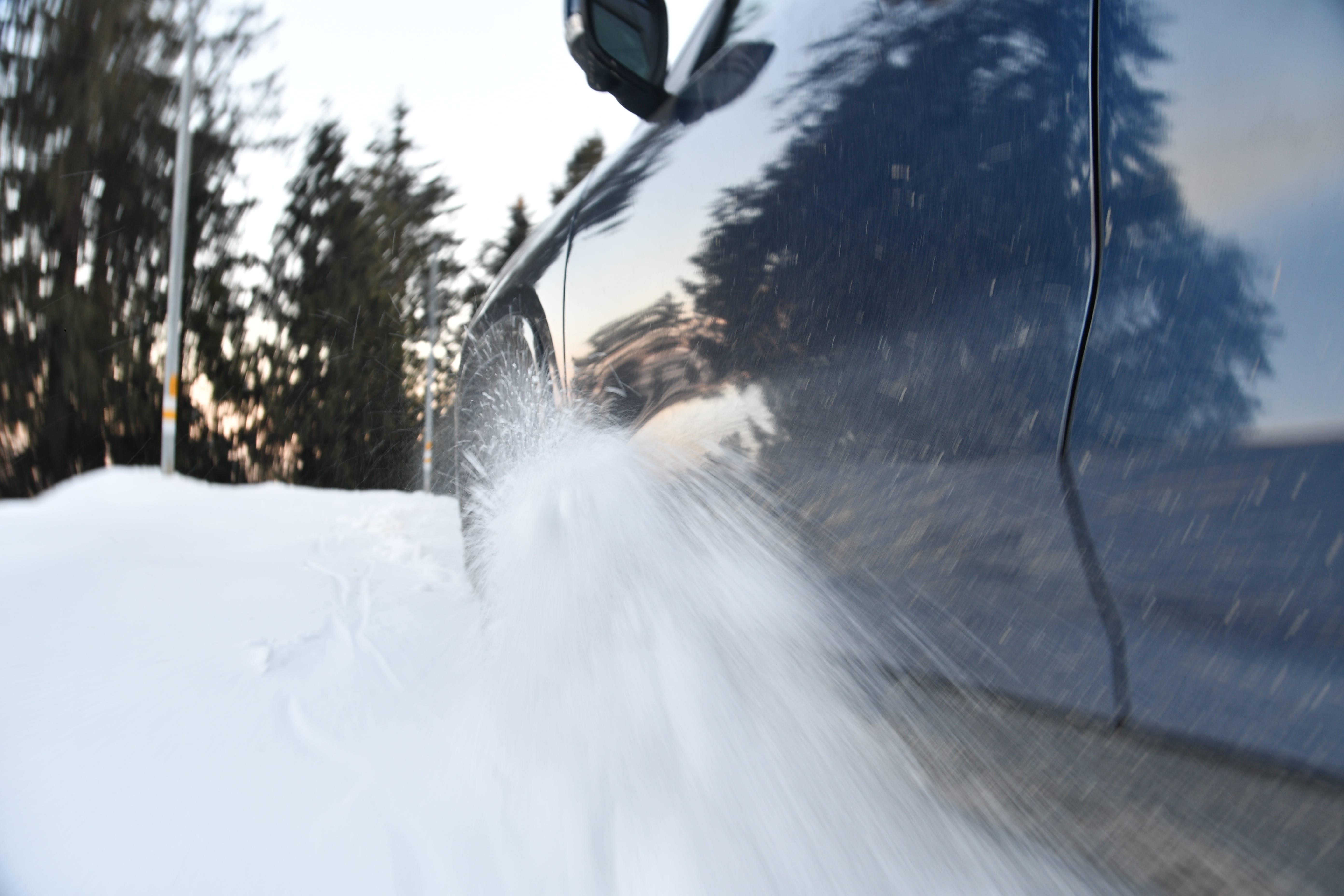
Some road surfaces develop ‘black ice’ in the winter, which are a thin layer of ice that forms due to the melting and refreezing of water. Although they may be hard to spot, keep an eye out for road imperfections such as a reflective or discoloured surface and steer clear of them.
7. Controlling a skidding car
If your car skids on a slippery patch, avoid panicking. Try to steer your vehicle in the direction of the skid; for example, if the rear of your car skids to the left, gently turn the steering wheel to the left.
8. Driving uphill/downhill
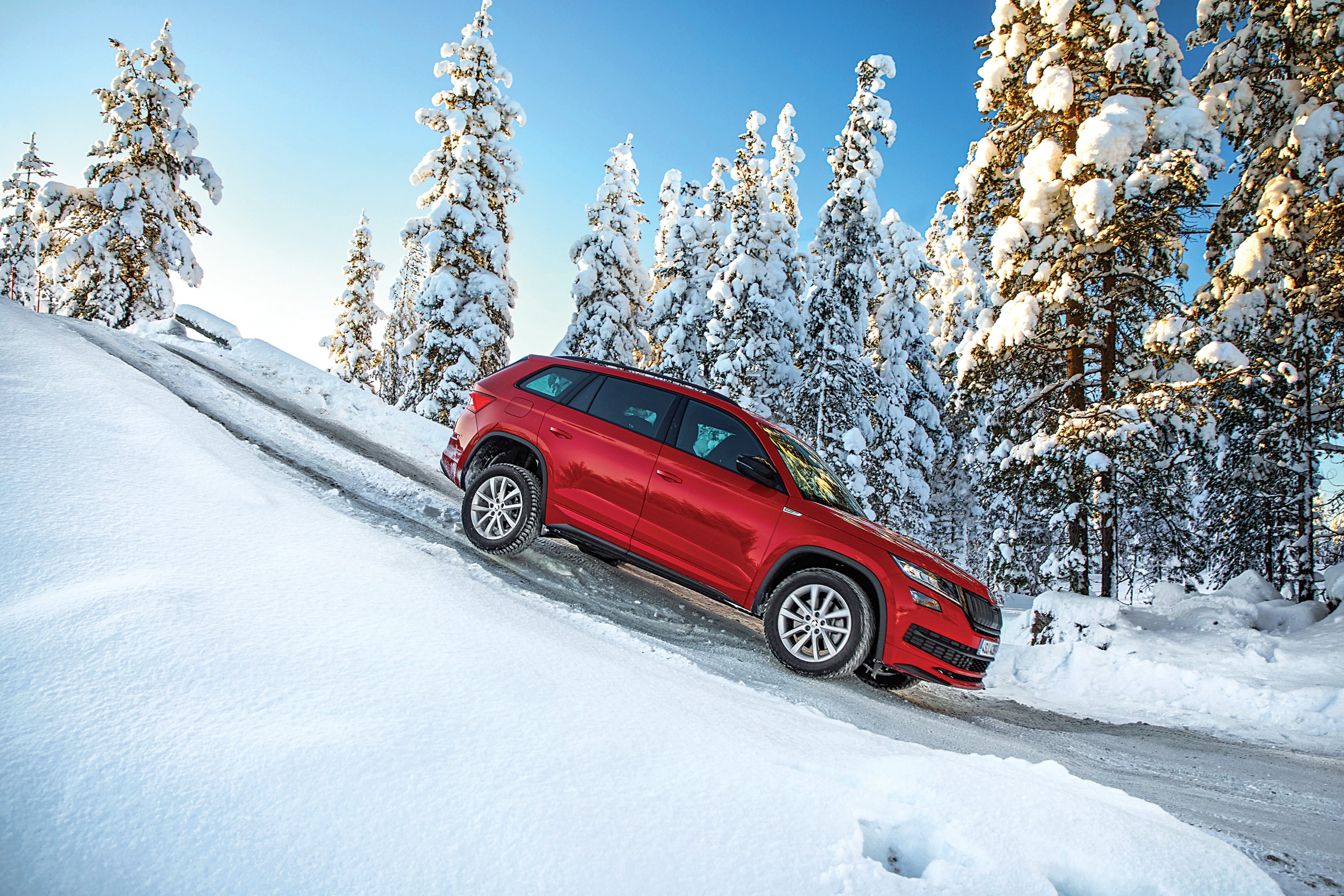
When driving uphill, maintain a steady speed to prevent your wheels from skidding on the low traction surface, and most importantly, do not come to a standstill, as regaining momentum on a slippery incline can be difficult. When driving downhill, use engine braking to control your speed and apply the brakes sparingly. With a manual or an automatic gearbox with manual control, staying in a lower gear helps. Some automatics also have modes that prevent the gear from upshifting. The brakes may overheat or malfunction if you use them too hard and for too long.
9. Avoid using driving aid features
Using ADAS and cruise control in winter can be risky, as these driver assistance systems are not designed for snowy or icy roads. Relying on them can reduce driver attention and slow reaction times. Moreover, sudden ADAS interventions like autonomous braking may cause your car to skid or affect other motorists.
10. Use snow mode
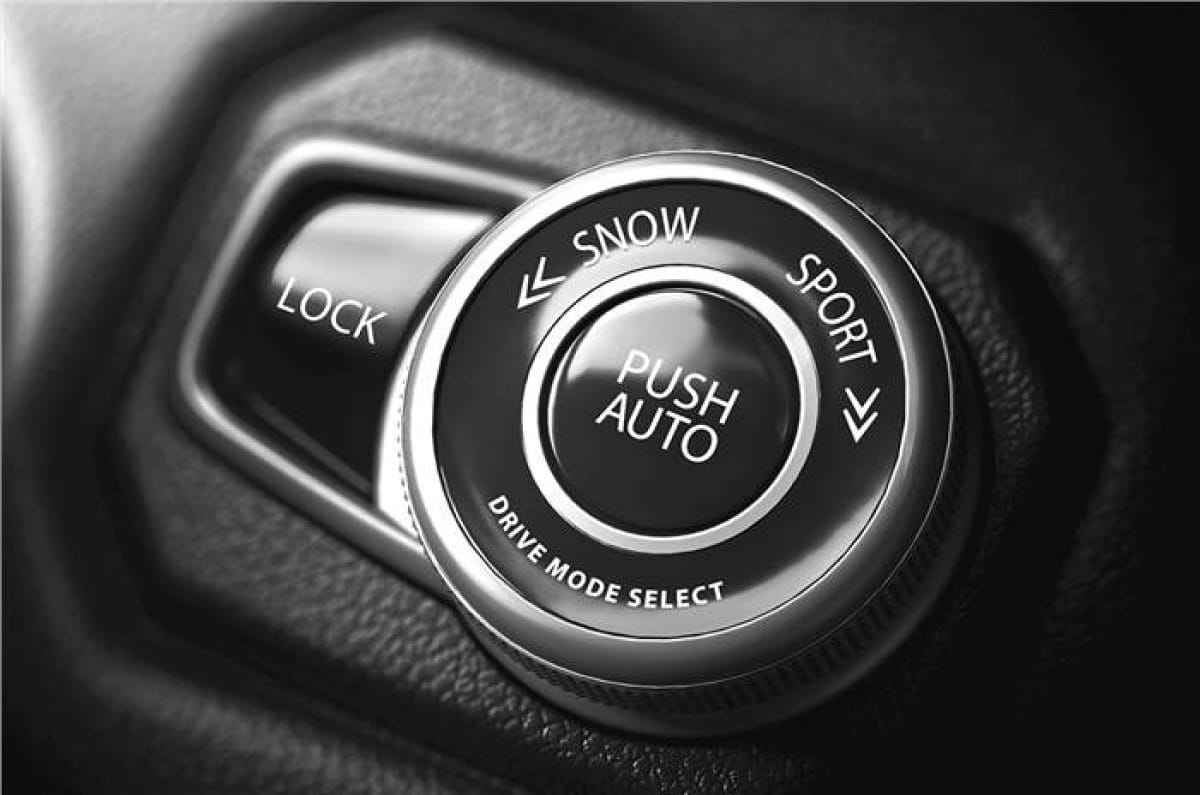
Some modern cars now come with snow/winter mode for the engine, which is useful, since torque is kept within limits, and it gently feeds in power to the vehicle. Some automatic gearbox-equipped cars also have a snow mode that prevents wheelspin by setting off in a higher gear.

 Uday Singh

 Dipan Sur
 Dhruv Dhaka