CAR MAINTENANCE TIPS
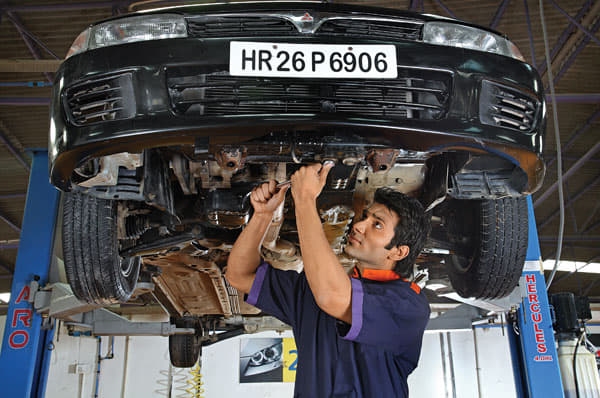
If you own a car, the single most important thing you can do to keep it happy and save money is regular preventive maintenance. If you ignore preventive maintenance, a small problem can snowball into a major, expensive repair job. It doesn’t take too much time to check the basics, like if your oil needs a change, checking your tyre pressure and getting scheduled inspections and work done. It gives you a chance to catch anything before it becomes a serious problem. Think of it as getting regular check-ups with your doctor.
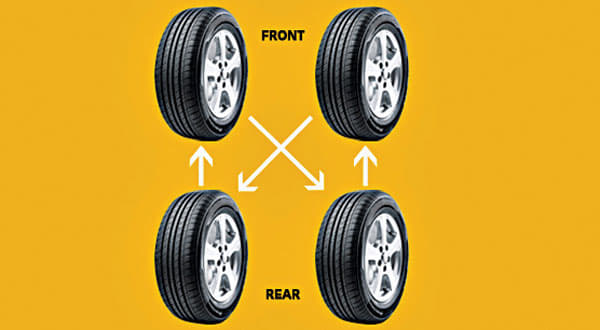
It’s basic, but give your car a once-over periodically, so you catch anything that looks out of the ordinary. Make sure all your lights are working. Check the air pressure in your tyres every two weeks. Doing so gets you better mileage and saves you money since under-inflated tyres can increase fuel consumption. Listen for any strange sounds, inside and out. If anything’s out of the ordinary, don’t ignore it.
Refer to the Owner’s Manual
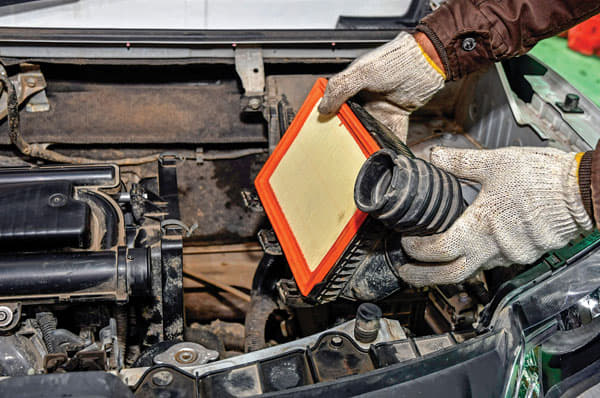
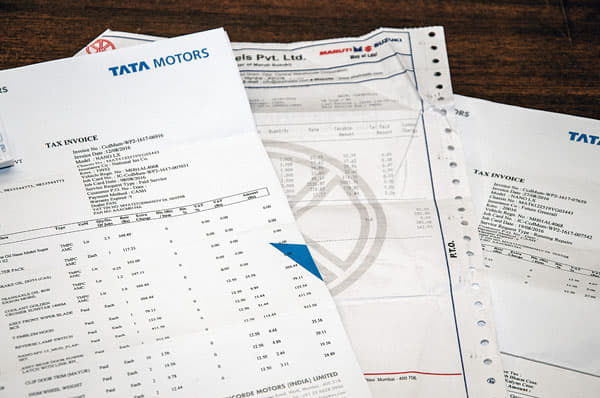
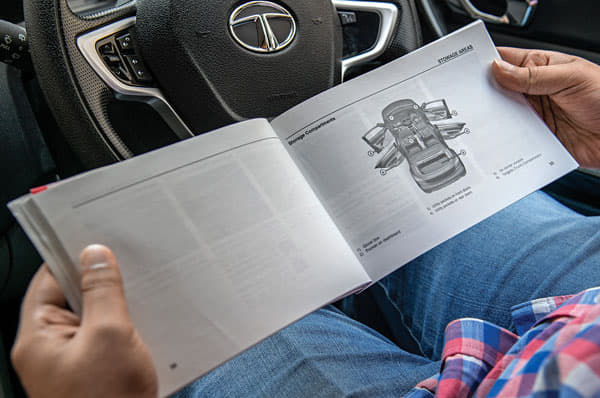
Different cars have different requirements and needs. How often you change the oil, filters, drive or timing belts, etc, varies between different car brands. So, the most important thing is to pay attention to your car’s owner’s manual. Don’t lock it away in your cupboard, but keep it in your car and refer to it often. The manufacturer has spent lots of money researching and engineering your car to certain specifications. Stick by the manufacturer’s recommendations to get the best out of your car.
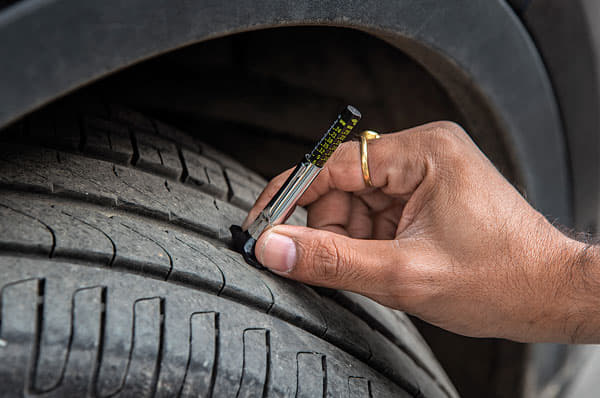
Make sure the tyres have enough tread You can use a coin to do it, or look out for the wear indicators on the tyre treads. Today, most tyres have tread wear indicators built into them. If you look around the tread carefully, at some point you’ll see a bar of rubber which goes across the tread and isn’t part of the regular pattern. This is the wear indicator. It’s really basic, but it’s also pretty foolproof. The tread wear indicator is normally moulded into the rubber at a depth of about 2mm. As the rubber in your tyres wears away due to everyday use, the tread wears down. At some point, the tyre tread will become flush with the wear indicator (which is normally recessed into the tread). At this point you have about 2mm of tread left – in other words, it is time to change tyres.
Check fluid levels
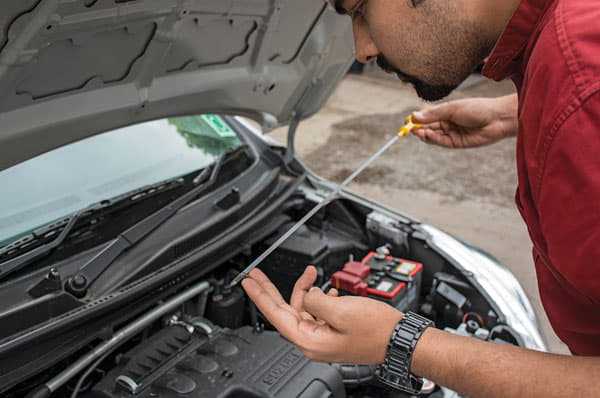
Even if you don’t ever learn how to change the power steering, coolant, or even wiper fluid, you should at least learn how to check those fluid levels. In some cases, you can see the tank level directly, but most have to check current levels against a notch that indicates optimal levels. Checking the engine oil needs a little bit more work. Park on level ground and wait until the engine has cooled down after driving, then locate the dipstick. Pull it out and wipe it clean, and then push it all the way back in until the top of it is seated properly in the dip tube again. Wait a moment then pull it out again. Check the level of the oil. If it’s between the high and low marks, you’re fine. The high and low marks can be denoted by two dots, an ‘H’ and ‘L’ or a shaded area on the dipstick.
Replace windshield wipers when you top up the windshield washer
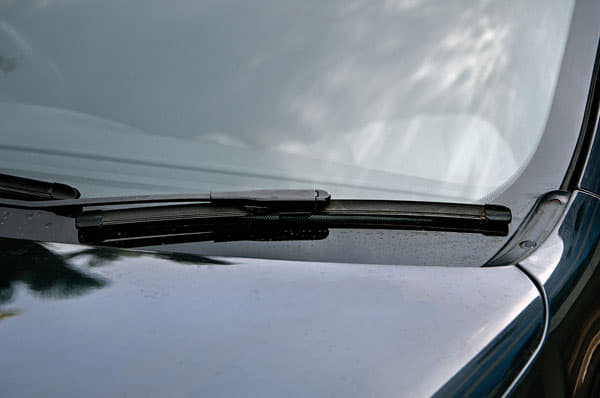
If your wiper blades are leaving streaks on your windshield, change them. Wipers are cheap and easy to replace yourself. Visibility is important so don’t wait till you can barely see through the windshield. Don’t wait for the rains to change your wiper, you need it to clean the windscreen when it gets dirty while driving. That brings us to the second point, always top up your windscreen washer.

 Vishal Venugopal
 Ved Janve
 Stephen Raj Antony