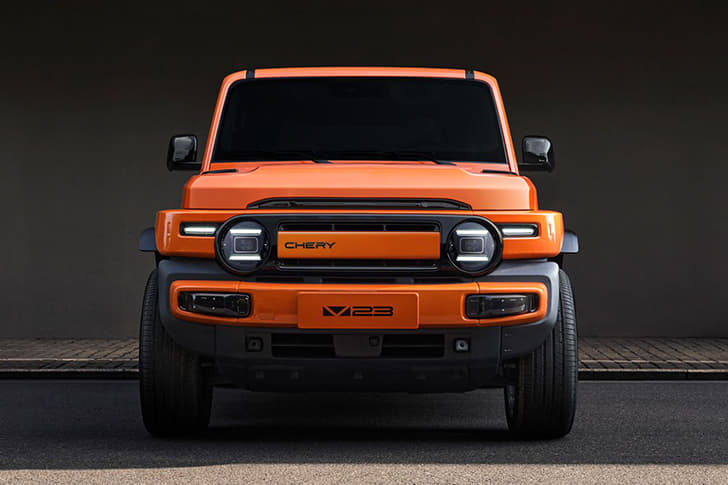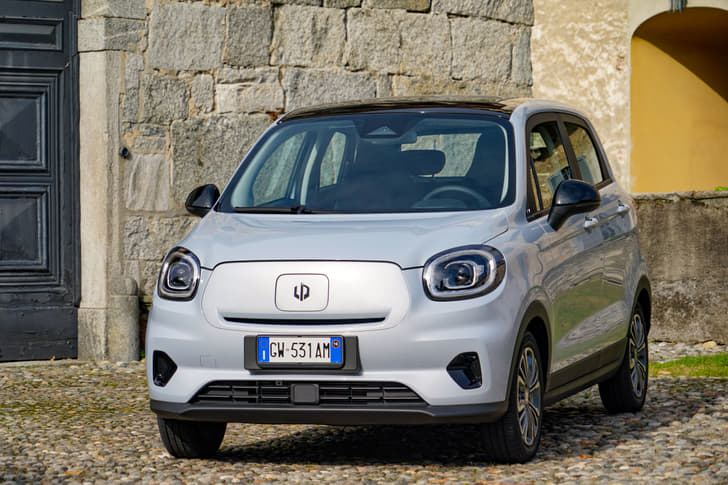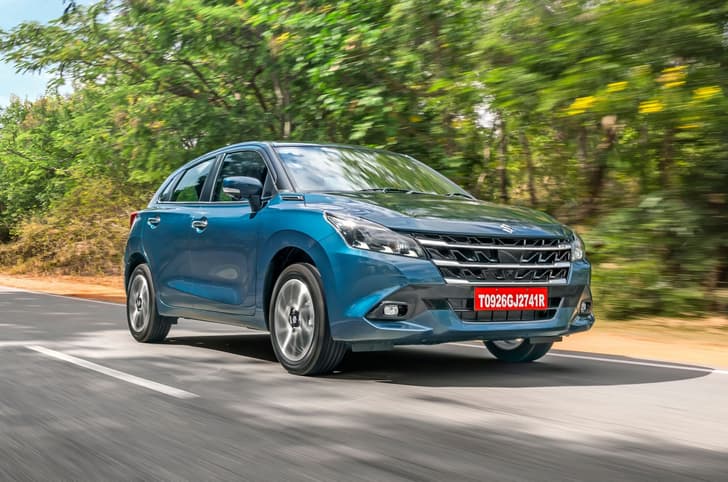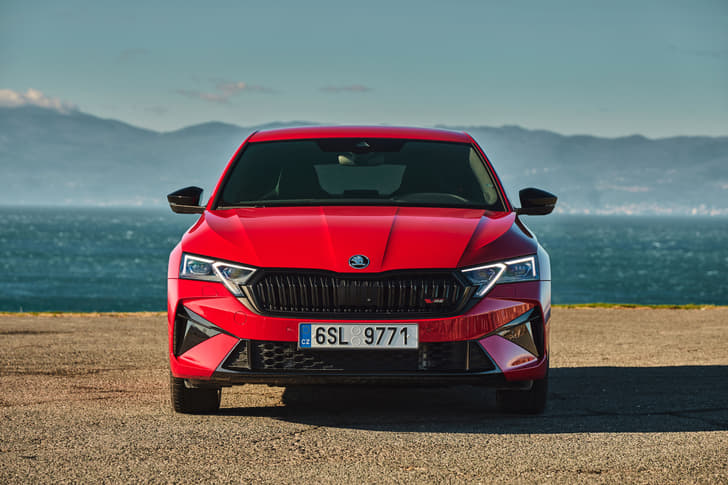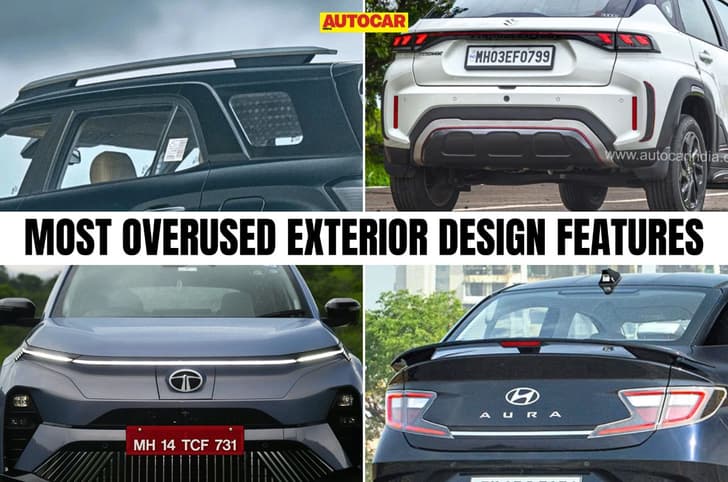
While styling may be subjective, some exterior design features end up looking a bit overdone or simply do not work as intended. Here is our list of these aesthetic choices that may have worked, only if they weren’t so commonplace or instantly polarising.
Connected lights
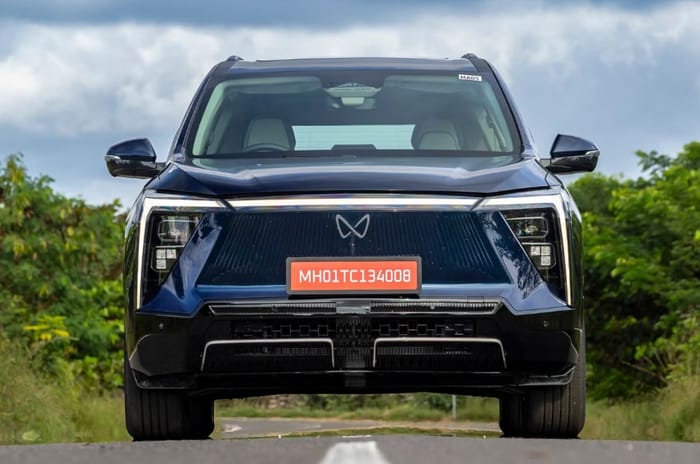
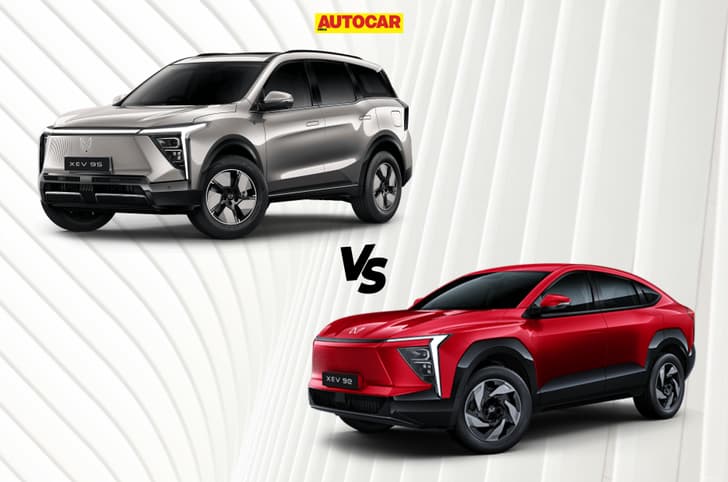
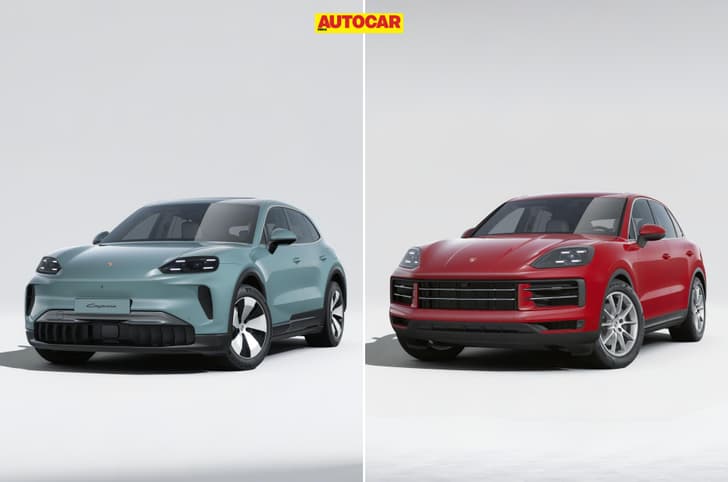
One of the most striking visual features, connected lights made aesthetic and practical sense when they were first introduced. Given their exclusivity, this was one feature that allowed onlookers to identify cars from certain brands even from a distance. However, as more and more automakers add connected lights to their cars, this once ‘signature’ feature has lost most of its significance as a design highlight.
Body cladding
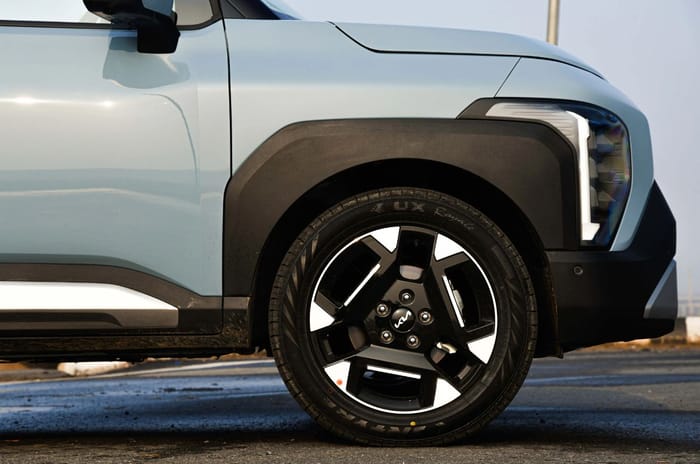
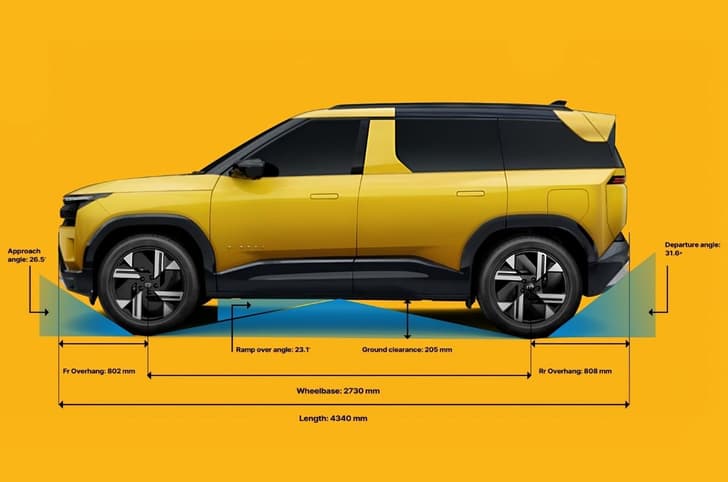
Primarily made out of durable plastic and applied around the lower half of a vehicle, body cladding was meant to prevent or reduce damage from objects flung towards the underbody when traversing rough terrain. A practical feature once reserved for proper 4x4s, body cladding can now be found on front-wheel-drive cars meant to stay exclusively on paved surfaces.
Rear spoiler

Another design feature that has found itself on way more cars than it should have is the once functional rear spoiler. Their purpose on high-performance cars is to create extra downforce and help keep the rear wheels glued to the ground for maximum grip, especially at higher speeds. A rear spoiler is unlikely to benefit an efficiency-focused, front-wheel-drive sedan with double-digit horsepower figures.
Flush door handles
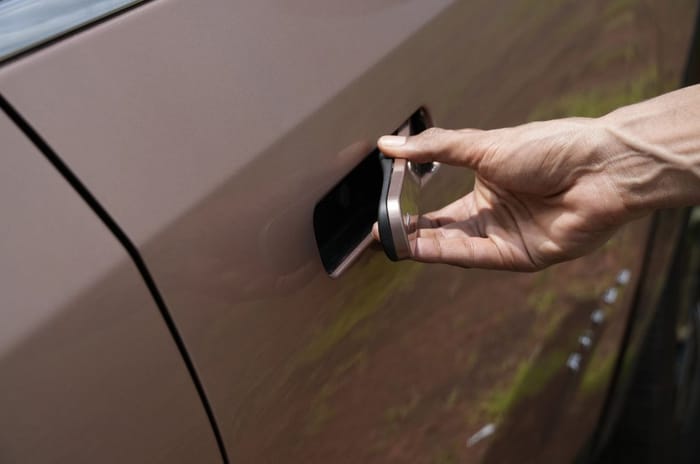
Flush door handles were initially a design feature tied to premium electric cars, where they helped optimise efficiency by reducing drag. However, these mechanisms are often finicky to use, and most of them prioritise form over function, making their integration into mass-market models even less practical. Regardless, brands have been moving away from conventional door handles in favour of their aero-friendly options.
Faux exterior design features
Sporty exaggeration

While they can make a car look sporty, faux air diffusers, intakes and vents do not inject any practical value. The functional counterparts of these cosmetic add-ons are scientifically designed to enhance the performance of the cars that they are a part of. Not only do these sporty bits of trim on regular cars not do that, but their visual appeal is also questionable.
Prominent ornaments
Roof rails (or roof bars) can be useful when you need to carry oversized luggage that will not fit in the boot. However, many cars that come with this prominent feature do not have any official load ratings or even tie-down points, making them purely ornamental rather than practical.
Rugged looks
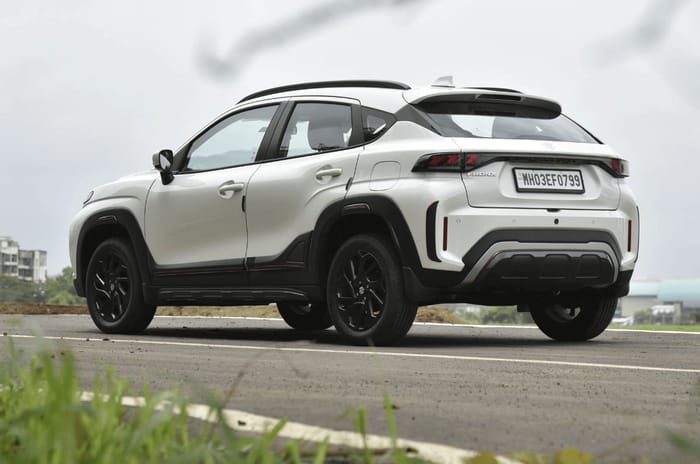
Skid plates are a common and necessary feature available on almost every 4x4. Usually placed under specific sections of the front and rear bumpers, these metal plates are built to withstand hard impacts during off-road excursions. However, the ones fitted to most mass-market (and some premium) cars are plastic and exist mainly to drum up a rugged appearance.
Exhaustive design
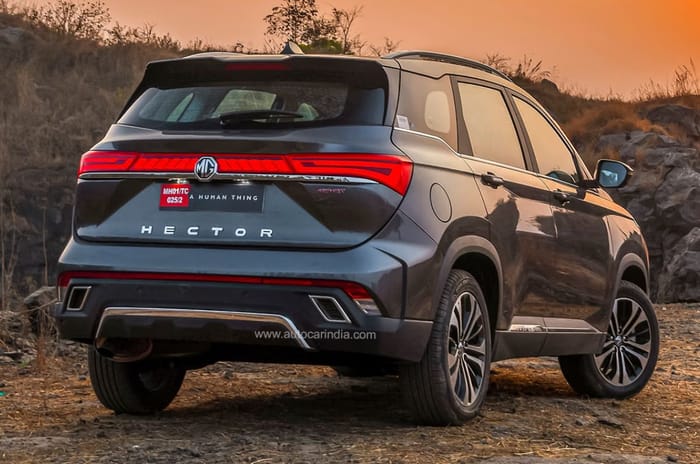
While plenty of cars have their functional exhaust pipes either hidden or in plain view, some complicate things unnecessarily. Just like with the faux intakes and diffusers, faux exhaust tips are just that – fake and purely for show. Some of them are just plain plastic trim on the bumper, barely disguised as an exhaust tip.

 Uday Singh
 Glenn Noronha
 Dipan Sur