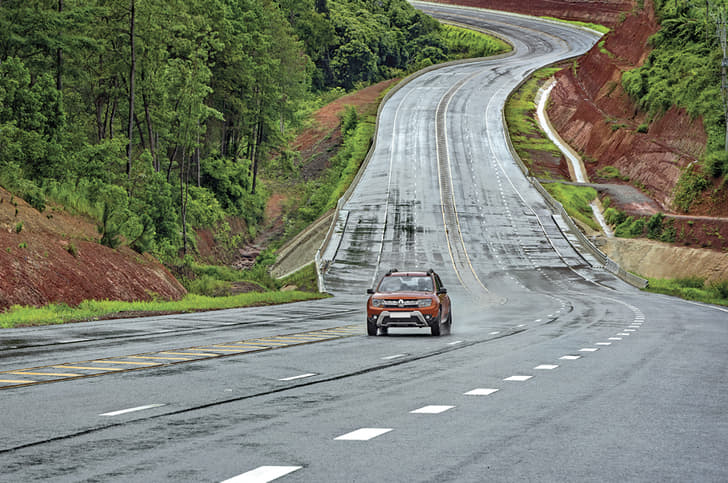


Here’s a fact. For every three new cars sold in India, there are about four used ones that exchange hands. As you can imagine, the used car market is thriving, and how. The reasons to consider going for a pre-owned car are centred around, but not limited to, how much financial sense they make. With new cars losing value literally the moment they roll out of the showroom, you can save big money by even going for a car that’s just a few months old. For others, the decision to go for a used car opens the doors to multiple options to suit a limited budget.
And with the used car sector becoming more organised – with banks offering loans and many retailers even offering warranties on the cars they sell – you can buy a pre-owned car with more confidence than ever before. That said, buying used still does not come with the same peace-of-mind of a new car. At times, you’ll have to swallow a brave pill before committing money to someone else’s, possibly abused, old car. It’s really to do with the fear of ending up with a lemon. Over the following pages, we’ve tried to allay some of the fears a used car buyer might have by listing out what they must look for in a prospective car.
1. WHOM SHOULD I BUY FROM?
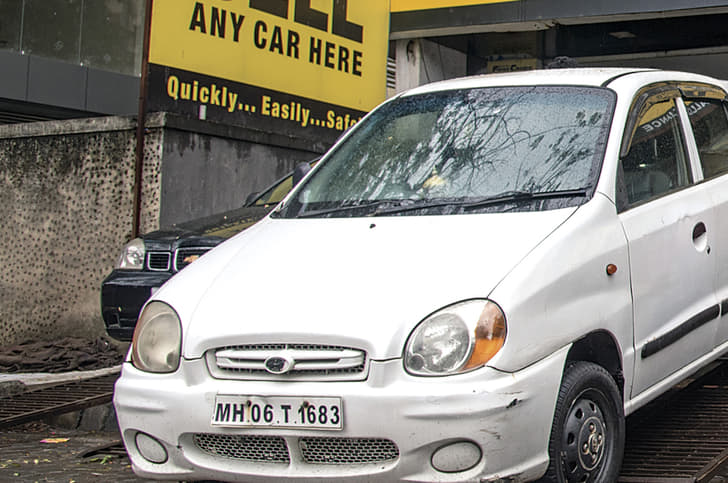
There are three main avenues for buying a used car in India – an individual, a used car broker and the franchised pre-owned dealer. The customer-to-customer model certainly seems to be the easiest choice if the seller is known to you. The fact that there’s no middleman involved to make a quick buck out of the transaction also gives you more leeway to fix a good price. Used car classifieds in newspapers, and websites are also a fast way of getting in touch with private sellers. But do not buy on face value itself, do all the checks necessary and be prepared to do a little bit of running about for the vehicle transfer.
Small-scale used car brokers are the other option to search for cars. While such dealers may have the car you want in ready stock, and are happy to close a deal fast, be sure to thoroughly check all details before signing any papers. Dealers and brokers are known to act high-handed once a deal is done. And they seldom entertain any comebacks. Also, be sure to bargain because the quoted price has some room for negotiation.
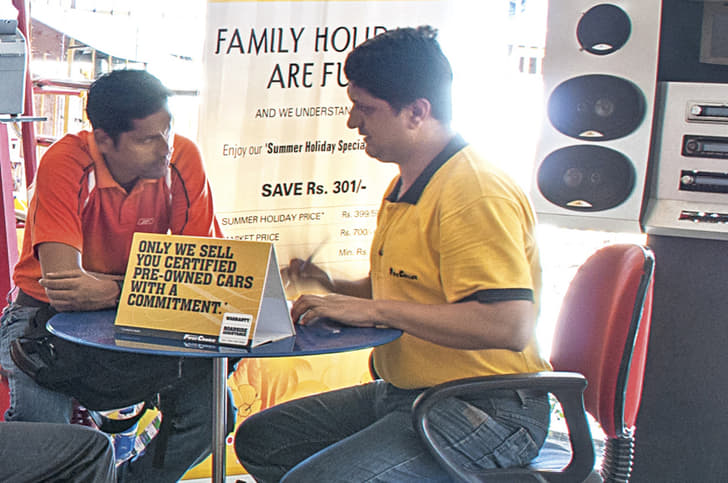
The organised used car sector, with players like Maruti Suzuki True Value and Mahindra First Choice to name some, is the costliest option for a used car. But the premium price also buys you peace of mind with regards to the condition of the vehicles. The cars are professionally inspected before being put on sale, and most retailers also add benefits like service packages and warranties. The transparent paperwork and buying experience also make this largely a fuss-free transaction. Prices at such retailers are often said to be fixed but you can bargain for sure.
2. WHAT SHOULD MY HOMEWORK COMPRISE OF?
First up, be sure if the car you are eyeing is suited to your needs and offers a hassle-free ownership experience. Read reviews of the car and try to speak to a couple of existing owners to get an idea of running costs, the typical problems associated with it and the price of spares and maintenance.
After you have finalised on the choice of car, do some homework before setting out on your search and beginning negotiation. Find out about the going rates of the vehicle you are interested in. Prices vary according to the year of manufacture, variant, vehicle condition and even colour. Also, familiarise yourself with the features of the car and variant; this will be helpful in spotting things that may be missing on the car. All the information will put you on firmer ground while buying.
3. WHAT ABOUT MY BUDGET?
Make up your mind on the amount of money you want to spend, including the room for stretching it. When shopping, it is very easy to get tempted by an enthusiastic salesperson into buying above your means for the sake of a larger car or more features. So, it’s up to you to be vigilant and remain grounded during the purchase. If finance is what you are looking at, then be aware that interest rates for used car loans are usually higher than those for new cars and as a result you might pay a lot more than the sticker price. If finance is a must then opt for short-term loans with lower interest rates. Check with your regular bank for loan options. Facilities like an overdraft on your fixed deposit could work out to be cheaper options.
4. SHOULD I TRUST THESE GUYS?
Sales personnel and brokers are usually smooth operators who are trained to sweet-talk buyers into making purchases they may not be in the market for. With sales commissions at stake, they usually go all out in convincing customers to part with their money. So, take everything thrown at you with a pinch of salt, what they say, how they say it, facial expressions and even the tone of voice. For example, they might steer a customer towards a lemon (a model that’s not selling), paint a rosy picture of its virtues and offer higher discounts, without mentioning any of its drawbacks. Filter the facts from the fluff coming your way and argue on any point you feel is a false claim; this is where your homework comes into good use. Pay for a car’s worth and do not be swayed with freebies like a full tank of fuel or car polish coupons.
5. WHAT'S THE CONDITION OF THE CAR?
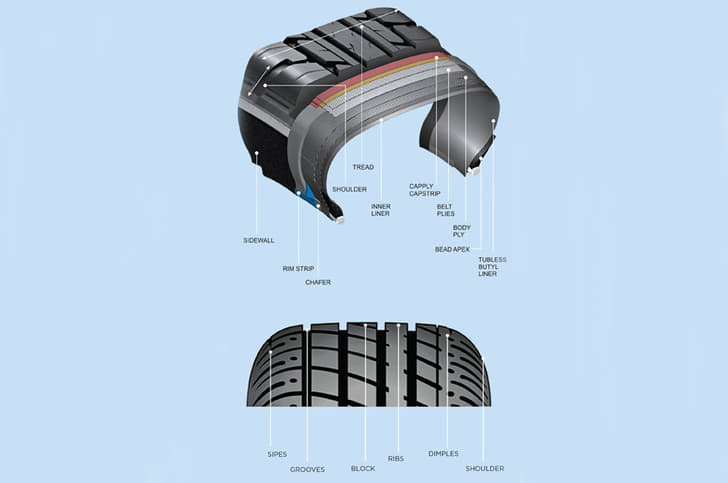
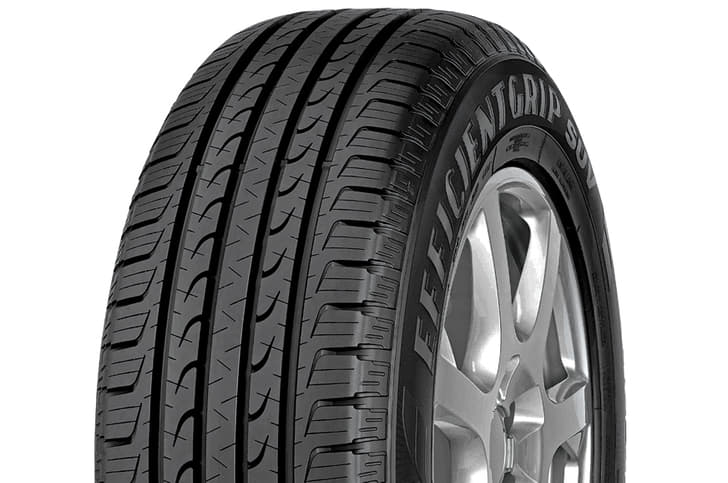
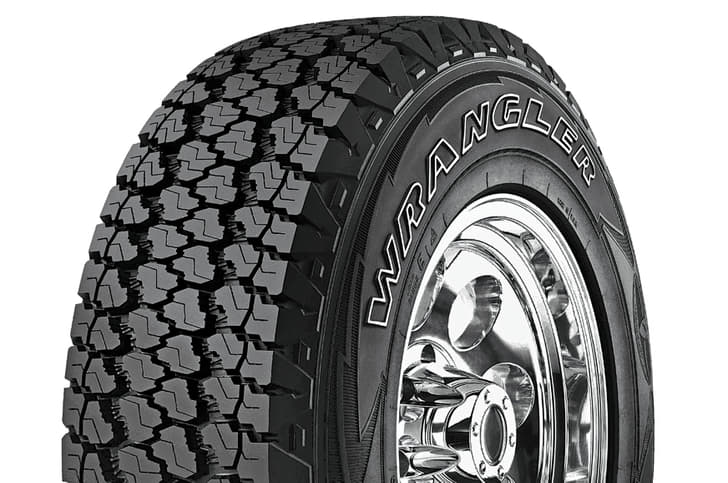
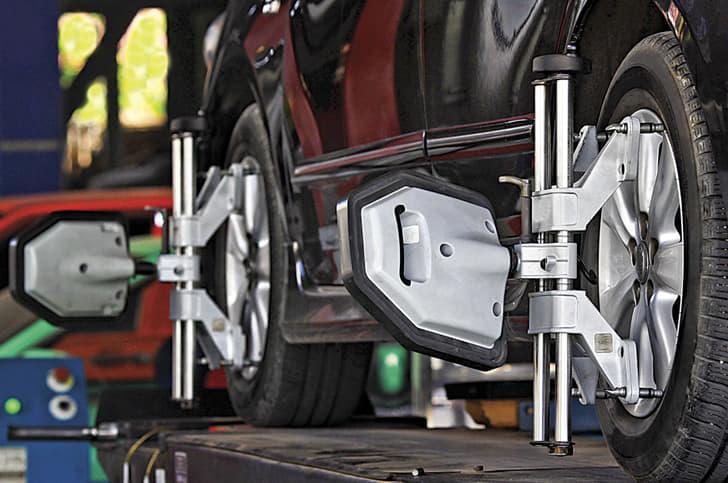
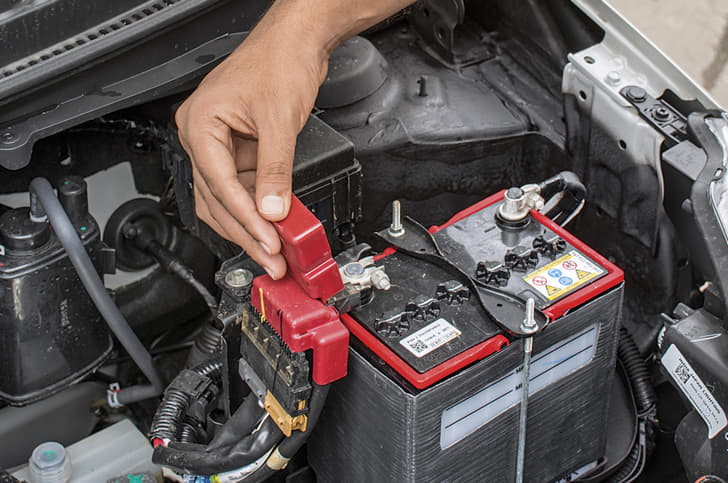
This can be a bit tricky as you are buying a singular piece of used machinery rather than a brand-new car. And while the outer façade may look clean and fetching, what’s underneath is what needs a thorough look. Make an assessment of the car yourself. This is also recommended at organised used car showrooms that already have a certification mechanism in place. A good idea would be to take along a friend or a mechanic who knows a thing or two about cars. Insist on the service history and make a detailed study to check for major repairs done, recurring problems, etc. Do a visual inspection of the exteriors to check for any tell-tale signs of an accident; for example, dents, repainting and scratches on the body surface may suggest that the car has been in an accident before. Raise it on a lift and check for any underbody and suspension damage. Also, check condition of tyres for uneven wear, as replacing tyres can be expensive. For the interiors, check the condition of the roof liner, signs of rust perforation, the seat and its mechanisms, all electricals and lights, air conditioning, signs of airbag deployment, etc.
Insist on driving the car and check for any oddities, and also ask the expert at hand for a thorough opinion. At the end, if you feel that there could be a problem with the car, point out the same to the seller and see if there is any impact on the price. Also, if you are not fully satisfied with the car, please feel free to end the negotiation. Be patient, it’s not the end of the world, there’s a good chance that there is another vehicle out there that fits your bill better.
6. HOW OLD A CAR SHOULD I BUY?
Prices of new cars tend to drop sharply after the first three years of ownership and, post that, values tend to plateau. This is a good sweet spot to find a used buy. Generally speaking a two- to three-year-old buy would have seen its major chunk of depreciation but will be in relatively good condition if used well. Also, if a warranty or extended warranty is still prevailing then it could help keep repair bills down in case of faulty parts. Keep a cautious eye on the condition of models that have racked up a high mileage as they could have been subjected to greater levels of wear and tear. As a general rule, it’s best to stay away from cars that are above five years of age as chances are high that they may need repairs. Also, steer clear from brands which have been discontinued in the market as spares can be elusive and expensive. Again, it helps to know about the big expenses that occur in a car’s life cycle. If a car is approaching a major engine or gearbox overhaul, you’d be looking at a big expense in the near future.
7. HOW DO YOU BARGAIN WITH THESE GUYS?
Remember, you are the customer at the end of the day and the customer is king. Do not hold back while bargaining, be stubborn, stick to the price you feel the product is worth and give a sound reasoning for it. Listen to the counters thrown back at you. These could be ‘obvious’ logic, emotional pleas, angry reactions, tales of loss, etc., but do not give in. Remember, it is a normal tactic. If you have to drop the expected price, do so only marginally and say that you want to seal the deal right away. If they hesitate, give them your card and walk away. It’s likely that you will get a call back sooner or later. At a used car dealer or broker, the longer a car is on the lot, the longer their money is blocked. So, if they lose some money over here, they’ll make it up on another car elsewhere. Stand firm and don’t be swayed by emotions. So, keep calm, and go in for the kill. It’s all part of the game.
8. WHAT ABOUT THE PAPERWORK?
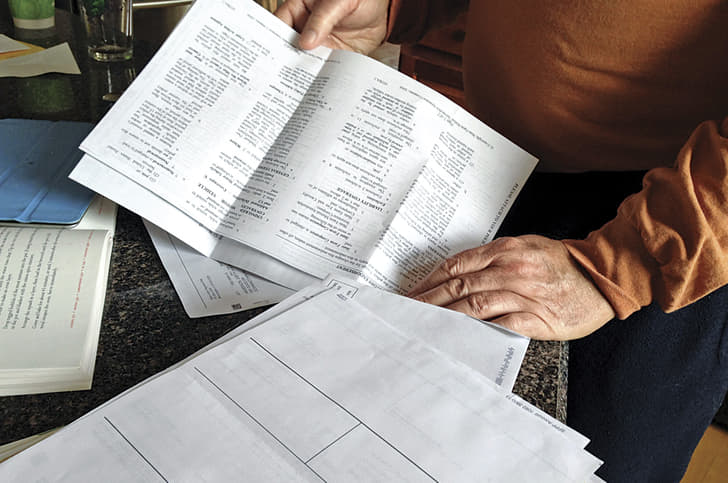
Making sure that the car’s paperwork is in order is a task as important as checking the vehicle’s condition itself. Important documentation includes the registration certificate, vehicle insurance papers, original purchase invoice, road tax receipt, pollution certificate, and form 35 if the car was financed, along with a copy of the NOC from the financing company. Keep in mind that any change in the vehicle, like engine replacement or a new body colour, has to be updated in the registration certificate as well. Also, make sure that there is no accident history associated with the vehicle.
If the stated documents are not in order, you could run into trouble with the registration authority during the transfer of ownership. Apart from these, the owner’s manual and warranty details
of the vehicle or any accessory installed are helpful to have.
Buying a used car can seem like a tall order. But if you do your homework and follow the above steps diligently then it’s likely that you’ll be rewarded with a good vehicle that suits your needs and budget.

 Uday Singh
 Glenn Noronha
 Dipan Sur