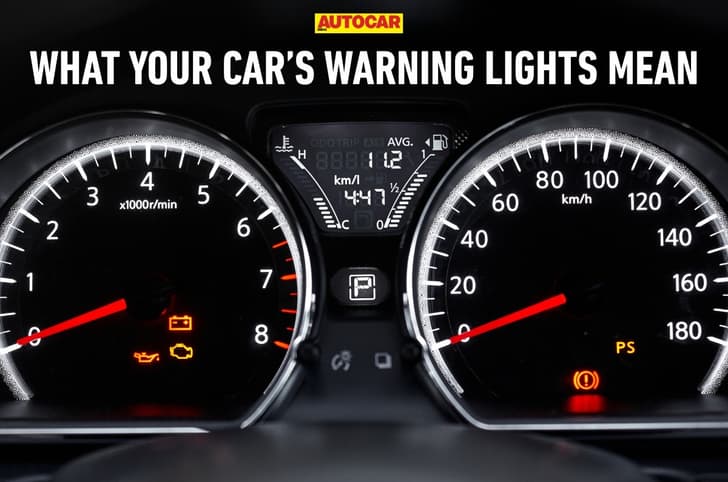
You’ve likely seen tiny warning icons light up briefly in a car’s instrument cluster before turning the ignition on, but even if any one remains lit up after the engine starts, it signals a problem. It could be an overheating engine, an electrical problem, or something else. Some look straightforward, while others can throw you off.
In this feature, we’ve broken down 12 important car warning lights so you know exactly what each one is trying to tell you. Do note that the graphics pictured below can vary slightly from one automobile manufacturer to another, but their meaning remains the same.
1. Check engine
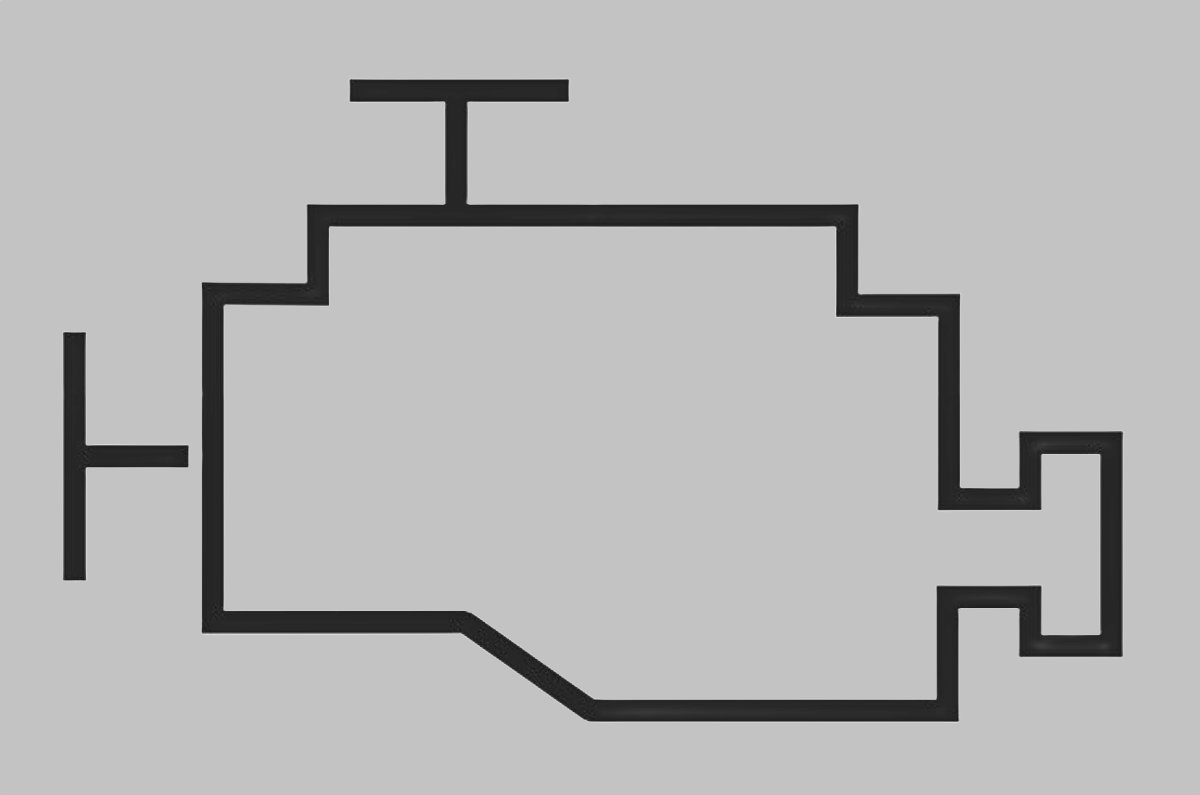
The check-engine light is one of the most recognisable warnings yet also among the least specific. It can point to anything wrong related to the engine or emissions system, or a faulty sensor. At times, something as small as a loose fuel cap could also cause the light to glow. An on-board diagnostic (OBD) scan can help pinpoint the problem quickly.
2. Low oil pressure
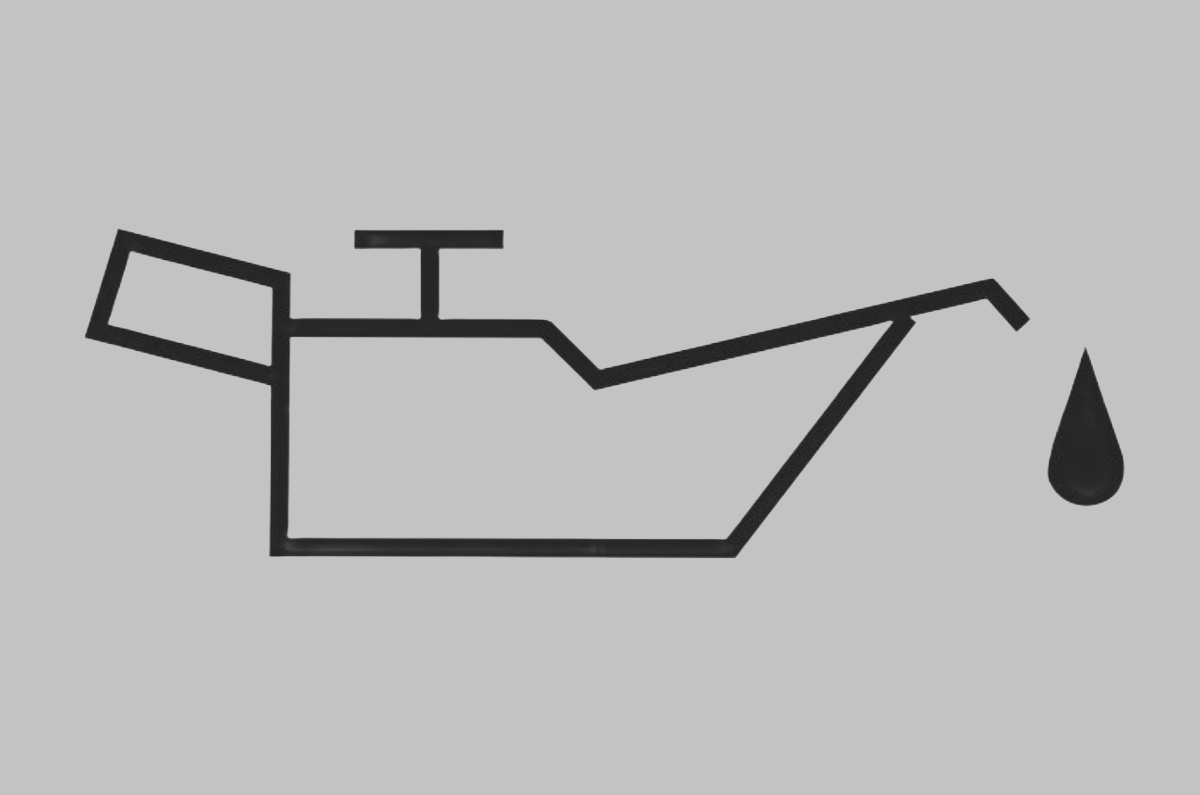
This can mean something simple, like the engine needing more oil, while it can also point to a leak or worn-out parts. Check the engine oil dipstick – if the reading is low and topping it up clears the light, you are fine. But if the light stays on or comes back on soon after, get it looked at immediately.
3. High coolant temperature
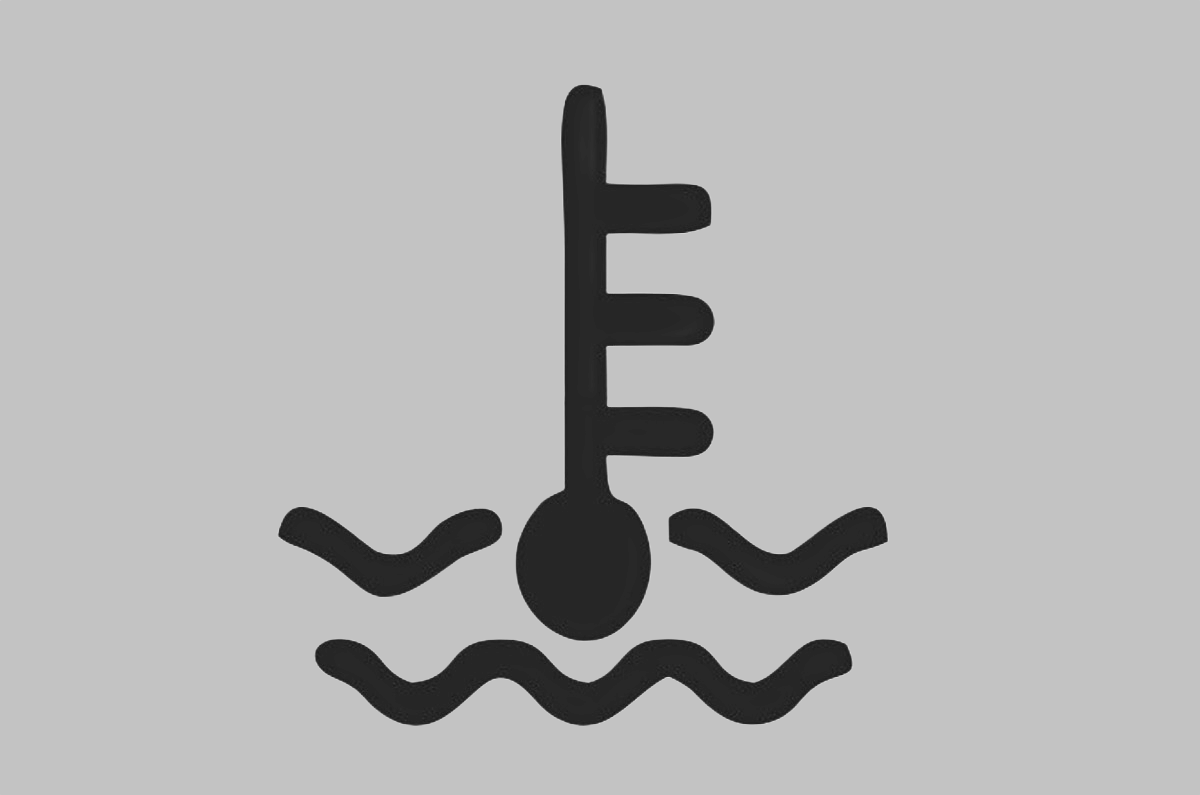
The high coolant temperature icon indicates that the engine is overheating. That can happen due to factors such as a low coolant level, water pump failure, hose leak or even radiator damage. Like a flashing check-engine light, an overheating engine isn’t something you should drive through.
4. Traction control
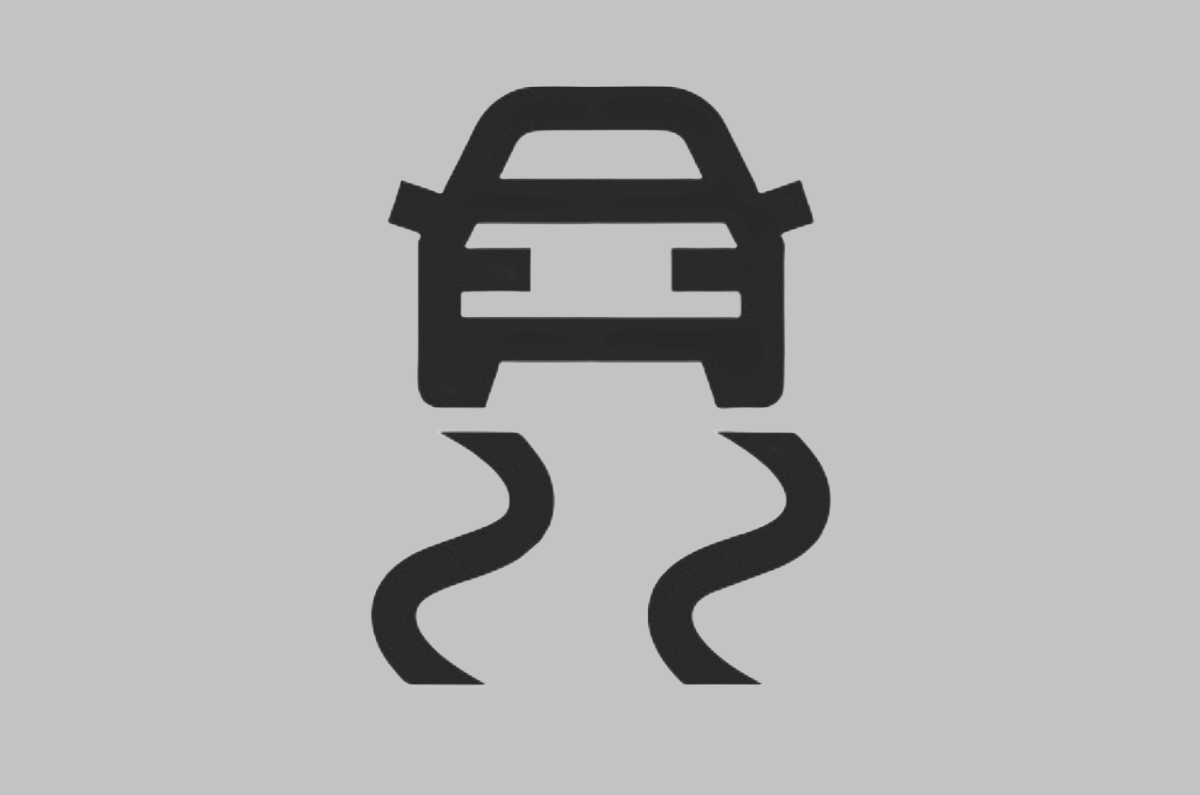
This light comes on when your vehicle’s traction control system (TCS) becomes active and goes off when there is no loss of grip. You may see it light up when driving on slippery surfaces in rain and snow. But if the light stays on during normal driving, the system might be malfunctioning. It could be caused by a bad sensor, sometimes just clogged with dust or debris.
5. Automatic start-stop

If the engine shuts off when you stop and this icon flashes, especially in bumper-to-bumper traffic, it means the start-stop system is working to save fuel. In a manual, pressing the clutch usually restarts the engine, and shifting into drive mode in an automatic should do it. But if the engine doesn’t come back on, something might be off, and it is better to get professional help.
6. Parking brake/ low brake fluid level

If this comes on, the vehicle may not stop as quickly or as smoothly as it should. Sometimes it’s something simple – you might have started driving with the parking brake still on, which will trigger the warning. But it can also point to a low brake fluid level, which is relatively more serious. Either way, the brakes need to be checked right away.
7. Tyre pressure monitoring system (TPMS)
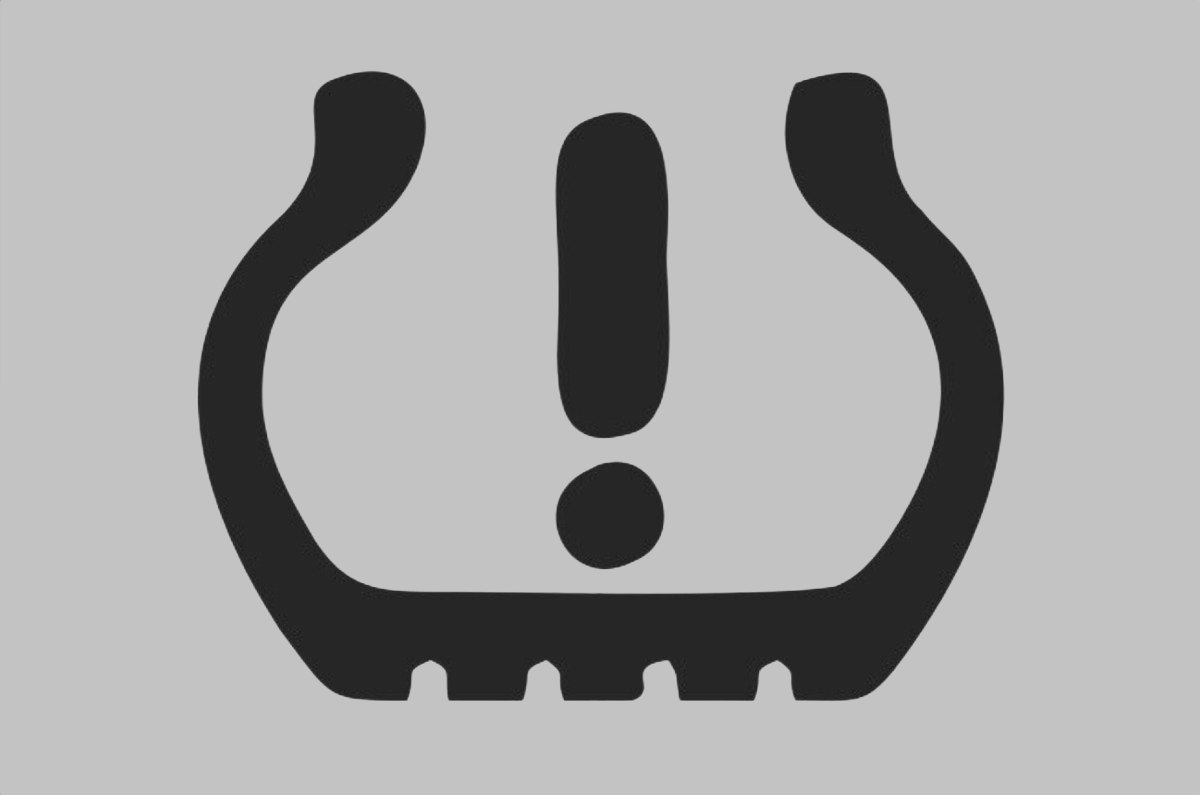
It may slightly resemble the parking brake light, but the distinct open circle with tyre tread-like markings at the bottom means that it’s the tyre-pressure warning. It comes on when a tyre is under- or overinflated, and most modern cars show the exact pressure for each tyre. If the air pressure in even one tyre is much lower than the others, stop and refill it to the recommended pressure. After a short drive, the light should switch off. If it doesn’t, the tyre may be damaged or leaking.
8. Immobiliser
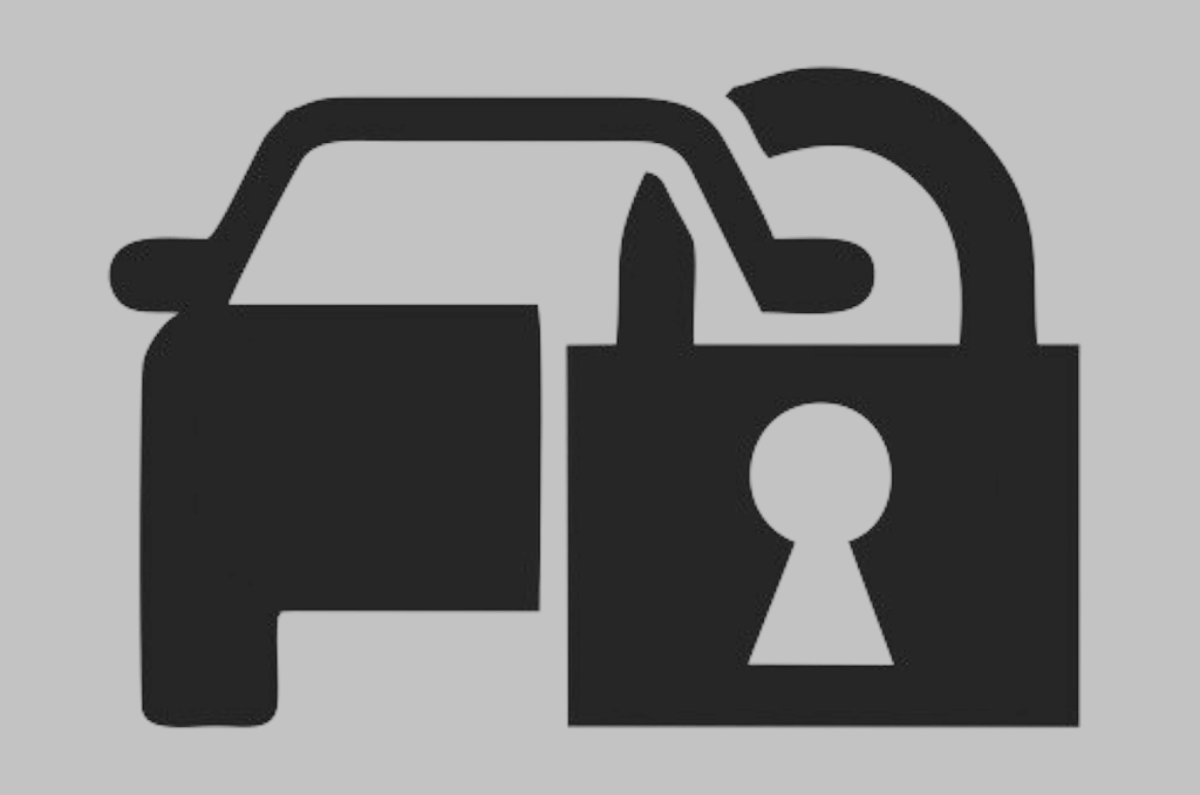
Not to be mistaken for a locked car, it’s a warning you’ll mostly see on cars with remote keys, and the engine won’t start if the system cannot detect yours. If you have the right key and the car still will not start, the key fob’s battery level might be low. Check the owner’s manual as well, as many vehicles have a specific spot where you can place the key so the system can read it.
9. Diesel particulate filter (DPF)

Most modern diesel cars have a diesel particulate filter (DPF) that traps harmful soot from the exhaust. A faulty DPF can cause the vehicle to emit black smoke when you accelerate. To keep it running well, it is a good idea to drive the car for longer periods so the soot buildup is burnt off.
10. Power steering

If this light comes on, there is an issue with the power steering, and the wheel could become much more difficult to turn. It can be caused by a broken drive belt or faults in the electronics, sensors or wiring. It is safest not to drive the car until the problem is fixed.
11. Water in fuel
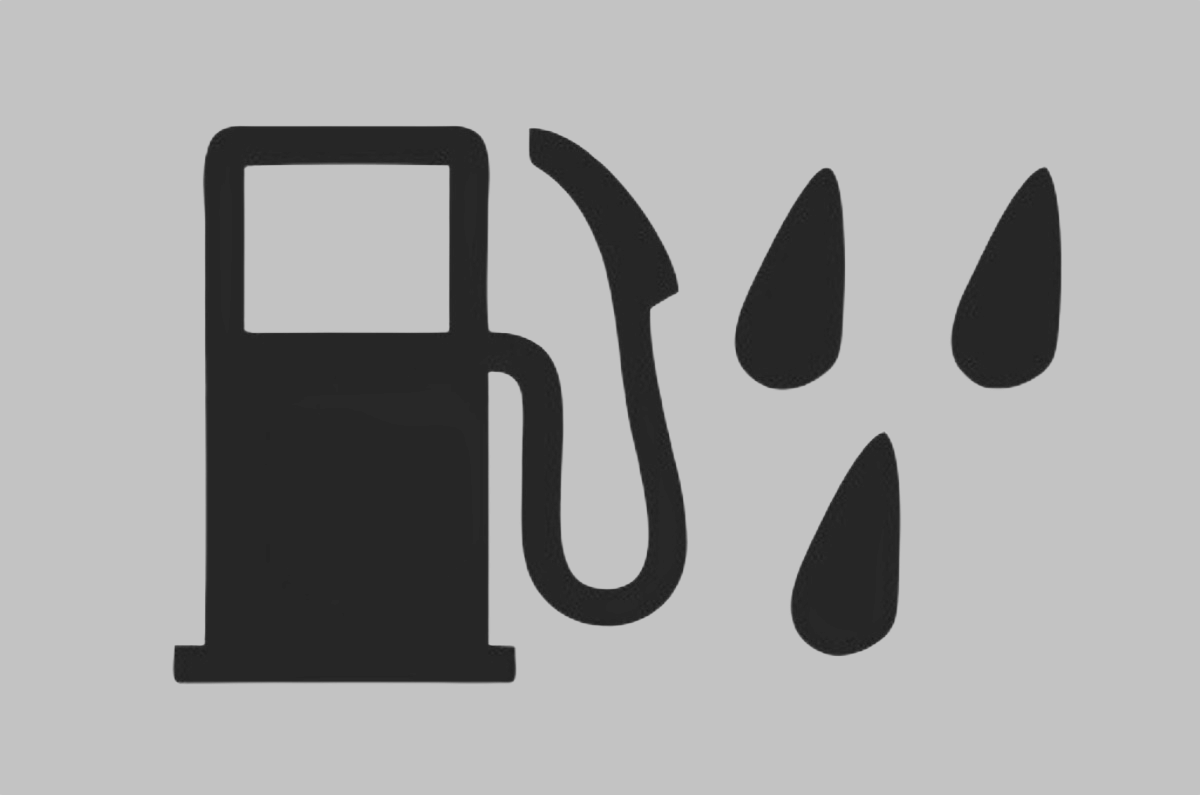
This warning light comes on in diesel cars when too much water has collected in the fuel-water separator, which is usually built into the main fuel filter. It’s normal for the light to blink on when you turn the ignition on, but if it stays on, the filter needs to be drained. Not draining it in time can allow water to reach the fuel system, causing serious damage.
12. Engine pre-heat

This light comes on in diesel cars because they use an engine-warming system before starting. If the pre-heat or glow plug light stays on briefly when you switch the ignition on, it just means the engine is heating up. Once it reaches the right temperature, the light goes off, and you can start the car. If the light flashes or stays on longer than usual, there’s likely a problem with the heating system.




 Glenn Noronha
 Dipan Sur