
Autocar India
SD

Sanket Dhamne

7w

Can you help me buy a new car? My budget is Rs. 24-25 lakh, and if I have to choose between Kia Seltos, Tata Sierra, and MG Hector, which one should I opt for? I prefer the top-end automatic model. Should I go for a petrol engine or a diesel?

Autocar India team

Autocar India

Verified
7w
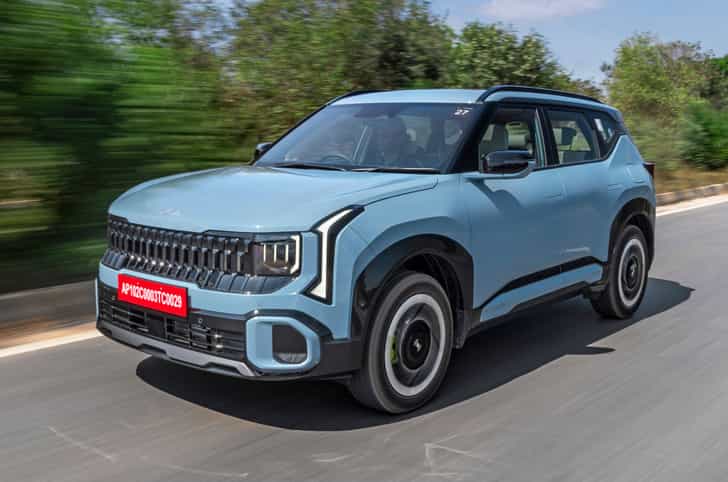
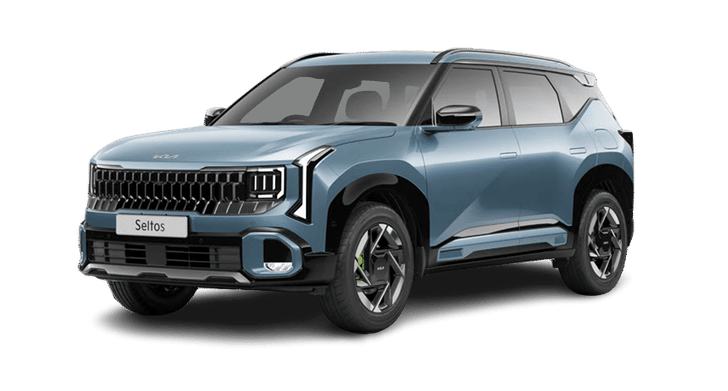
If you want peace of mind, ownership, and a well-rounded package, the Kia Seltos is the easiest recommendation. Regardless of which engine you choose, it delivers a satisfying experience. The 1.5 turbo petrol is great if you enjoy strong performance, especially on highways. The 1.5 naturally aspirated petrol with the CVT automatic is smooth and relaxed, making it ideal for city driving. And if you have high running, particularly on highways, the diesel option is refined and efficient. On top of all this, the Seltos feels premium inside, offers good space and comfort for four adults and is very competitively priced.
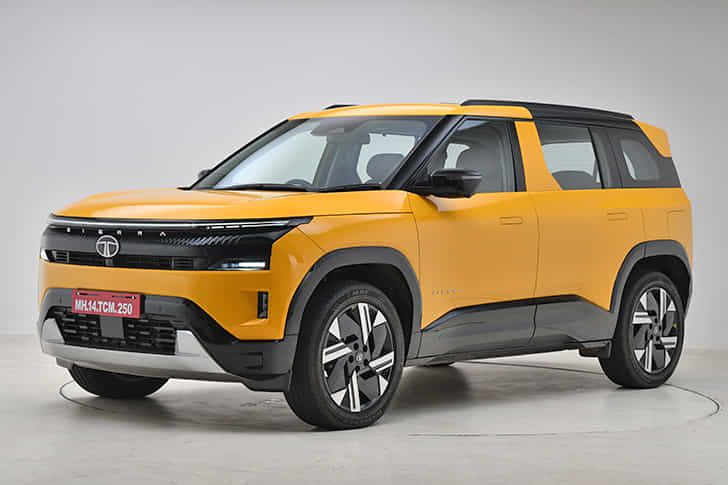
If you are considering the Tata Sierra, the turbo-petrol would be the better engine choice. It is refined, punchy and enjoyable to drive. The diesel also performs well but is not as refined as the Kia diesel unit, while the naturally aspirated petrol can feel underpowered, particularly in fast moving traffic or on highways.
In terms of space, the Sierra actually has an advantage over the Seltos. Its wider body gives it a more comfortable five-seat layout, and the seats and suspension make it a good long distance cruiser.
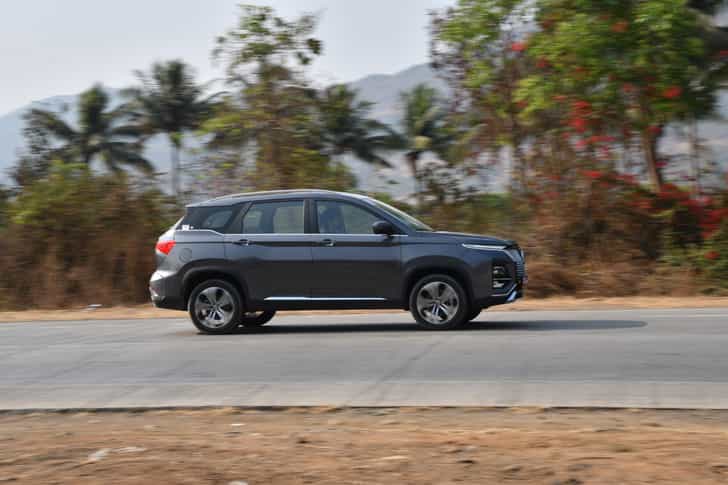
The MG Hector still offers excellent value, especially after the recent update that added more features and competitive pricing. It offers a phenomenal rear seat space and comfort, which makes it a good choice if the car will often be chauffeur-driven. However, it is not as engaging to drive as the Seltos or the Sierra.
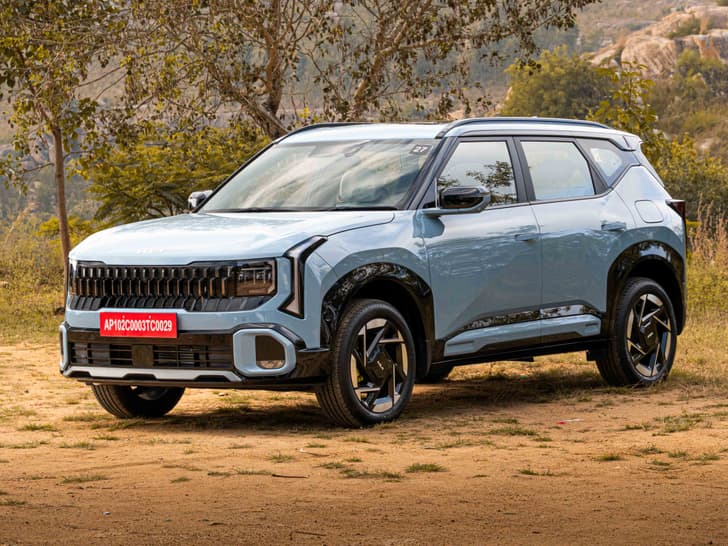
Kia Seltos

Kia Seltos

SS

Suraj Singh Thakur

7w

What are option I have with 15lac budget in mid size SUV?

More questions on similar cars

NI

Nitesh

2d

I’m planning to buy a new car, and I’m currently confused between the Mahindra XUV 3XO AX5 (Petrol Manual), Hyundai Venue HX5 Turbo Petrol, and Kia Seltos 2026 base petrol variant. My usage: 60% city, 25% highway, 15% mountains (3 trips every year). Other requirements: annual running: ~8,000–10,000 km, primary use: family car, but I do enjoy driving occasionally, good ground clearance is important (roads in my hometown in the mountains are quite bad). I am planning to keep the car for 10+ years. Budget: ₹12 lakh (can stretch to ₹13 lakh if it’s truly worth it). My question is: Which of these would be the best fit for my usage? Is it worth stretching for the Seltos base model over the other two? Are there better alternatives in this budget that I should consider? Would really appreciate your suggestions. Thanks in advance!

Autocar India team

Autocar India

Verified
1d

With mostly city use, a few highway runs, and some mountain trips on broken roads, the Mahindra XUV 3XO AX5 petrol manual fits your brief best. It rides tough over bad patches, has good ground clearance, and its turbo petrol pulls well at low speeds, which helps on steep hill sections and in slow city traffic. It is also one of the nicer cars to drive in this price range, so when you want to enjoy a winding road, it will put a smile on your face, and the AX5 gives you a good mix of safety and comfort features without blowing the budget.Two trade-offs to note. If you often carry a full load of luggage, the boot is not very large, and at low speeds, the steering is not as light as most other SUVs in the class. Is it worth stretching to the base Seltos? Only if you really need the extra space. The base Kia Seltos skimps on features, and its non-turbo petrol will feel weaker on mountain climbs with a full family. Also check on-road pricing in your city, as it may push past Rs 13 lakh.The Hyundai Venue HX5 Turbo Petrol is also a good option and a great all-rounder, with a bigger boot, but given your needs, the better-riding, more enjoyable to drive XUV will suit you better. If you want another option to check out, look at the Maruti Suzuki Brezza, which is unexciting but offers hassle-free long-term ownership.

VehicleMahindra XUV 3XO
VehicleHyundai Venue
VehicleKia Seltos
VehicleMaruti Suzuki Brezza
TK

Tarun Kumar

4d

Hi, I booked the new Seltos HTK (O) IVT variant last week. However, today the official ARAI mileage figures were released, and they show that the DCT has higher mileage than the IVT. How is that possible? The showroom salesperson had told me that the IVT would give around 11kpl in city driving, while the DCT would give around 6-7kpl. My usage is 95% city driving, with around 15 km daily running, so I do not really need the extra power. My question is: should I switch my booking to the DCT variant if the test results are so good? I do not mind spending ₹70-80k more for those 5% drives on the highways if the city mileage is similar. If real-world mileage is the same, I would prefer the DCT. I am not sure how to interpret these mileage numbers, so I would appreciate your guidance.

Autocar India team

Autocar India

Verified
2d

Stick with the Kia Seltos IVT. It is still the better choice for your usage, and those ARAI numbers do not reflect real-world city driving.The key point is how these gearboxes behave in traffic. The IVT is tuned for smooth, steady driving and low-speed efficiency, which is exactly what your 95% city usage demands. It keeps the engine relaxed, avoids unnecessary revs and delivers consistent mileage in stop-and-go conditions. The DCT, on the other hand, is designed for performance. Even though the official numbers may look better, in real-world city traffic, it tends to run hotter, shift more frequently and can drop efficiency, especially in slow-moving conditions.This is where your salesman’s input was directionally correct. In dense city use, the IVT will usually return better and more consistent mileage, while the DCT can dip significantly if you are crawling or constantly accelerating and braking.Also, turbo-petrol engines like the one paired with the DCT are very sensitive to accelerator inputs. Drive gently, and they can be efficient, but even slightly aggressive inputs cause the turbo to spool up, fuel consumption rises quickly and mileage drops. In daily city driving, it is hard to maintain that discipline all the time.Compared to the IVT, the DCT will feel quicker and more responsive, especially on highways, and is more enjoyable to drive when you push it. But that advantage matters only for your occasional highway runs, not your everyday usage.

VehicleKia Seltos
PS

prasad shiraskar

4d

I’m planning to buy the new Kia Seltos 2026, but I’m confused between the petrol NA IVT and the turbo petrol DCT options. My usage will mainly be office commute in Navi Mumbai, around 900-1200 km per month, and city driving. So good mileage and ease of driving in traffic are important, but at the same time, I don’t want the car to feel underpowered or sluggish. Please suggest to me which variant would suit my needs, or if there's any other car in the same segment.

Autocar India team

Autocar India

Verified
2d

For mostly city runs in Navi Mumbai and 900-1200 km a month, the Kia Seltos 1.5 petrol with the IVT automatic fits your needs better than the 1.5 turbo with the DCT. The IVT is a type of automatic that prioritises smoothness, so it feels calm in stop-and-go traffic and usually uses less fuel in the city than the turbo DCT. It also edges forward smoothly at low speed, which makes bumper-to-bumper driving less tiring.In the city, using 1.5 petrol does not feel slow. It keeps up with traffic and climbs flyovers without stress. The steering is light, and the power delivery is smooth, so daily commuting is simple. The turbo DCT will feel quicker if you often need sudden bursts, but in heavy traffic, the DCT can feel a bit hesitant and clunky at crawling speeds, can run hotter in long jams, and will likely use more fuel in the city.The trade-off with the IVT is that when you press hard for a quick overtake, the engine gets loud and the pull is steady rather than instant. If you do frequent fast highway trips with a full load, the turbo will feel stronger. That said, the 115hp, 1.5-litre engine feels more than adequate and not underpowered. Overall, for your daily office run and focus on ease and mileage, pick the Seltos 1.5 IVT.

VehicleKia Seltos

Popular discussions right now

RO

Rohin

2w

I am confused about buying the AMT version of the Skoda Kylaq, Tata Nexon, or Maruti Fronx. My budget is between 11 and 13 lakh. My usage is mostly city driving of about 1,000 km per month, with occasional long highway drives.

Autocar India team

Autocar India

Verified
6d

Between the three, the Skoda Kylaq is the best automatic for the money. It doesn’t use an AMT but a proper 6‑speed torque-converter with the 1.0 TSI, which is smooth, robust and easily the nicest for your occasional highway runs.The Maruti Suzuki Fronx 1.0 turbo also gets the same 6‑speed torque-converter auto, and while it is refined and efficient, it doesn’t have the same solid, European feel or driving dynamics as the Kylaq. However, from an overall cost-of-ownership point of view - price, fuel efficiency and service, the Fronx is likely to work out cheaper.The Tata Nexon in your budget doesn’t get a torque-converter. You mainly have a 6‑speed AMT, which is convenient but nowhere near as smooth or quick as a proper automatic. There is also a 7‑speed DCA dual‑clutch option, which is noticeably better than the AMT, but still not as seamless as the autos in the Kylaq and Fronx, and it can push the price higher.For 11-13 lakh, 1,000km a month in the city and the odd long drive, we would pick the Kylaq auto. If budget discipline and running costs are top priority, go for the Fronx 1.0 turbo automatic.

VehicleSkoda Kylaq
VehicleMaruti Suzuki Fronx
VehicleTata Nexon
YA

Yash

1w

I am confused between the 7XO and Safari. I took the test drive of both and loved the rugged suspension setup of the Safari, but I also liked the easy driving nature and dynamics of the 7XO.

Autocar India team

Autocar India

Verified
3d

Between the two, the Tata Safari does a great job of projecting toughness. It feels solid, has that reassuring heft, and its suspension setup really shines on broken roads and you can carry speed with confidence and it just shrugs off rough patches.That said, the Mahindra XUV 7XO is the more rounded package overall. Its 2.2-litre diesel is not just more modern, but also noticeably smoother and stronger than the older Fiat-sourced 2.0-litre unit in the Safari. It delivers better drivability in everyday conditions, which makes a difference in city use as well as on the highway.Mahindra car has also worked well on the suspension, and the improvements show. The 7XO feels more composed, offers better ride comfort over a wider range of surfaces, and is simply easier to drive. It has lighter controls, better balance, and a more user-friendly nature overall.Where the Safari still holds an edge is in the third row. It’s more usable and accommodating, whereas the 7XO’s last row is quite tight and best reserved for occasional use.So unless third-row space is a priority, the 7XO stands out as the better all-rounder. It’s more refined, easier to live with, and ultimately the more modern SUV.

VehicleTata Safari
VehicleMahindra XUV 7XO
SU

sudip

6d

I am planning to buy either the Tata Sierra or the Kia Seltos turbo-petrol automatic. My usage will be 90% in Bengaluru city traffic, with occasional highway drives. Hence, I am not sure if the Seltos DCT gearbox would become problematic after a few years due to heavy traffic. Would the Sierra’s torque converter be more reliable and a better choice in these conditions?

Autocar India team

Autocar India

Verified
6d

Go for the Tata Sierra torque converter. The key difference lies in how these gearboxes behave in the real-world conditions. The Seltos turbo-petrol DCT is quick and exciting, but in slow, crawling traffic, it can feel hesitant and slightly jerky, as it constantly works the clutch. This is not ideal for long-term ease in heavy city conditions. The Sierra’s torque converter is the opposite. This Tata car is smoother at low speeds, more forgiving in stop-go traffic, and generally better suited to this kind of usage, making daily driving far less tiring.There is a trade-off, though. Torque converter automatics are typically less fuel efficient than DCTs, and in a large, heavy car like the Sierra, you will notice this in real-world mileage. So, you are essentially choosing smoothness and durability over outright efficiency.

VehicleTata Sierra
VehicleKia Seltos

Posted on: 5 Mar 2026