Autocar India
NA

Naveen

5w

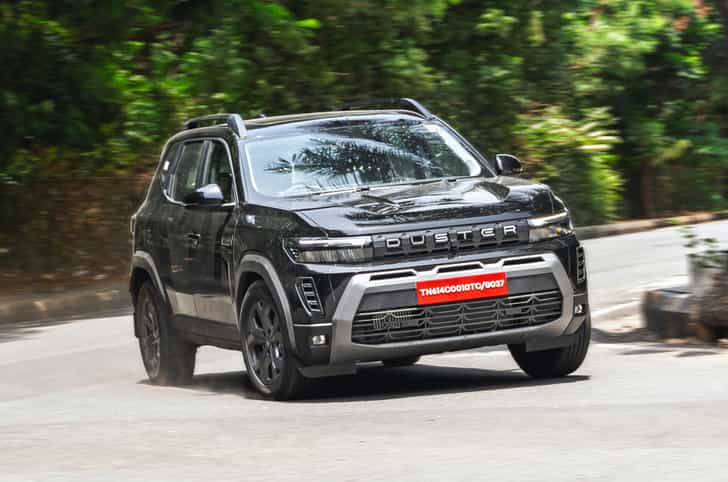
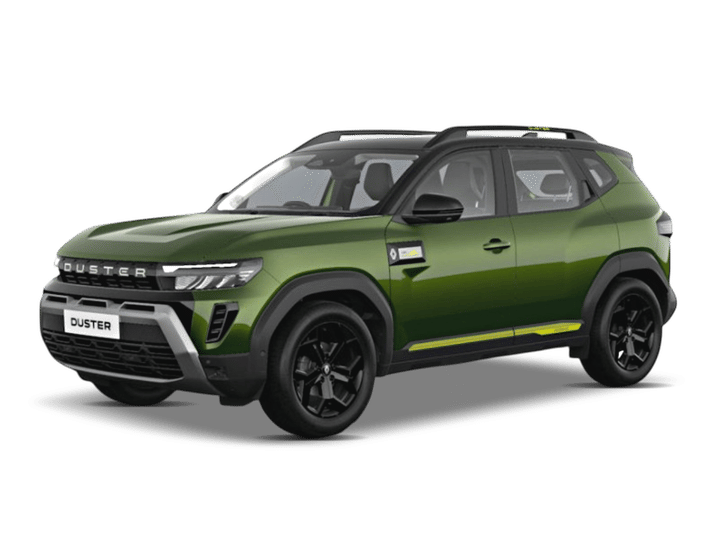
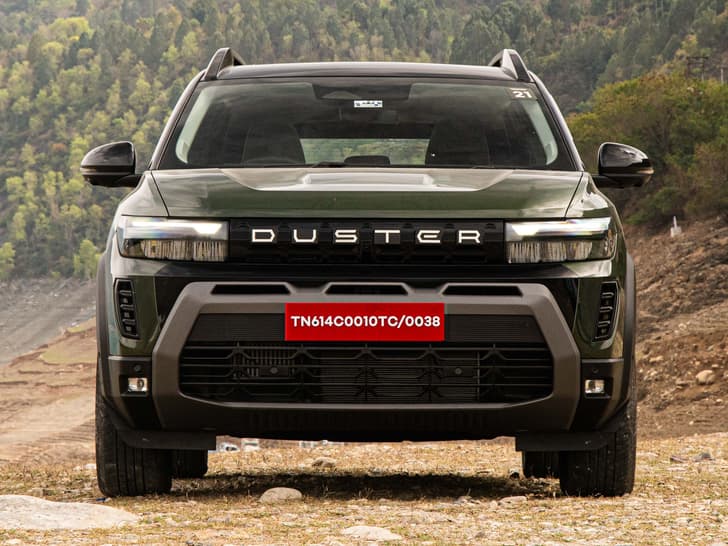
I am slightly confused between the 2026 Duster Evolution petrol manual models with the 1.0-litre TCe 100 and the 1.3-litre TCe 160 engines. The 1.3-litre model costs about ₹1.4 lakh more than the 1.0-litre model. Is it worth buying, considering budget constraints? Will the mileage of the 1.0-litre be slightly better than the 1.3-litre? Will the 1.0-litre turbo have sufficient power to pull the heavier body of the 2026 Duster? My usage will mostly be on plain terrain with occasional hilly drives. Please suggest the more economical and fuel-efficient option.

Autocar India team

Autocar India

Verified
4w
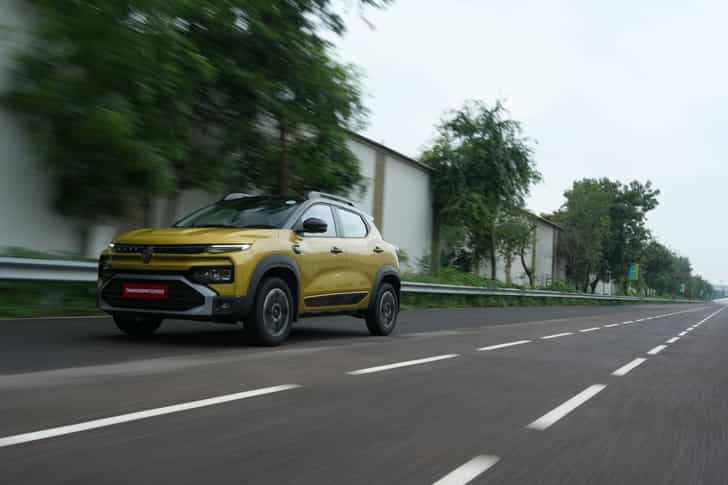
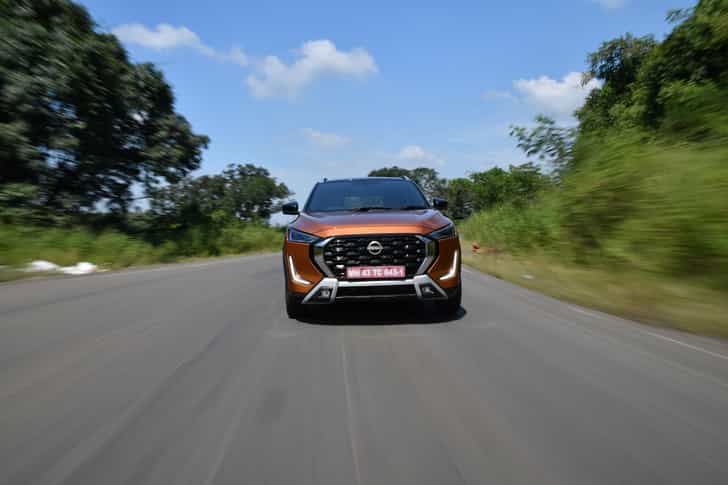
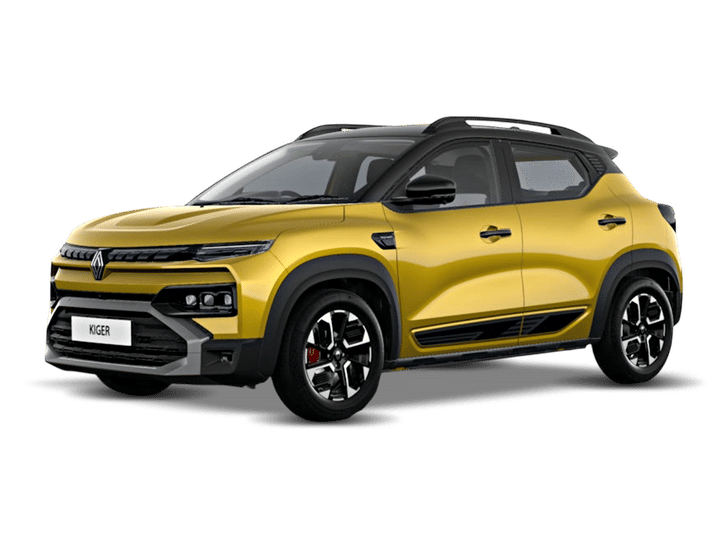
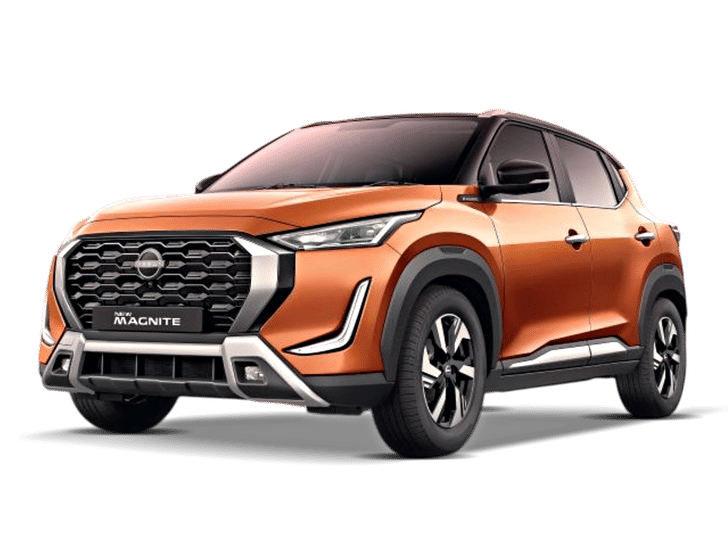
One important point up front: we haven’t yet driven the 1.0-litre engine in the Renault Duster itself, but we have experienced this engine in the Renault Kiger and Nissan Magnite, where it feels more than adequate in both city and highway use. However, since the Duster is a larger and heavier car, it is unlikely to feel as effortless, especially under load or on inclines.
The 1.0 TCe 100 is the more economical option. For mostly city use and plain terrain, it will do the job and should be slightly more fuel efficient, which helps keep running costs in check.
The 1.3 TCe 160, however, is a big step up. It will offer much stronger pulling power, which you will clearly feel with a full load, on highways and on hilly roads. It will make the car feel more effortless and relaxed to drive, with fewer gear changes and better overtaking ability.
If you want strong performance, better pulling power and a more relaxed drive, the 1.3 TCe 160 is worth the extra Rs 1.4 lakh.
Renault Duster

Renault Duster

More questions on similar cars

JD

Jaswin Dcosta

1d

I am planning to buy my first car with an on-road budget of around ₹12 lakh. I work as a seafarer and will be away for 6-7 months at a stretch, during which the car’s usage will be very low. My driving pattern will be around 70% city and 30% highway. I am currently considering the Skoda Kylaq, Nissan Magnite, and Maruti Brezza, all in automatic variants. Could you please suggest which would be the best option for my needs?

Autocar India team

Autocar India

Verified
1h

Go for the Maruti Suzuki Brezza automatic. Since you are going to be away for 6 to 7 months at a stretch and the car will see low running during that time, the Brezza makes the most sense because it is the easiest and most stress-free car to own long term, with proven reliability, fuss-free maintenance and a naturally aspirated petrol engine that generally handles irregular usage better than small turbo petrols. It also has a smooth torque converter automatic, a comfortable ride and enough space and practicality to work well as your first car for many years.The Skoda Kylaq is the most enjoyable to drive of the three and feels more solid and premium inside, while the turbo petrol engine gives it stronger performance and better highway manners. However, for your usage pattern with long idle periods, a simpler naturally aspirated setup like the Brezza feels like the safer long-term bet. The Nissan Magnite CVT turbo offers strong value for money and a good feature set, but overall, it does not feel as polished or premium as the other two.

VehicleMaruti Suzuki Brezza
VehicleSkoda Kylaq
VehicleNissan Magnite
PB

pravin bhosale

1d

I have bought a Nissan Magnite CVT turbo... I am facing an issue with the front tyre alignment. My garage person says there is a suspension problem, and the alignment cannot be done. The Nissan showroom has accepted the problem, but even after keeping the vehicle for 15 days, they couldn't provide a satisfactory result. The problem still persists, and there is still a minor issue in the alignment.

Autocar India team

Autocar India

Verified
2h

Since, the Nissan Magnite is still showing alignment issues even after suspension work and repeated visits to the dealership. You are right to push for a proper resolution rather than accept it as normal. A slight steering pull or uneven tyre wear on a relatively new car usually points towards either incomplete wheel alignment or suspension geometry issues. Also, in some cases, damage or tolerance issues with suspension or steering components. The positive here is that the Nissan dealership has acknowledged the problem, which is important, but if the issue persists after 15 days in the workshop. Then, you should ask for a more detailed technical inspection report and ensure that tyre condition, suspension parts, steering rack and wheel balancing are all being checked systematically rather than just repeated alignments.At the same time, since you mention the issue is now minor. But it is also worth understanding that modern cars can sometimes develop slight left or right drift depending on road camber and tyre wear patterns. So it is important to distinguish between a genuine fault and a small behavioural characteristic. The best way to judge this is by checking whether the car pulls consistently on a flat road and whether tyre wear is uneven over time.

VehicleNissan Magnite
BA

Balasubramanian

4d

I recently upgraded from a Skoda Rapid Diesel DSG to a Honda Elevate ZX CVT. I drive around 62 km daily in Mumbai (Navi Mumbai to Andheri) in bumper-to-bumper traffic. I like everything about the Elevate except its 40-litre fuel tank, due to which I need to refuel every 4-5 days, which is becoming frustrating. I am even considering changing my car by the end of the year to the Renault Duster (which is expected to have a larger 50-litre tank). I also need sufficient boot space. I understand the Duster may not offer a spare wheel (stepney), though space might be available to carry one. While the Duster Hybrid is tempting, the lack of boot space and a proper spare tyre could be deal-breakers, especially since I take occasional long drives to the South where a spare tyre feels essential. Given this situation, should I continue with the Elevate or consider switching? What would you suggest?

Autocar India team

Autocar India

Verified
3d

If you're looking to replace the Honda Elevate CVT with a Renault Duster, make sure you opt for the hybrid version. The Duster's 1.3-litre turbo-petrol-DCT combination isn't likely to deliver respectable fuel efficiency, especially in bumper-to-bumper traffic; hence, your fuel stops are likely to be as frequent, if not more so. A hybrid, on the other hand, will remain in EV mode while idling or at low speeds, which will significantly reduce fuel consumption. While Renault provides a puncture repair kit, a spare tyre will certainly come in hand in the event of a sidewall cut, which is a possibility on long drives and unfamiliar roads. Hence, you could purchase an extra tyre and place it in the boot, however that is likely to compromise luggage space.Alternatively, you could consider retaining your Honda Elevate. It is a very sensible, no-nonsense car. Also, keep in mind that because it isn't a popular model, resale value is likely to be on the lower side, hence you will have to add a fair bit from your pocket, to make the new purchase.

VehicleRenault Duster
VehicleHonda Elevate

Popular discussions right now
PS

Peasant Sampan

1w

Hello Autocar, I am planning to buy a sedan, with almost 90% city usage. Please suggest a suitable option. Also, is it true that for my usage, naturally aspirated (NA) engines are better suited than turbo-petrol engines?

Autocar India team

Autocar India

Verified
6d

For your usage, a naturally aspirated petrol with a CVT or IVT is the best fit. These setups are smoother, easier to drive in traffic and more predictable, which matters far more in city conditions than outright performance. So yes, in your case, NA engines are better suited than turbo petrol.The Hyundai Verna IVT stands out as the most well-rounded option for city driving. The engine is smooth, the IVT gearbox is very intuitive in stop-and-go traffic, and the overall driving experience is effortless. It feels refined and easy to live with daily.The Honda City Hybrid is worth considering if your running is high. It offers excellent fuel efficiency, strong performance and is very easy to drive in the city thanks to its hybrid system. However, it comes with a higher upfront cost, and the battery placement results in a higher boot floor, which slightly affects practicality.Compared to the Verna, the standard Honda City CVT is also an option, but the engine feels a bit noisier, and the gearbox is not as intuitive as the Verna’s IVT in everyday use.

VehicleHyundai Verna
VehicleHonda City
RA

ram

3d

Hi, I am a bit confused about whether I should wait for the Maruti Brezza facelift or go ahead and buy the Kia Seltos HTE(O) or the Hyundai Creta E Summer Edition.

Autocar India team

Autocar India

Verified
1d

Going by your shortlist, you want a bigger family car on a tight budget and are looking at base trims. If you need the car in the next couple of months for mostly city use with some weekend trips, pick the Kia Seltos HTE (O) IVT. It is well equipped and, compared to the Maruti Suzuki Brezza, gives you more back-seat space and boot room.The Brezza update will be relatively minor, though we expect the 1.5 NA engine to make way for the 1.0 turbo-petrol from the Fronx. Waiting for it only makes sense if you mainly drive in tight city areas and want an easier-to-park car.Overall, for a near-term purchase and everyday comfort, the Seltos lines up best with what you’re considering.

VehicleKia Seltos
VehicleMaruti Suzuki Brezza
VehicleMaruti Suzuki Fronx
SA

Sam

4d

Should I wait for the Honda Elevate 2026 facelift? I have shortlisted the Elevate based on reliability (“no issues” ownership for 10+ years), brand trust, good drivability, comfort, and spaciousness. Or should I consider other options currently available in the market?

Autocar India team

Autocar India

Verified
1d

You’re after a no-drama, long-term family car that is easy to drive, comfortable and roomy. For that brief, the Honda Elevate VX CVT is a good fit. The VX CVT is the sweet spot because the automatic keeps the engine smooth in traffic, and the VX trim gets the useful features without pushing the price too high.Why it fits your list: Honda’s simple 1.5 petrol has a long, clean track record, so it suits your “no issues for 10+ years” aim. The driving position is high, the steering is light, and the CVT makes stop-go city work very easy. Space is good for four adults, the seats are supportive, and the suspension deals with broken roads well, so daily comfort is strong.Trade-offs to note: it is not the quickest for fast highway passes, and rivals offer more flashy features. If you expect a lot of high-speed use with a full load, you may want more punch.Regarding waiting for a facelift, while it may launch this year, there is no confirmed date or list of changes. An update usually brings small styling tweaks and a few extra features, and prices can go up too. The basics you care about are space, ease of driving, Honda’s engine and service and these are unlikely to change much.If you do want to look around, pick the Kia Seltos IVT for more features and a more modern cabin. Overall, for your needs, the Elevate VX CVT lines up best right now.

VehicleHonda Elevate
VehicleKia Seltos

Posted on: 3 Apr 2026