Autocar India
13w

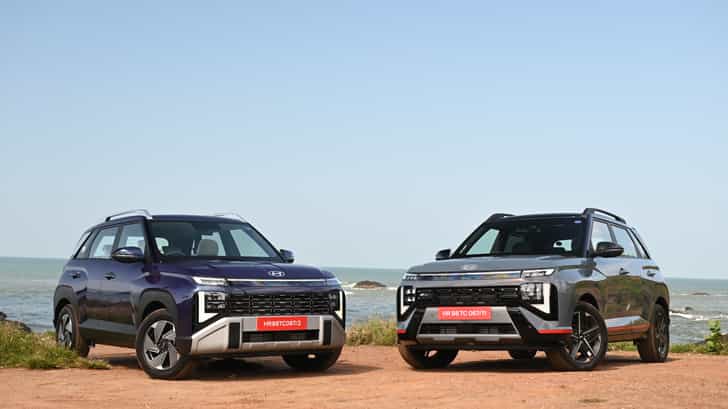
Currently, we have a Renault Kiger RXT Option manual with a naturally aspirated engine. We want to upgrade to a bigger car. My family is considering the Maruti Suzuki Grand Vitara, Victoris petrol/CNG, or Hyundai Creta petrol. Our budget is 13-15 lakh. We want a reliable car for long-term ownership of around 15 years, as we are a middle-class family and cannot easily replace the car if we are not satisfied. We are also worried about the possibility of E85 petrol in the future. So we are confused whether to go for CNG. However, I have heard that CNG cars still need to start or run a few kilometres on petrol. If E85 comes, will that harm the car? Our usage is mostly in the city, with one highway trip per year.

Verified
12w
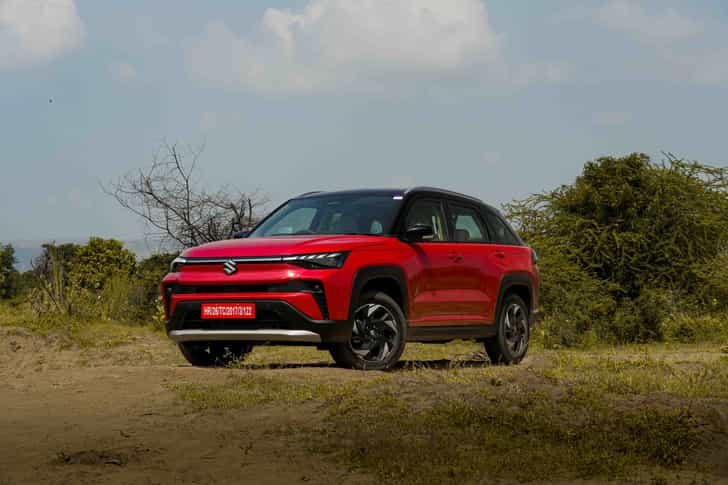
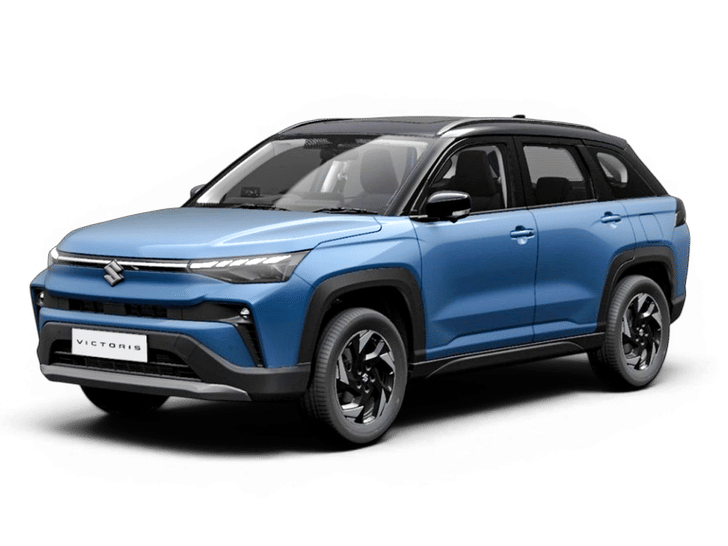
In your case, we’d pick the Maruti Suzuki Victoris VXi 1.5 petrol manual. It is a clear step up from your Kiger in space and back-seat comfort, feels easy and smooth in traffic, and Maruti’s wide service network will keep long-term ownership simple. Moreover, Marutis tend to have great resale values, so it won't pinch as much if you have to sell it after 15 years, and the brand's after-sales and service reputation is exemplary.
For your running, opting for CNG isn't worth the additional hassles. CNG saves money only when you drive a lot each month. It also feels slower as it saps a lot of power, and often requires waiting in long queues to fill up, as it's not as commonly available as petrol.
As for E85, there is concern around it, but currently there is no clear rollout. Just as manufacturers adapted to E20, they are likely to provide solutions if higher ethanol blends are introduced. In the short term, it should not be an issue, and as you have pointed out, a CNG car will require you to have some petrol in the tank, which, if your car is not ethanol ready, is potentially more dangerous.
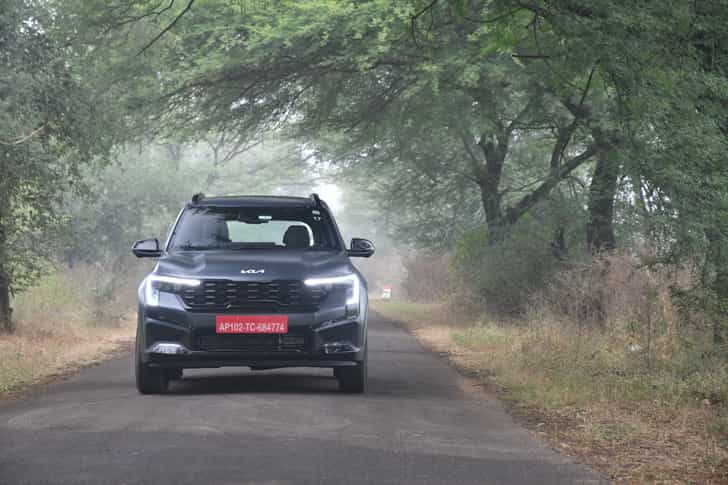
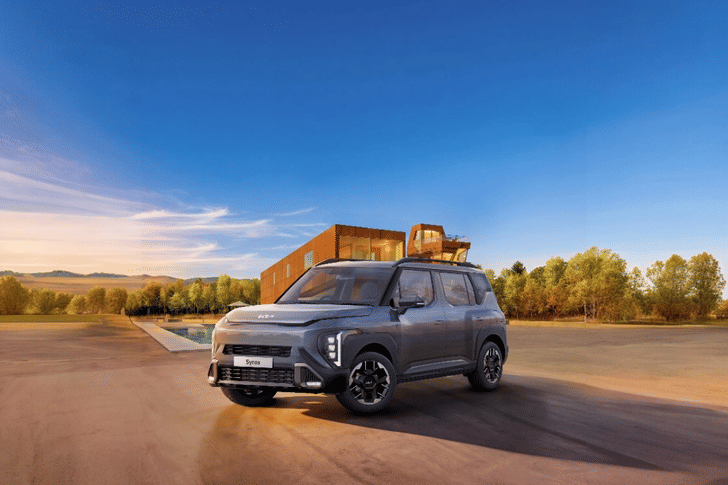
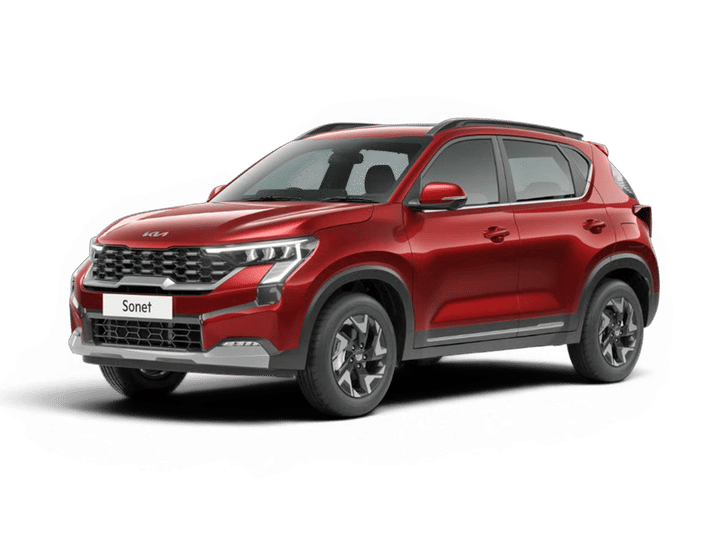
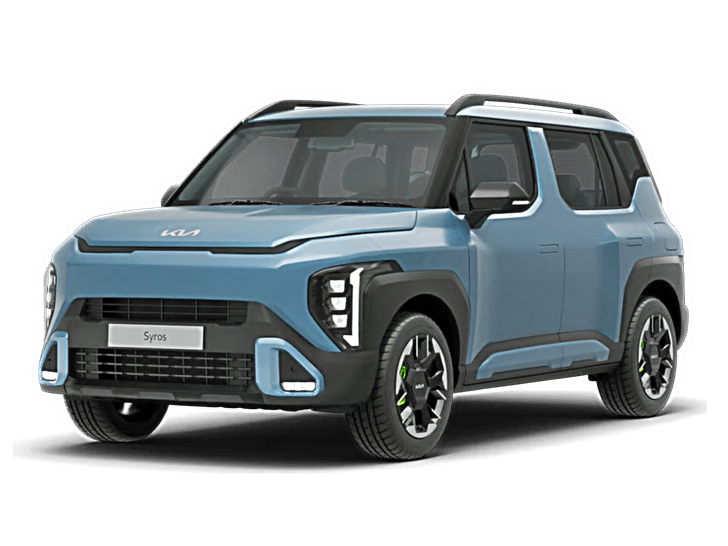
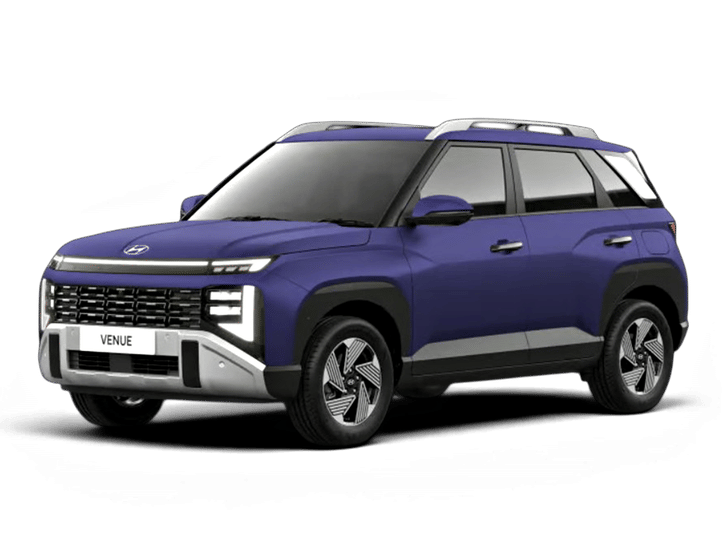
Another option is to try a diesel car, such as the Hyundai Venue, Kia Sonet or Kia Syros, which, though not as spacious as the Victoris, do pack in a lot for the money. They are reasonably reliable too and should hold up well over 15 years, with mileage better than a petrol car. The trade-off, however, is that you will have to maintain the DPF by doing occasional highway runs and topping it up with AdBlue, which adds slightly to the running costs.
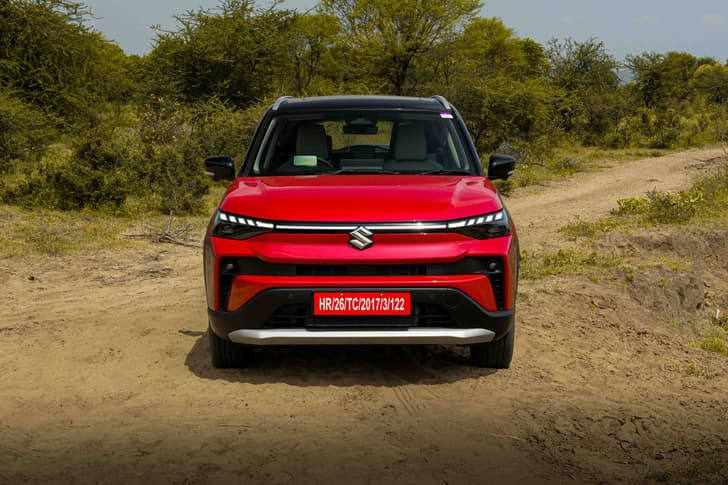
Maruti Suzuki Victoris

Maruti Suzuki Victoris

Was this helpful? Ask a follow-up

Want to sell your car?

Sell your car at the right price, without the stress.

More questions on similar cars

1d

I have a Renault Kiger RXT (O) automatic that is five years old and has been driven around 45,000 km. I’m looking to upgrade to the Toyota Hyryder Hybrid S variant for better fuel efficiency. My usage is mainly on highways and long drives, along with some city driving in Bengaluru traffic. I request you to kindly advise whether this is the best option.

Verified
1d

Given your usage pattern of highway and long drives with a mix of Bangalore city traffic, the Toyota Urban Cruiser Hyryder Hybrid S is a sensible upgrade from your Renault Kiger. The strong hybrid system delivers excellent fuel efficiency in city conditions, where the car can run on electric power at low speeds and in stop-start traffic. On highways, the hybrid system still contributes to efficiency, though the gains are less dramatic than in the city. The Hyryder also offers a more comfortable ride, better refinement and a more premium ownership experience compared to the Kiger.However, it is worth considering the Maruti Suzuki Victoris Hybrid as well. It is essentially the same car underneath, but the Victoris gets a slightly more premium interior and a richer feature set, including Level 2 ADAS, at a similar price point. If you are open to the Maruti badge, the Victoris Hybrid is arguably the better value proposition.The only caveat with the Hyryder Hybrid is that the boot space is compromised due to the battery pack, which may be a consideration if you regularly carry a lot of luggage on your long drives. For the added practicality and a plusher interior we would recommend the Maruti Suzuki Victoris.

VehicleToyota Urban Cruiser Hyryder
VehicleMaruti Suzuki Victoris
VehicleRenault Kiger
19h

I want an automatic car for my daily commute in Pune traffic. My daily running will be approximately 20 km for my office commute, along with occasional long trips on weekends. Considering the increasing ethanol blending and rising petrol prices, please suggest which option would be more practical for my usage. I am confused between Honda Amaze VX CVT and the Hyundai Venue HX6 DCT. I have heard that the 1.0-litre turbo DCT delivers significantly lower mileage than the CVT in traffic conditions like those in Pune.

Verified
13h

For your usage, the Honda Amaze VX CVT is the more practical choice. Your 20km daily commute in Pune traffic means you need a car that is smooth, reliable and easy to live with, and the Amaze’s CVT gearbox is far better suited to stop-start conditions than the Venue’s DCT. The Venue HX6 DCT is a good car, but the 1.0 turbo petrol paired with a dual-clutch automatic of this Hyundai car is not the most efficient setup in heavy traffic, and the gearbox can feel a bit jerky at low speeds. The Amaze’s naturally aspirated petrol engine is also simpler and more predictable in terms of power delivery and mileage. This also helps with long-term ownership, and Honda’s reliability record is strong.On ethanol blending, both cars are E20-compliant and there is no official roadmap beyond E20, so it should not be a deciding factor. Higher ethanol blends will reduce fuel economy, but most cars are built with higher materials tolerances to handle slightly higher blends, should they be introduced. Honda, especially, has been at the forefront of compliance, being among the first brands to introduce E10 and E20 compatibility, well before their official introduction.The only reason to pick the Venue would be if you specifically want the SUV body style, a more feature-rich cabin or a more premium feel, but for your usage the Amaze is the better fit. The Venue HX6 DCT is also far more expensive than the Amaze VX CVT.

VehicleHonda Amaze
VehicleHyundai Venue

Popular discussions right now

1w

I currently own a Skoda Kushaq Petrol AT. Everything is fine except the mileage. I am getting only around 10-13kpl with E20 petrol. My daily running is around 100 km. Should I buy a diesel car or an electric car?

Verified
6d

With a daily running of around 100 km, fuel efficiency becomes a major factor in ownership costs. The Skoda Kushaq petrol automatic is a good car, but the 10-13kpl you are seeing is typical for a turbo petrol automatic, especially with E20 petrol. At this usage, a diesel or a strong hybrid makes far more sense.If you do regular highway runs, a diesel is still the most practical and cost-effective solution. The Mahindra XUV 7XO diesel automatic would be the recommendation here. It is a strong highway car, comfortable, spacious and the diesel engine will deliver significantly better fuel efficiency than your Kushaq. Diesel running costs will be far lower over your kind of mileage. If that is out of your budget, something smaller like a Kia Seltos diesel, while not as powerful, is even more efficient.If your usage is mostly city a strong hybrid could be a better solution. The Maruti Suzuki Victoris is the most practical and cost-effective option. It is well priced, has a proven track record and will dramatically reduce your running costs. The strong hybrid is better suited to the city, where it is more likely to run on its electric motor than use the engine and deliver the better mileage.

VehicleSkoda Kushaq
VehicleKia Seltos
VehicleMahindra XUV 7XO
VehicleMaruti Suzuki Victoris

Posted on: 6 May 2026