
autocar-logo
Mumbai
VA

Varun

2w

Amaze CVT, Tata Altroz DCA, Tata Punch EV, and Citroën C3 Turbo Automatic. I am 5.4 ft tall and currently have a family of four members, which will become five after marriage. I work from home, so my usage will mainly be city driving, with one vacation trip every month. From my perspective, the Honda Amaze CVT feels reliable with a good engine and ADAS, but the CVT rubber-band effect and engine noise during hard acceleration concern me. The Altroz DCA offers strong safety and premium interiors, but the engine feels underpowered, the bonnet is not visible, and the thick A-pillar creates blind spots. The Citroën C3 Turbo Automatic has a strong engine and good performance, but the interiors are basic and rear legroom feels slightly cramped. The Punch EV feels smooth and well-rounded overall, but the higher cost and charging concerns are drawbacks. In terms of visibility, I can clearly see the bonnet in the Amaze and C3, but not at all in the Altroz. The Altroz feels more spacious, the C3 has the most powerful engine, and the Punch EV offers the best smoothness. My main concern is whether the bonnet visibility issue gets resolved with regular driving experience, or if I should prefer a car with clear bonnet visibility from the beginning. Based on my usage and concerns, which car would be the best choice for me?

Autocar India team

Autocar India

Verified
1d

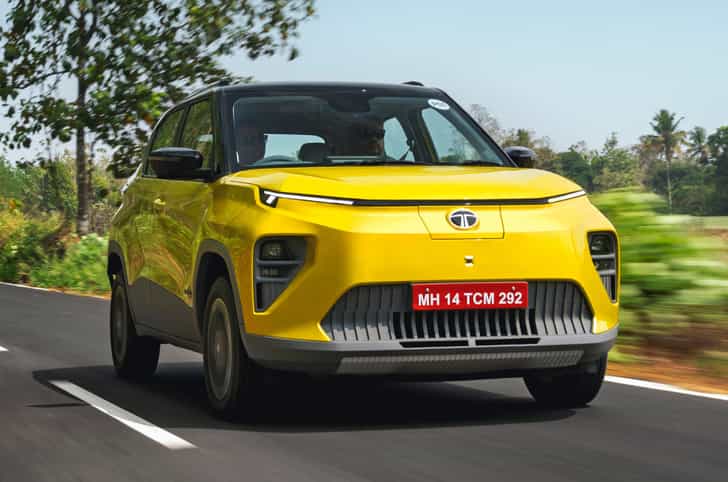
If you're open to an electric, the Tata Punch EV is an excellent option. As you've rightly pointed out, its elevated seated position results in good frontal visibility. If you opt for a variant with seat height adjustment, you can crank up the seat further to get a clearer view of the bonnet. Performance is strong, and being an EV, it is much smoother and more refined than all the ICE vehicles you've listed above. Also, ground clearance is ample, and it confidently glides over bad roads.

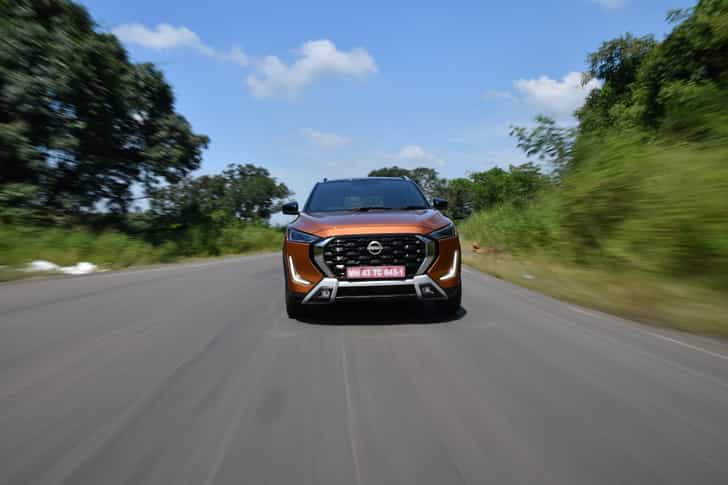
An ICE option we'd recommend you check out is the Nissan Magnite 1.0 Turbo-petrol-CVT. The powertrain is smooth, and the seating is high. If you have a Nissan touchpoint around you, this is worthy of consideration.
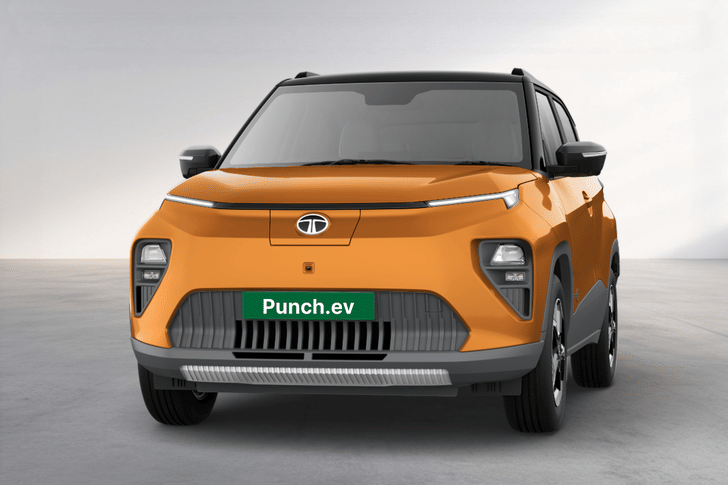
Tata Punch EV

Tata Punch EV

AR

Archit Rohilla

1d

Consider a 6-7 seater car, because you don’t know when members become 5 to 6 after marriage. I am telling from my personal experience. I bought a 5 seater car last January and now we have a baby and it’s difficult to fit in all the members. Now I am considering upgrading to a 6-7 seater.
Latest questions people are discussing

MR

Mungara Rahul

3d

I am planning to buy my first car, and I have never owned one before. I own a house with a car parking area. My car usage will be very low, maybe twice a week or even less. I am confused about what to choose: Should I buy a petrol vehicle now (BS6 Phase 2 engine car)? Or should I wait for flex-fuel engines to come to market, as E27 is in the news? Should I buy an EV? Please advise.

Autocar India team

Autocar India

Verified
9h

First, let’s clear the confusion around flex-fuel and E27. There’s a lot of noise on social media, but flex-fuel cars (E27 and above) are still some time away in the mass market. Also, it’s not yet clear what real-world benefit they will offer to customers. Higher ethanol blends generally reduce fuel efficiency, so unless E27 fuel is significantly cheaper than today’s E20 petrol, the advantage may not be substantial.Current BS6 Phase 2 petrol cars are fully compatible with E20 fuel, which is expected to remain the base fuel even if higher ethanol blends are introduced. So buying a petrol car now is absolutely safe and sensible. There’s no need to delay your purchase waiting for flex-fuel technology.Now, since you have your own house with dedicated parking, installing a home charger is possible. That makes an EV a practical option. For a first-time buyer, an EV is actually very easy to drive. It has no clutch, no gear shifts, offers smooth acceleration, and has very low running costs. Something like the Tata Punch EV offers good value. Just keep in mind that long highway trips will require planning around charging stops.If your usage is only twice a week or less, a regular petrol car may still be the simpler, more flexible choice. One of our go-to recommendations for first-time buyers is the Honda Amaze. It’s easy to drive, reliable, comfortable and offers hassle-free ownership.

VehicleTata Punch EV
VehicleHonda Amaze
MS

Mohammed Sirajuddin

3d

I am an NRI based in Dubai, looking to purchase an automatic SUV for my home in Kasaragod, Kerala. I will be using when I visit couple of times in a year and the car will be primarily used by my sister for local shopping and local commutes, but will also remain idle sometimes. Between the Skoda Kylaq Prestige Plus (1.0 TSI with 6-speed Torque Converter) and the Hyundai Venue HX8 (1.0 Turbo with 7-speed DCT), which powertrain is more mechanically durable for a 10-year ownership cycle? Is buying new punch ev also makes sense? I’m open to other suggestions as well.

Autocar India team

Autocar India

Verified
1d

All modern cars today, if maintained well, are engineered to last 10 years or more. Over that period, you should budget for both scheduled services and some wear-and-tear replacements. Given your usage pattern with limited annual running and long idle periods, the way the powertrain behaves when used sparingly becomes more important. Since most of your trips are short and local in Kasaragod, outright performance is less critical than smooth and reliable operation.Between the Skoda Kylaq Prestige Plus (1.0 TSI with 6-speed torque converter) and the Hyundai Venue HX8 (1.0 Turbo with 7-speed DCT), both should serve you well if maintained properly. However, purely from a mechanical durability standpoint, a conventional torque converter automatic, like the one in the Kylaq, is generally more tolerant of stop-go driving and long-term ownership than a dual-clutch transmission (DCT).DCTs offer quicker shifts and better efficiency, but they are more complex and can be sensitive to heat and crawling traffic. This is something your sister is likely to encounter in town driving. Over a 10-year horizon, especially with intermittent usage and possible long idle periods, the simpler torque converter setup is typically the safer bet.That said, both cars use small turbo-petrol engines. Modern turbo engines are reliable, but they are inherently more complex than naturally aspirated (NA) engines. It is due to additional components like the turbocharger and intercooler. If absolute long-term peace of mind is your priority, you could also consider the Maruti Suzuki Brezza, which comes with a 1.5-litre naturally aspirated petrol engine paired to a 6-speed torque converter. An NA engine is mechanically simpler and, in theory, better suited to low annual running and long ownership.As for the Tata Punch EV, it is an excellent value for money as an EV. However, in your specific case, it may not make complete sense. Your annual usage appears limited, so you won’t significantly benefit from the lower running costs of an EV. Additionally, the Punch EV is compact with a smaller boot, which may restrict practicality during family visits. Long idle periods are also not ideal for EVs unless the battery state of charge is managed carefully.

VehicleSkoda Kylaq
VehicleHyundai Venue
VehicleMaruti Suzuki Brezza
VehicleTata Punch EV

Posted on: 1 Mar 2026