Autocar India
•2w

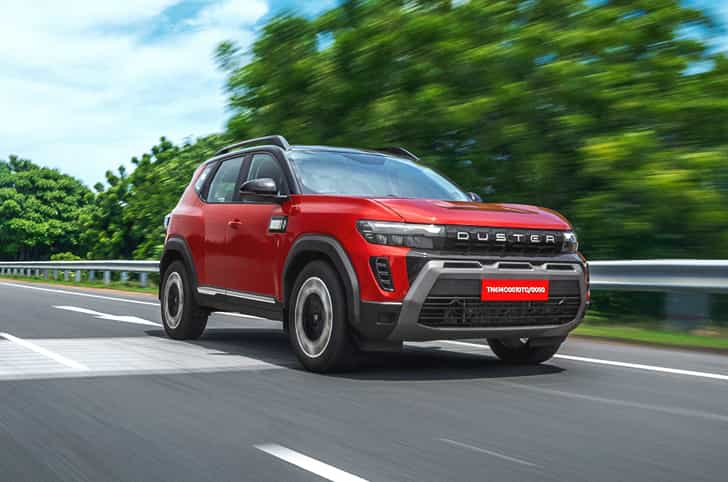
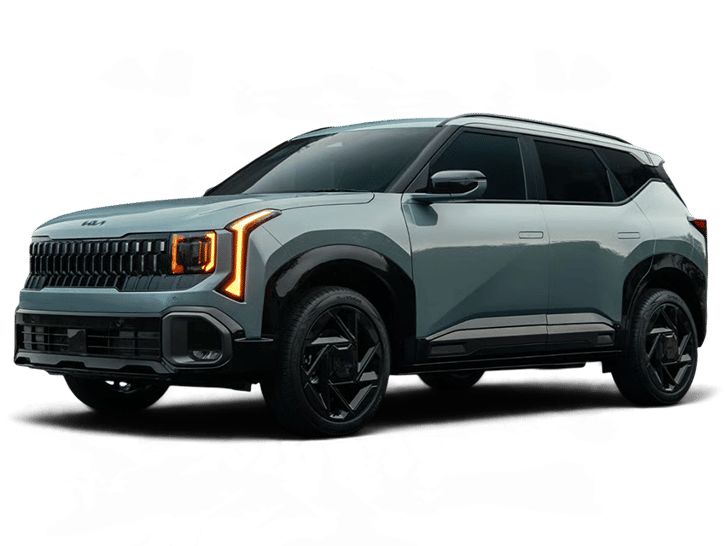
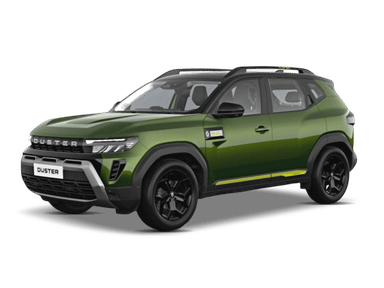
I am looking to buy a hybrid car in the Rs 20 lakh to Rs 25 lakh range because my daily running is 80 to 100 km. I was looking at the Renault Duster Strong Hybrid 1.8L, but I am not a big fan of its looks and rear seat space. I would like to know when the Kia Seltos Hybrid and the 7-seater version of the Duster are coming out so I can plan accordingly.

Verified
•4m

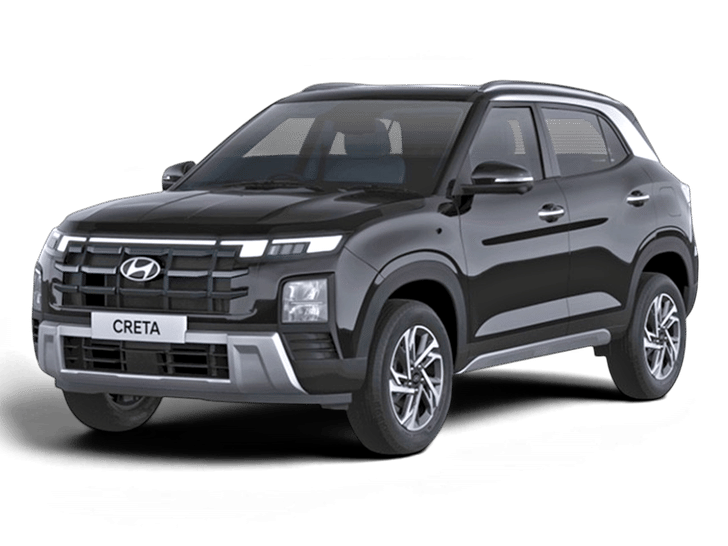
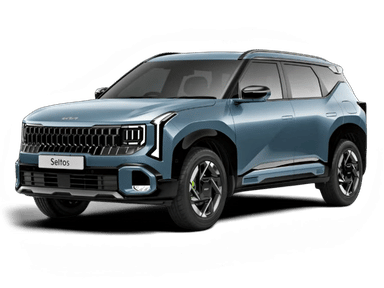
Since the design and rear seat space of the Renault Duster is not something you prefer, our recommendation would be to wait a bit for the upcoming Kia Seltos hybrid. The standard version has a good rear seat with plenty of space and comfort and the hybrid is likely to follow that. The Creta will also get a hybrid powertrain but this Kia car will be coming first so you will not have to wait too long. The 7-seat version of this Renault car will also look similar to the current Duster so if you aren't a fan of that, the upcoming SUV won't exactly be up your alley either. The idea decision would be to wait for the Seltos hybrid and take a call then.  
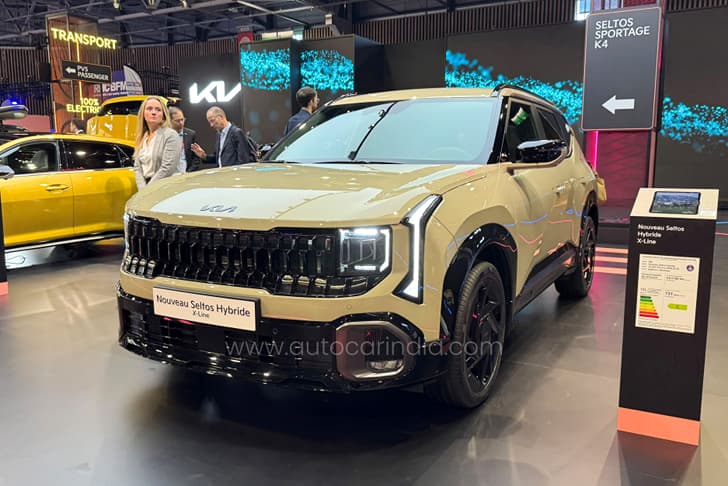
Kia Seltos Hybrid

Kia Seltos Hybrid

More posts on similar cars

•3d

Hi, I’ve been driving a 2011 Ford Fiesta Classic 1.4 turbo-diesel as my primary car in Northeast India (Assam, Meghalaya, Arunachal Pradesh and elsewhere) through plains, hills, mud, snow and floods, often fully loaded with four people. I recently renewed its lapsed 15-year registration for another five years. The car is maintained in pristine condition, and I love its low-end torque and excellent fuel efficiency. However, it’s time to switch to a petrol car, and I need advice on a new car for the same driving conditions within a budget of Rs 17-18 lakh. Should I choose a turbo-petrol or a naturally aspirated engine to get similar driving dynamics, given that the terrain I drive on won’t change? I prefer a manual gearbox, especially for the hills, and I understand that petrol engines are thirstier. I’m nearly 48 and plan to keep the car for a long time, as I did with the Ford. Please leave out Hyundai, Kia and Maruti Suzuki, as I’ve had my fill of them. Thanks in advance. Dr

Verified
•2d

Given your experience with the 1.4-litre diesel Ford Fiesta, we would suggest looking at the Mahindra XUV 3XO T-GDi manual first, followed by the Renault Duster 1.3 Turbo manual. Both offer strong performance, which will be important when driving through the hills of the North East with four passengers and luggage.The XUV 3XO's 1.2-litre turbo-petrol engine produces 131hp with good low- and mid-range response. It is compact, easy to manoeuvre and offers a comfortable ride. The Duster has a comfortable ride and a more engaging chassis, while its 163hp, 280Nm 1.3-litre turbo-petrol engine offers considerably stronger performance. However, the Duster's tendency to stall when moving off from a standstill can be frustrating, particularly on steep inclines, so we would place it second.

VehicleMahindra XUV 3XO
VehicleRenault Duster
•2d

Hi Autocar Team, I am considering the Renault Duster E-Tech hybrid and have a few concerns: 1. How reliable is this hybrid powertrain internationally? Are there any known issues with the engine, transmission or battery? 2. What is the expected battery life and replacement cost? Is there enough real-world data to establish its 10-year reliability? 3. Can it handle challenging Himalayan routes like Leh-Ladakh, including high altitudes, steep climbs, long descents and extreme temperatures? Are there any performance or cooling limitations? 4. Is Renault India's service network equipped to handle hybrid repairs, especially during long-distance trips? 5. Given the Rs. 3.5 lakh premium over the DCT, would you recommend the hybrid for 10-year ownership and extensive road trips across India? Thanks

Verified
•2d

The Renault Duster E-Tech hybrid would be our recommendation, particularly if you enjoy driving and plan to undertake frequent highway trips. As our review found, the 160hp, 1.8-litre hybrid powertrain is both quick and refined, with instant electric motor response and a 0-100kph time of around 10 seconds. Unlike many hybrids, it doesn't have the typical rubber-band effect or engine drone, and feels more like a dual-clutch automatic, with distinct gear shifts. It is also an excellent highway cruiser, with strong in-gear performance for overtaking. The Duster's ride and handling are particular highlights, with precise steering, excellent high-speed stability and a suspension setup that deals impressively with broken roads. For Himalayan journeys, its performance and comfortable ride should make it a capable companion on regular mountain roads. It is front-wheel drive, though, so it isn't intended for serious off-roading. The hybrid also gets a seven-year vehicle warranty and an eight-year battery warranty, which is reassuring for long-term ownership. While 10-year reliability data and battery replacement costs are not yet established, the technology has been used internationally for several years. Renault's service network is a consideration when travelling to remote regions, so check workshop support along your regular routes.

VehicleRenault Duster

Has E20 fuel affected your mileage?

Expert reviews worth reading
Is ADAS worth paying extra for in a car?

Popular discussions right now

•1w

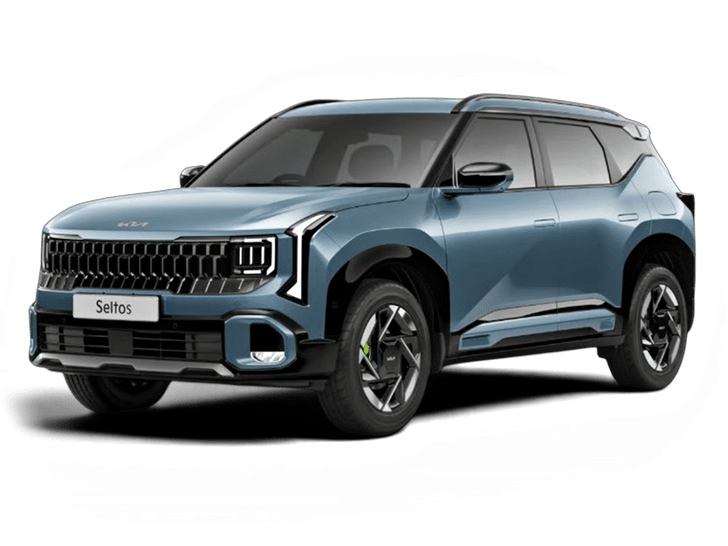
Hi Autocar, I am looking to book a car this week. I have narrowed it down to one of 3 cars, all petrol automatic IVTs. My running is mostly 95% in the city (office commute in Mumbai traffic). My daily commute is around 15 km, so I don't want a turbo engine for bumper-to-bumper traffic. That comes out to roughly 5,000 km in annual running. I am 6 feet tall, so I wouldn't want something that feels cramped. New Seltos HTK+(O) New Elevate VX Bayon HX8 All of these are close to the Rs. 16 lakh ex-showroom price mark. I've driven the Seltos and the Elevate, and I really liked both of them. The Seltos feels more premium on the inside, which I feel is a feature worth having in a daily driver. The Elevate is brilliant, but it feels a bit cheap on the inside. It also lacks a panoramic sunroof; although I might use it only one day a year, given that it's priced the same as the Seltos, it feels like a miss. I know Honda engines are top-notch, but given my limited running and lack of driving enthusiast priorities, I'm not sure if that does justice to my needs. Now comes the Bayon. I haven't done a test drive yet as it is not available, but the Bayon pricing at the HX6 and HX8 trims seems very close to the Creta. I am tempted to go for the HX8 as it offers a 360-degree camera (which I think might be useful for parking since I am upgrading from a hatchback), but I wonder if I am getting a 'lesser car' compared to the Seltos. Which one would you recommend? I am keen on booking before Diwali and will see if there are any discounts on the Seltos (unlikely, though).

Verified
•6d

We would suggest going ahead with the Kia Seltos HTK(O) IVT. Given that you have already driven it and liked its cabin, it should make for a more satisfying daily companion. This Kia car feels more premium inside than both the Honda Elevate and the Hyundai Bayon, which is something you are likely to appreciate given your predominantly city usage. The naturally aspirated petrol engine and IVT combination should also work well in Mumbai traffic. This Honda car is a good alternative, particularly for its spacious cabin and refined engine, but its interiors do feel less premium.

VehicleKia Seltos
VehicleHonda Elevate
VehicleHyundai Bayon
•1w

improve the grammar and write it in a paragraph - Hi Autocar, Iam looking to book a car this week. I have narrowed it down to one of 3 cars. Petrol Automatic IVTs. My running is mostly going to be 95% city (office to work in Mumbai traffic). Daily commute is around 15km, so I don't want a turbo in traffic. That's roughly 5k annual running. I am 6ft tall so wouldn't want something that is cramped 1. New Seltos HTK(O) 2. New elevate VX 3. Bayon HX 8 All of these are close to the 16L ex showroom price. I've driven the Seltos and Elevate. I really liked both of them. The Seltos feels more premium from the inside and I feel like that is something worth having in a daily car. The elevate is brilliant, but it seems cheap on the inside. No pani sunroof too, although I would maybe use it 1 day in year, it's priced the same as the Seltos, so that felt a miss. I know Honda engines are top, but at my running and limited enthusiast journey, I'm not sure if that does justice to need. Now comes the bayon. I have not done a test drive yet as its not available, but the bayon pricing at Hx6 and hx8 seems very close to the Creta currently.. I am tempted to go for the hx8 as it as a 360 camera,( I think that might be usefull for parking etc as I am coming from a hatchback ) but I am getting a "lesser car" vs the Seltos here I wonder.. Which one would you recommend? I am keen on booking before diwali, will see if there are any discounts on the Seltos (unlikey though)

Verified
•3d

All things considered, the Kia Seltos is the better fit for your needs. Since you are on the taller side, you will appreciate the extra room it has to offer compared to the Hyundai Bayon. Opting for the Bayon does get you a higher variant with a 360-degree camera, which can be helpful in tight spots. However, once you get used to the size of the vehicle, you might find yourself using the camera less often.As for the Honda Elevate, as you rightly mentioned, the Seltos feels more premium inside and costs about the same. The Elevate does offer a bit more performance from its 1.5L naturally aspirated engine, but since 95% of your driving is in slow-moving Mumbai traffic, the added performance won't really make much of a difference.Overall, the Seltos is the right fit for your needs.

VehicleKia Seltos
VehicleHyundai Bayon
VehicleHonda Elevate

Upcoming launch buzz

Community discussions on upcoming launches
Add a photo of your Duster

First sightings, real road conditions, delivery buzz

Posted on: 8 Nov 2026