
Autocar India
GA

Gaurav

11h

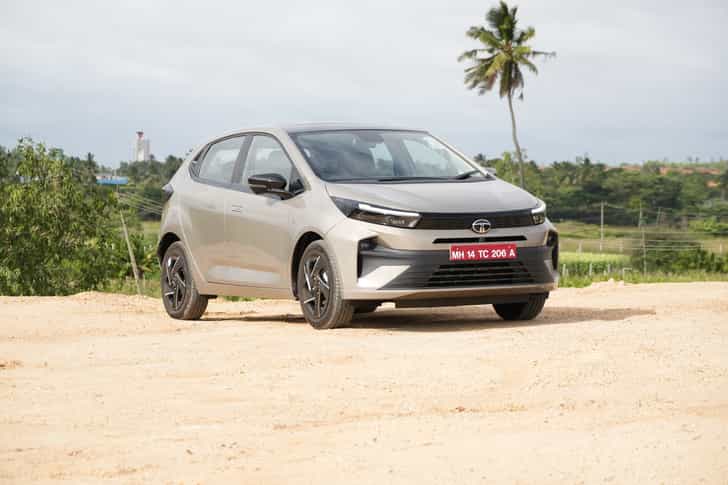
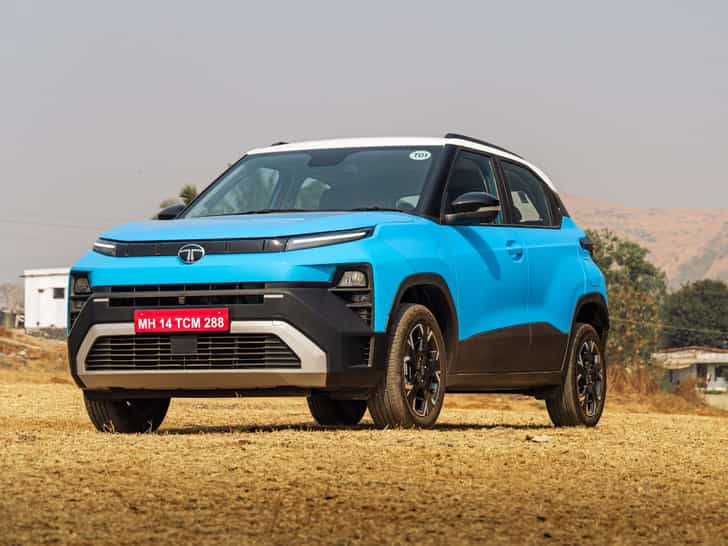
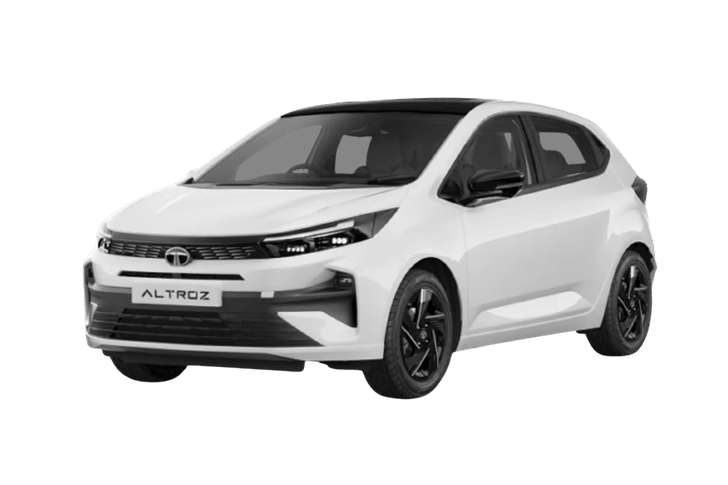
I have a very tight budget, and I currently have two options available at almost the same price: Tata Punch base model (January 2026, old design) and Tata Altroz i-Turbo 2022 model. Which car should I choose, and why?

Autocar India team

Autocar India

Verified
2m

Pick the new Tata Punch base. With a tight budget, a brand-new car with full warranty and zero past-owner risk is the safer place to put your money than a 2022 turbo Altroz. The Punch’s higher ground clearance and easy, upright seating also make daily city use and bad roads simpler, and you will likely spend less on surprise repairs over the next few years.

The Altroz i-Turbo will feel stronger on the highway and when fully loaded. It will also be better if you really care about quicker performance. But a 2022 turbo-petrol out of standard warranty can bring higher running costs if something big pops up, and fuel economy drops fast when driven hard.

If you know the Altroz’s full service history and it is genuinely clean, it is tempting for power and road feel. For most first-time, budget-tight buyers though, the new Punch’s peace of mind wins.
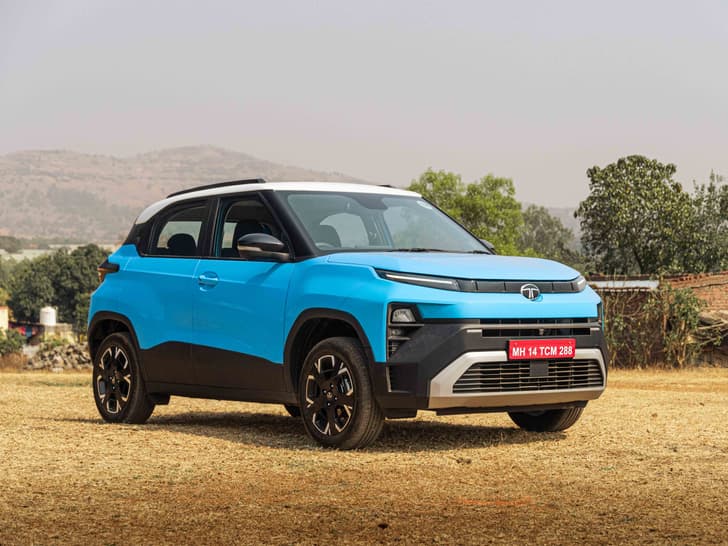
Tata Punch

Tata Punch

Was this helpful? Ask a follow-up

More questions on similar cars

BA

Babu

2d

I am planning to buy a new car with a budget of around ₹7 lakh. I really liked the new Tata Punch and am considering buying the Smart variant. However, with rising fuel prices, I am now more inclined towards a CNG model for better running costs. Currently, I am confused between these two variants: Tata Punch Smart CNG Tata Punch Pure Plus iCNG The Pure Plus iCNG variant costs around ₹3 lakh more than the Smart variant, but I do like the additional features it offers. My monthly running will not exceed around 800 km, and I plan to keep the car for long-term usage. Could you please advise: Whether the Tata Punch CNG is a good long-term buy Whether the higher-priced Pure Plus variant justifies the extra cost If there are any better CNG alternatives from other brands that offer better mileage, reliability, comfort, and ownership experience within this budget

Autocar India team

Autocar India

Verified
1d

With your usage of under 800 km a month and long-term ownership in mind, we would first question whether CNG is actually necessary. CNG makes the most financial sense when the cost of running is significantly higher. At your usage, the payback period becomes much longer, so spending substantially more upfront purely for fuel savings may not be the smartest move. Also, while petrol prices do rise, CNG prices tend to rise too, so the savings gap does not remain fixed forever.Between your two choices, the Smart iCNG is actually the more rational pick if you are set on the Tata Punch. Yes, it is the base variant, but it still gets the essentials like LED headlamps, front power windows and central locking. So it does not feel bare bones from the usability perspective.The Pure Plus iCNG does add a lot more premium equipment like the touchscreen infotainment with wireless smartphone connectivity, reverse camera, cruise control, rear AC vents, all power windows and a more premium cabin feel. But the key question is whether you would want to stretch your budget significantly to have those niceties. That said, if fuel efficiency is your top priority and you are open to alternatives, Maruti’s CNG options make stronger sense than the Punch. The Fronx or Baleno CNG will generally offer better efficiency, a wider service network and a more proven CNG ownership experience.

VehicleTata Punch
TH

Thio

4d

I am planning to buy my first car with a budget of Rs. 15 lakh. It will mainly be used for city driving, along with occasional highway trips. I am looking for an SUV, but not from the Tata Punch or Hyundai Exter segment. My priorities are long-term reliability, low maintenance and service costs, good fuel efficiency, and overall value for money. Which car would you recommend?

Autocar India team

Autocar India

Verified
23h

Mostly city use, a Rs.15 lakh budget and a focus on low running costs, point straight to the Maruti Suzuki Brezza. It fits your brief for long-term reliability, low maintenance and service costs, and good fuel efficiency. It is a size up from the Tata Punch/Hyundai Exter segment, but is still manageable in the city while feeling stable on the highway.Why it fits: service and parts costs are among the lowest in the class, and Maruti’s service network is widespread, so upkeep stays simple for years. The petrol engine and torque convertor auto are smooth in traffic and remains efficient if driven with a light foot. Cabin space is good for five, the rear seat is comfortable, and the boot is useful for the occasional weekend trip.Trade-offs: the cabin does not feel particularly premium, and the engine lacks the punch of a turbo-petrol on the highway. It is also worth noting that a facelift for the Brezza is expected towards the end of the year, possibly with a turbo-petrol engine. Alternatively, consider the Hyundai Venue 1.0 DCT if you want a more modern cabin and stronger highway performance.Overall, for city-first use and long-term peace of mind, the Brezza is a good fit.

VehicleMaruti Suzuki Brezza
VehicleHyundai Venue
VehicleHyundai Exter
VehicleTata Punch

Popular discussions right now

DJ

Deepak Jain

5d

I am planning to buy the Honda City facelift that was launched yesterday. How does it compare with the Volkswagen Virtus? I am also assuming that the government will continue supporting E20 fuel even if E85 is introduced in the future. So, is it still safe to buy a petrol vehicle in Delhi/NCR?

Autocar India team

Autocar India

Verified
4d

The new City facelift does make a stronger case now because Honda has added genuinely useful features like a larger infotainment screen and ventilated front seats, while pricing has remained fairly sensible. But fundamentally, the character of the car has not changed.Against the VW Virtus, the choice still comes down to personality. The Virtus is the more fun to drive option, especially with the turbo petrol engines, because it feels stronger, more eager and more engaging from behind the wheel. The City, on the other hand, is the more balanced sedan. The 1.5 naturally aspirated petrol is smooth, refined and easy to live with, but if outright performance is your priority, it will not feel as quick as the turbo Virtus. The City hybrid changes that equation because it is genuinely quick and can match the 1.5 TSI for straight line pace, but it is still not what you would call an enthusiast’s car.On the fuel front, yes, it is safe to buy a petrol car in Delhi NCR. Current mainstream petrol cars are already E20 compatible, and even if India eventually pushes toward higher ethanol blends, that transition will be gradual rather than an overnight switch. Beyond a certain point, if the country were to move meaningfully toward very high blends like E85, manufacturers would need proper flex fuel engines engineered for that fuel, and the government would also need to continue offering lower blend fuel options during any transition.

VehicleVolkswagen Virtus
VehicleHonda City

Curated collections

Posted on: 28 May 2026