


Every helpful action can earn a badge.
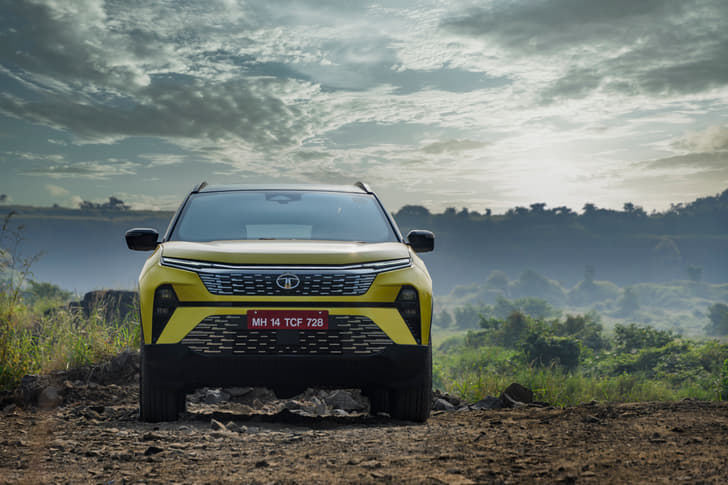
Hi Team, I’ve finally decided to go ahead with the Tata Harrier Adventure X+ Diesel AT instead of the petrol variant. I was previously a WagonR owner, and for the last three years, I’ve been driving a VW Taigun 1.5 MT Petrol. My only concern with switching to a diesel is the DPF (Diesel Particulate Filter). My running is around 500 km per week, so I believe that should be sufficient, but I’m still not entirely clear about the DPF requirements. Does a diesel car need to be driven every day, or is regular weekly running of around 500 km enough to keep the DPF healthy? I’d also like to know about real-world experiences with diesel cars, particularly regarding DPF regeneration and maintenance. I’d really appreciate any suggestions or experiences you can share. Also, I’m a big fan of the Harrier. I did consider the 7-seater, but honestly, it feels a bit too long for my preference and has more of a “taxi” feel to it. The 5-seater Harrier looks much more proportionate and suits my taste better. Looking forward to hearing about your experiences.

With 500km a week, you are well above the threshold where DPF becomes a concern. The DPF is designed to capture soot from the exhaust and then burn it off during a process called regeneration. This regeneration typically happens automatically when the engine reaches operating temperature and is held there for a sustained period, usually during a 15-20 minute drive at steady speeds. Your weekly running is more than sufficient for this.
You do not need to drive the car every day. What matters is that the car gets regular runs where the engine is warm and running at a consistent speed. Short, stop-start city trips are what cause issues, not the frequency of use. As long as your usage includes some highway or longer stretches, the DPF will regenerate as intended.
In real-world experience, modern Diesel cars are far less fussy about DPF than people fear. The issues tend to arise only with very low-mileage, purely urban cars. With your usage, the Tata Harrier Adventure X Diesel AT is a perfectly sensible choice. It is a strong, refined engine with good long-distance capability, and the automatic gearbox is well suited to both city and highway driving.
The Harrier is also the right choice from a proportion and feel perspective. The Tata Safari is a good car, but if you do not need the third row, the Harrier is the more balanced and better-looking option.
Go for the Harrier diesel without hesitation. Your usage is exactly what modern diesels are designed for.
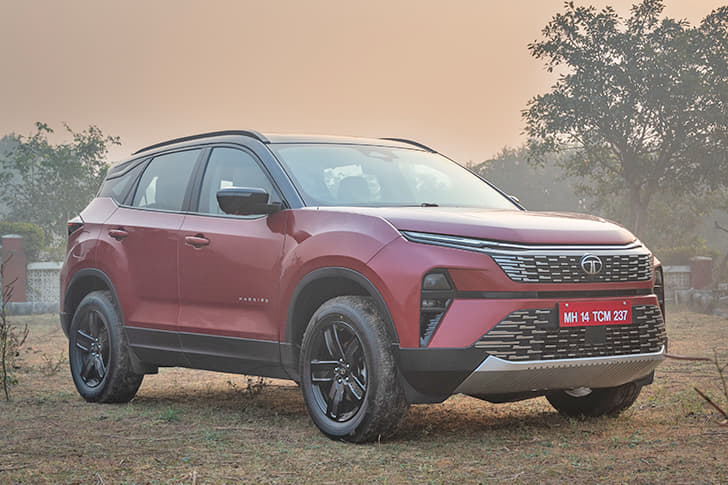
Tata Harrier
Explore cars mentioned

Hello @autocar.india Follow-up Questions on DPF & Regeneration Thank you for the detailed response. It is reassuring to know that with around 500 km of weekly running, my usage should be well within the comfortable range for a modern diesel engine. I have a few follow-up questions specifically regarding DPF operation and monitoring: 1. What if there is a gap in weekly usage? Suppose during a particular month, I do not drive the car much during the first week, but then cover good highway distances during the following three weeks. In such a scenario, is there any reason to be concerned about DPF clogging or regeneration issues? In other words, is the important factor the overall usage pattern over a period of time, rather than strictly driving 500 km every seven days? 2. Is there any way to monitor DPF soot accumulation? As I understand it, BS6 diesel vehicles are equipped with a DPF, and the driver is generally alerted when the system requires regeneration or when the soot load reaches a certain level. My question is: is there any onboard feature, instrument, diagnostic tool or aftermarket device that can show the approximate DPF soot/ash accumulation level—for example, 20%, 35%, 70%, etc.? It would be very useful for the owner to have some visibility into the DPF condition before it reaches a point where an active regeneration is required. For example, if I know that the soot load is increasing, I could proactively take the car on a longer highway drive and allow regeneration to take place. 3. How is this handled in commercial/heavy-duty diesel vehicles? Do JCB machines, trucks, buses and other heavy-duty diesel vehicles have similar systems to monitor DPF soot loading and regeneration requirements? If such monitoring is available in commercial vehicles, is there any equivalent information or diagnostic capability available to owners of passenger cars such as the Harrier? Would really appreciate your guidance on these points, particularly from your experience with modern BS6 diesel vehicles. Thanks again!
Hello @autocar.india -Kindly requesting you to give a response on above query.
@shiv09 won't be an issue, as long as you are getting those highway runs the following weeks
More posts on similar cars

Has E20 fuel affected your mileage?



Is ADAS worth paying extra for in a car?
Popular discussions right now
Upcoming launch buzz
Community discussions on upcoming launches


Want to sell your car?
Sell your car at the right price, without the stress.
Curated collections




Add a photo of your Harrier
First sightings, real road conditions, delivery buzz

Posted on: 16 Aug 2026
