
Autocar India
GJ

Gourav Jain

20h

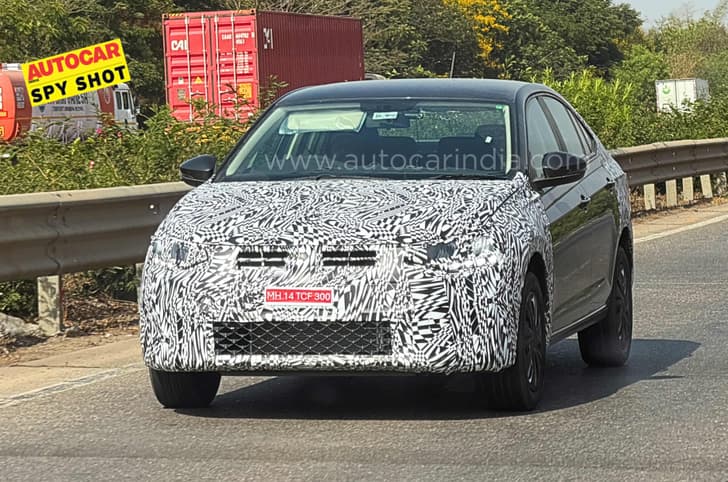
I currently drive an 11-year-old Maruti Suzuki Dzire and am planning to upgrade. My yearly running is quite low, around 7,000 km, which is why I am specifically interested in the Volkswagen Virtus 1.0 TSI Topline variant. There is no urgent need to replace my current car, although my wife is strongly encouraging an upgrade now. My main confusion is whether I should take advantage of the attractive discounts and exchange offers currently available on the existing Virtus, or wait for the upcoming facelift, especially since reports suggest that the updated 1.0 TSI version may get a new 8-speed automatic gearbox.

Autocar India team

Autocar India

Verified
12m

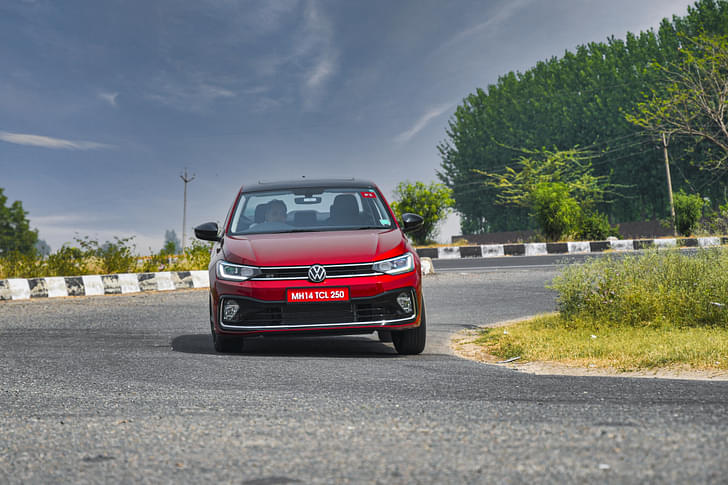
Since you are not in a rush to replace your Maruti Suzuki Dzire, it's worth your while to wait for the updated Volkswagen Virtus. The model will get styling tweaks, a few more features, as well as the new 8-speed auto gearbox, which makes the car better suited to low-speed city driving. However, the bigger upgrade comes in terms of the new air conditioner, which addresses one of the big weaknesses of the current Virtus. 

Do note that new launches are usually accompanied by a price hike, so the deal might not be as sweet as the one you are getting now.  

If AC performance and gearbox characteristics aren't deal breakers for you, there is merit in opting for the current Virtus Topline for a discount. You’ll feel a big step up from your 11‑year Dzire in cabin quality, safety feel and features right away, without paying the higher launch price a facelift will bring.

One thing to keep in mind. VW service costs can be higher than Maruti, though your low running will keep bills spaced out.
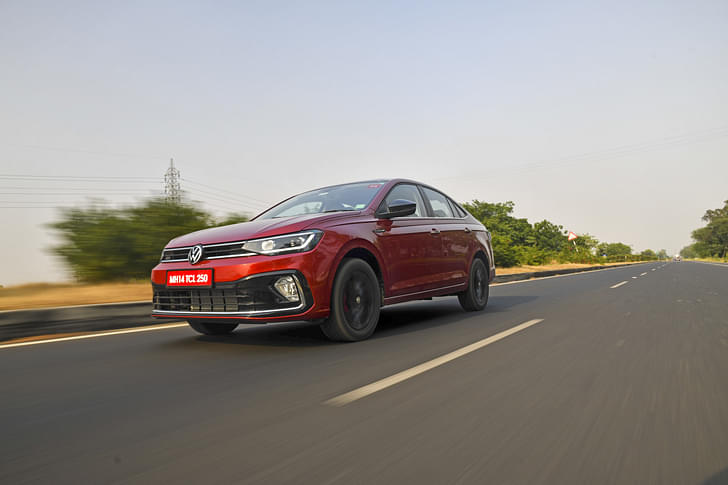
 

Volkswagen Virtus

Volkswagen Virtus

More questions on similar cars

DJ

Deepak Jain

3d

I am planning to buy the Honda City facelift that was launched yesterday. How does it compare with the Volkswagen Virtus? I am also assuming that the government will continue supporting E20 fuel even if E85 is introduced in the future. So, is it still safe to buy a petrol vehicle in Delhi/NCR?

Autocar India team

Autocar India

Verified
2d

The new City facelift does make a stronger case now because Honda has added genuinely useful features like a larger infotainment screen and ventilated front seats, while pricing has remained fairly sensible. But fundamentally, the character of the car has not changed.Against the VW Virtus, the choice still comes down to personality. The Virtus is the more fun to drive option, especially with the turbo petrol engines, because it feels stronger, more eager and more engaging from behind the wheel. The City, on the other hand, is the more balanced sedan. The 1.5 naturally aspirated petrol is smooth, refined and easy to live with, but if outright performance is your priority, it will not feel as quick as the turbo Virtus. The City hybrid changes that equation because it is genuinely quick and can match the 1.5 TSI for straight line pace, but it is still not what you would call an enthusiast’s car.On the fuel front, yes, it is safe to buy a petrol car in Delhi NCR. Current mainstream petrol cars are already E20 compatible, and even if India eventually pushes toward higher ethanol blends, that transition will be gradual rather than an overnight switch. Beyond a certain point, if the country were to move meaningfully toward very high blends like E85, manufacturers would need proper flex fuel engines engineered for that fuel, and the government would also need to continue offering lower blend fuel options during any transition.

VehicleVolkswagen Virtus
VehicleHonda City
GT

George Thomas

1w

I currently drive a Swift petrol 2016 LXi. My budget is a maximum of 17, where hoping I will get a resale value of 2 lakhs on the Swift, and 15 will be made in a loan. Changing cars because I want an automatic car. My driving is mostly 10k yearly. My driving pattern is local riding of 100km on working days in a week, mostly sedative driving. Weekend ride to the hometown of 400km to and from, which is a little aggressive, takes quick overtakes. As swift is capable of doing it. Since I don't have experience with turbo cars, where they are reliable in the long term. I am looking forward to using the car for the next 10 years. While suggesting, also recommend the type of automatic gearbox to choose. My father owns a VW Virtus 1.0 Highline. I don't use that car much. So the new car should compete with that car too, and family or I should feel downgraded from that car. Also, the new one should not be a sedan. What are my options currently, and should I wait for any upcoming cars? My priorities are a decent engine for the long term, maintenance should also be decent, as I feel Virtus maintenance is not something I can manage, coming from using a swift, decent fuel economy, decent power, confidence on steep hills, and good resale value. Keeping this order on priority, suggest to me some cars.

Autocar India team

Autocar India

Verified
3d

Mostly city use with 400km weekend runs and a Rs. 17 lakh cap - the Honda Elevate automatic is the best fit. It uses a simple, non-turbo petrol engine and a seamless CVT automatic, which keeps long-term reliability and upkeep closer to your Swift. In town, it is easy and quiet, and on highways, it holds speed well and gives you steady, safe overtakes. The high seating position, ground clearance and space mean your family will not feel like it’s a step down from the Volkswagen Virtus.Trade-offs: It won’t feel as quick as a turbo car when fully loaded, and the cabin is more functional than fancy.For a bit more size and brand trust, the Toyota Urban Cruiser Hyryder automatic is a good pick, though your budget will limit you to one of the lower trims, which might not feel as premium on the inside. If you prefer a more modern interior, also consider the Kia Seltos IVT.Overall, the Elevate is a good fit for your needs.

VehicleHonda Elevate
VehicleVolkswagen Virtus
VehicleToyota Urban Cruiser Hyryder
VehicleKia Seltos
NI

Nitin

1d

Hi, I own a Renault Duster petrol CVT (9 years old). My daily running is 30 km in the city and a 500 km round trip once a month. My Duster returns 7 kmpl in the city and 10 kmpl on highways. I was thinking of replacing it with the Punch EV 40 kWh, but I am worried about highway performance. Is it better to keep the Duster for highways and buy a lower-range EV for city use, or what works best?

Autocar India team

Autocar India

Verified
2h

Your use is mostly city driving with one long trip a month, so switching to the Tata Punch EV 40kWh as your only car makes sense. In daily traffic, it feels smooth, quiet and easy to drive, while the instant response makes gaps in traffic easy to manage. On the highway, it feels stable and cruises comfortably. Expect a real-world highway range of around 220-230km, which means you will likely need just one fast-charging stop depending on your speed and load. If your route has enough fast chargers and you can charge overnight at your destination, this should not be an issue, and overall, it is a better solution than keeping your Renault Duster and buying a smaller city car.Two things to note versus your Duster: the Punch EV’s cabin and boot are smaller, and range can drop sharply if you are travelling fully loaded with luggage on longer trips.If that does not suit your usage, then keep the Duster for the monthly highway run and get a Tata Tiago EV for city use only. Do remember that even if the Duster is used only once a month, it will still need regular upkeep. Choose this option only if the running costs and parking needs of owning two cars are not a concern.

VehicleTata Punch EV
VehicleTata Tiago EV

Popular discussions right now

Posted on: 26 May 2026