Autocar India
20h

I am confused between the Tata Harrier and XUV 7XO. My yearly running is around 6,000- 7,000 km. I am also confused between the petrol and diesel versions of each model. My budget is Rs 25-30 lakh, plus or minus. My main concerns are service, reliability and maintenance costs. Will the price difference between petrol and diesel offset my yearly running costs?

Verified
23m
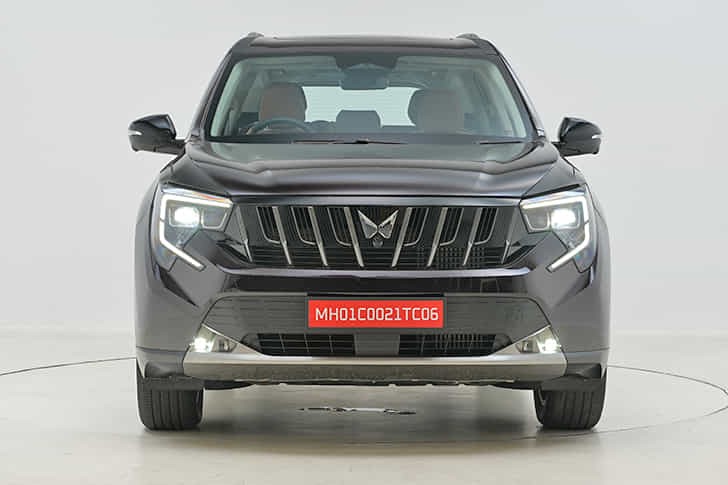
With a yearly running of 6000-7,000 km, diesel does not make financial sense. The price premium for the diesel engine will take too long to recover at your usage, and modern petrol engines are efficient enough for this kind of running. Between the Tata Harrier and XUV 7XO, the Mahindra car is the one we recommend. It offers a more refined ownership experience, a more polished cabin and a better overall balance between comfort and driving dynamics. Mahindra’s service network is also strong, and the 7XO has a good track record of reliability.
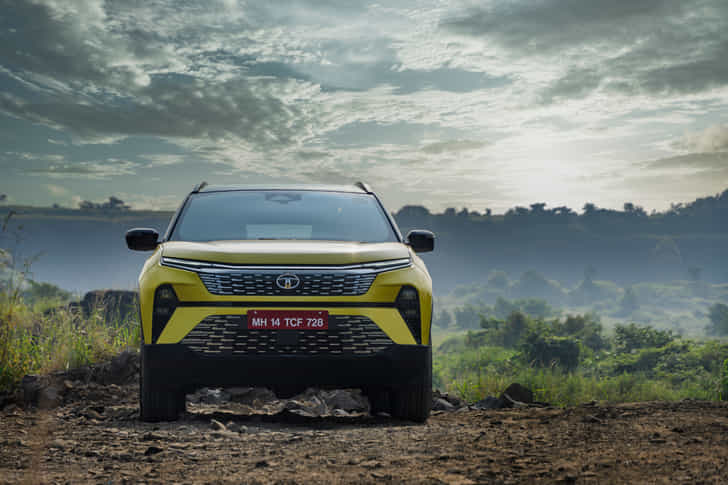
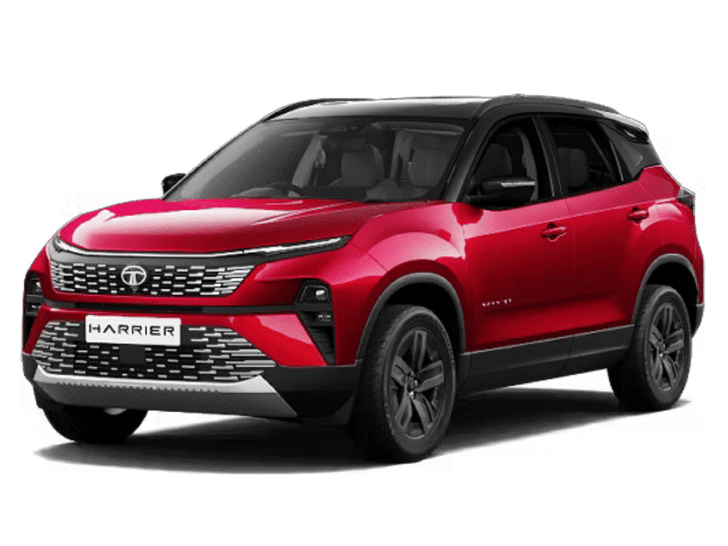
The Tata Harrier is a very capable SUV with excellent ride comfort, but Tata’s service consistency can still be variable depending on location. Go for the XUV 7XO petrol automatic. It will be the most sensible and satisfying long-term ownership choice for your usage and budget.
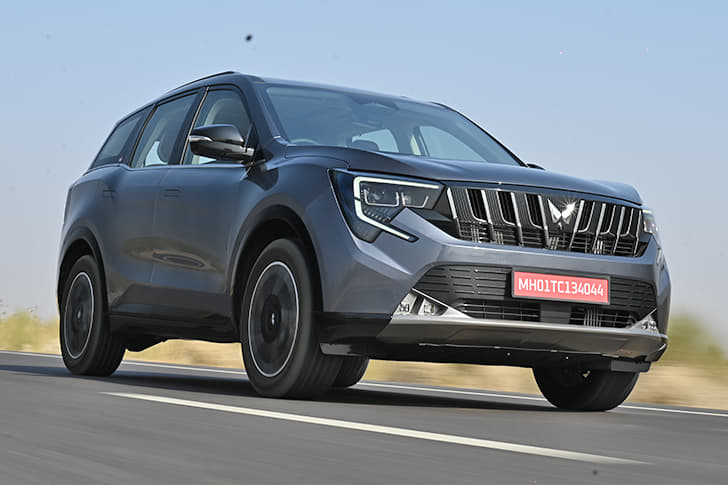
Mahindra XUV 7XO

Mahindra XUV 7XO

Was this helpful? Ask a follow-up

More questions on similar cars

1w

I drive approximately 3,000 km per month, with the majority of my travel on highways. I'm looking to buy a 7-seater vehicle, preferably a diesel automatic or a long-range EV, that I can comfortably use for around 2 lakh km. One of my key requirements is that all three rows should offer comfortable seating, as the vehicle will often be used for family travel over long distances. I'm also concerned about the future of diesel vehicles in India, especially since I frequently travel to metro cities like Mumbai, Pune, and Ahmedabad, although I live in a Tier-2 city. My budget is around 27 lakh. Considering my driving pattern, long-term ownership plans, reliability, running costs, comfort, and future regulations, which vehicle would you recommend?

Verified
1d

With 3,000km a month and mostly highway driving, a diesel automatic is still the most sensible choice. At Rs 27 lakh, the Kia Carens Clavis diesel automatic is the best fit. It is one of the few cars in this price range that genuinely offers comfortable seating in all three rows, which is critical for long family journeys. The diesel engine is refined, efficient and well-suited to high-mileage highway use, and the automatic gearbox is smooth and reliable. Kia's service also has a good reputation in India.Alternatively, consider the Mahindra XUV 7XO. It has a more powerful diesel engine, is packed with features and rides superbly. However, its third row is not as accommodating as the above-mentioned Kia car.An electric car can work for your needs, but you will need to plan your stops around charging. Charging infrastructure is improving, but it is still inconsistent in places. Overall, the Kia Carens Clavis diesel automatic is the best fit for your needs.

VehicleKia Carens Clavis
VehicleMahindra XUV 7XO
5d

I am planning to buy a Mahindra XUV 7XO petrol automatic and intend to keep it for 10-15 years. My biggest concern is not E20 but the possibility that India may move to E25, E27 or E30 during my ownership. Would you still recommend buying the 7XO today, or would you advise waiting or considering another powertrain? What is your assessment of the long-term policy risk versus the technical risk?

Verified
2d

We would still recommend the Mahindra XUV 7XO petrol automatic without hesitation. The technical risk is low, while the policy risk is manageable.The XUV 7XO's petrol engine is E20-compliant, which means it is engineered to handle a 20% ethanol blend without any issues. The main impact of a higher ethanol blend is a slight drop in fuel efficiency and, over a very long period, some additional wear on certain rubber components in the fuel system. These parts are generally inexpensive to replace.At present, there is no official roadmap for moving beyond E20. Even if India eventually adopts E25, E27, or E30, manufacturers would almost certainly issue clear guidance and support for existing vehicles. The greater uncertainty lies in government policy rather than in the vehicle's engineering.Waiting indefinitely for a hypothetical future policy change is not a practical ownership strategy, particularly when the XUV 7XO is otherwise a strong long-term choice. Overall, the recommendation would be to buy the XUV 7XO today rather than let ethanol policy uncertainty dictate a 10-15-year ownership decision.

VehicleMahindra XUV 7XO

Popular discussions right now

Posted on: 22 Jul 2026