Autocar India
9h

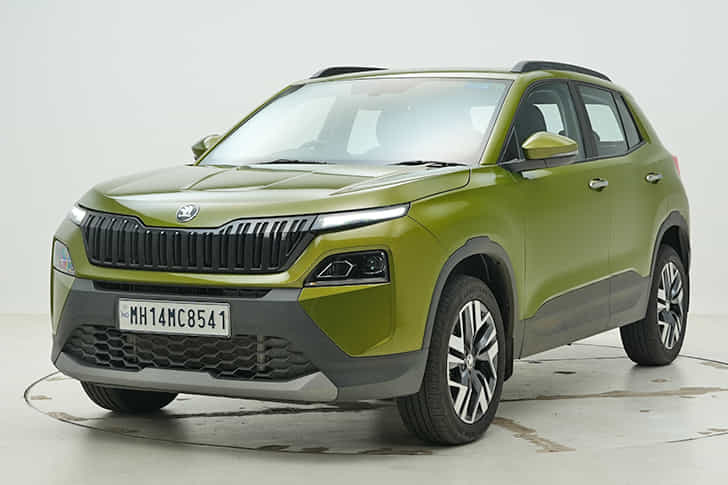
Hi team Autocar, my usage is 16 km which includes 3 days a week on outer ring road in Bangalore. I take a maximum of 2-3 highway trips in a month around Bangalore. I have shortlisted Kylaq AT which I found peppy enough and has less turbo lag as well as XUV 3XO at that has noticable turbo lag. I am leaning more towards Kylaq but I am a little concerned about its AC performance, higher maintenance that may occur after warranty, EPC error and vehicle going into limp mode and being stalled in the middle of the highway. Do these issues happen in Mahindra as well? Do you think one should choose 3XO over Kylaq. What's your take on this?

Verified
3h

Both cars would suit your requirements well -16-18km, 3 days a week on Bangalore’s Outer Ring Road plus a couple of highway trips a month - so you can't really go wrong with either car. On your concerns: the Kylaq’s AC is adequate for Bangalore conditions. The higher maintenance cost post-warranty is a valid consideration, but it is not dramatically higher than Mahindra if you maintain the car properly and stick to authorised service. EPC errors and limp mode are not widespread issues on the Kylaq; they are rare and usually resolved under warranty. The 3XO is not immune to reliability issues either, so it should not be the deciding factor.Between the two, if you want a more nimble and fun to drive car opt for the Kylaq and if rear seat space is important go with the 3XO.

VehicleSkoda Kylaq
VehicleMahindra XUV 3XO
Skoda Kylaq
Skoda Kylaq
6h

Currently, I own a Kia Sonet Diesel Manual and Scorpio N diesel manual. I want to replace Scorpio N diesel manual with a mid-size SUV EV. So, I’m waiting for the Mahindra BE 07 since the XEV 9e is too big for my daily commute and the Mahindra BE 6 isn’t suitable for a family. I am replacing my Scorpio N because there’s too much traffic in the city, parking constraints, and that car is huge, and I want to drive something smaller for daily commute. My usage is 70% within city and 30% within highway.

Verified
4h

You are making the right call moving away from the Scorpio N. It is ok as a highway SUV, but in dense city traffic and tight parking, its size becomes a daily headache. The XEV 9e would put you in exactly the same situation, so it is not the right replacement. The BE 6 is a good EV, but it is more of a coupe-style SUV with a sloping roofline, which compromises rear headroom and practicality for family use.The BE 07 is the right car to wait for. It is Mahindra’s upcoming flagship EV and is expected to be a proper midsize SUV with a more practical, family-friendly cabin. It should offer the right balance of size, space and EV performance for your 70:30 city-highway usage. The only caveat is timing - if you need a car soon, the BE 07 may not arrive quickly enough.If you want an alternative that is available now, the Hyundai Creta EV is a very good option. It is spacious and practical EV with a comfortable ride and a family-friendly cabin. It is not as rugged as the Scorpio N, but for city commuting and occasional highway runs, it is a very well-rounded package, moreover the electronics and powertrain are very well calibrated making for a fuss free and easy drive experience and with very good reliability. Not something todays current EVs can boast off. Overall, your thinking is correct: the BE 7 is the right size and type of EV to replace a Scorpio N for city-focused family use. If you can wait, it is worth holding out for to see if it shapes up well. If not, electric Hyundai Creta is the best available alternative at the moment.

VehicleMahindra BE.07
VehicleMahindra BE 6 Sporteq
VehicleMahindra XEV 9e
VehicleMahindra Scorpio N
VehicleHyundai Creta Electric
9h

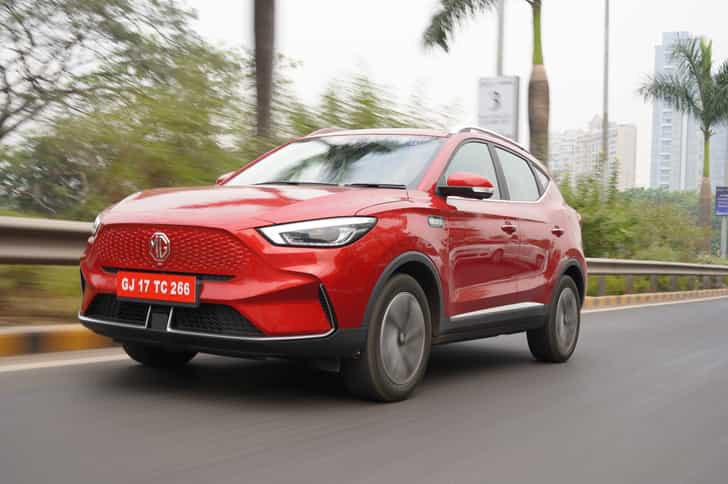
Hi, I am looking to change my 2020 Kia Sonet top-end diesel automatic. It has covered around 33,000km and has been a great car, but I want to change it now. I am considering an EV and have shortlisted the MG ZS EV Excite Pro. I am a senior citizen, with minimal usage of around three local errand trips a week and an annual running of around 4,000-5,000 km, including a couple of outstation trips. Please advise.

Verified
5h

With your usage pattern of around 4,000-5,000 km a year, mostly local errands and a couple of outstation trips, the MG ZS EV Excite Pro is actually a very sensible choice. For your kind of usage, the low running costs and ease of driving in the city make a strong case for an electric car.The only thing to be mindful of is your outstation trips. The ZS EV has a real-world range of around 320-350 km, depending on driving style and conditions. If your outstation trips are within that range, the car will work very well. If they are longer, you will need to plan charging stops, which is manageable but relies heavily on the availability of chargers and the reliability of power supply in the region.The other thing to consider is home charging. If you have a dedicated parking space and can install a charger, only then does the ownership experience become seamless. Overall, given your usage and the fact that you are looking for a comfortable, hassle-free ownership experience, the MG ZS EV Excite Pro is a very good choice. It will be a significant upgrade from the Sonet in terms of refinement and running costs, and it is one of the most well-rounded EVs in the market today.As a Kia owner, you could also consider the new Syros EV, which feels far more modern than the ZS EV and should offer even better range.

VehicleMG ZS EV
VehicleKia Syros EV
MG ZS EV
MG ZS EV
12h

My daily running is around 70km, mainly on rural roads and highways. My budget is Rs 10-15 lakh. Fuel efficiency and safety are my top priorities, followed by reliability and good performance on highways and rural roads. For my usage, should I buy a CNG car or an EV? Please suggest the best options available in India within my budget, with good safety, and compare their purchase price, running cost, range/mileage, maintenance and suitability for rural and highway driving.

Verified
9h

With a daily running of 70 km on rural roads and highways, fuel efficiency and safety as top priorities, and a budget of Rs 10-15 lakh, a diesel car is the most sensible choice. Diesel engines are inherently more fuel-efficient than petrol or CNG, and they deliver strong torque at low revs, which is exactly what you need for overtaking on highways and tackling rural roads. Modern diesel cars are also far more refined and reliable than they used to be, and with your kind of running, the cost savings over time are significant.CNG is not the right fit here. While it is cheap to run, it comes with compromises that do not suit your usage. Refuelling infrastructure is still patchy in many rural areas, the boot space is compromised, and performance on highways is noticeably weaker, especially when overtaking or climbing gradients. CNG works best for city commuters with predictable routes and easy access to filling stations.Electric cars are also not ideal for your use case. While they are cheap to run and great in the city, your daily running is already quite high, and rural charging infrastructure is still developing. Range anxiety on longer highway runs and the lack of fast chargers in remote areas can become a real issue. EVs make the most sense when you have home charging and predominantly city usage.Within your budget, the Mahindra XUV 3XO diesel and Tata Nexon diesels are good options. They are safe and well-built, with strong diesel engines, good ground clearance for rural roads, and a comfortable highway ride. They also come with a 5-star safety rating, which aligns with your priorities.

VehicleMahindra XUV 3XO
VehicleTata Nexon
Mahindra XUV 3XO
Mahindra XUV 3XO
11h

I am looking to buy a new car and am confused between two options: the Renault Duster Techno+ 1.3 DSG and the Volkswagen Virtus 1.0 GT Line. I will be driving the car daily for an office commute of about 20 km. I plan to keep the vehicle for 3 to 4 years and would like to know which one is the better choice in terms of features, resale value, premium feel, driving performance, and overall peace of mind.

Verified
9h

Go for the Virtus 1.0 GT Line. With a 20 km daily office commute and a 3-4 year ownership horizon, the Volkswagen Virtus is the more sensible and enjoyable choice. The 1.0 TSI engine paired with the torque converter automatic is smooth, efficient and well-suited to daily driving, while the GT Line trim gives you a genuinely premium feel inside the cabin. The Volkswagen car also offers a more refined ride and a lower centre of gravity, making it more confidence-inspiring on highways and in city traffic.The Duster Techno+ 1.3 DSG is a genuinely appealing driver's car with strong performance and a robust, planted feel, but the 1.3 turbo petrol has 'turbo lag' at low revs, is not as efficient in daily stop-start conditions, and the DSG gearbox is not as smooth as Volkswagen's torque converter automatic. The Duster also doesn't feel as premium inside, and Renault's resale value is unlikely to match Volkswagen's over a 3-4 year ownership period.The Virtus strikes the best balance between premium feel, driving performance, efficiency and overall peace of mind. It is the car you will be happier living with every day.

VehicleVolkswagen Virtus
VehicleRenault Duster
1d

I'm looking to buy the Seltos HTK(O) automatic but am confused between the 1.5 NA petrol IVT and the 1.5 diesel turbo TC. The petrol is costing me around Rs 17.9 lakh, while the diesel is around Rs 19.7 lakh, before any discounts or negotiations. My monthly running is likely to be around 1,200-1,300km, with roughly 60 percent highway and 40 percent city driving. This includes a 700km highway run to Dwarka from Bathinda and back, which is a regular trip, around 300-350km of office commute, and another 100-150km for weekend outings. In the petrol, I'm mainly concerned about E20-related issues such as moisture, the possibility of higher ethanol blends in the future, lower mileage and the engine feeling slightly underpowered, particularly during occasional trips to the mountains. With the diesel, my main concern is the possibility of DPF and EGR-related issues. The car will be driven by both me and my wife. Which one would you suggest for this usage? I'm more inclined towards the diesel, but the concerns around DPF issues are making me reconsider.

Verified
22h

Go for the Kia Seltos HTK(O) Diesel AT. Your running is around 1,200-1,300 km a month with a 60% highway bias, which is exactly the kind of usage where a diesel makes sense. The diesel engine is stronger on the highway, offers better overtaking performance and will be more efficient over long distances, so the higher upfront cost will be recovered over time. The DPF concern is understandable, but your usage pattern is actually ideal for a modern diesel – regular highway runs keep the system healthy and minimise the risk of issues. The petrol IVT is smooth and reliable, but it will feel less punchy on the highway and in the hills, and the fuel cost difference will add up over time. As for E20, modern engines are engineered to handle it, and there is no official roadmap beyond E20, so it should not be a reason to avoid petrol, but in your case the diesel is simply the better fit. The Seltos diesel automatic is a well-rounded package and will suit your usage perfectly.

VehicleKia Seltos
1d

Which of the three would be most suitable for cross-country trips involving a mix of smooth, average and bad roads: the Honda Elevate CVT, Maruti Grand Vitara Smart Hybrid AT, or Volkswagen Taigun 1.0 AT? My key criteria are reliability and safety, ride quality, and fatigue-free driving. I am also considering a few potential downsides: the NVH levels of the Elevate, the long-term reliability of the Smart Hybrid battery in the Grand Vitara, although this is not a deal-breaker, and the possibility of EPC-related faults in the Taigun. I would appreciate some expert advice on which of these three would be the best overall choice for my requirements.

Verified
1d

For your requirements, the Honda Elevate CVT is the most balanced choice. It is a simple, robust and reliable package with a proven naturally aspirated petrol engine and a smooth CVT gearbox, which makes it well suited for long-distance touring. The Elevate also offers a comfortable ride, good ground clearance and a suspension setup that can handle a mix of road conditions, including bad patches, without feeling fragile. Honda’s long-term reliability track record is strong, and the car’s simplicity is actually an advantage for ownership over 5-10 years.The Maruti Suzuki Grand Vitara Smart Hybrid AT is also a good option, but the hybrid system adds complexity without a significant advantage on long highway runs, where the fuel savings are less pronounced. The battery is not a major reliability concern, but it is still an additional component to consider over long-term ownership.The Volkswagen Taigun 1.0 TSI AT is the enthusiast’s choice with a more engaging driving experience and strong performance, but your concerns about EPC-related faults are not unfounded. While Volkswagen has improved reliability, the ownership experience is still not as hassle-free as Honda or Maruti.

VehicleHonda Elevate
VehicleMaruti Suzuki Grand Vitara
VehicleVolkswagen Taigun
Honda Elevate
Honda Elevate
1w

I’m looking for an Audi, BMW or Mercedes-Benz test-drive car that has covered less than 5,000 km and is priced within a budget of Rs 65-70 lakh. Which would be the best cars available in this budget?

Verified
1d

Firstly, don’t assume that a low-mileage test-drive or dealer demo car will be easy to find. The best examples are often sold quickly, and availability will vary sharply by city, dealer and model.A Mercedes-Benz E-Class would be our pick if you can find a clean, well-specced example, but even one with under 5,000km may stretch beyond your Rs 65-70 lakh budget. Also, many dealer demo cars are unregistered. That means you become the first registered owner, which is a plus, but it also means the dealer may not discount it as aggressively as a formally pre-owned car.You could also look for a BMW 5 Series LWB demo car, although finding one within budget may again be difficult. The more realistic option could be an Audi A6, especially because Audi has historically offered strong discounts on outgoing or slow-moving stock. Do check availability with your local dealer, though, as stock can be limited depending on the city and the model year.For this money, our more practical recommendation would be a nearly new BMW 3 Series. It is likely to fit the budget more comfortably, is genuinely engaging to drive, and should offer a newer car with lower financial risk than stretching for an E-Class or 5 Series.Whichever route you choose, insist on a full-service record, tyre and brake inspection, accident-repair history, remaining warranty details, and clarity on whether the car has been registered. A dealer demo can be good value, but only if the discount properly reflects its usage and age.

VehicleBMW 3 Series
VehicleMercedes-Benz E-Class
VehicleAudi A6
VehicleBMW 5 Series LWB