Autocar India
2d

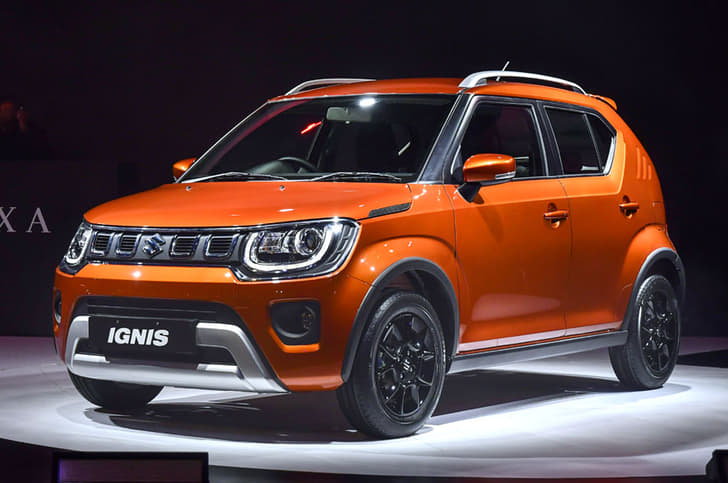
I have owned an Ignis since 2022 and have had no issues with it so far. However, I find the suspension a little too firm for my comfort. Is it possible to replace it with a softer suspension setup, similar to that of the Wagon R? Also, would such a modification affect my insurance coverage or create any issues with future insurance claims?

Verified
3m

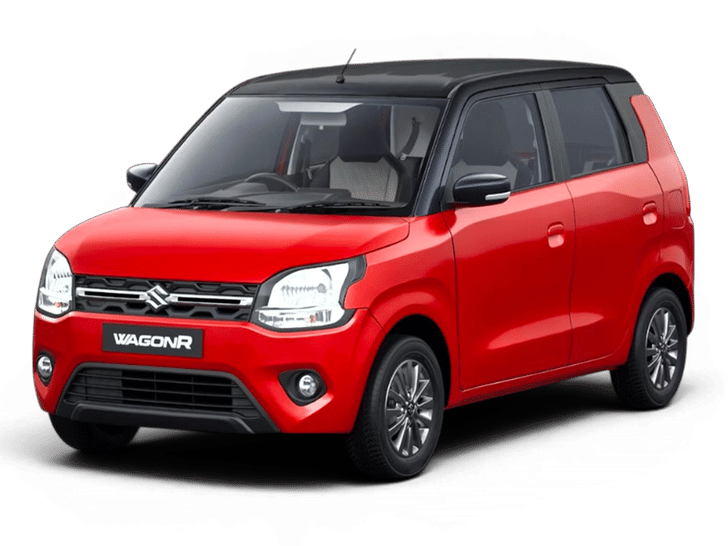
You can change the suspension to a softer setup, but it is not as simple as swapping in Maruti Suzuki Wagon R parts. The Ignis and Wagon R have different suspension geometries, weights and chassis setups, so directly fitting Wagon R components is not recommended. The better approach is to look for aftermarket suspension options specifically designed for the Ignis; however, most kits are engineered for sportier handling rather than comfort.

From an insurance perspective, changing the suspension will not automatically void your insurance or cause claim issues. The bigger question is whether the change is worth it. The Ignis is tuned for a slightly firmer, more planted feel, and while a softer suspension will improve comfort, it may also introduce more body roll and reduce the car's nimble character. 

If ride comfort is your top priority, it is worth considering whether a car change to a more comfort-oriented offering might be a better long-term solution.

Help Hitesh with similar question

More posts on similar cars

4d

I am looking for an automatic car under Rs 15 lakh, although the budget can be somewhat flexible. My monthly running is no more than 500km, largely within the NCR, with only occasional weekend trips to Haryana, Uttarakhand and Himachal Pradesh. I am open to petrol, EV and hybrid options, but given my low usage, a petrol car would probably make the most sense. However, the uncertainty around fuel-blending policies is what has made me consider an EV. With such low running, I am also concerned that a DCT gearbox may not be ideal, so I would prefer a car with a torque-converter automatic. A Hyundai dealer mentioned that Hyundai’s DCT and torque-converter automatics are essentially the same, but I am not convinced that is correct. I would appreciate some recommendations based on these requirements.

Verified
3h

Go for a petrol automatic with a torque converter gearbox. Your usage is low, mostly city with occasional highway trips, so petrol is the right choice and a torque converter automatic is the most reliable and stress-free option for city driving. The Hyundai dealer is incorrect – Hyundai cars use DCT gearboxes on turbo petrol engines and torque converter automatics on naturally aspirated petrol engines, and they are both completely different. DCTs can feel jerky in stop-start traffic and can throw up some issues, while torque converters are smoother and more reliable in the long run.The Maruti Suzuki Brezza automatic is the most sensible recommendation here. It uses a 6-speed torque converter automatic, is reliable, easy to drive in the city and has Maruti’s strong service network; the ride too is geared for plush low-speed city comfort, on highways though there is some float at higher speeds. On the EV side, your low running does not justify the higher upfront cost, and you do not have a clear financial case for it. On the fuel blending concern, modern petrol engines are engineered to handle E20, and there is no official roadmap beyond that, so it should not be a reason to avoid petrol. Furthermore, Maruti has said that they have built in a higher margin for material compliance to slightly higher ethanol blends, so on the material front you should be fine; mileage, though, would likely drop with higher ethanol blends, but this would be true across models. Thus, go for the Brezza automatic and you will have a hassle-free ownership experience.

Vehicle
5d

I’m planning to keep my next 7-seater for 8–10 years. My annual running is around 12,000km, mostly on the highway, although the car may sometimes remain parked for 3–6 months because I work abroad. My budget is around Rs 18 lakh, with some flexibility of another Rs 1–2 lakh, and I prefer a manual. I’m currently considering the Hyundai Alcazar Executive petrol, Alcazar diesel and Mahindra XUV 7XO base/AX3 diesel. The XUV 7XO is a large and heavy car, so I’m concerned that the petrol version may not deliver good real-world fuel economy. The Tata Safari petrol is also on the list, but I have some concerns about Tata’s after-sales service. My priorities are long-term reliability, real-world mileage, maintenance costs and overall peace of mind rather than just features. I’m also considering the implications of E20 petrol and potential DPF/AdBlue-related issues with a diesel car that may sit unused for several months. The XUV 7XO’s lower variants also have a long waiting period, whereas Hyundai is currently offering a Rs 1 lakh ex-showroom discount on the Alcazar. I’m currently driving a 2008 Maruti Suzuki SX4 petrol manual. There are six adults and a toddler in the family. Considering all these factors, which one would you personally buy in this situation, and why?

Verified
6h

Go for the Hyundai Alcazar Executive Diesel Manual as it best fits your requirements. Your usage of 12,000 km/year, mostly on highways, means a diesel manual makes sense because the fuel savings will add up over time, and the Alcazar diesel is a proven, reliable package with a comfortable ride and a strong service network. The Alcazar is also a more manageable size than the Mahindra XUV 7XO, and the discount you are getting makes it even better value. The XUV 7XO diesel is a great car, but the long waiting period and larger size make it less practical for your needs. The Tata Safari petrol is not the right choice here because your usage is highway-heavy and diesel is the better fit. The Alcazar diesel will give you the best balance of efficiency, reliability and peace of mind over the long term.

Vehicle
Vehicle
Vehicle

Expert reviews worth reading

Popular discussions right now

Want to sell your car?

Sell your car at the right price, without the stress.
Posted on: 23 Aug 2026