
Autocar India
VG

Vishal Garg

15w

Hello. We are looking for a new 7-seater for our family that will mainly be driven by my 65-year-old father. The monthly running will be 800-1000 km, mostly city driving. We want comfort, good performance, decent mileage, and easy-to-use controls rather than too many tech features. Our budget is ₹25 lakh. We had shortlisted the XUV 7XO and XEV 9S, but all the controls on the screen are difficult to use even for me. Now we are confused between the Safari diesel and petrol variants regarding mileage, maintenance cost, and more. Could you please suggest other options and help clear our doubts?

Autocar India team

Autocar India

Verified
14w

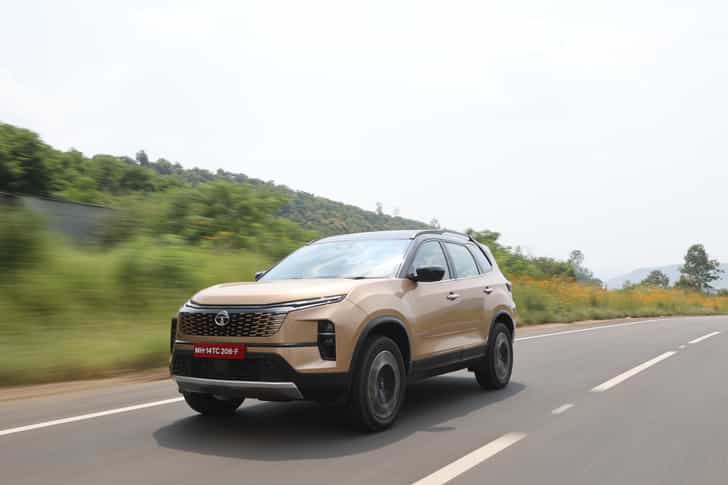
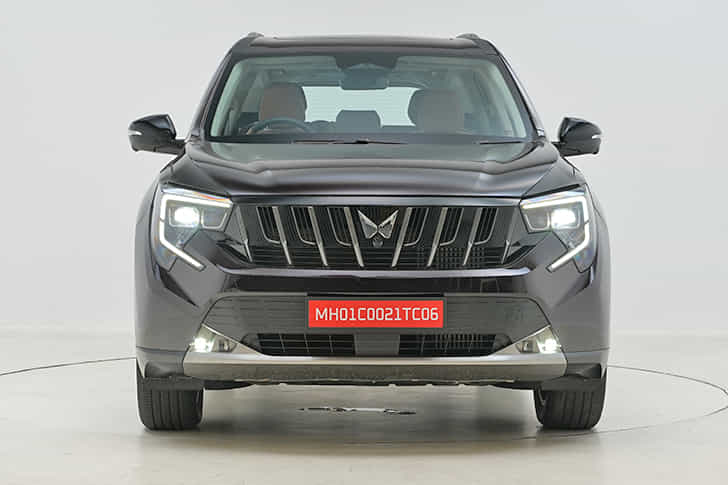
Go for the Tata Safari turbo-petrol. It is far more suited as a seven-seater than the Mahindra XUV 7XO, due to a more spacious third row. Also, the Sierra's touchscreen and user interface are far simpler than the Mahindra's, which can feel a bit overwhelming, at least initially.

While we haven't extensively tested the Safari turbo-petrol, expect single-digit fuel efficiency in urban conditions. It is expected of such a large SUV. If running costs matter, then you could consider the diesel version instead. 

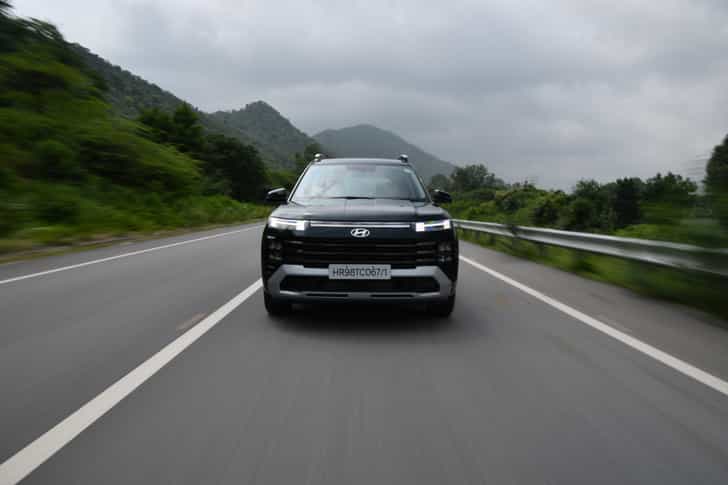
Relatively smaller and easier to drive 7-seater options are the Hyundai Alcazar and Kia Carens Clavis, which come with turbo-petrol and diesel automatic options.
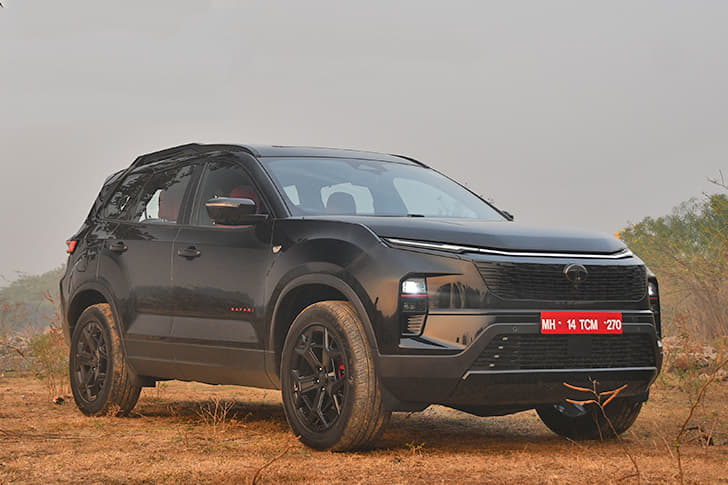
Tata Safari

Tata Safari

More questions on similar cars

CH

Christopher

1d

I am planning to buy a 7-seater with a panoramic sunroof, which is a must-have for my kids. I drive around 2,200 km per month, mostly solo, with 95% of my usage on highways. The 7-seater will be used only occasionally, about 5-6 times a year. Given my usage, is it worth going for a 7-seater, or would a spacious 5-seater like the Maruti Suzuki Grand Vitara be a better choice? I also need good driver seat comfort, as I drive long distances frequently.

Autocar India team

Autocar India

Verified
1d

The Mahindra XUV 7XO diesel suits your usage perfectly. With high monthly running and mostly highway driving, you need a car that is stable, comfortable and effortless to drive, and the 7XO delivers on all three. It has a strong engine, a comfortable ride and feels planted at highway speeds. Driver seat comfort is also very good, which matters given how much you drive. The third row is not the most spacious or practical, but for occasional short trips, it works well and meets your requirements.If you specifically want a 7-seater with a better third row, then the Tata Safari is worth considering. It offers a more comfortable and spacious rear section. However, on most other aspects, the XUV 7XO remains the better overall product.On the question of choosing a 5-seater instead, it is strongly recommended to go for a 7-seater. It is not safe to carry more than five people in a 5-seater, even occasionally, and a proper 7-seater gives you that flexibility without compromise.Now, coming to the sunroof, since it is a key requirement for your children. Both the XUV 7XO and the Safari offer a panoramic sunroof, and it genuinely enhances the cabin experience. That said, it is important to treat it as a feature to enhance ambience, not as something to be used while standing or sticking out. It may seem fun, but even at low speeds, it can be unsafe in case of sudden braking or an impact.

VehicleMahindra XUV 7XO
VehicleTata Safari
MB

MB

11h

I am considering the Kia Clavis petrol for my family of six. I am a relaxed driver with mostly city usage and occasional long road trips. I am conscious about my budget but willing to stretch if it is the right choice for the next 7 years. I am confused about which transmission to choose — naturally aspirated petrol, turbo petrol manual, or turbo petrol DCT. I have heard about DCT issues in slow-speed traffic and uphill driving. Given this, would going with the naturally aspirated petrol be sufficient, or should I consider the turbo petrol manual instead? Currently, I drive a Honda City i-VTEC manual, and during uphill driving with a full load, it feels underpowered and requires frequent downshifts. Could you please advise on the best option for my usage?

Autocar India team

Autocar India

Verified
2h

You have already experienced how a naturally aspirated engine feels under load in your Honda City, especially on inclines. In a larger and heavier car like the Kia Carens Clavis, that limitation will be even more noticeable. With six people on board and occasional hill drives, the naturally aspirated petrol will feel strained and require frequent downshifts, which takes away from the relaxed driving experience you are looking for.The turbo petrol solves this. It offers stronger low and mid-range performance, making city driving easier and highway or hill driving far more effortless, even with a full load. It reduces the need for constant gear changes and feels more relaxed in real-world conditions. The DCT does offer convenience, but your concern is valid. In slow traffic and uphill situations, it can feel less smooth and slightly hesitant, which does not suit your usage.That said, since you are based in Gurugram, where traffic can get quite heavy, you should be prepared for the manual to feel tiring in daily stop-and-go conditions. If convenience becomes a bigger priority, the DCT is still usable, but it comes with the trade-off of low-speed smoothness.

VehicleKia Carens Clavis
VI

VIJAY

2d

Hi Autocar, I am planning to buy a car that offers good comfort and strong road presence with an on-road budget of ₹14 lakh. I have shortlisted the following options: Skoda Kushaq base variant, Kia Seltos base variant, Kia Carens Clavis base variant, Mahindra XUV 3XO base variant, and Citroen Aircross 7-seater. We travel long distances once a month, and I already own a 2017 Swift ZDi diesel variant. Kindly suggest which car I should choose from the above options and also recommend the most suitable variant. Since I have provided multiple options to the Autocar team, I would really appreciate your advice as a car enthusiast.

Autocar India team

Autocar India

Verified
22h

For one long highway trip a month, a ₹14 lakh on-road cap, and a step up in comfort from your Swift diesel, the Kia Seltos HTE 1.5 petrol manual suits you best. As far as base variants go, the Seltos is very well equipped, with features like cruise control, keyless entry, and an HD infotainment screen with wireless phone connectivity. The new generation also rides better than the last one, has a roomier cabin, and better road presence. Compared with your Swift, it will feel far more spacious and calmer at speed, and the big boot makes luggage easy.The Skoda Kushaq and Mahindra XUV 3XO base variants are good choices, but will feel a bit smaller on the inside. If you need 7 seats, the Kia Carens Clavis offers a similar experience to the Seltos, but its base trim is not as well equipped. The Citroen Aircross 7-seater offers superb ride comfort, but the service reach is still limited in many cities.Overall, for your use, the Seltos base lines up best.

VehicleSkoda Kushaq
VehicleKia Seltos
VehicleMahindra XUV 3XO
VehicleKia Carens Clavis
VehicleMaruti Suzuki Swift

Popular discussions right now

YA

Yash

1w

I am confused between the 7XO and Safari. I took the test drive of both and loved the rugged suspension setup of the Safari, but I also liked the easy driving nature and dynamics of the 7XO.

Autocar India team

Autocar India

Verified
5d

Between the two, the Tata Safari does a great job of projecting toughness. It feels solid, has that reassuring heft, and its suspension setup really shines on broken roads and you can carry speed with confidence and it just shrugs off rough patches.That said, the Mahindra XUV 7XO is the more rounded package overall. Its 2.2-litre diesel is not just more modern, but also noticeably smoother and stronger than the older Fiat-sourced 2.0-litre unit in the Safari. It delivers better drivability in everyday conditions, which makes a difference in city use as well as on the highway.Mahindra car has also worked well on the suspension, and the improvements show. The 7XO feels more composed, offers better ride comfort over a wider range of surfaces, and is simply easier to drive. It has lighter controls, better balance, and a more user-friendly nature overall.Where the Safari still holds an edge is in the third row. It’s more usable and accommodating, whereas the 7XO’s last row is quite tight and best reserved for occasional use.So unless third-row space is a priority, the 7XO stands out as the better all-rounder. It’s more refined, easier to live with, and ultimately the more modern SUV.

VehicleTata Safari
VehicleMahindra XUV 7XO
DW

Dr Waseem

2w

I am confused about whether to buy a new XUV 7XO diesel automatic AX5 or a 2-year-old XUV 700 AX5 diesel automatic with 19,000 km on the odometer.

Autocar India team

Autocar India

Verified
6d

If your budget allows, go for a new Mahindra XUV 7XO AX5 diesel automatic. It is the safer and easier pick. You get a fresh car with full warranty, no past accidents to worry about, and the latest software and small fixes that usually come after the first couple of years. Finance is simpler on a new car, resale later will be stronger, and Mahindra’s service network is wide, so upkeep is straightforward. The diesel automatic suits long drives and also handles city traffic well, with strong pull when you need it. Space, comfort and road presence are all there in this Mahindra car, which is why you shortlisted it in the first place.One thing to keep in mind is its size. It is a large car, so tight parking will need practice. Also, a diesel can sound a bit gruff at idle, and if your usage is only short city drives, you should take it on a longer run once in a while to keep the exhaust system in good condition.The only time the 2-year-old previous model with 19,000 km makes more sense is if you are saving good amount of money and it is a well-maintained, single-owner car. In that case, demand a full service record from a Mahindra workshop, get a dealer scan for error codes, check tyre and battery age, and confirm if any extended warranty can be transferred.

VehicleMahindra XUV 7XO

Posted on: 14 Jan 2026