Autocar India
RE

Rehan

19w

Hi, I am considering purchasing a car in the ₹70-80 lakh budget. I am confused between the Mercedes-Benz C300d and the BMW 330Li. Please advise whether I should opt for the six-cylinder 330Li or the four-cylinder C300d.

Autocar India team

Autocar India

Verified
16w
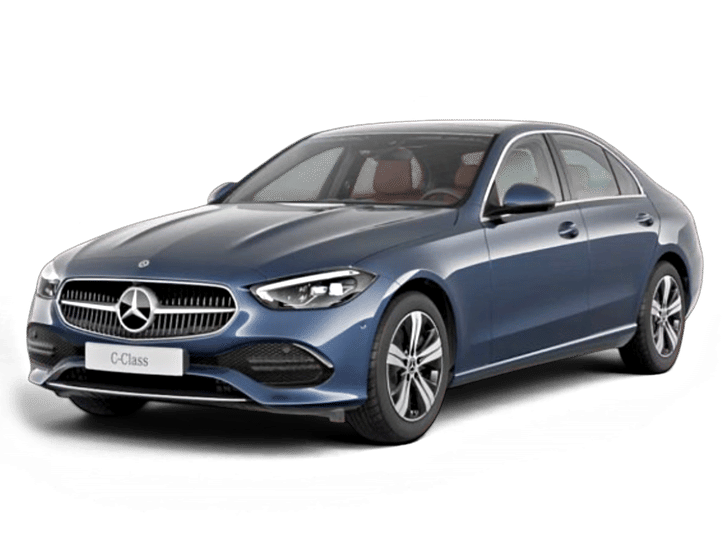
You have not mentioned your exact usage pattern, but if you are travelling long distances frequently and spend most of your time behind the wheel, the C300d makes sense due to its strong diesel engine, which is well-suited for highway driving.
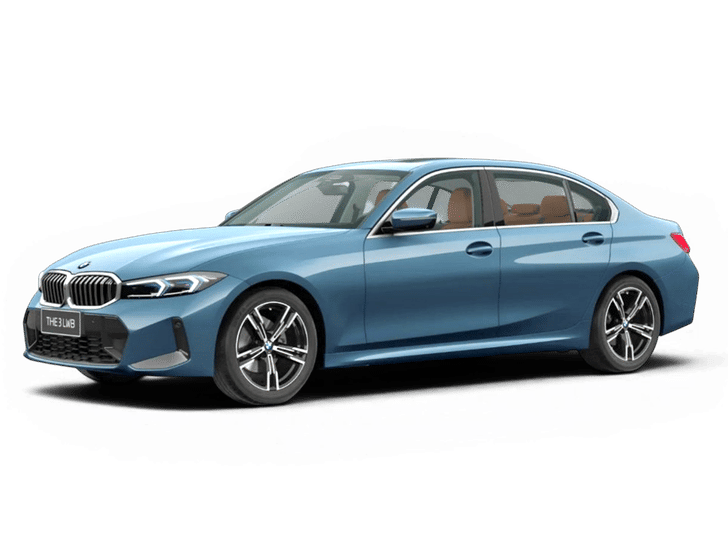
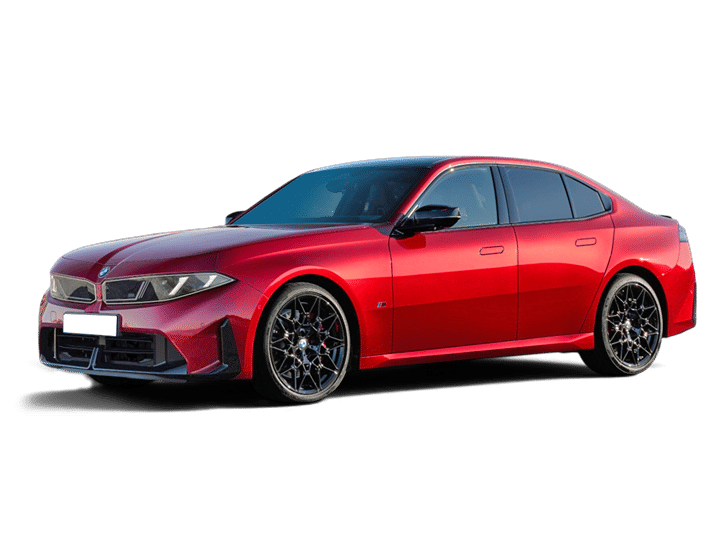
However, in most other respects, the 330Li is a better choice as its petrol engine is obviously smoother and more refined than the C300d’s diesel motor. To clarify, the engine powering the 330Li is BMW’s 2-litre, four-cylinder petrol and not a six-cylinder unit, so the number of cylinders should not be a deciding factor here.
Crucially, the BMW 330Li has a longer wheelbase than the C300d, and that means more legroom and far better comfort for rear seat passengers compared to the tight rear seat in the C-class, which also suffers from inadequate under-thigh support.
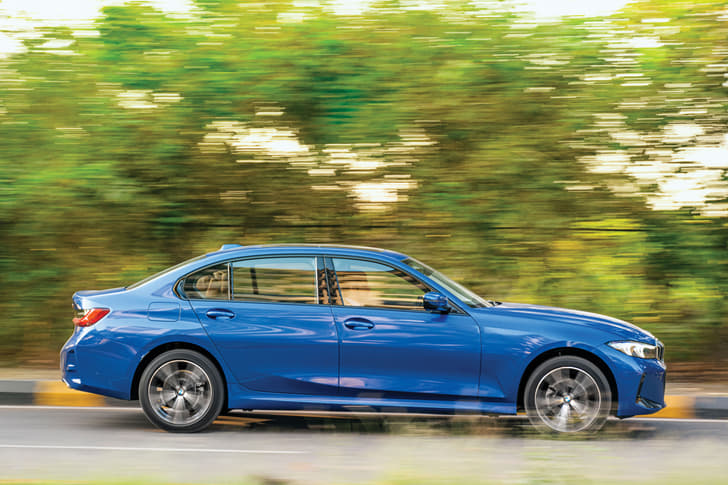
BMW 3 Series LWB

BMW 3 Series LWB

Explore cars mentioned
More questions on similar cars

SN

satya narayana

5h

I am confused between the XEV 9S and Harrier EV base models. Which one will be better for both city and highway driving?

Autocar India team

Autocar India

Verified
48m

The base Mahindra XEV 9S gets a 59kWh battery, with a 231hp/380Nm rear motor, and its claimed range is 521km. The entry-level Harrier EV on the other hand gets a 65kWh battery, with a 238hp/315Nm rear motor, and its claimed range is 538km. Even though their specifications are similar, the Mahindra car is Rs 1.5 lakh more affordable. For the money, the XEV 9S also gets you a premium kit like a dedicated passenger (third) touchscreen and panoramic sunroof, among others. Additionally, the XEV 9S has a lighter steering and a tighter turning radius, which makes manoeuvring the car much easier in the city. Additionally, the extra row of seats can come handy occasionally. Overall, the Mahindra XEV 9S comes across as the better pick of the two.

VehicleMahindra XEV 9S
VehicleTata Harrier EV
BH

Bhupender

1d

I live in Faridabad and drive around 1,500 km per month, with 70% city and 30% highway usage. Which petrol car would be better, the Tata Safari or the XUV 7XO?

Autocar India team

Autocar India

Verified
3h

With 70% city use in Faridabad and about 1,500 km a month, and since you want a petrol car, the Mahindra XUV 7XO petrol automatic (a mid-variant like AX5) is the better fit for you. Its petrol engine is smooth and quiet at low speeds, and more powerful than the Safari’s 1.5-litre engine. The automatic is well-tuned for stop-and-go driving, so it moves off smartly and does not fumble when you need a quick gap. On your highway runs, the strong petrol pulls cleanly for quick passes, and it feels stable with a well-sorted ride.A trade-off to note is that this Mahindra car can be thirsty in city traffic, so if you press it hard, fuel consumption can be higher than expected. Overall, the XUV 7XO is a good fit for your needs.

VehicleMahindra XUV 7XO
VehicleTata Safari
VI

Vikram

1d

Hi, I am planning to buy an automatic car for city use only, as I already own an XUV700 for highway driving. This new car will be on a 3-4 year company lease. I have shortlisted the Brezza ZXi automatic and the Kia Sonet diesel automatic HTX. Which one would suit me better? Also, is it worth waiting for the Brezza facelift, which is expected soon? My primary considerations are a smooth city drive, good fuel efficiency, and a nice cabin.

Autocar India team

Autocar India

Verified
3h

City-only use on a 3-4 year lease, with a smooth ride, low running costs and a pleasant cabin on top, in that brief, the Maruti Suzuki Brezza ZXi AT fits you better. In slow, busy traffic, the Brezza feels calmer and quieter because it is a petrol car, and its automatic transmission is smooth and easy to use. It also rides over broken patches more softly than the Kia Sonet. For short trips and lots of stop-start driving, a petrol is also simpler to live with.Pick the Sonet diesel automatic HTX only if your city runs are long and steady every day, and you care most about saving fuel. The Sonet can use less fuel in that case, and its cabin does look and feel richer than the Brezza. But it is a bit firmer over bumps, and you will hear the diesel at idle.The Brezza facelift is expected to be launched later this year and could get the 1.0-litre turbo-petrol from the Fronx, to fit into the lower 18% tax bracket. Overall, for a quiet, smooth, no-fuss city car, the Brezza ZXi automatic lines up best with what you want.

VehicleMaruti Suzuki Brezza
VehicleKia Sonet
VehicleMaruti Suzuki Fronx

Popular discussions right now

KY

Krishna Yadav

4d

I am planning to sell my Mahindra XUV700 and switch to the Renault Duster. I would like your expert opinion on whether this would be a good decision.

Autocar India team

Autocar India

Verified
4d

On paper and in real-world ownership, these are very different cars, and the Mahindra XUV 7XO sits in a clear segment above. The XUV 700 is a bigger, more complete SUV. It offers more space, better road presence, stronger performance and a far richer overall experience, including the option of a third row and a more premium cabin. It is designed as a proper family SUV and feels more capable on highways and long drives.The Renault Duster, even in its new form, is a simpler, more driver-focused and lighter SUV. It will likely be easier to drive in the city and feel more rugged and straightforward, but it is still a step down in terms of overall size, features and cabin experience.So the decision really comes down to intent. If you are moving because you want something more compact, easier to use daily and less feature-heavy, then the Duster can make sense. But if you are expecting it to feel like an upgrade or even equal to the XUV700 in terms of space, comfort and overall experience, it will not.

VehicleRenault Duster
DE

Devakumar

5d

I have booked the Tata Sierra Adventure Plus petrol manual, but I am now confused between the petrol and diesel manual variants, particularly in terms of mileage and performance. I am not interested in an automatic transmission. My annual running is less than 6,000 km. Could you please advise which engine option would be more suitable for my usage? Additionally, I would appreciate any alternative suggestions for a spacious car with good mileage that fits my needs.

Autocar India team

Autocar India

Verified
4d

The Tata Sierra is a big, heavy car, and the petrol engine, being a naturally aspirated unit, feels just about adequate, especially once you load it up or hit the highway. The diesel, on the other hand, suits the car far better with its stronger low-end pull, making overtakes easier and long-distance driving far more relaxed.That said, with your low annual running of under 6000 km, the petrol still makes sense if your usage is mostly in the city. It will feel smoother, easier to live with and perfectly adequate for everyday driving, even if it lacks that effortless punch on highways.If you are open to alternatives for a better petrol manual experience, the Renault Duster with its turbo petrol engine is a strong option. It feels far more effortless to drive, while naturally aspirated options like the Kia Seltos or Hyundai Creta offer a more refined and effortless experience than the Sierra petrol.

VehicleTata Sierra
VehicleRenault Duster
VehicleKia Seltos
VehicleHyundai Creta
RO

Rohin

1w

I am confused about buying the AMT version of the Skoda Kylaq, Tata Nexon, or Maruti Fronx. My budget is between 11 and 13 lakh. My usage is mostly city driving of about 1,000 km per month, with occasional long highway drives.

Autocar India team

Autocar India

Verified
3d

Between the three, the Skoda Kylaq is the best automatic for the money. It doesn’t use an AMT but a proper 6‑speed torque-converter with the 1.0 TSI, which is smooth, robust and easily the nicest for your occasional highway runs.The Maruti Suzuki Fronx 1.0 turbo also gets the same 6‑speed torque-converter auto, and while it is refined and efficient, it doesn’t have the same solid, European feel or driving dynamics as the Kylaq. However, from an overall cost-of-ownership point of view - price, fuel efficiency and service, the Fronx is likely to work out cheaper.The Tata Nexon in your budget doesn’t get a torque-converter. You mainly have a 6‑speed AMT, which is convenient but nowhere near as smooth or quick as a proper automatic. There is also a 7‑speed DCA dual‑clutch option, which is noticeably better than the AMT, but still not as seamless as the autos in the Kylaq and Fronx, and it can push the price higher.For 11-13 lakh, 1,000km a month in the city and the odd long drive, we would pick the Kylaq auto. If budget discipline and running costs are top priority, go for the Fronx 1.0 turbo automatic.

VehicleSkoda Kylaq
VehicleMaruti Suzuki Fronx
VehicleTata Nexon

Posted on: 27 Dec 2025