
Every helpful action can earn a badge.
I want to buy a 7-seater SUV EV. I can make the purchase anytime within the next six months. My priority is a real-world driving range of over 600 km. Which model would you recommend?

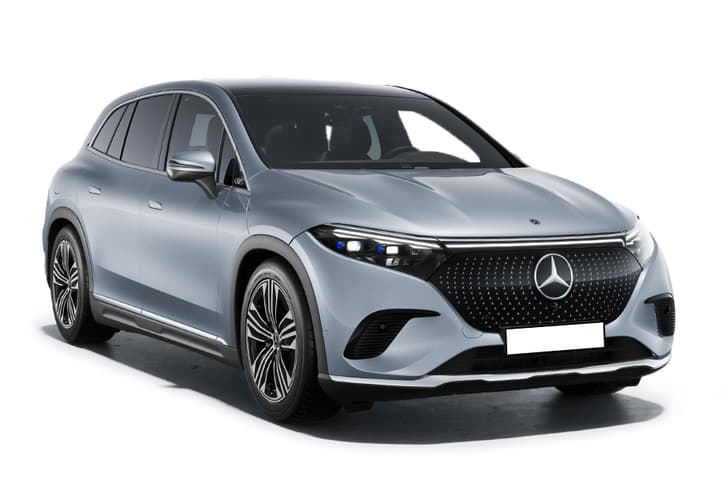
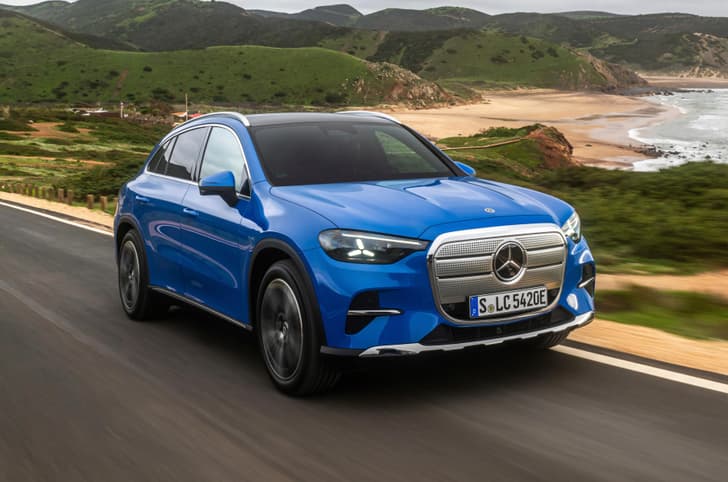
Unfortunately, there are very few EVs that will give you a real-world range of 600km - even though their official rating says so - and fewer still with a 7-seat layout. The only one that fits the bill is the Mercedes-Benz EQS SUV, whose price is around Rs 1.5 crore. If that fits your budget, then go for it, as it is one of the best luxury EVs you can buy in India today.
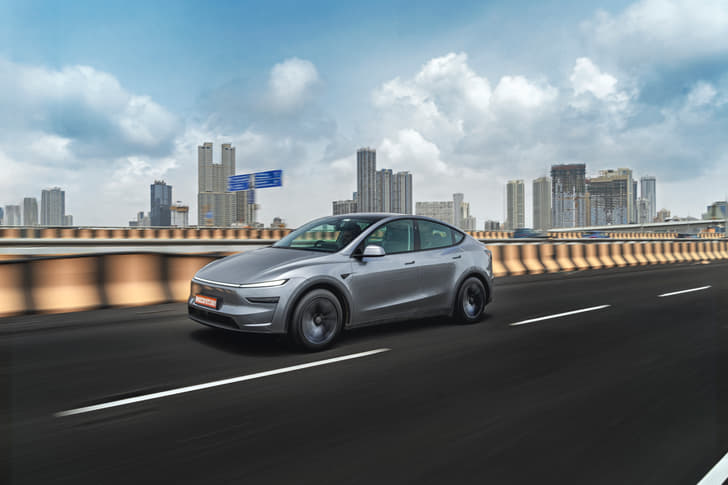
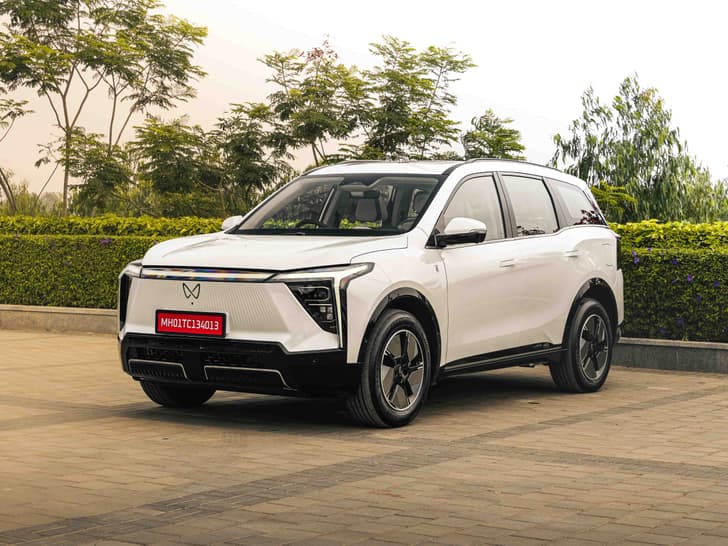
The other three-row EVs lower down are the Tesla Model Y L (6 seater) and the Mahindra XEV 9S (6/7 seater). Both have official ratings of over 650km, but the real-world range is likely to be more in the region of 500km. In our real-world range test, the XEV 9S with the largest (79kWh) battery pack returned 477km overall, and while we haven't range tested the Model Y L, previous Tesla models have proven quite efficient. If your budget can accommodate the Tesla at around Rs 65 lakh, you should get it. If not, the Mahindra at around Rs 22-32 lakh should be adequate.
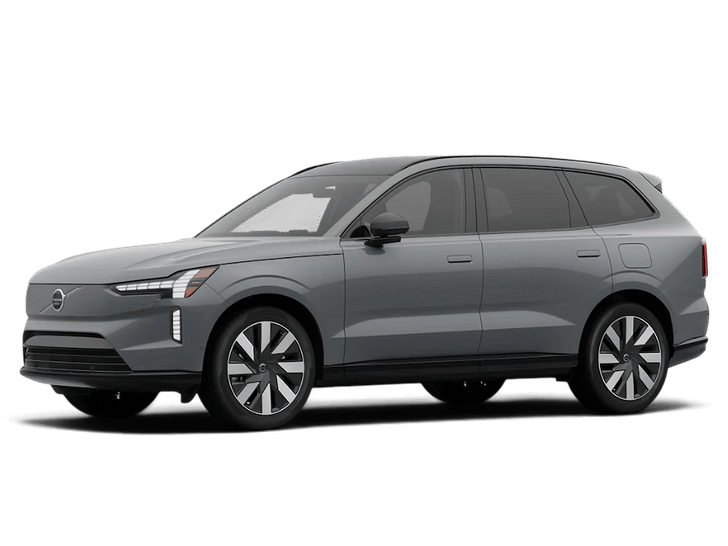
@ankur.15 Go for EQS SUV, or if your plan is in 6 months wait for volvo EX90 that is coming out in september.
More posts on similar cars
Has E20 fuel affected your mileage?

Curated collections
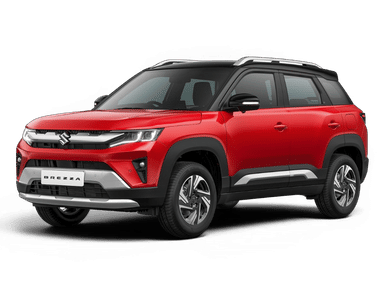
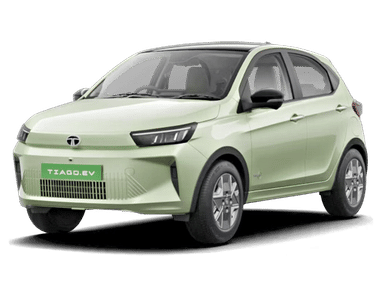
Is ADAS worth paying extra for in a car?
Popular discussions right now
Explore more posts in topics
Upcoming launch buzz
Community discussions on upcoming launches
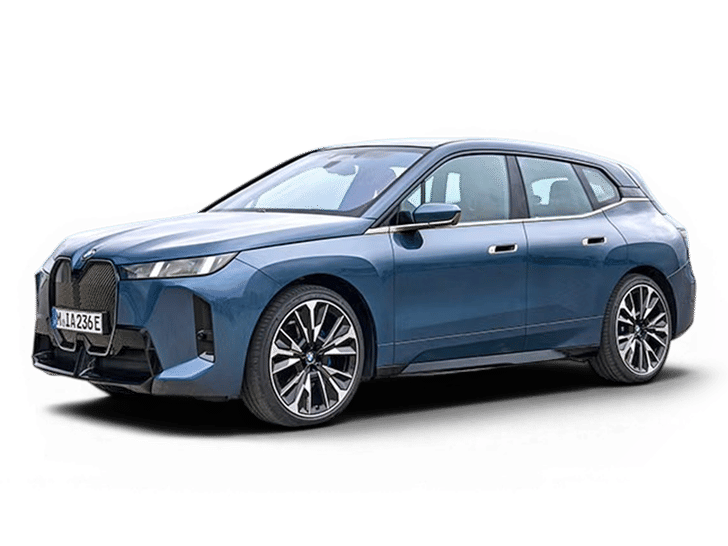
BMW
iX facelift
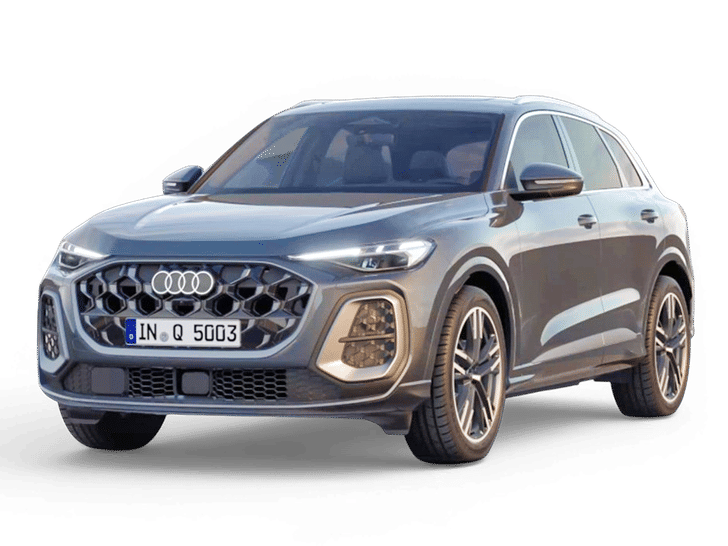
Audi
New Q5
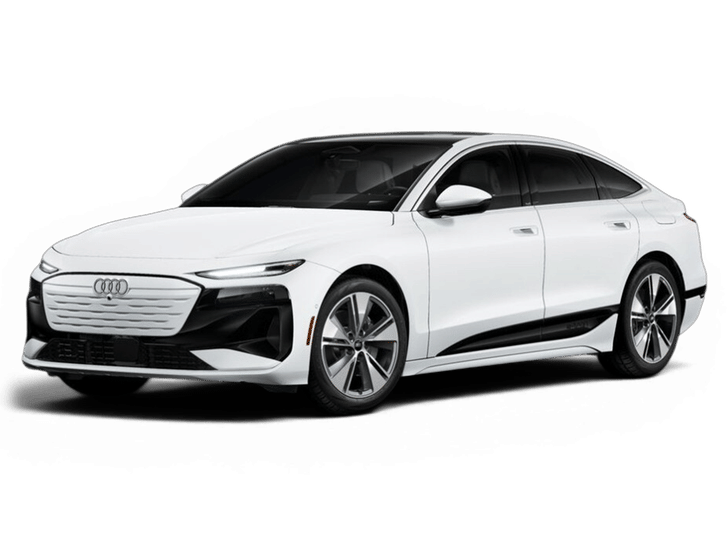
Audi
A6 e-tron
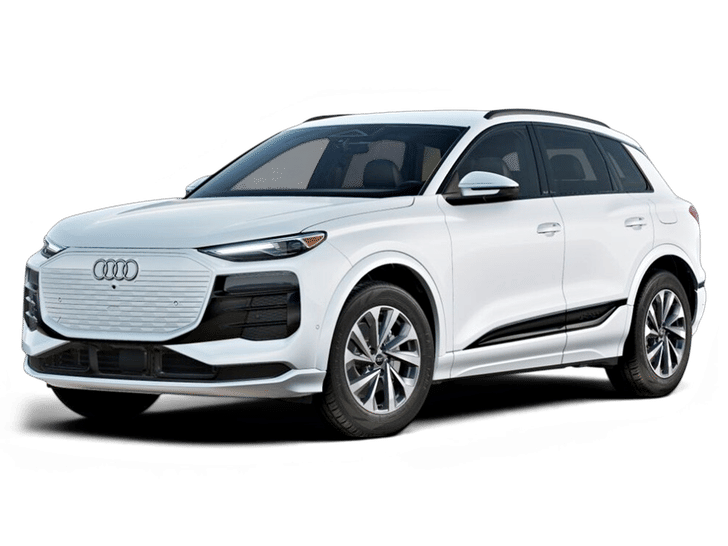
Audi
Q6 e-tron
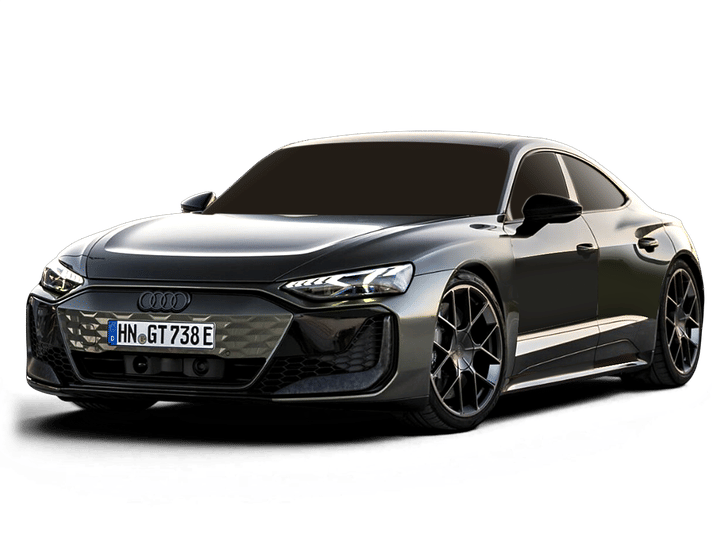
Audi
e-tron GT facelift

Volkswagen
Virtus facelift
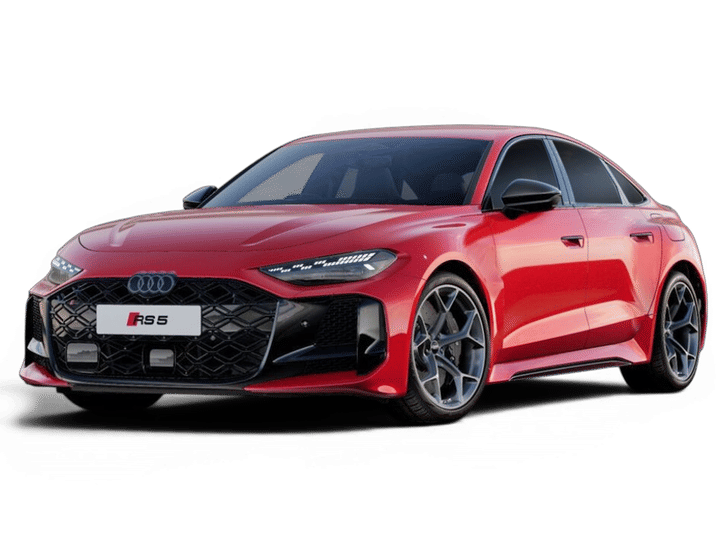
Audi
A5

Vinfast
VF5
Volvo
EX90
Volvo
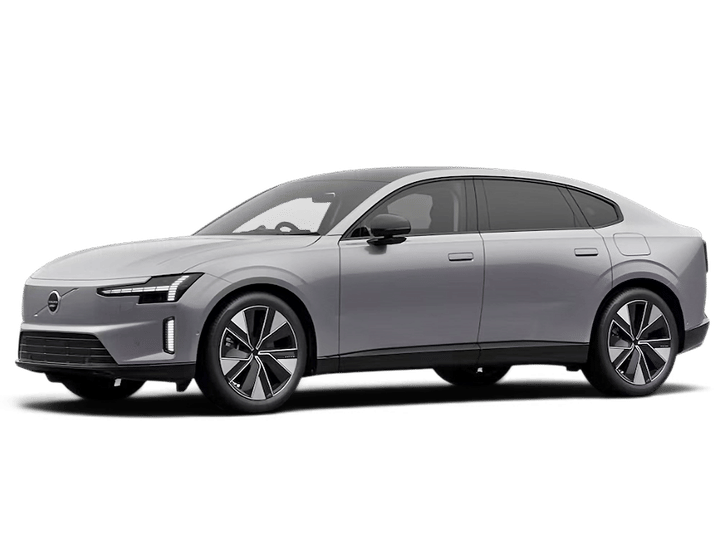
ES90
Find related posts in one place
Explore topics to stay in the loop




Posted on: 13 Jul 2026