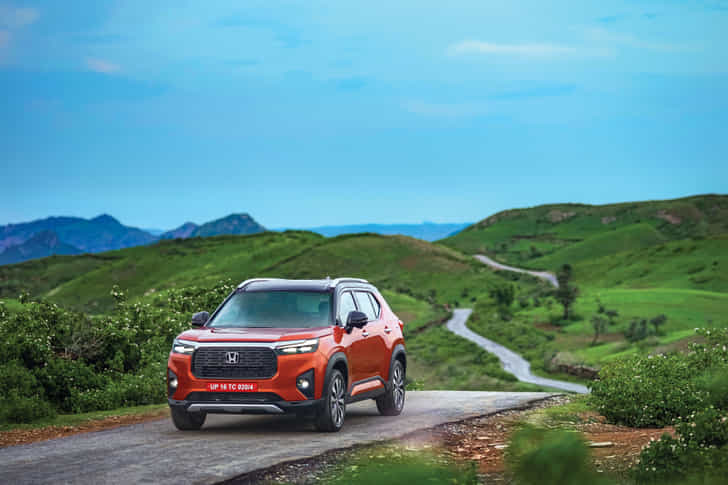
I am looking for a safe and fuel-efficient diesel or petrol car, and my daily travel is around 50km. I am looking for a car that will suit my needs for the next 7-8 years. Which would be the best car to purchase within my maximum budget of Rs 20 lakh?

 Kia SeltosMaruti Suzuki Victoris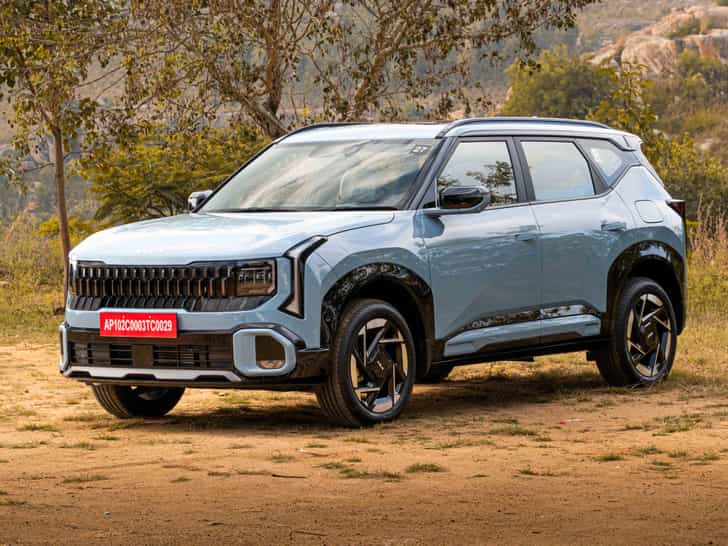
Hi Autocar Team, I’m looking to replace my current Tata Punch Accomplished Dazzle Sunroof AMT. I’m not very happy with the AMT gearbox and specifically want to move to a smoother automatic for Hyderabad traffic. My hard on-road budget is Rs 15 lakh. The car will mainly be used by my wife and me, along with our kid, so I’m looking for something that offers good safety, comfort, an automatic transmission, and a sunroof. My biggest priority is long-term ownership and reliability. I plan to keep the car for at least 6-8 years, so it should be reasonably easy and affordable to maintain, with good parts availability and decent resale value. Could you please suggest which car and variant you would personally recommend within a Rs 15 lakh on-road budget in Hyderabad? I’m currently considering cars such as the Maruti Brezza, Kia Sonet, Škoda Kylaq, and other compact/mid-size SUVs, but I’m open to better options. If you had Rs 15 lakh as a hard maximum budget and were replacing a Punch AMT, which car would you shortlist and why?
Maruti Suzuki BrezzaTata PunchSkoda KylaqKia SonetUpcoming launch buzz
Community discussions on upcoming launches
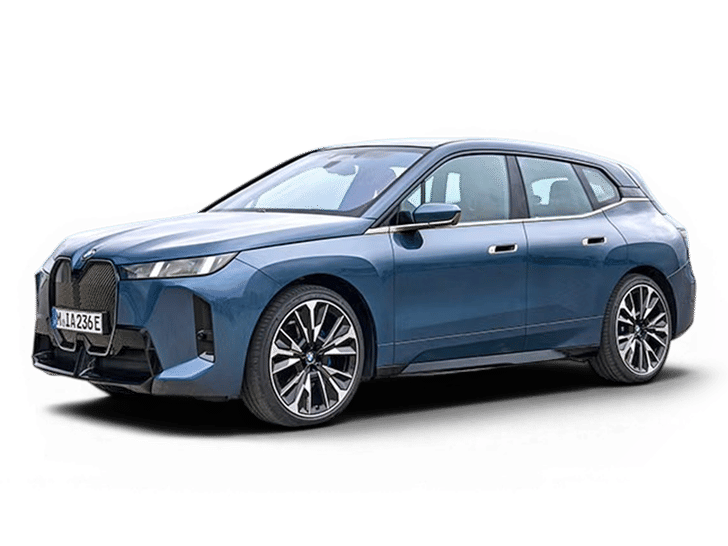
BMW
iX facelift
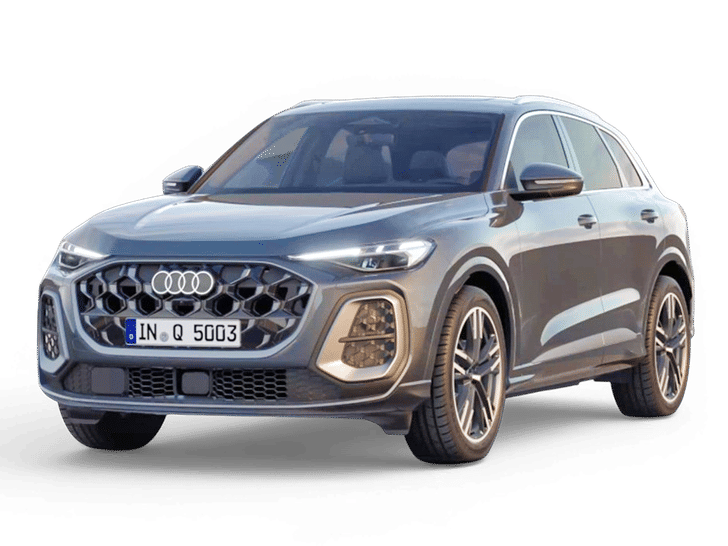
Audi
New Q5
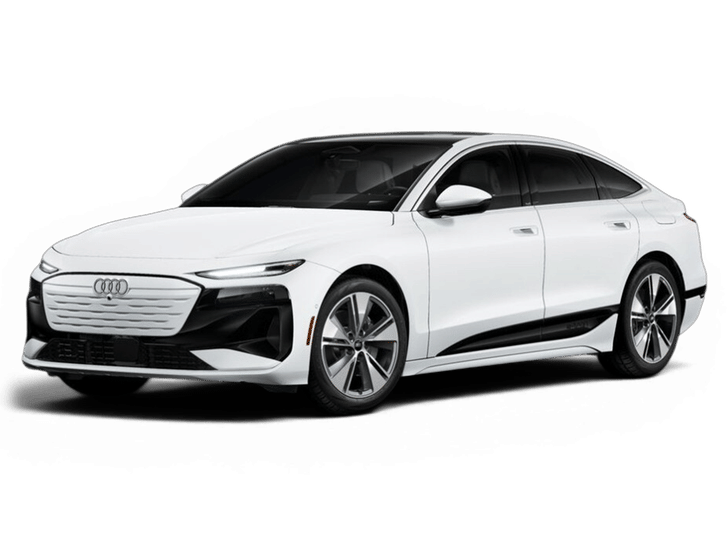
Audi
A6 e-tron

Audi
Q6 e-tron
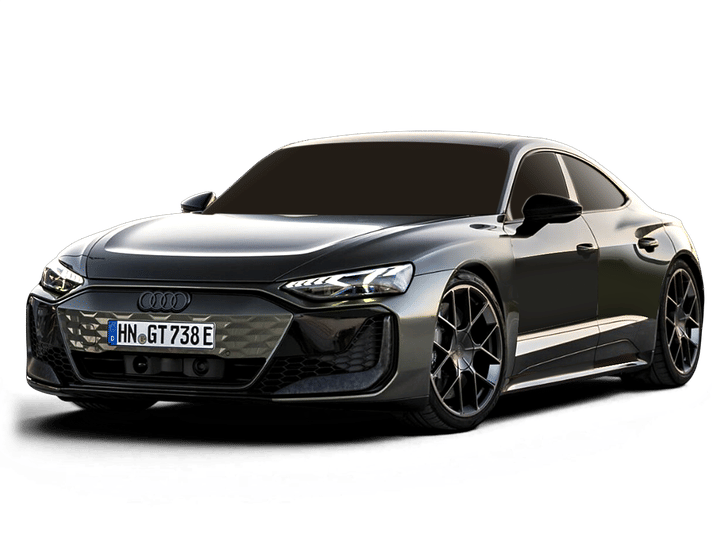
Audi
e-tron GT facelift

Volkswagen
Virtus facelift
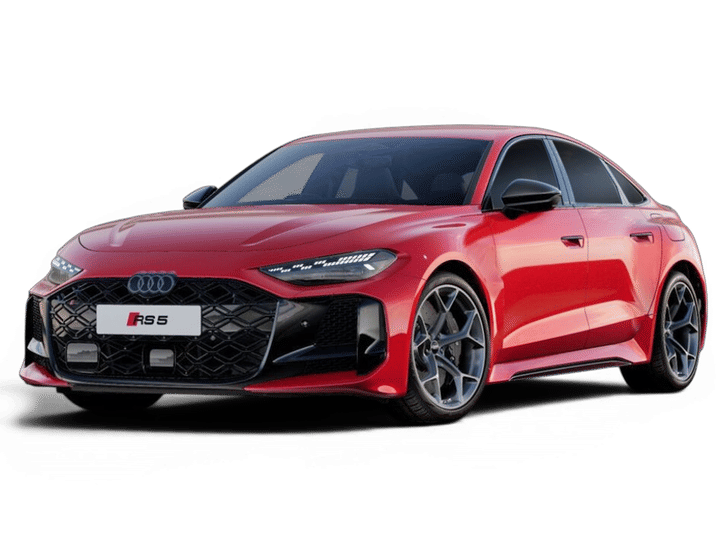
Audi
A5

Vinfast
VF5
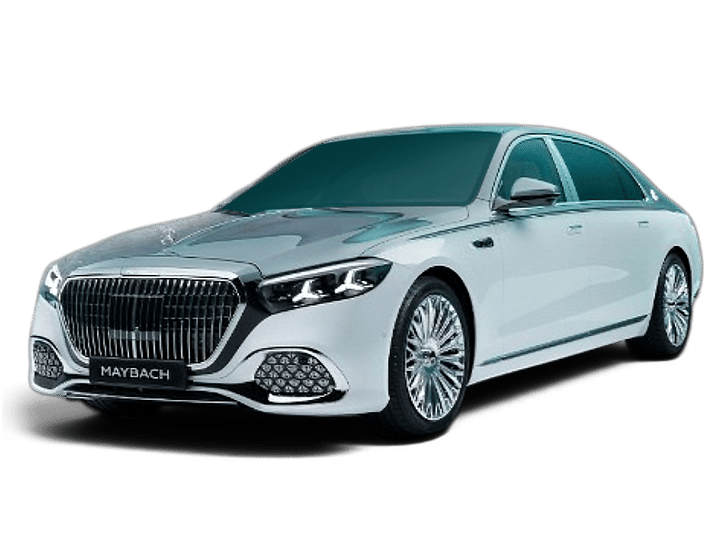
Mercedes-Benz Maybach
S-Class facelift
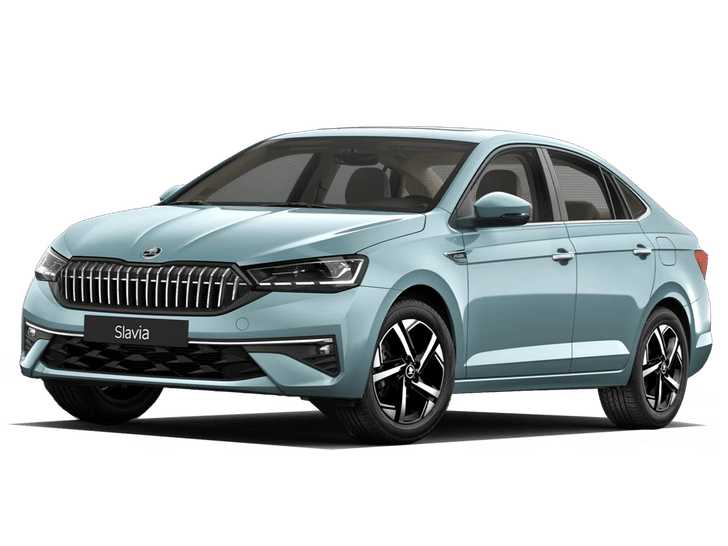
Skoda
Slavia facelift
Is the ride comfort of rear seat passengers of VF7 70.8 kWh 2WD better than that of 9e? Which of these two are better suited for 3 rear seat passengers? Which of these two have lesser software and hardware reliability issues? I am inclined towards the VF7 subject to clarity on the above 3 queries. Early adopters of VF7 have reported quite a few issues. Should I skip VF7 altogether or worth taking a plunge?
Mahindra XEV 9eVinfast VF7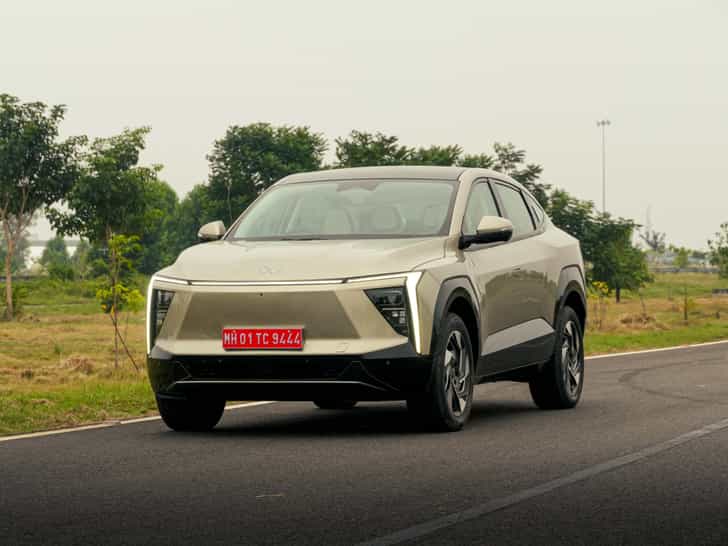
Hi, I want to buy a car under a budget of Rs. 4 lakh. Should I go for pre-owned car or increase my budget to get a new one after some time? In case of pre owned car, which car should I buy? My monthly running is around 800 km mostly in city areas.
Maruti Suzuki Alto K10Maruti Suzuki CelerioMaruti Suzuki Wagon RMaruti Suzuki SwiftRenault KwidHonda Amaze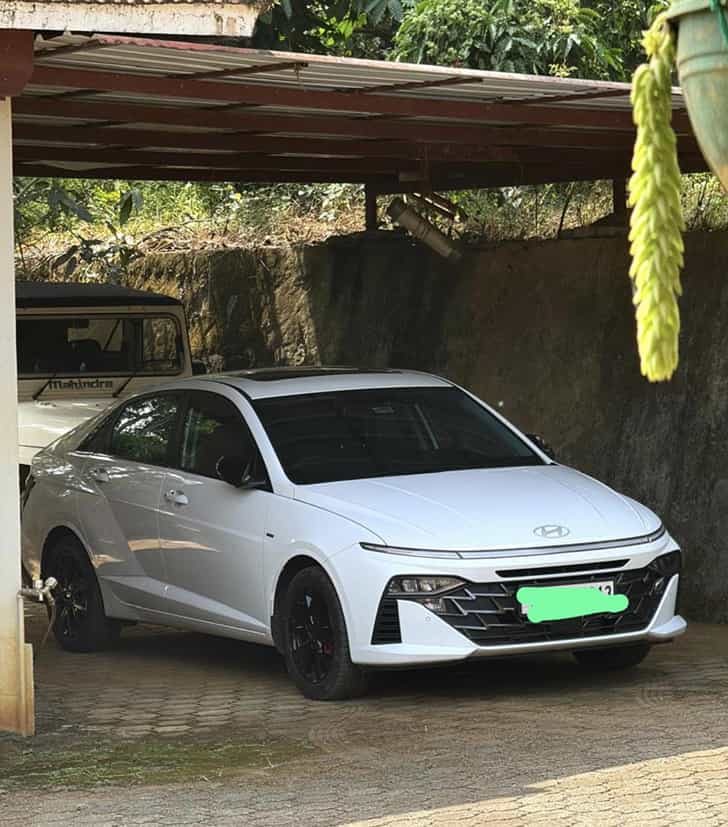
Hello. I own a Toyota Innova Crysta diesel automatic (2022 model). I replaced the DPF filter in 2024 under warranty. Currently, it has completed 62,000 km and my current monthly driving is around 1500 km. I want to a buy a new car. Which one should I buy? I started buying vehicles since 2010, starting with a Maruti Wagon R, Vento, Creta and now Crysta. I am afraid that I will have to do DPF filter replacement again in the future, if the issue reoccurs, as it is too costly and my car is out of warranty. So I want to change my vehicle because otherwise I don't have a reason to change the vehicle.
Toyota Innova HyCrossToyota Innova CrystaKia Carnival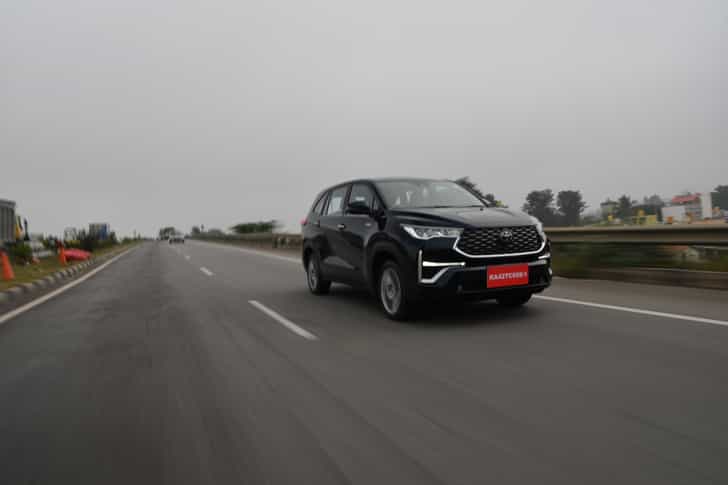
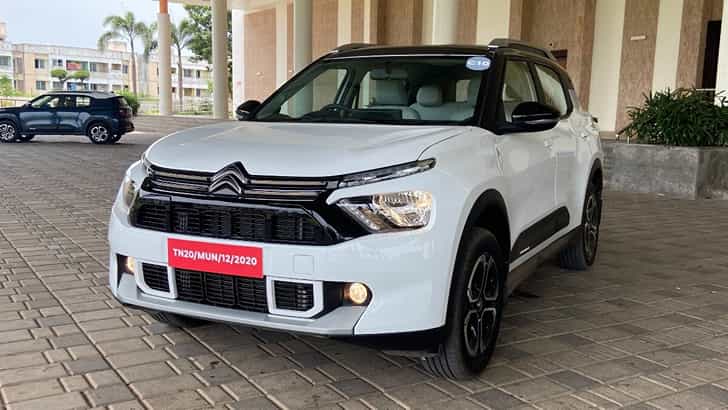
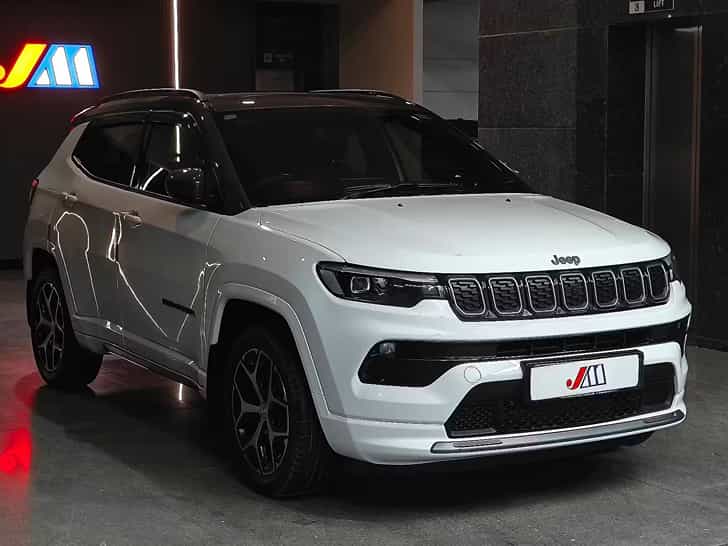
I am looking for an SUV for my family. I can get the Maruti Suzuki Brezza ZXi+ AT and Victoris ZXi AT at nearly the same price because of the heavy discounts offered on the Victoris by the dealership. Which one should I go for? I don't drive a lot, with one or two 80-100 km trips a month and the rest of my driving in the city. My budget is around Rs 15 lakh.
Maruti Suzuki VictorisMaruti Suzuki Brezza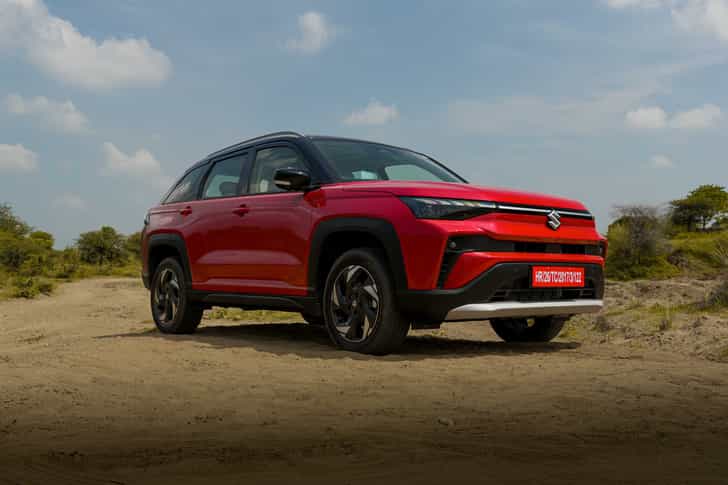
I’m confused between the Kia Seltos HTX G1.5 NA petrol IVT and the G1.5 T-GDi turbo-petrol 7DCT. My usage will be primarily in the city, with occasional family road trips, probably once every three months. I plan to keep the car for more than 10 years. Is the G1.5 NA IVT sufficiently powerful and safe for driving hill stations like Munnar and Ooty with family on board when cruising through steep climbs & ghat roads ? Will it struggle with five people and luggage?
Kia SeltosHi, I want to buy a car. My monthly running is around 800km, mostly in the city. I am considering a pre-owned vehicle for around Rs 4 lakh because I am a bit conservative about taking EMIs for a longer duration. I have two questions: should I go for a pre-owned car, and if so, which would be ideal? Or should I consider buying a brand-new car?
I am buying a Honda Elevate and need a review of the dealer-fitted 360-degree camera system. Is it good, or can I get something better in the aftermarket? The dealer mentioned that they would disconnect the rear camera and connect it to the 360-degree camera setup. I am sceptical about this and am not sure if I am thinking about it the right way. Can you guide me?
Honda Elevate