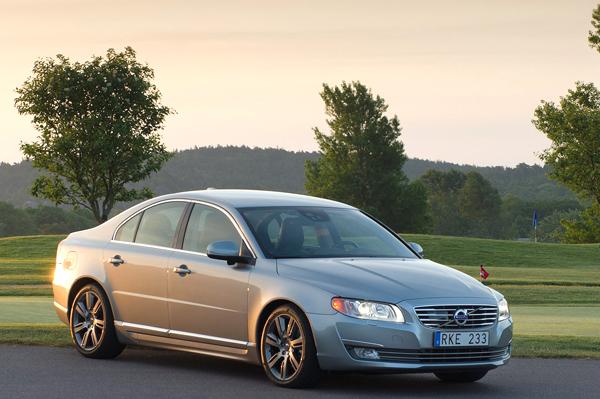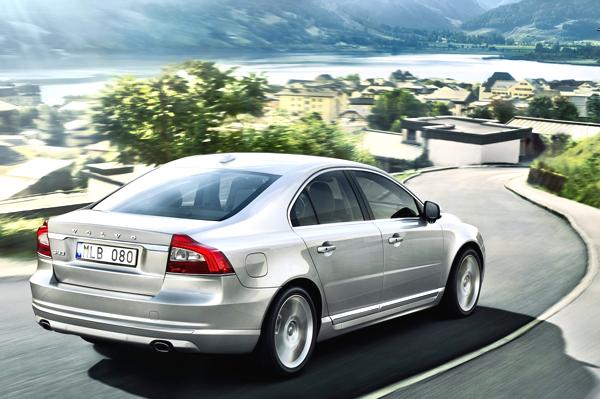


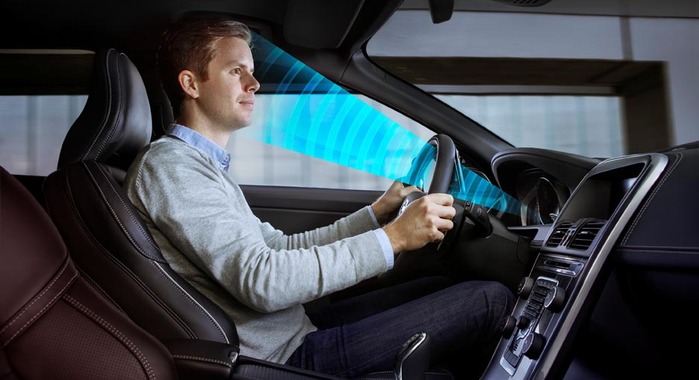
Volvo cars is working on a technology that can detect whether or not a driver is paying complete attention to the road. The new technology will gauge when a driver is tired or inattentive, by placing a sensor on the dashboard to monitor aspects such as what direction the driver is looking, how open his eyes are, as well as the position and angle of his head.
When developed, this technology would help making upcoming cars even safer. Studying simple aspects as listed above, it is possible to figure a driver's state, and the technology will adjust the car accordingly. This means, the technology will ensure that the car doesn't steer out of the lane or get too close to another car when the driver is not paying attention. It will also wake up the driver if he's falling asleep. “This will enable the driver to be able to rely a bit more on their car, and know that it will help them when needed,” explains Per Landfors, engineer at Volvo Cars and project leader for driver support functions.
Small LEDs illuminate the driver with infrared light, which is then monitored by the sensor. However, the infrared rays will at no point disturb the driver as they are beyond a human's vision field.
The analysis of the driver’s state, known as Driver State Estimation, in which driver sensors play an important role, may be key to self-driving cars in the future. The car will need to be able to determine for itself whether the driver is capable of taking control when the conditions for driving autonomously are no longer present. A driver sensor could be of assistance in this.
“Since the car is able to detect if a driver is not paying attention, safety systems can be adapted more effectively. For example, the car's support systems can be activated later on if the driver is focused, and earlier if the driver’s attention is directed elsewhere,” Landfors explains.
Some of the current systems include Lane Keeping Aid, Collision warning with full auto brake and Adaptive Cruise Control with Queue Assist.
Driver sensors are also opening up other possibilities. By monitoring eye movements, the car would be able to adjust both interior and exterior lighting to follow the direction in which the driver is looking. The car would also be able to adjust seat settings, for instance, simply by recognising the person sitting behind the wheel.
“This could be done by the sensor measuring between different points on the face to identify the driver, for example. At the same time, however, it is essential to remember than the car doesn’t save any pictures and nor does it have a driver surveillance function,” Landfors clarifies.
The technology is already installed in test vehicles. Volvo Cars is also conducting research along with partners, including Chalmers University of Technology and Volvo AB to identify effective methods for detecting tiredness and inattention.
 Viraaj Bhatnagar
 Uday Singh
 Suraj Viswanathan
 Lenny D'sa
 Saptarshi Mondal