autocar-logo
Delhi

Bajaj V15 review, road test

Bajaj has converted bits of aircraft-carrier metal into a special motorcycle for the masses. We’ll smelt the promise to see what it’s really made of.
4 min read13 Jul '17
Sherman Hale Nazareth Sherman Hale Nazareth
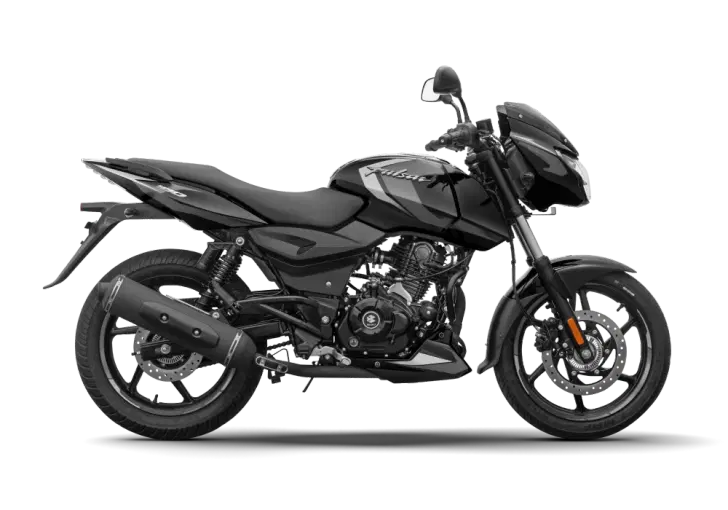
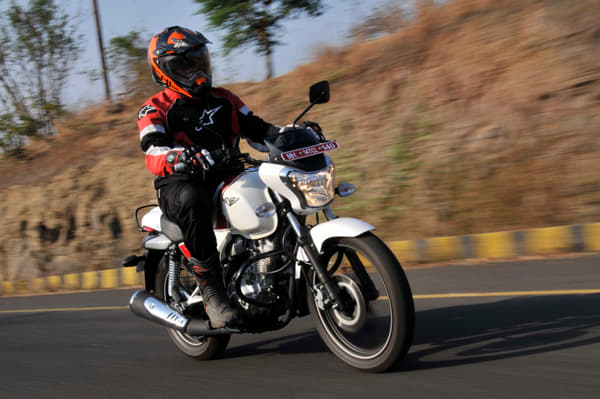
In its prime, the World War II-era British-built aircraft carrier, the INS Vikrant, witnessed its fair share of high sea drama and warfare after being purchased by India in 1957. Capable of housing and launching legendary aircraft like the Sea Harrier and the anti-submarine Alize, the Vikrant was certainly seen as a force to be reckoned with. But as with all work horses, eventually, they must be put down, or in this case, scrapped. In stepped Bajaj and appropriated the metal of the Vikrant and used it as a seed for their upcoming commuter. So, how much of the INS Vikrant’s fighting spirit does the V15 possess? This commuter motorcycle has come all guns blazing with a 150cc engine and distinctive styling to tackle a class of me-too commuters. We put the V15 through the test regimen to see where it stands. 
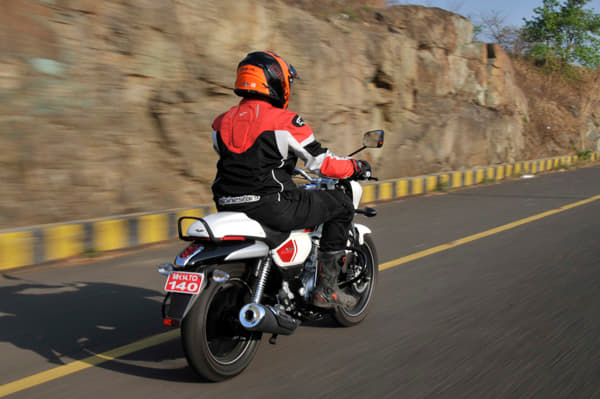
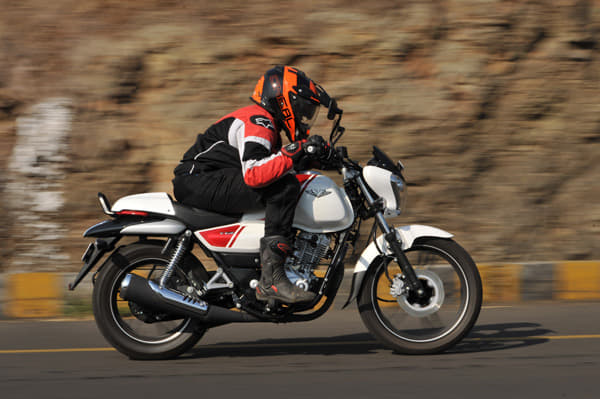
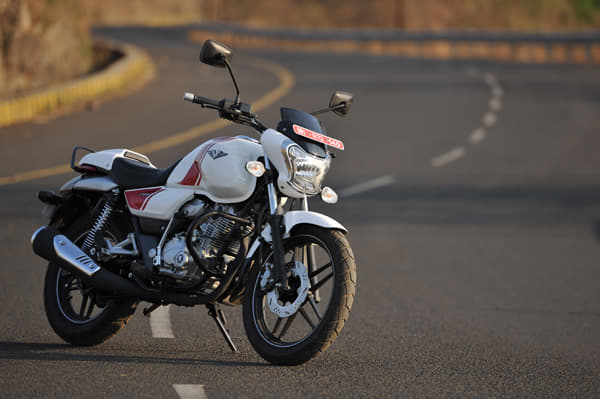
As far as appearances go; the V15 seems to defy the general commuter stereotype. There’s no denying the V15 looks distinctive, and mostly for good reasons. The tank looks decently muscular and seems to be the core attraction of the motorcycle, especially the fuel cap that textually verifies its connection to the Vikrant. It is flanked by rather subtle looking side panels that flow into a well-chiselled rear end and the detachable rear-seat cowl adds a sporty touch to the motorcycle. But let’s be clear, with an engine intended for commuting, the rear cowl’s primary purpose is to up the style quotient of the motorcycle, which it does admirably. One unattractive element on the V15 is the headlight, its free-form organic shape proving to be a little hard to love. The instrument cluster includes an analogue speedometer, an odometer and a fuel gauge. However, a trip meter is missing. 

The riding position on the motorcycle takes a little getting used to as you have to stretch a bit to reach the handlebars. However, once you settle in, the V15 is quite comfortable. The seat is wide enough and is surprisingly good on longer runs, even though the V15 is intended for shorter commuting distances. The switches feel functional and solid and there won’t be much fumbling around for buttons. One little niggle in the V15 is that vibrations start to creep up from the seat at higher revs. For two-up riding, the rear seat cowl is easily removable via a small Allen key that is integrated into the motorcycle’s key. But the small and slightly sloping rear seat will make longer stints tiring for the pillion. It’s a good thing the V15 comes with a meaty rear grab-rail to help pillions stay on the bike. The anomaly here is that the motorcycle has two distinct grab-rails; a split one under the seat and another one behind the seat.


Now despite Bajaj already having a few 150cc engines at its disposal, the V15 comes with a completely new mill that churns out 12hp at 7,500rpm and 13Nm at 5,500rpm. In keeping with its commuting intent, Bajaj has allowed for a very usable torque band that is noticeable from the get-go; which translates to comfortably pulling away in fourth gear from as low as 20kph. This responsiveness from the engine tends to fade off once you start to climb the rev range. The engine also starts to emanate vibrations and feels thrashy at higher revs.

0-60kph Comparison

Bajaj V15- 6.17secs
Bajaj Pulsar AS150- 5.11secs
Bajaj Discover 150F- 5.29secs


Where Bajaj seems to have done a spectacular job is with the chassis of the V15. Despite the motorcycle looking a bit on the bulkier side and having relatively fatter tyres than a regular commuter, the dual-cradle chassis on the V15 makes it rather nimble and easily flickable. Yet, its low overall stance and low centre of gravity result in a fair amount of stability in the bends.

The suspension feels pliant and grounded and handles both good and bad roads reasonably well. Oddly, while the suspension feels composed and comfortable over bumps and potholes, over the smaller imperfections, it feels a tad too stiff. And to top it off, the rear suspension is non-adjustable for preload, which might not help the bike’s case with heavier riders. The aforementioned fat tyres from Eurogrip provide excellent amounts of traction, a pleasant surprise as most commuters skimp on this aspect. And let’s not forget the 240mm front brake that offers a decently good amount of stopping power. A few more horses and the V15 could really go beyond its commuting duties.


Bajaj has clearly designed this motorcycle for commuting and that shows in our fuel efficiency figures; holding 60-70kph on a stretch of highway returned around 59kpl. The V15 is happiest being ridden at a leisurely pace. Crawling through heavy city traffic, the torquey engine was happy to just amble along, resulting in a figure of 56kpl.

Fuel efficiency comparison

Bajaj V15- 59kmpl
Bajaj Pulsar AS150- 42kmpl
Bajaj Discover 150F- 47.2kmpl


With the V15, despite the value engineering and some trimming of features, Bajaj has created a commuter that looks commanding and lavish. Crucially, this Bajaj is an able commuter to boot though a bit more refinement and punch from the engine and a plusher ride would have really sealed the deal for the V15. Nonetheless, for Rs 62,000, you get a rather unique looking motorcycle that gets the job done and gives you a free license for storytelling. 
Honda Navi review, road test

Honda has taken a bold step forward with the Navi. Does this little tyke live up to all the hype?
5 min read13 Jul '17
Sherman Hale Nazareth Sherman Hale Nazareth

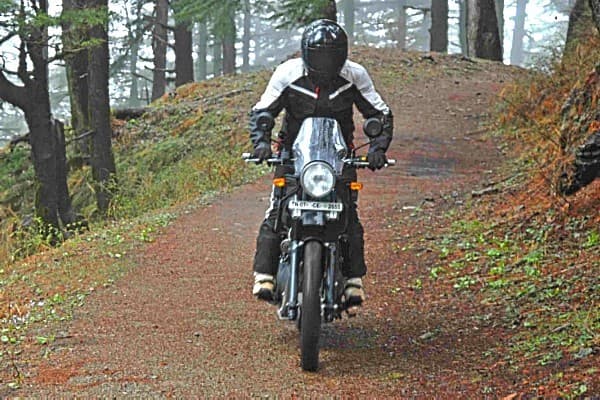
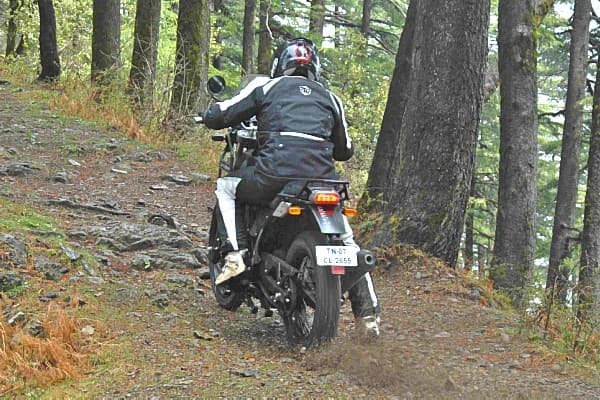
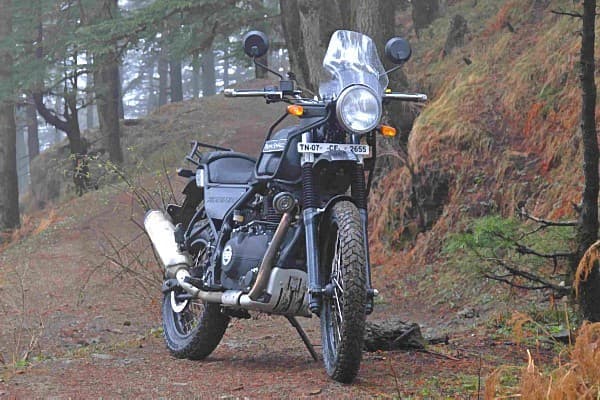
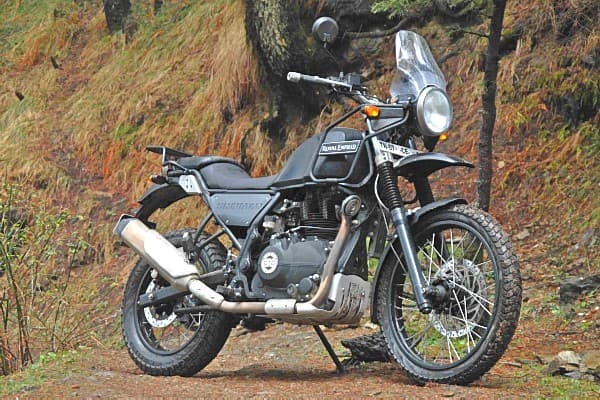
Royal Enfield Himalayan review, road test

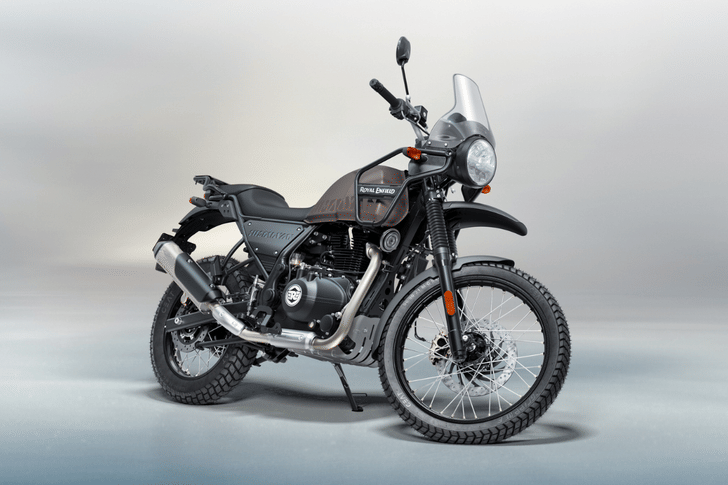
Royal Enfield claims that the Himalayan is rugged, long legged and a daily runabout, all in one package. We find out if it delivers on the promise.
10 min read13 Jul '17
Priyadarshan BawikarPriyadarshan Bawikar

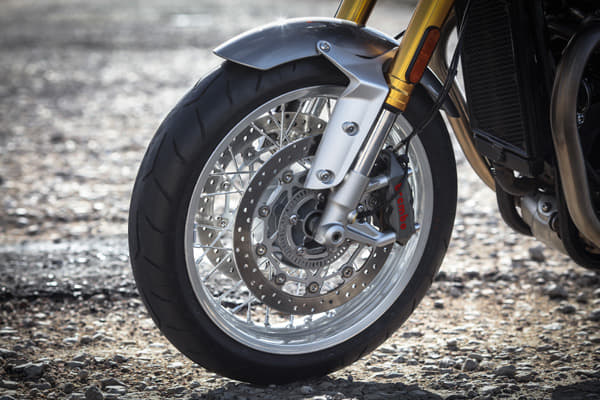
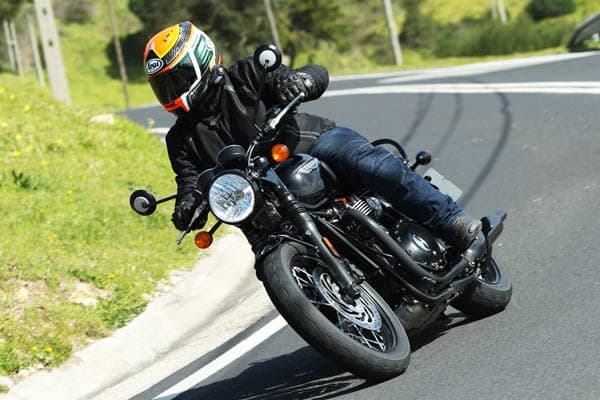
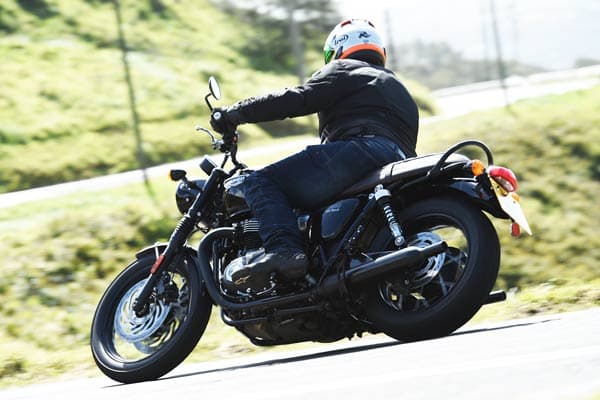
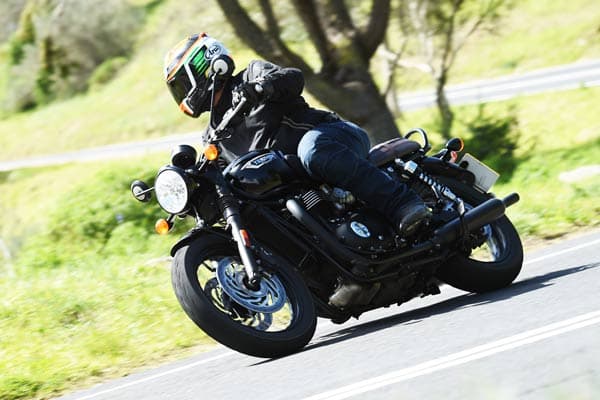
2017 Triumph Bonneville T120 review, road test

The legendary Bonneville T120 makes reappearance and it’s still classy as ever. With a new, bigger 1,200cc engine and some modern electronics thrown in, we find out if it rides as well as it looks.
6 min read13 Jul '17
Sherman Hale Nazareth Sherman Hale Nazareth

2017 Suzuki GSX-R1000, GSX-R1000R review, test ride

Suzuki finally updated the GSX-R1000 and R1000R for 2017. We head over to the racetrack to find out how good the new bikes actually are.
5 min read13 Jul '17
Sherman Hale Nazareth Sherman Hale Nazareth

Benelli TNT 600i ABS review, road test

We get to know the DSK Benelli TNT600i once again, as we get a taste of the first ABS-equipped Benelli in India.
5 min read13 Jul '17
Priyadarshan BawikarPriyadarshan Bawikar