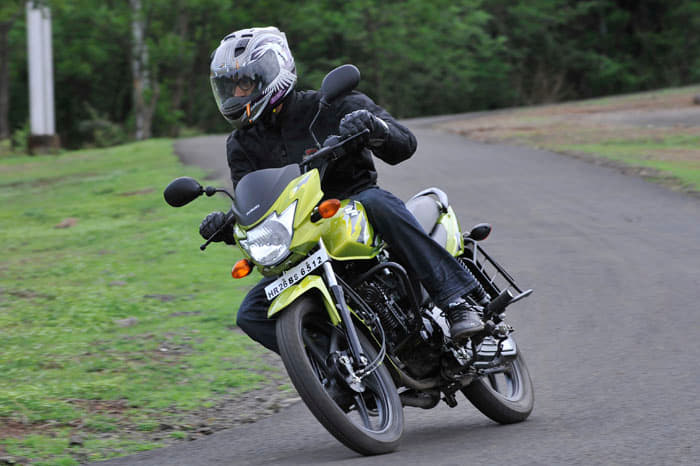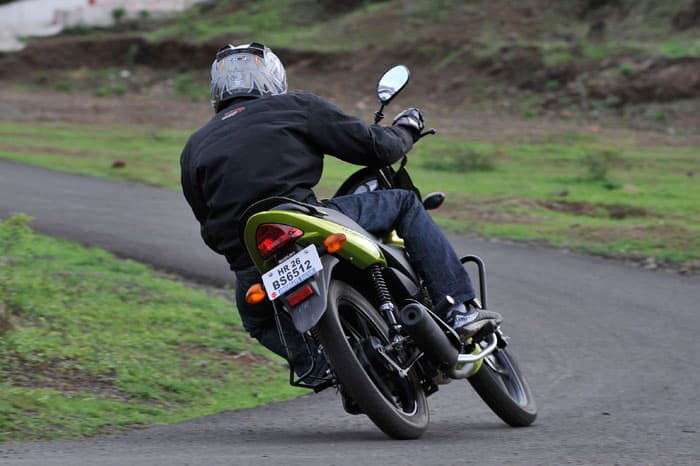
A sequel to any blockbuster faces an uphill challenge, to live up to tall expectations. The Pulsars can proudly proclaim themselves the biggest all-Indian two-wheeler success story, which means the new 200NS has its hands full.
The Pulsar 200NS must embrace the family DNA to strike a balance between sporty and practical if it is to successfully lift the baton from where the outgoing Pulsars sign off.
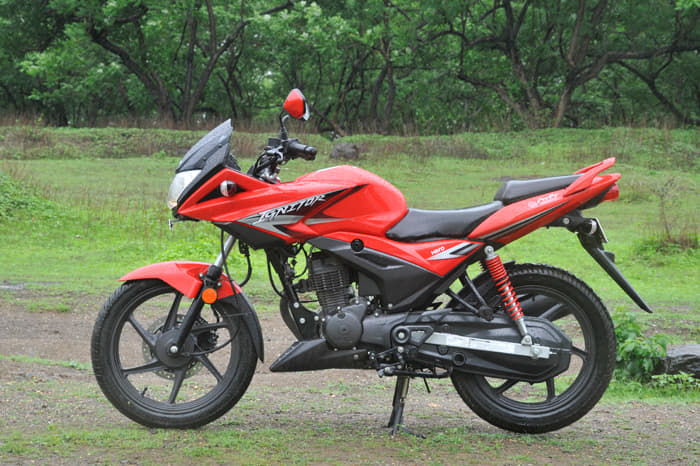
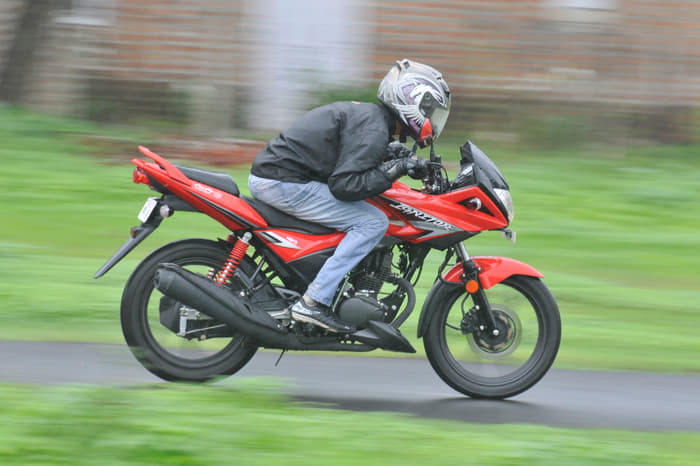
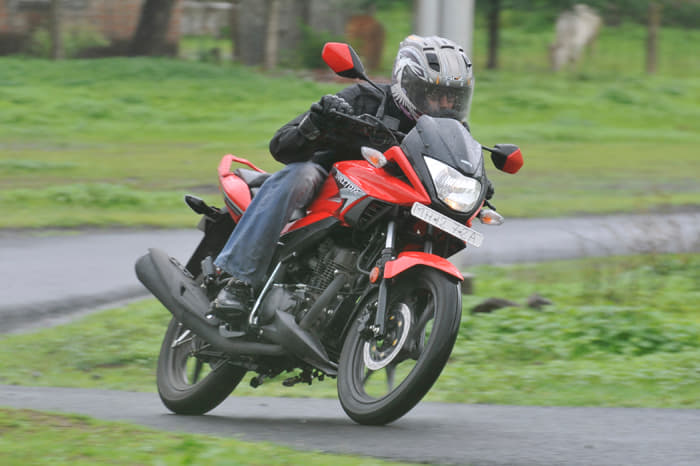
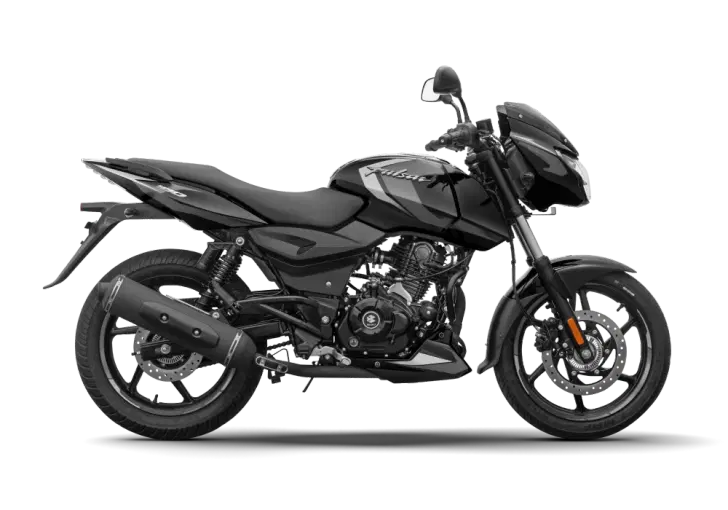
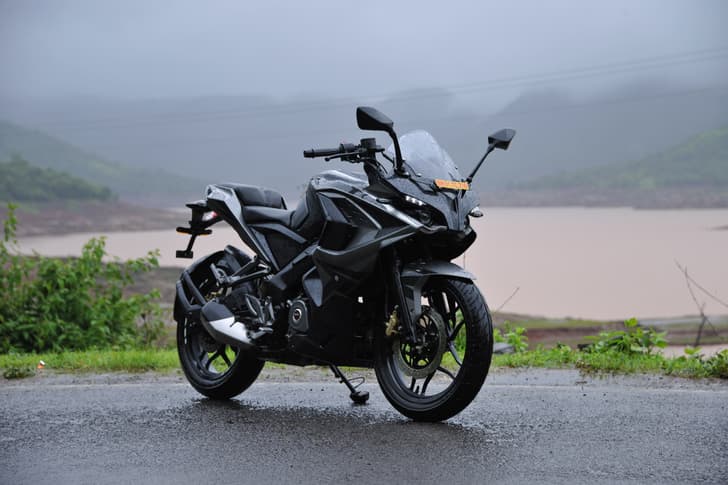
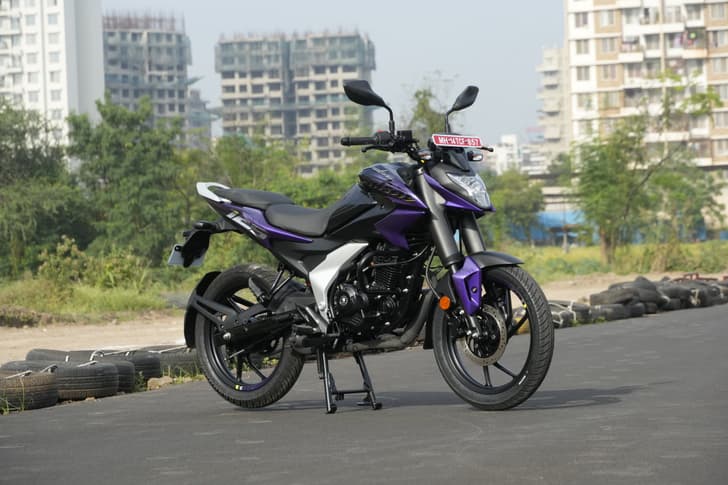
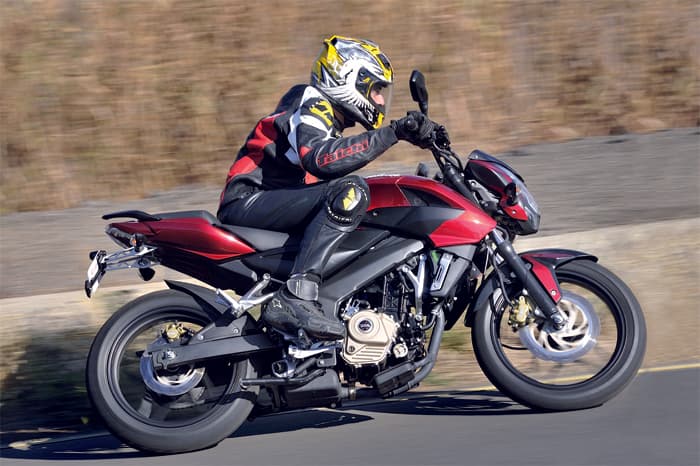
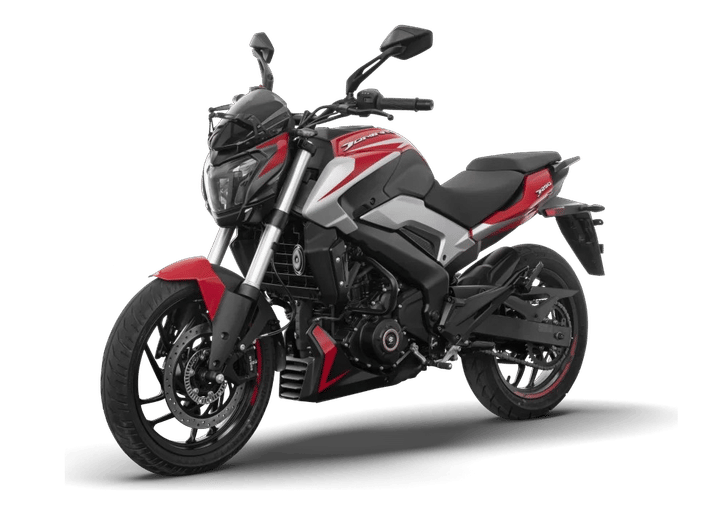
The latest Pulsar is aggressive and muscular, this naked streetbike looking a fair bit like Honda’s CB1000R from the front.
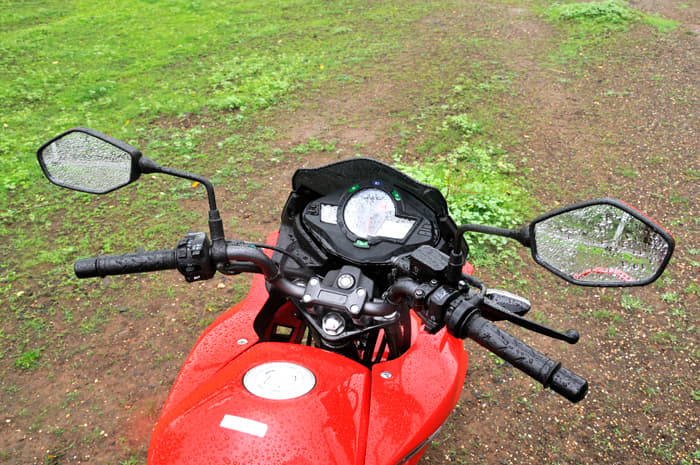
The tapered headlight shines a brilliant, well focused beam at night. The NS comes with digital-analogue instruments, with all information neatly laid out, including a digital speedometer, odometer and trip counter.
The 200NS comes with clip-on handlebars, comfortable control levers and switchgear that works with crisp feel. The NS’s grips are decent, but not the best, feeling little less rubbery, and more like plastic than we’d expected.
While the actual fuel reservoir is concealed below the tank region, deep, properly shaped grooves provide the 200NS rider good thigh support.
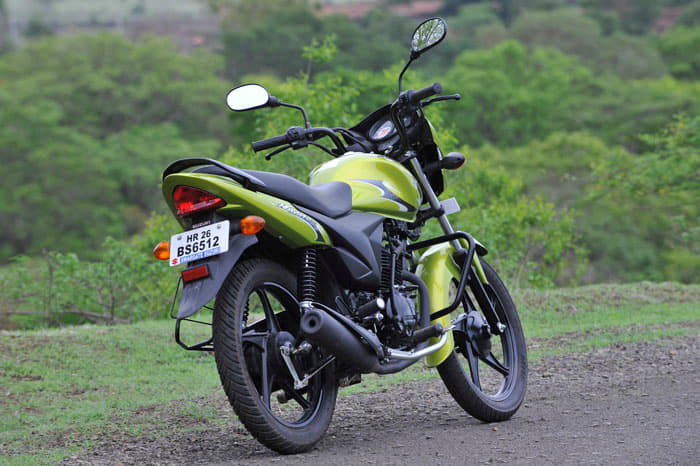
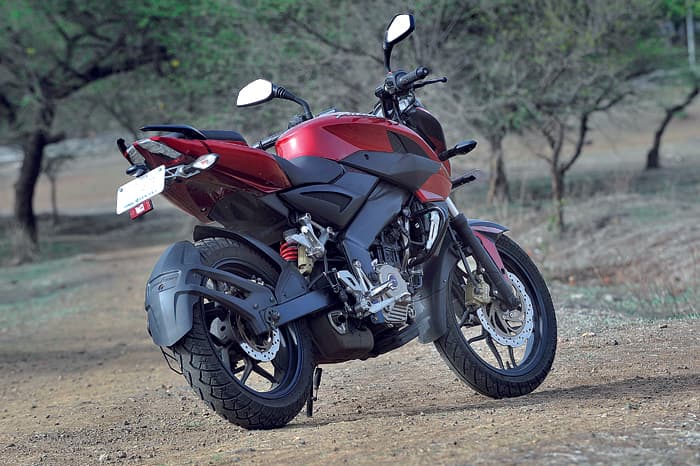
You can’t miss this Pulsar’s broad frame spars as they reach down to the swingarm. The NS tucks its silencer box neatly away below its engine, to keep center of gravity as low as possible on the bike. The NS bears much similarity to its ancestors viewed from its tail.
Even as the onset of the monsoon reminds us these are essential kit, we found the rear tyre huggers on the new Pulsar too prominent. Overall build quality and fit-finish while not the best are acceptable.
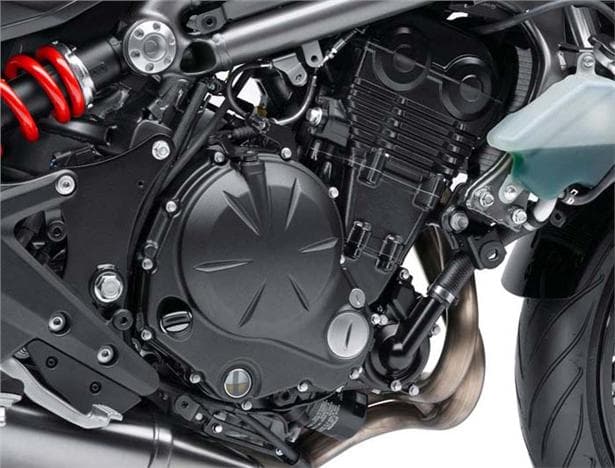
The four-stroke, 199.5cc, single-cylinder, Pulsar 200NS engine is based on the KTM 200 Duke platform. The NS’s four-valve head is powered by a single overhead camshaft, and its combustion chamber is home to a trio of spark plugs. Although it lacks fuel injection, the NS is the first liquid-cooled Pulsar, and its exhaust system drums out a soft, punchy note.
Maximum power is a meaty 23.2bhp at 9500rpm, and the latest Pulsar is good for 1.86kgm of torque built up at 8000rpm. The compact six-speed gearbox shifts smoothly, with precise feel in a one-down, five-up pattern, and clutch feel is also good.
The 200NS delivers snappy throttle response, and sprints smoothly through a wide powerband. Bottom end power quickly builds into a strong mid-range, with the top-end feeling really potent almost all the way till the rev limiter cuts in just before 11000rpm. Gearing doesn’t feel as short as on the Duke. A highlight to the short-stroke (72mm x 49mm) Pulsar 200NS engine is it’s ever willing to rev, free spirited nature. Performance is brisk for this segment, the NS doing a 0-60kph dash in 4.11 seconds.
We tested the Pulsar 200NS up to a respectable top speed of 127kph flat out in sixth.
A twin-spar, steel frame ranks amongst the biggest upgrades on the Pulsar 200NS. A pair of hydraulic forks are standard in front, while an adjustable, gas-charged monoshock holds fort at the rear. The 200NS supports its rear suspension with a rectangular swingarm.
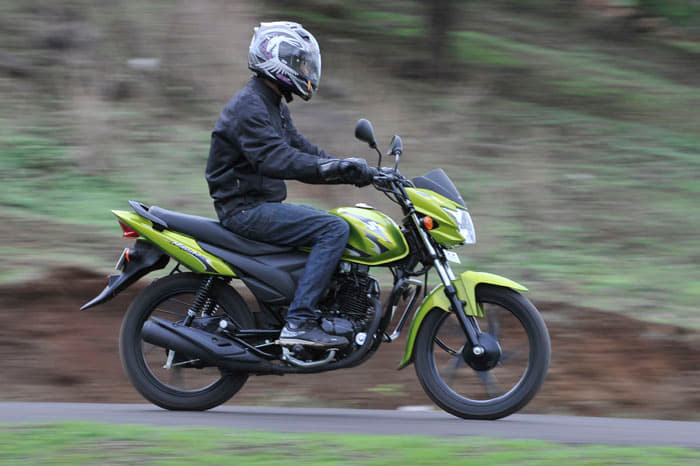
The NS provides a well padded, roomy split saddle, and is a comfortable bike to pilot thanks to an upright riding position. The Pulsar easily holds its line when committed mid-corner, even as it falls short of feeling as light and effortless to turn-in as its sibling, the 200 Duke. Ride quality is good. The TVS made tyres on our test bike performed reasonably well when riding the new Pulsar, but there is still lot of room for improvement.
The 200NS brakes are really good, Brembo petal type front and rear discs that allowed us to stop the NS from 60kph in a scant 16.4 meters during brake testing.
The triple plug equipped Pulsar 200NS outputs good fuel economy despite its quick performance. The 200NS gave us 35.9kpl when riding in the city, and 41.1kpl when cruising on the highway.
 Dinshaw Magol
 Rishaad Mody
 Azaman Chothia

.jpg?w=728&q=75&fm=auto)
.jpg?w=728&q=75&fm=auto)
.jpg?w=728&q=75&fm=auto)
.jpg?w=728&q=75&fm=auto)