

The Magic Of Abarth
Hot hatch. Every petrolhead wants one. A practical hatch that you can drive to office with a stonker of a motor in the engine bay. A family car that can lay down smoking strips of rubber when you want it to. In a country obsessed with fuel economy, there didn’t seem much space for a hot hatch until Fiat came out with the 101hp Palio 1.6, but that is now history. Over the years, there were attempts by other manufacturers to fill this space but a true hot hatch continued to elude the Indian enthusiast – until Fiat entered the game again. And this time there was a sting in its tail. It was the Abarth.
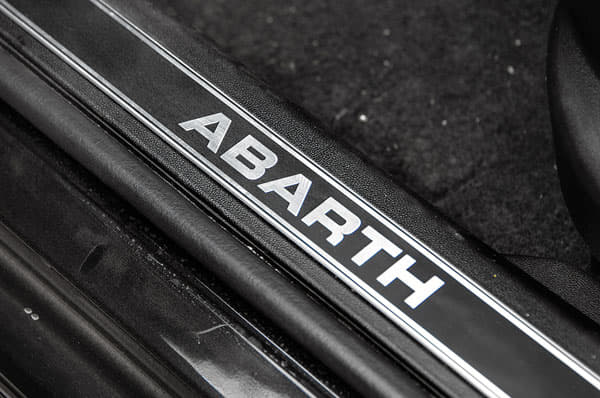
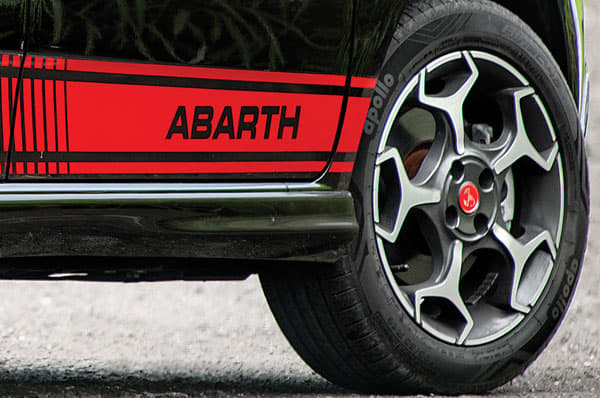
For those who know, Abarth is to Fiat what AMG is to Mercedes and M is to BMW. Abarth, founded by Carlos Abarth in 1949, had a rich heritage of racing and performance upgrades. The company was bought over by Fiat in 1971. Since then the Abarth badge has got every driver’s pulse racing.
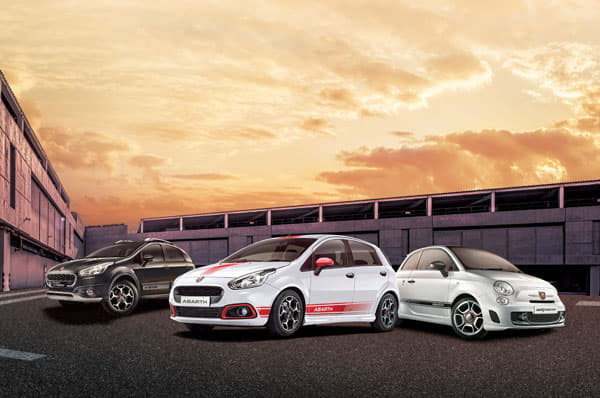
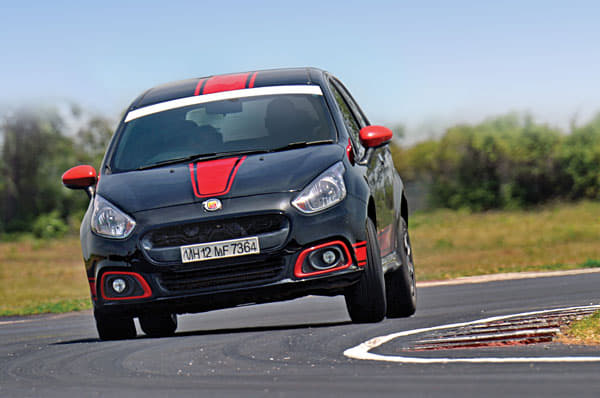
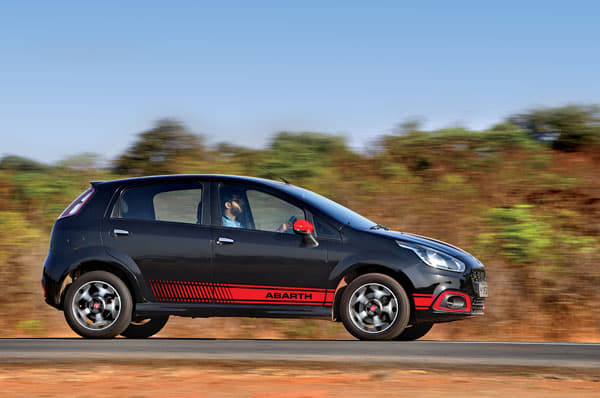
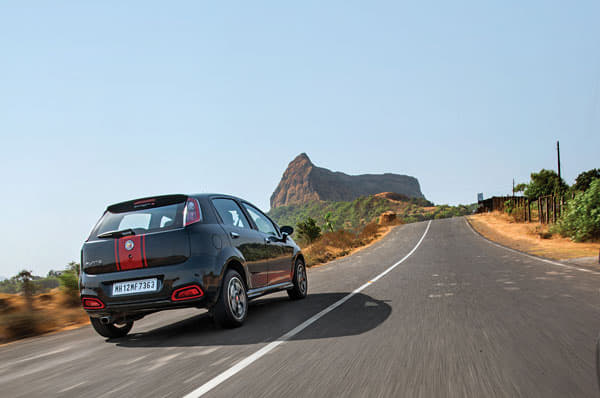
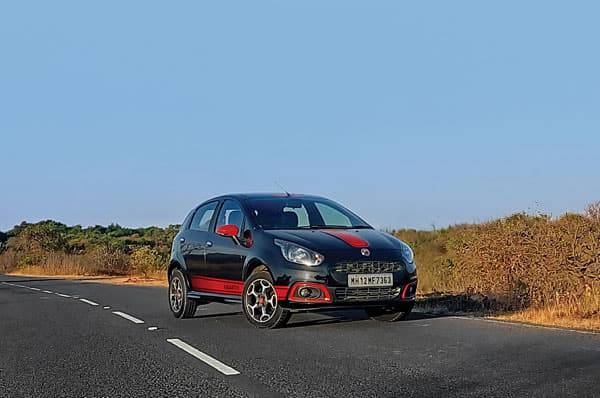
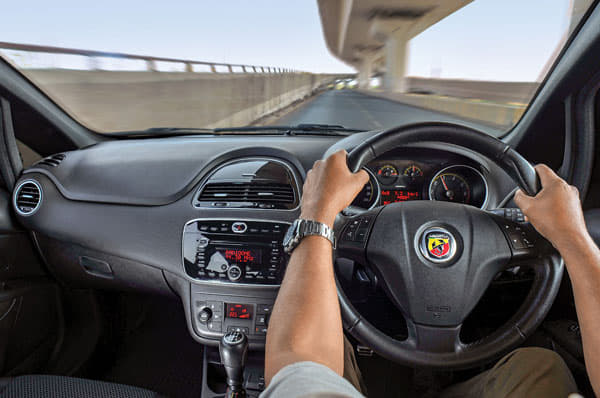
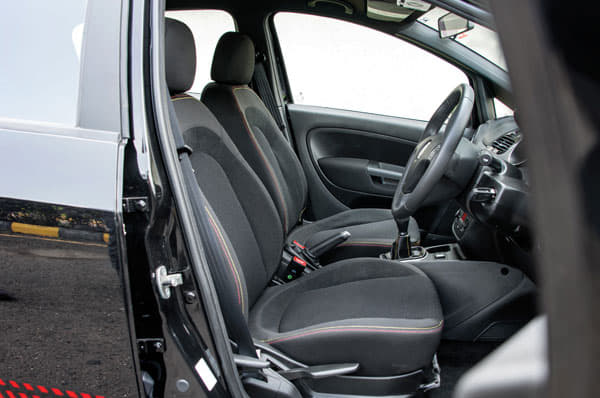
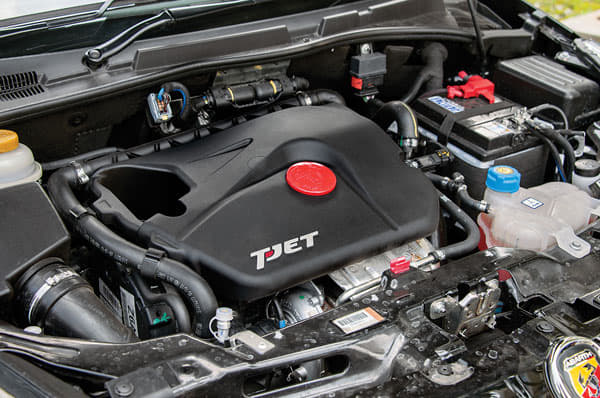
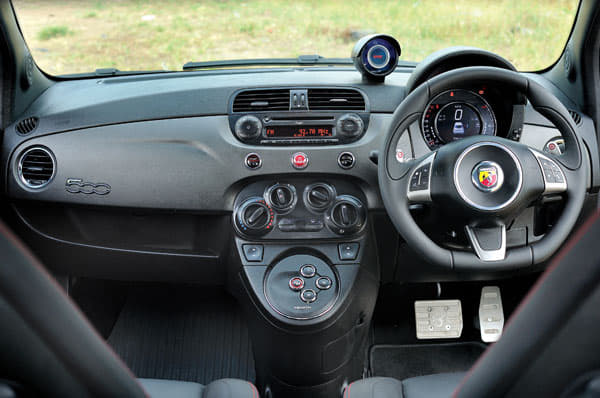
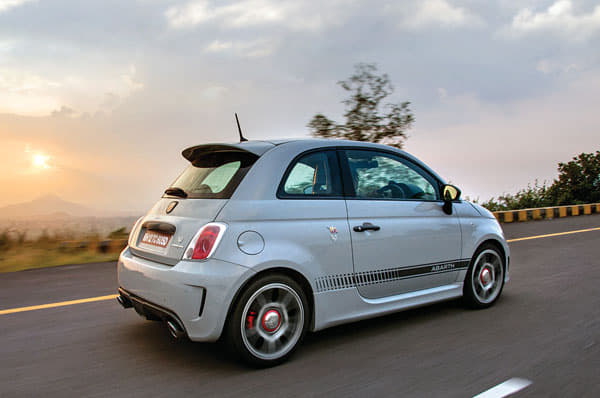
While the Fiat Abarth Punto gave Indian drivers an affordable hot hatch, Fiat didn’t stop at just the Abarth-spec Punto for India. The Urban Cross, too, got an Abarth makeover. Plus, Fiat got in the Abarth 595 Competizione. Here, we recount the magic of Abarth through the pages of Autocar.
7 Facts About Abarth To Blow You Away.
1 Over 10,000 individual race victories, 10 world records and 133 international titles are part of the racing heritage behind the Abarth marque.
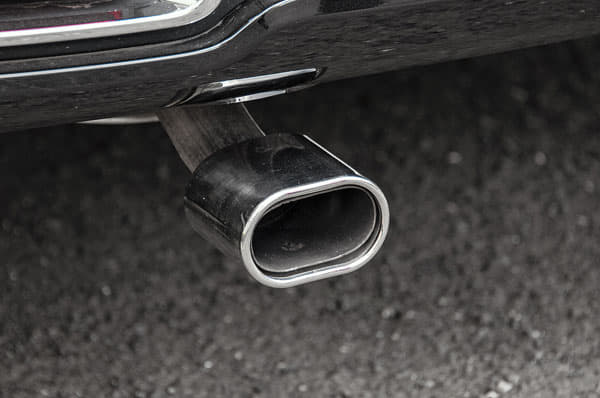
2 The company was founded by Carlo Abarth and Armando Scagliarini in Bologna. The company’s main activity was producing aftermarket accessories and performance parts for production cars. Abarth produced high-performance exhaust pipes, diversifying into tuning kits for road vehicles, mainly for Fiat.
3 A racing exhaust was produced for the 1950’s Lambretta models D and LD.Original Abarth LD exhausts are now valuable collectors’ items.
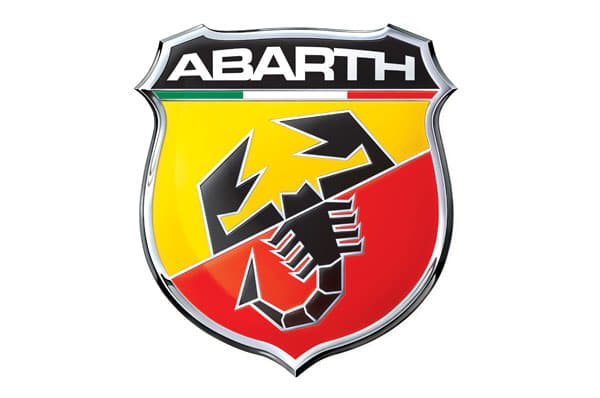
4 The company’s famous scorpion badge came from Carlo Abarth’s astrological sign, Scorpio.
5 Abarth entered everyday language in its native Italy to mean power. Customers in cafes and restaurants would not ask for a strong coffee, or a coffee with a shot of alcohol, but instead ask for an “Abarth coffee”.
6 When Fiat released the new 500 Cinquecento in 1958 to meet the post-war market demand for inexpensive and practical motoring, Carlo Abarth saw other uses for the Fiat 500. Abarth took a standard Fiat 500 and gave it the full Abarth treatment. This included raising the compression ratios on the small 479cc engine, fitting a Weber 26 IMB carburettor, optimising the fuel and intake systems and adding a full Abarth sports exhaust system. The combined result dramatically improved the handling and doubled the horsepower from 13 to 26. The car’s exterior remained largely unchanged, apart from having wider wheels and tyres and some discrete Abarth branding.
7 Yes, the Abarth badge can be found on motorcycles too. The 2017 Yamaha XSR900 Abarth is a limited-edition high-performance retro bike. The Abarth-spec Yamaha gets a carbon-fibre nose cowl, and a rear seat cowling, handlebars that are low-slung ‘clip-on style’, traction control, a slipper clutch, and an Akrapovic titanium exhaust. It’s a rare Abarth, since only 695 motorcycles were built. But this is not the first time Yamaha has collaborated with Abarth. In 2008, they created the Yamaha FZ1 Abarth Assetto Corse Concept bike to mark the 100th birthday of the Italian firm’s founder Carlo Abarth.

 Uday Singh
 Saptarshi Mondal
 Rivan RS
 Dipan Sur
 Saumil Shah