
autocar-logo
Delhi

India to Paris in a Renault Kwid part 1: India to China

Designed in France and built in India, the Kwid is a ‘Make in India’ story like no other, and we’re on a journey to take it ‘back’ to Paris
4 min read21 Mar '17
Autocar India News Desk

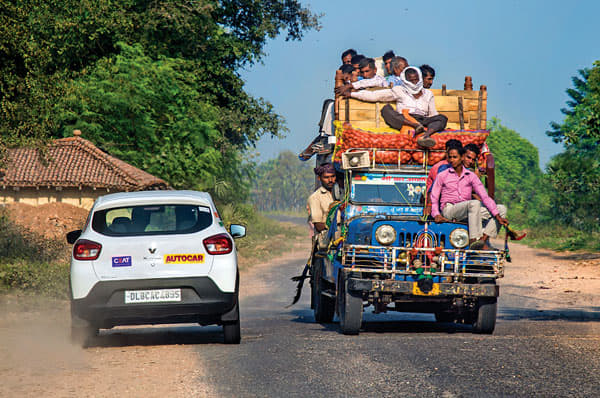
Rough road transportation has come a long way since the good old days, and we’re all the happier for it.

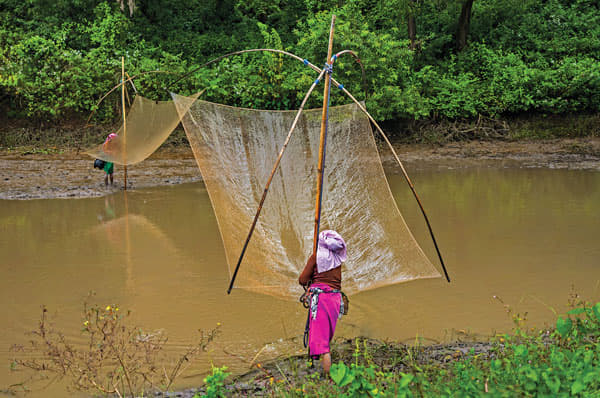
Lift-net fishing is very simple and far more lucrative than it looks; we watch the day’s catch outside Dimapur.

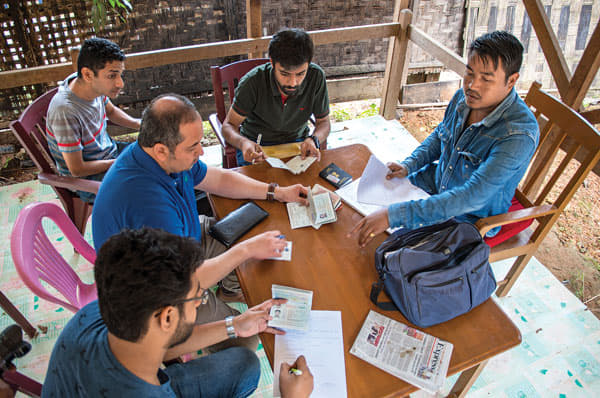
Immigration between India and Myanmar is a cane shed with a desk in it; still friendlier than most airports.

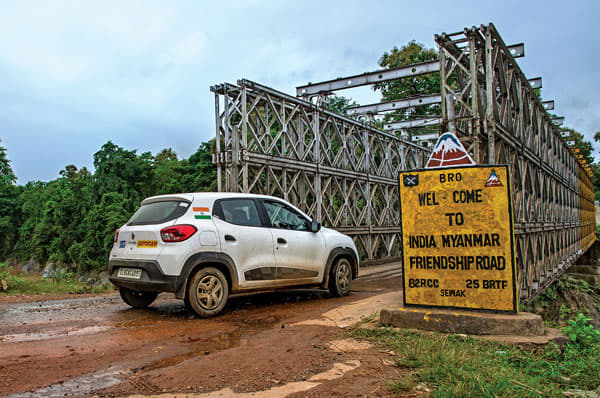
Each time we visit, it’s just as fascinating. The India-Myanmar border is no more than a single-lane metal bridge.

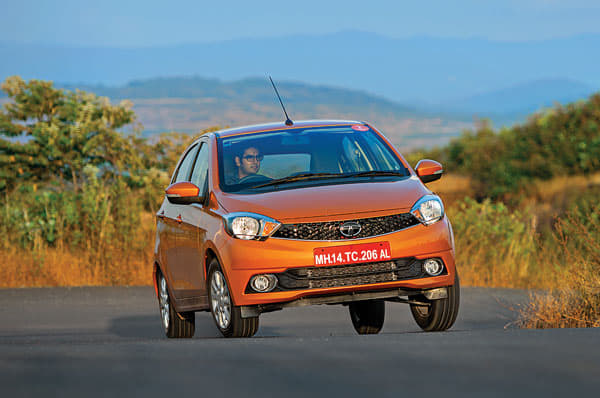
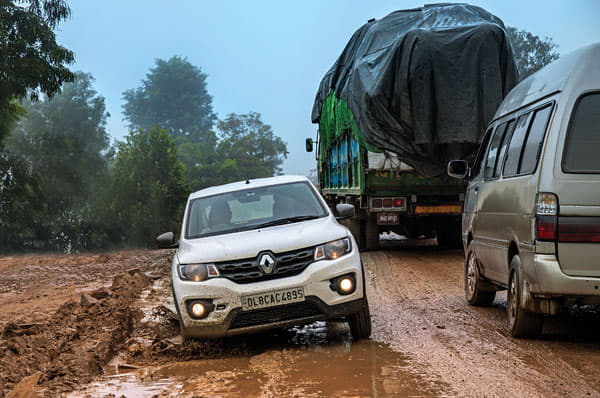
Putting every last one of the Kwid’s 180mm ground clearance to full use in Myanmar.

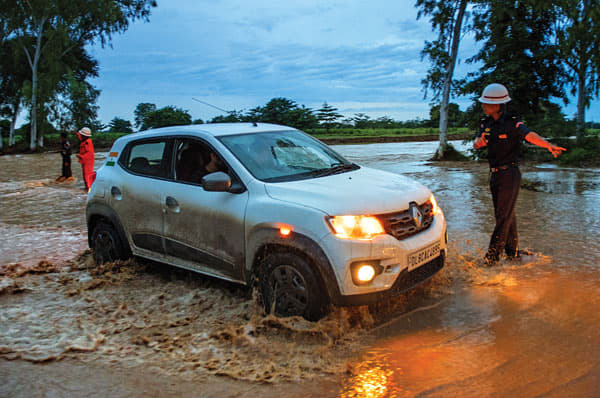
The river became the road: the Irrawaddy broke its banks and crossed the highway.

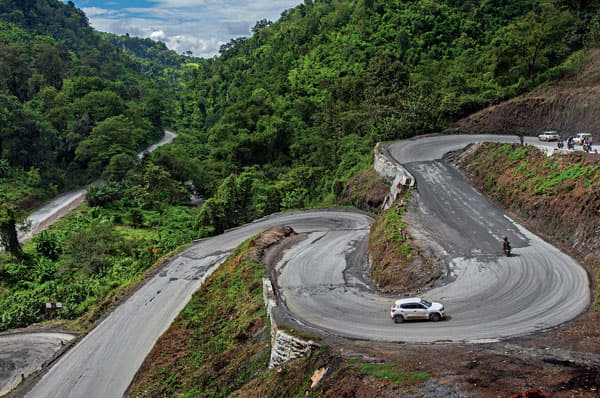
Sure Myanmar has a lot of bad roads, but when they’re good, they’re really, really good.

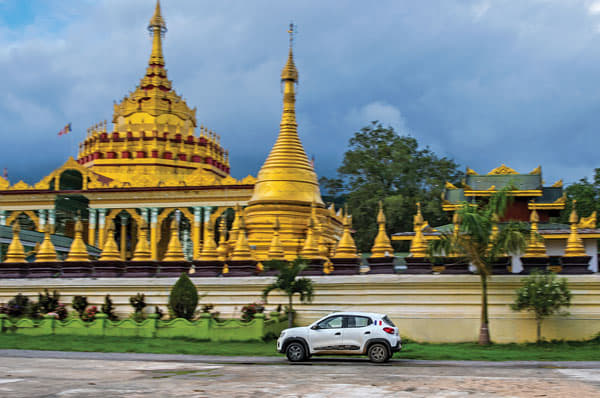
Every stupa in Myanmar is grander than the last, and this one, with its gold domes and mirrormosaic interiors was definitely worth a visit.

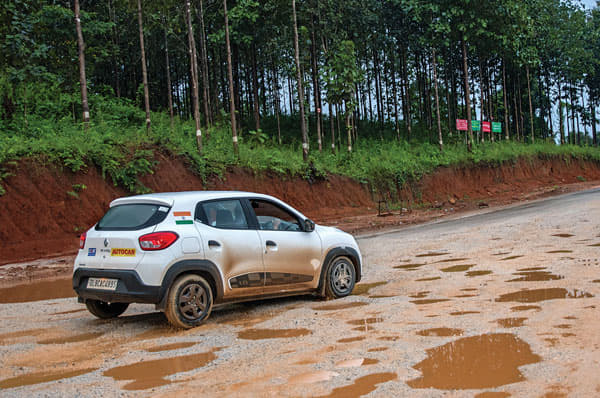
If you though our potholes were bad, you should visit Myanmar, which had the roughest roads on this trip.

Thanaka is a sunscreen home-made from bark and used all over Myanmar.

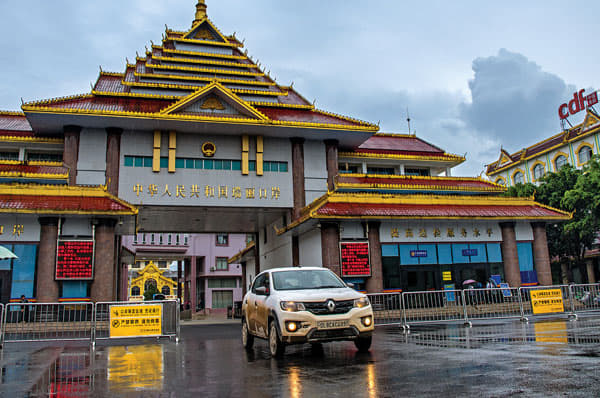
The grandeur of the Myanmar-China border gate is a sign of things to come.

“No. Nope. No. Not that one. No, sorry. Not that one either. No.” The frustration on the Renault service exec’s face upon hearing this was plain to see. He’d expended a good deal of time and effort curating a concise list of ‘essential’ spare parts we’d need to carry on this trip, and, one item at a time, we were tearing it down. I mean, sure, worst-case scenario, we might encounter a boulder field somewhere in rural China, but still, I doubt we’ll need a spare oil sump, right? The truth is, with just two cars, up to six people and their luggage, and an additional set of tyres (for each car), we’re already tight on space, and while we do need to carry spare parts for our spanking new Renault Kwid 1.0 (and the Duster AWD that will be its bodyguard), we need to keep it to the barest of minimums. It’s a long drive and, well, we’d like to do it comfortably.
The next morning, India Gate is awash with visitors; it’s the weekend, so it’s only natural. The soldiers that guard the Tomb of the Unknown Soldier are as surprised as the passersby to see a car (a private vehicle no less) parked at the famous monument. Cameras are trained on Renault India boss, Sumit Sawhney, and our own boss, Hormazd Sorabjee, as they talk about the journey we’re about to undertake – taking the Kwid from its actual home to its spiritual home. India to France, Delhi to Paris, India Gate to Arc de Triomphe – there’s a nice synchronicity to it. And, as they hop into the Kwid and pull out into the churn that is our Capital’s traffic, that’s it, we are underway.

A few hours later, somewhere on the Yamuna Expressway, where we’ve stopped for a paratha breakfast, a group of bikers dismount from their fleet of pristine Triumphs to inspect our two-car-strong convoy. Maybe it was the Kwid’s uncommon white-on-black colour scheme (those wheel covers make all the difference), maybe it was the massive Thule storage box atop the Duster, but more than likely, it was the decals – Ceat Tyres and Autocar India, and the contrasting tricolours of India and France.
 
The pristine vastness of the Yamuna Expressway means a huge chunk of our first day’s travel is over in a flash. Yes, we get some traffic as we enter Varanasi, our first halt, but all things considered, we make light work of the first 800-odd kilometres. That can’t be said of the next 800km, all the way to Siliguri in West Bengal. We knew it would be a bit of a task, but we didn’t account for the town of Gaya. Narrow lanes, unruly drivers and a rather roundabout route meant we spent two hours there! Worse still, as we push through Bihar, the highway deteriorates into a series of craters and slows our movement to a snail’s pace. So, at close to midnight with about 160km still left for Siliguri, we throw in the towel. The tiny town of Katihar is dead to the world at this hour, of course, but we find a place to stay and call it a night.

THE NEAR EAST

The sleepy town of Katihar? Turns out it isn’t all that sleepy. The hazy morning light revealed that our hotel is smack in the middle of the world’s busiest vegetable market. The pair of Renaults criss-cross through stray carts and piles of produce, crawling toward the merciful release of the National Highway. We’re driving to Guwahati today, and that means our much-anticipated foray into the North East of India.

The road into Assam, however, is incredibly frustrating, and no, I don’t mean the countless police checkpoints that will make you trace out your family tree because your car is registered in another state. It’s because you have kilometre upon kilometre of pristine four-lane highway that’s frequently interrupted by immense craters, and when we say immense, we mean as much as a 2ft drop in elevation. It’s a good thing we have a pair of crossovers with us, because boy, is this hard work. Every brief stretch of smooth tarmac is a short-lived revelation.
India to Paris in a Renault Kwid part 1: India to China
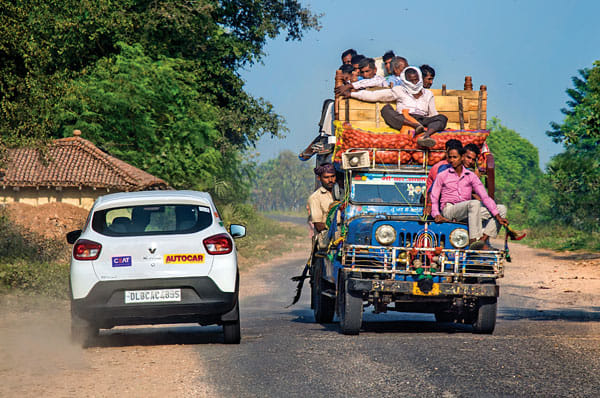
Rough road transportation has come a long way since the good old days, and we’re all the happier for it.

Guwahati’s main road is as comforting as a warm hug after a long day at the office; it’s smooth, familiar and bustling. There’s nothing we want more than our hotel rooms right now, but first things first, time to drop the cars off for one final check at the Renault service centre before we venture off into the unknown.

The next morning, a late start for a short drive. We pick up the cars, grab a deliciously messy fried Chinese meal at a local restaurant, and find ourselves on one of the nicest ghat roads in the country, getting out of Guwahati. It doesn’t last though, and soon we’re reduced to a miserable trudge even slower than the day before. Pockets of Dimapur – our night stop in Nagaland – are still alive as we drive in close to 9pm, including, rather eerily, a funfair.

Dimapur to Imphal is the shortest leg of our journey in India – perhaps of this entire trip – at just around 200km. Yet, somehow, it turns out to be the longest. The road is the worst we’ve seen yet; an unending barrage of hellish craters, blinding dust and idiotic oncoming traffic with permanent high beams for good measure. It’s taken its toll as we crawl, incredibly fatigued, into Imphal – our last stop in India.

Three cheers for Datsun

On Datsun’s third anniversary in India, Redigo owners share their experiences about the car.
3 min read29 Mar '17
Autocar India News Desk

Bridging Distances

The Nissan Terrano is on a mission to bridge the emotional and physical distances between people.
3 min read21 Mar '17
Autocar India News Desk

Mother and daughter spend a happy day together.

The goodbye was bathed in contentment.

Jyoti and Naini catch-up over a drive.

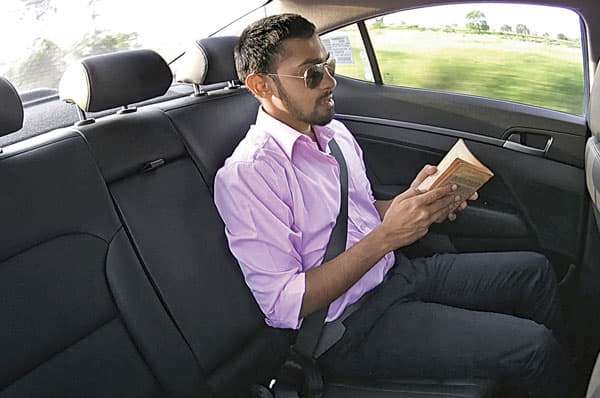
Jyoti enjoyed spending time in the Terrano’s back seat, looking out the window.

The drive to Visakhapatnam was easy, with minimal traffic.

The mother- daughter duo took a drive along Visakhapatnam’s Beach Road.

Jyoti found the Terrano to be stable on the highway.

INS Kursura, a decommissioned submarine, is on permanent display at Visakhapatnam.

Living life king-size - 2

Siddhant Ghalla continues his odyssey across the palaces of India in his quest for the true meaning of luxury.
2 min read18 Mar '17
Siddhant Ghalla

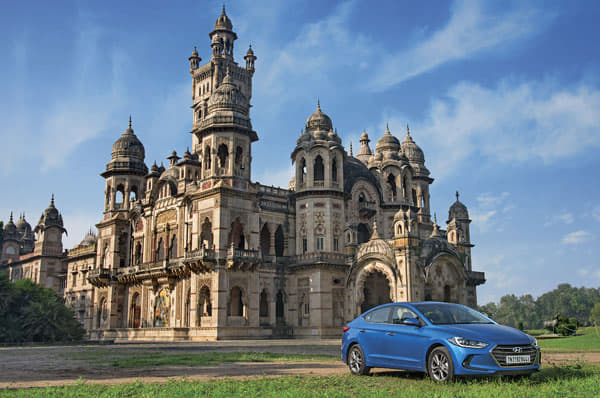
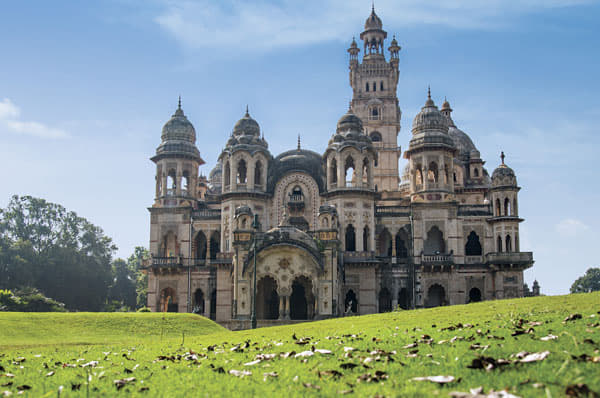
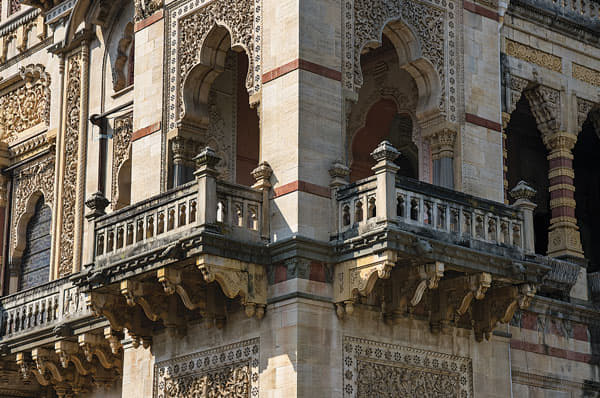
The sprawling Laxmi Vilas Palace features fine, intricate architecture and ornamentation.

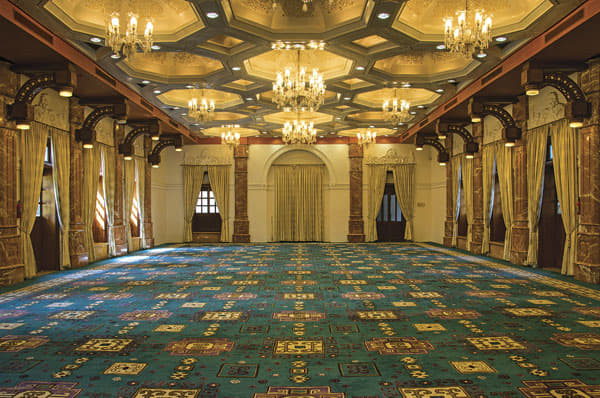
Large, carpeted ballrooms with chandeliers are now used as wedding venues.

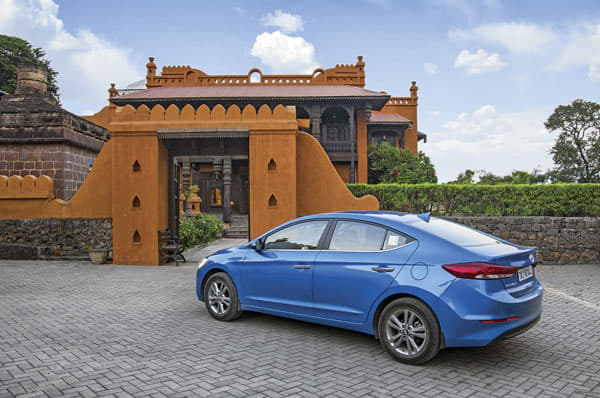
Fort Jadhavgadh with its stone walls is more practical than luxurious.

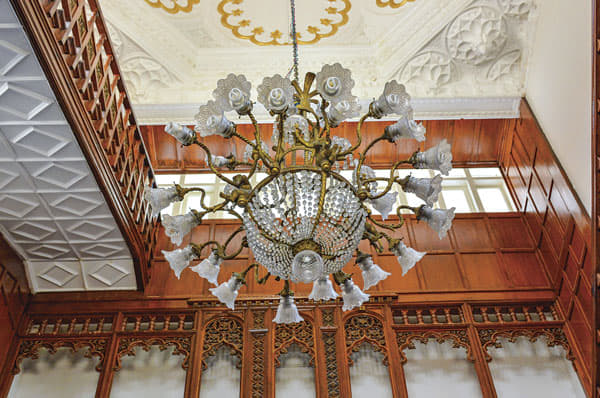
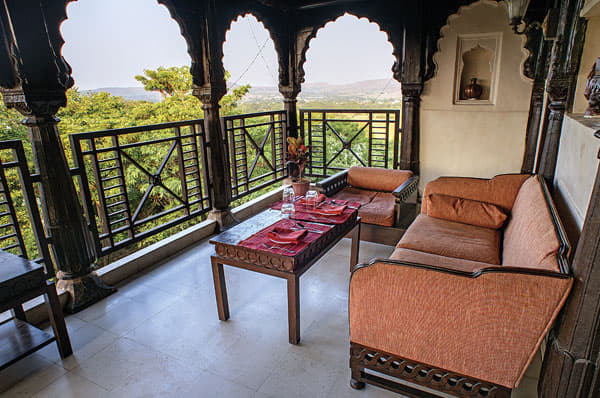
Room with a splendid view.

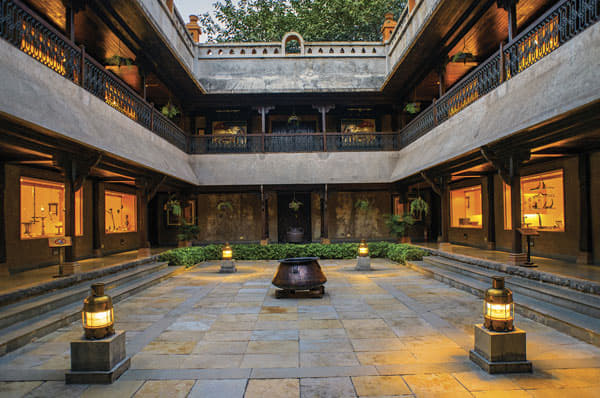
The central courtyard is peaceful, if not plush.

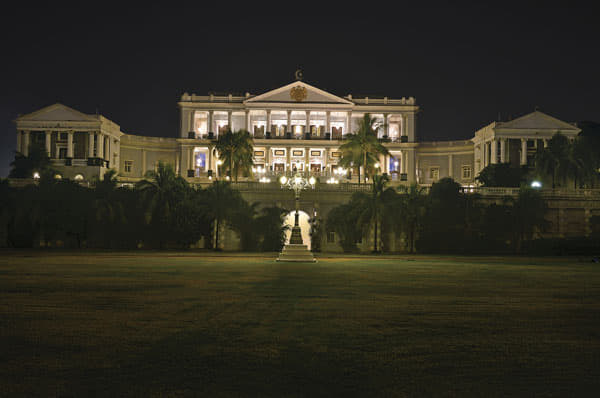
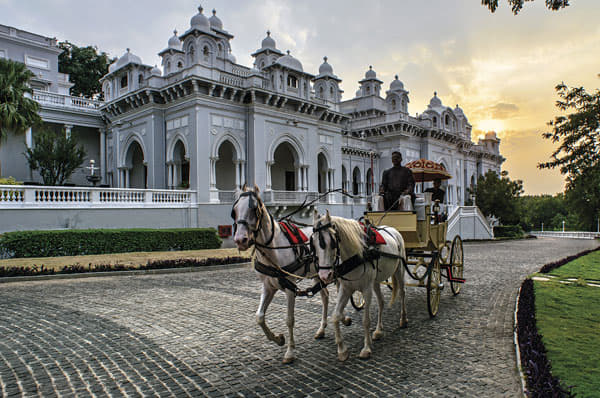
Falaknuma is a vision at night, when it is all lit-up. The sprawling main palace is very European in design.

After palace hopping across the country on straight highways, the occasional ghat was a welcome change.

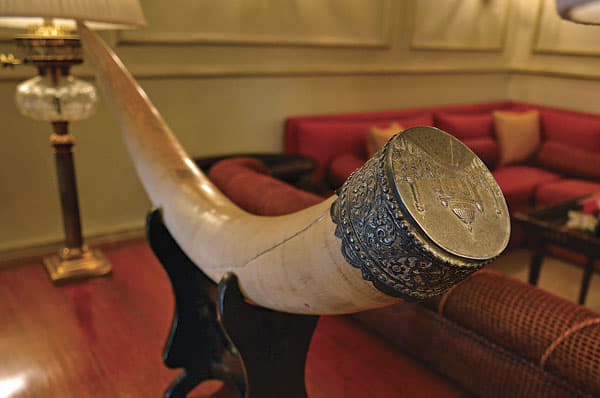
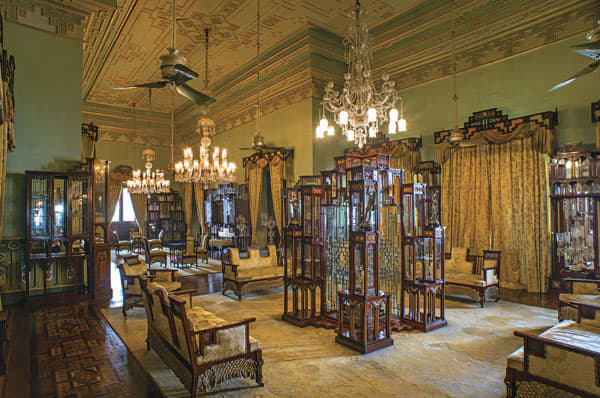
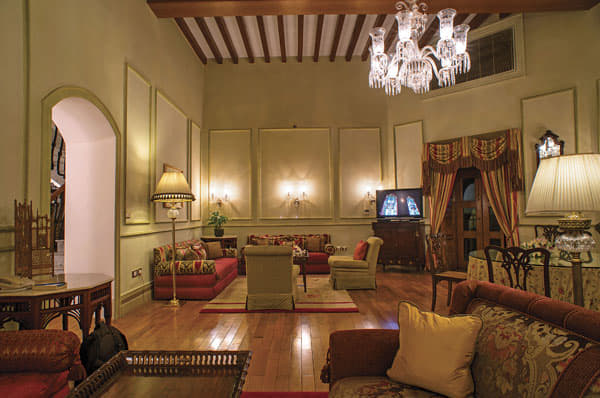
The Jade Room is cosy, perfect for candid conversation, and fitted with priceless artefacts collected by the Nizam over the years.

The Nizam suite is a two-storeyed villa with a personal swimming pool.

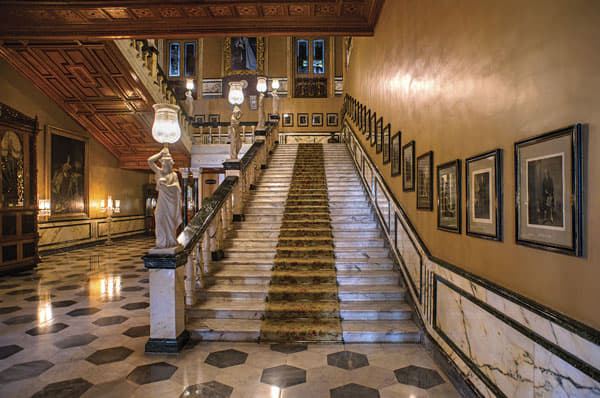
The marbled grand staircase hugely adds to Falaknuma’s royal and luxury quotient.

Living life king-size - 1

Siddhant Ghalla takes a break from his regular life to explore the luxury quotient of India’s palaces, by road.
2 min read30 Nov '16
Siddhant Ghalla

An astrologer waits to tell discerning guests what their future holds.

Few things shout ‘luxury’ like a spa experience.

The Crystal Suite at the Jai Mahal Palace boasts Rajput-style furniture and artwork.

A life-size chessboard with intricate pieces is a highlight at Jai Mahal Palace.

The pillars at the Marble Arch cafe are 270 years old.

The royal guards at the Lake Palace dutifully welcome us, royalty-style.

The lily pond at the Taj Lake Palace, Udaipur once the personal recreational area of the queen, is now an oasis of calm.
This jetty serves as the access point for the Taj Lake Palace.
The Lake Palace in Udaipur was built as a ‘pleasure palace’ and later served as a means to beat the summer heat.

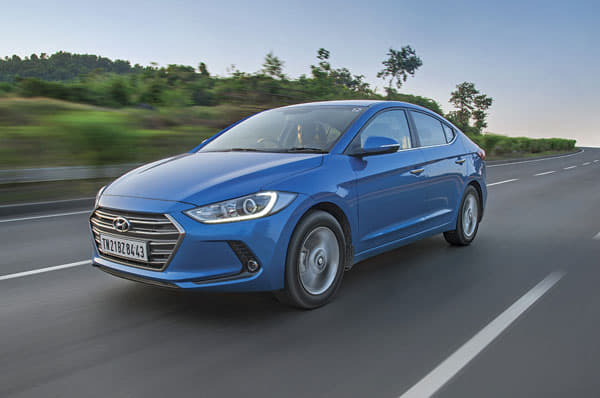
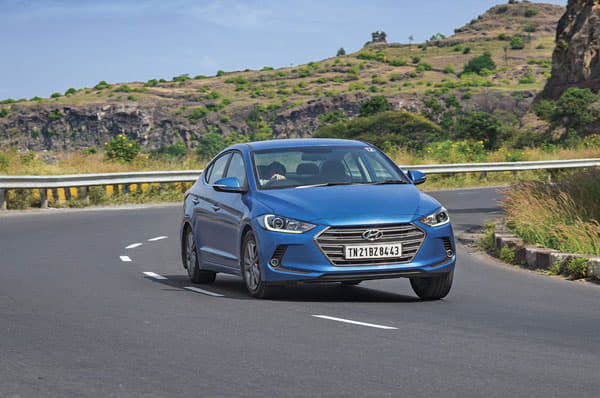
Our bright blue Elantra added a dash of colour to the otherwise drab and unchanging landscape of Rajasthan.

The Elantra kindly offers to take us to a fuel pump.

The large central dome is the crowning glory of the Umaid Bhavan Palace.

It really does not get more ‘palatial’ than this.

The central atrium of Umaid Bhavan, with its marble floor and intricate pillars, is awe-inspiring.

Brass knobs controlled Umaid Bhavan’s vintage AC system.

The art-deco-styled Maharani suite had five rooms, including a personal spa.

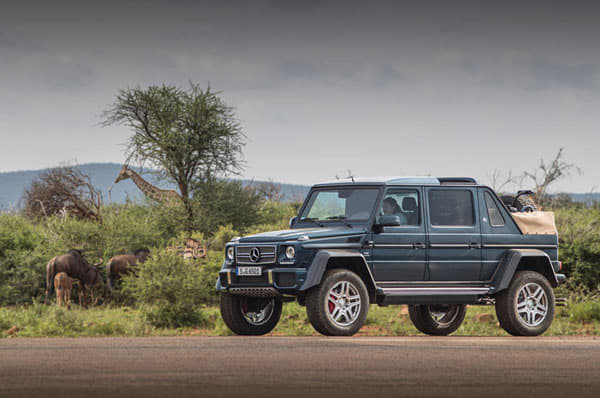
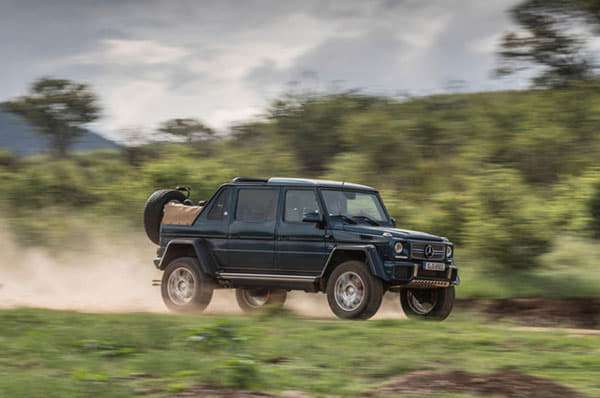
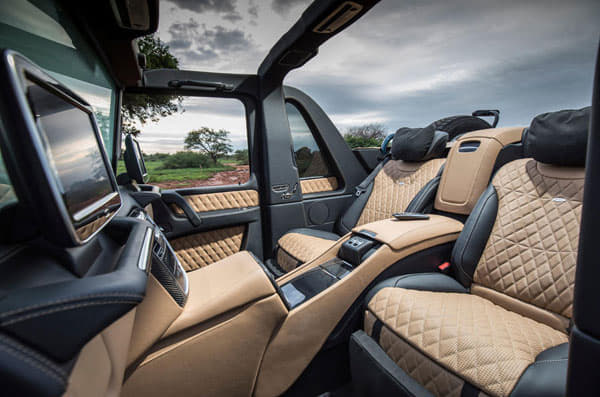
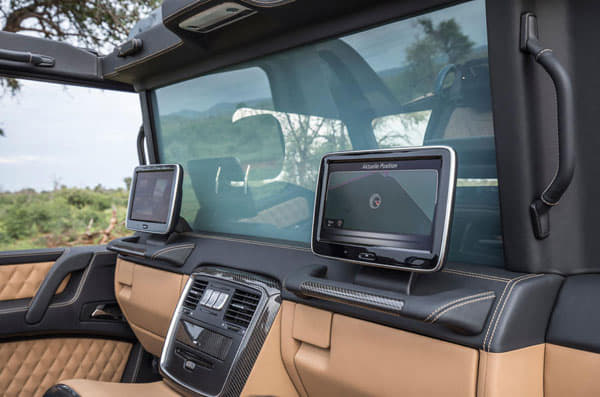
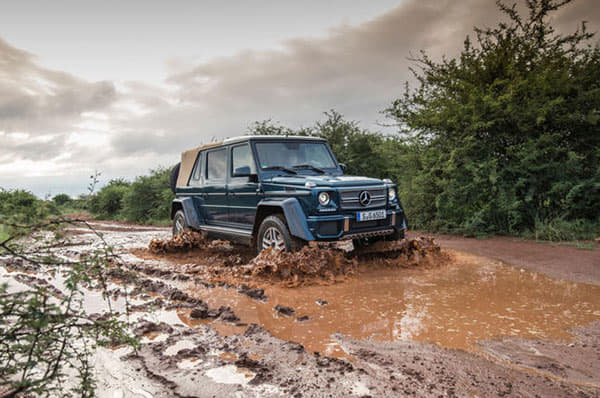
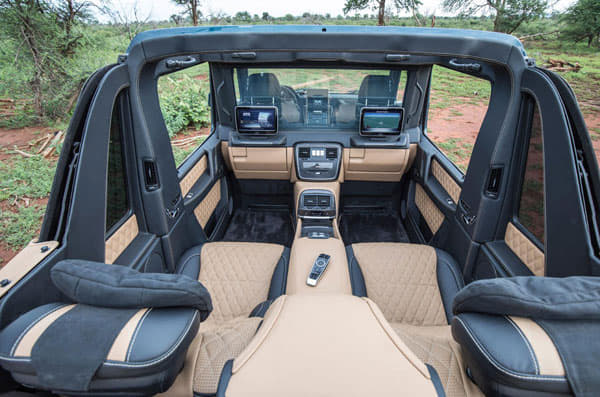
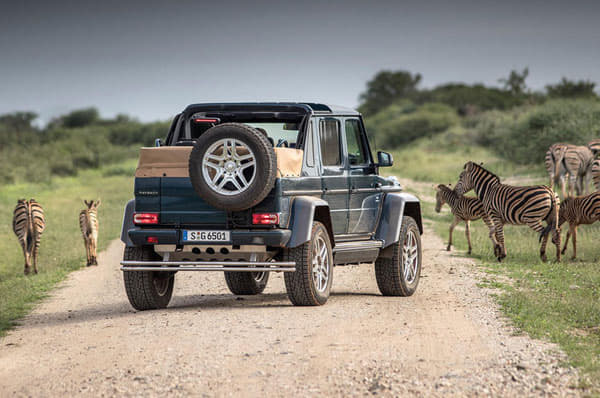
Mercedes-Maybach G650 Landaulet: A close look

The 630hp G650 Landaulet is limited to just 99 units, is only left-hand drive, and not road legal in some countries. Here is a close look.
2 min read5 Mar '17
Autocar India News Desk
India to Paris in a Renault Kwid part 1: India to China - Introduction | Autocar India