
.jpg?w=728&q=75)
.jpg?w=728&q=75)
.jpg?w=728&q=75)
.jpg?w=728&q=75)
.jpg?w=728&q=75)
.jpg?w=728&q=75)
.jpg?w=728&q=75)
.jpg?w=728&q=75)
.jpg?w=728&q=75)
.jpg?w=728&q=75)
.jpg?w=728&q=75)
.jpg?w=728&q=75)
.jpg?w=728&q=75)
.jpg?w=728&q=75)
.jpg?w=728&q=75)
.jpg?w=728&q=75)
.jpg?w=728&q=75)
Renault may not be the first name you think of when it comes to SUVs, but its new Duster is reason enough to get you interested. The Duster is available with a 102.5bhp petrol, a 84bhp diesel engine and a more powerful 108.5bhp diesel model.
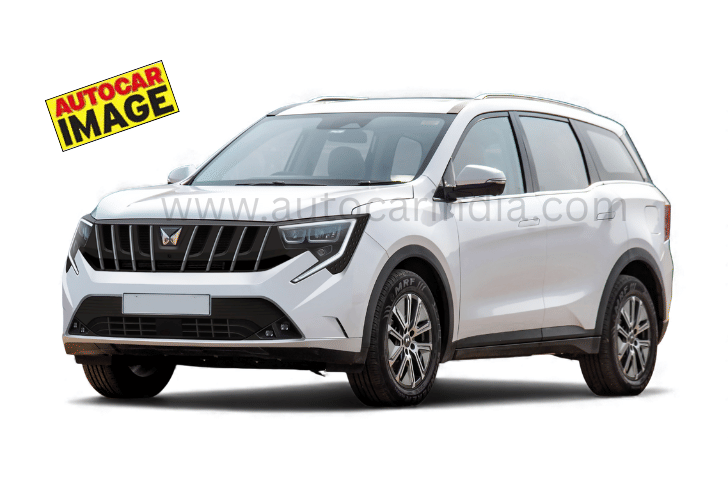
For the Rs 9.99-11.29 lakh Renault is asking, you could also have yourself a Mahindra Scorpio. It may be a decade old, but it remains a proven and popular choice among SUV buyers. So which one is better?
Performance
Displacing 1461cc, the 108.5bhp Duster engine is a whole size down on the Scorpio’s 2179cc 120bhp powerplant. But despite the displacement and power deficits, the front-wheel-drive Duster is significantly faster than the Scorpio from 0-100kph. It is also faster in the 20-80kph in third gear and 40-100kph in fourth gear slogs that are good indicators of driveability. At 1850kg, the extra half tonne weighs the Scorpio down.
But performance numbers aside, the rear-wheel-drive Scorpio actually feels a bit better to drive. Power delivery is very linear, but what makes the difference in city traffic is the ample pulling power that is available from as low as 1200rpm. This, along with the broad spread of power and well-chosen gear ratios, makes the engine very flexible. As a corollary, you also have to make fewer gear changes, which is a good thing, because the Scorpio’s gearbox is quite notchy to use.
The Duster uses a six-speed gearbox to the Scorpio’s five. The additional ratio makes the Renault a more relaxed cruiser and enables it to deliver better fuel economy out on the highway. While gearshift quality is better than the Scorpio’s, gear changes are still not very precise. Also, the Duster’s clutch is heavier than the Mahindra’s and does get tiring to operate in stop-go traffic.
Unlike the Scorpio, the Duster feels a bit weak at lower revs but still has sufficient power for everyday driving conditions. The engine tends to get bogged down on uphill roads so you will need to keep shuffling between third and second gears to maintain momentum. And it is for this you need to keep the revs between 2000-4000rpm to get the most out of this engine.
An area where the Duster trails the Scorpio is engine refinement. The Scorpio remains reasonably quiet at all speeds, while the Duster’s motor gets progressively louder as revs rise.
Ride and Handling
The Duster's ride comfort is simply exceptional. The way it simply glides over the worst of potholes is remarkable, even by typical mid-size saloon car standards. High-speed manners are good too, with no undue vertical movements and fine straight-line stability. The Scorpio feels nowhere near as absorbent as the Duster at low speeds, with a pronounced thud felt over sharper bumps. The choppy ride also means middle and third-row passengers get tossed about quite a bit. At highway speeds, there is always a good amount of bobbing and pitching on all but the smoothest of surfaces.
Sudden changes in direction unsettle the high centre-of-gravity Scorpio. The steering is not very precise either and is a touch too light for high-speed driving. The Duster may not be very exciting to drive either, but its lower stance and car-like chassis give it far better dynamics than the Scorpio.
Both SUVs come with steerings that are light enough at low speeds, which helps when making your way through crowded city roads. But the Duster’s smaller dimensions and tighter turning circle make it more manoeuvrable, especially in tight parking spots.