
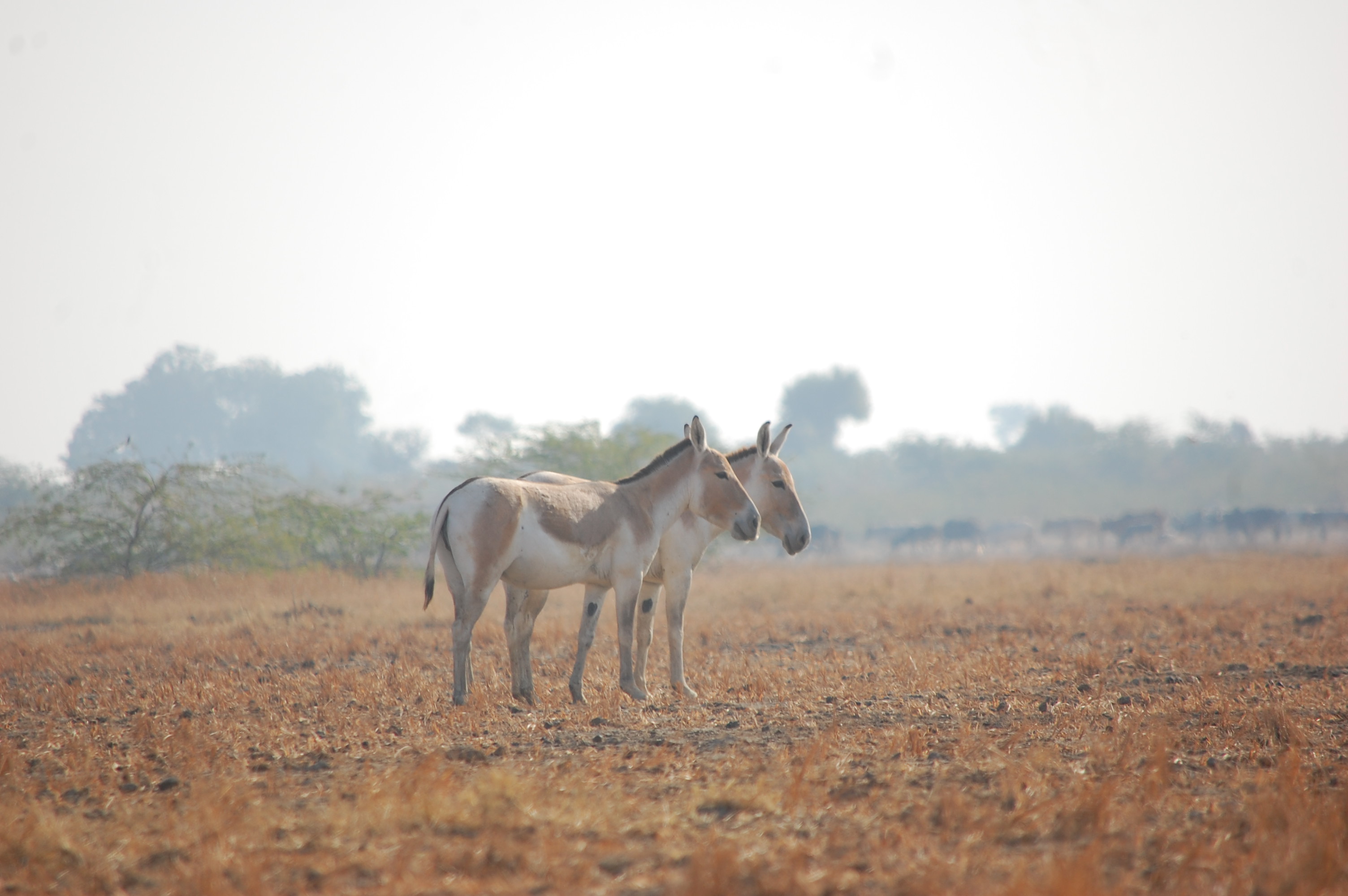
Little Rann of Kutch or LRK, is about 600km from Mumbai in the northwestern State of Gujarat. It was declared a sanctuary for the Indian Wild Asses in 1972 and has been listed by UNESCO as a biosphere reserve. LRK makes for a fantastic driving holiday if you love wildlife, a birdwatcher or a photographer.
A few words of advice before you get into your car - leave as early in the morning as possible. Try and cross Dahisar toll-naka by five, before the morning traffic jams up the Western Express Highway. The NH8 to Vadodara is pretty busy but the roads are good and you should be able to make good time. The road from Vadodara to Ahmedabad is NE1, India’s first Expressway and still one of the finest stretches of road in the country. Before the end of the Expressway take the road going towards Sanand, and thereafter take the State highway towards Viramgam. Overall it’s an enjoyable drive from Mumbai if you don’t mind spending about 12 hours behind the wheel.
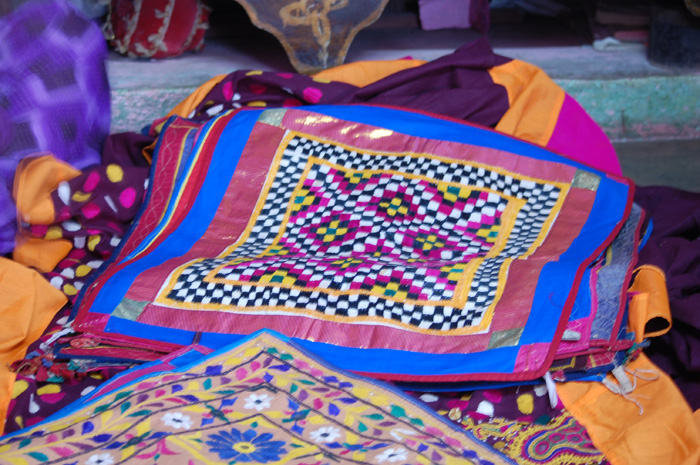
Once in LRK, where do you stay? You cannot stay in the Rann, but there are options in the little towns around LRK. We chose to stay at Rann Riders in Dasada. Don’t wait till the last moment to make your reservations though, since there are not many places around and the Rann Riders is the first choice for most. The cottages here are modeled after the kooba houses of the Bajania community of Dasada and the bhunga houses of the Rabaris of Kutch, decorated with mirrors, mud-plaster work and embroideries.
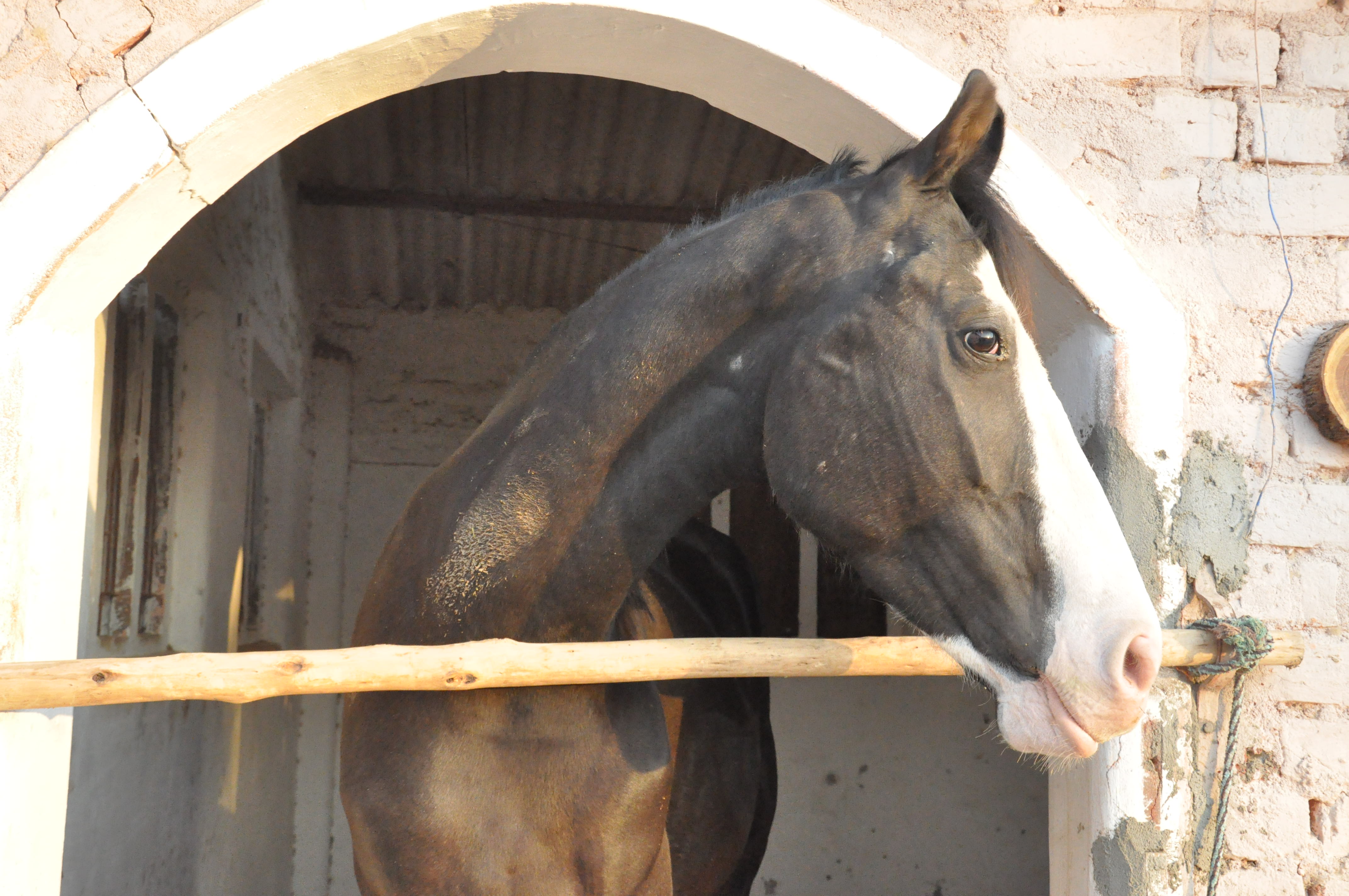
There’s a small lake here where you can go fish, and a swimming pool to lounge about in. More interestingly, there is a stable of fine prize-winning indigenous Marwari and Kathiawadi horses. You can ride these to explore the Rann. But unless you are a passionate and expert equestrian, I would suggest you stick to the normal desert safaris organised by the Rann Riders in the morning and evenings in their Jeeps.
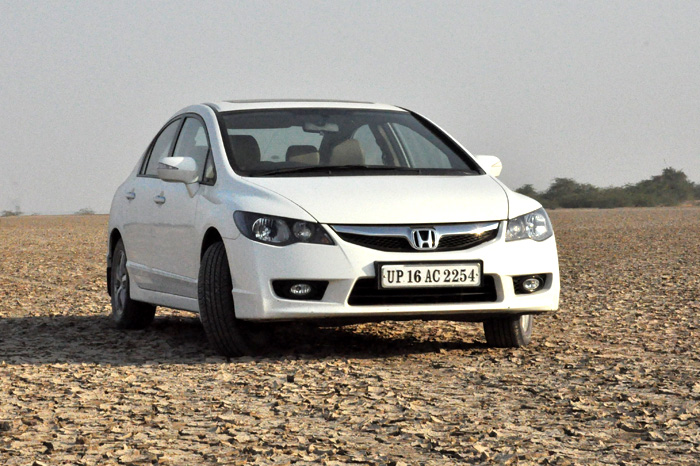
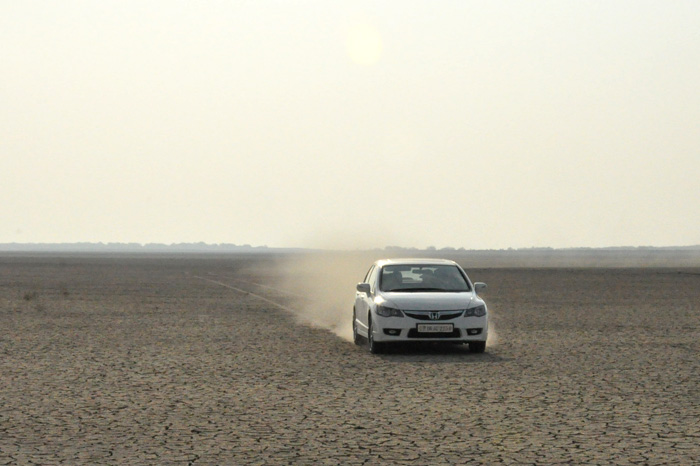
There are no roads in Rann, you just make your own road in the vast, barren mud flats. But be warned, sun-dried, cracked mud can slice through your tyre or the thorny scrub could scratch the car’s paint. If you drive into soft sand, or wet mud, the car can get stuck. So never ever enter the Rann without a guide. Rann Riders will be happy to send someone with you if you want to explore LRK in your own car.
The Little Rann of Kutch covers an area of about 5000 sq km. There are 74 hills, called bets, which rise across the Rann. Mark my words — the first time you enter the Rann you are left completely at awe. It’s just crusted mudflats as far as the eye can see, with no vegetation on most parts; the deathtrap of ‘adventurers lost in the desert’ novels — the illusionary mirage shimmering in the distance; the sense of being an insignificant speck in Nature’s grand scheme of things.
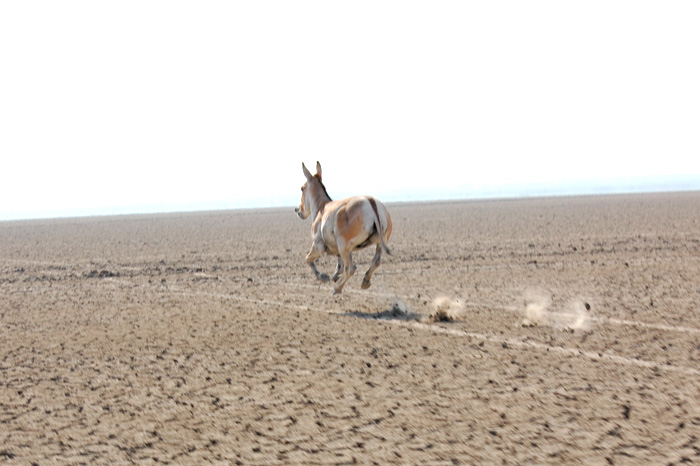
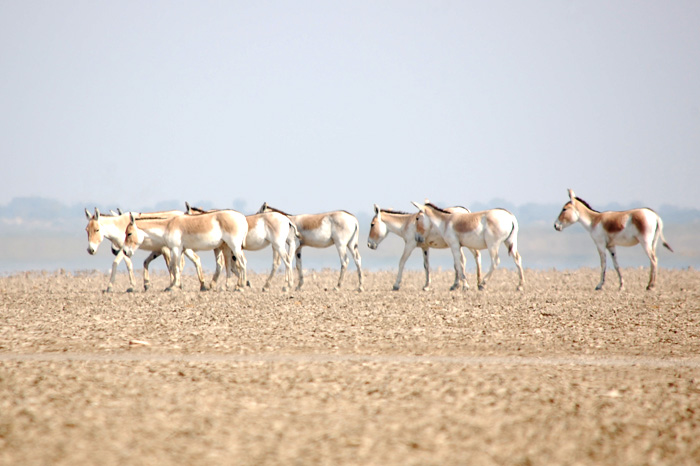
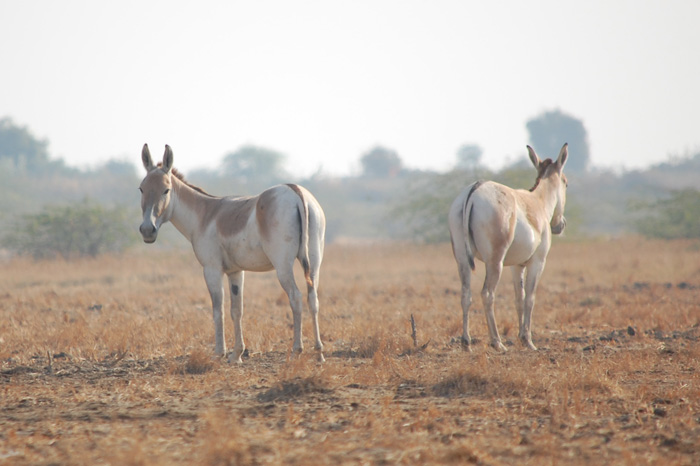
The Rann is home to the endangered Wild Ass. In fact, it is the only place on the planet where you will find these magnificent creatures and they are known locally as khur. The khur is a sub-species of Onager, and its dark mane runs from the back of the head to the neck. The dark brown stripe runs down from the back to the root of the tail.
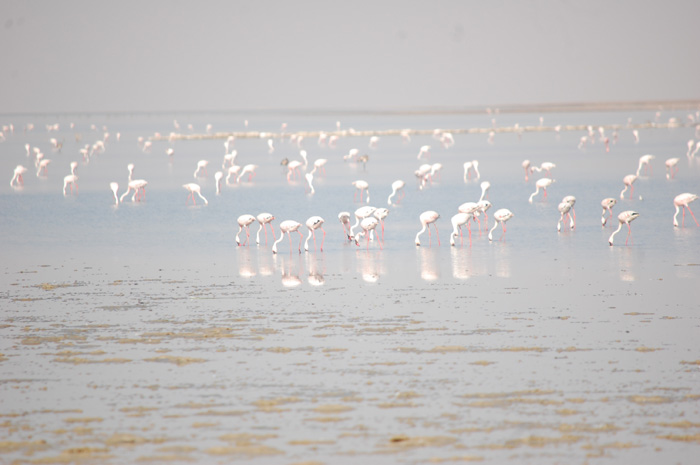
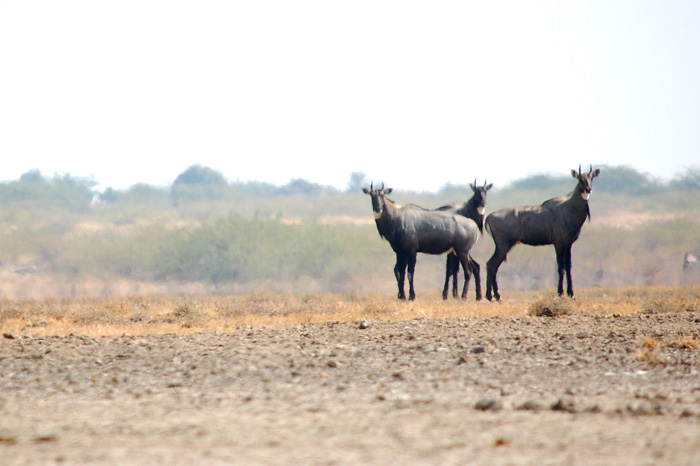
You will also find Nilgai, or Bluebull, and if you are lucky, desert fox, jackal, desert cat, caracal and striped hyena. The other fascinating sight at LRK is the colonies of flamingoes. Hundreds and thousands of them. LRK is supposedly the largest breeding ground of these birds in the world.
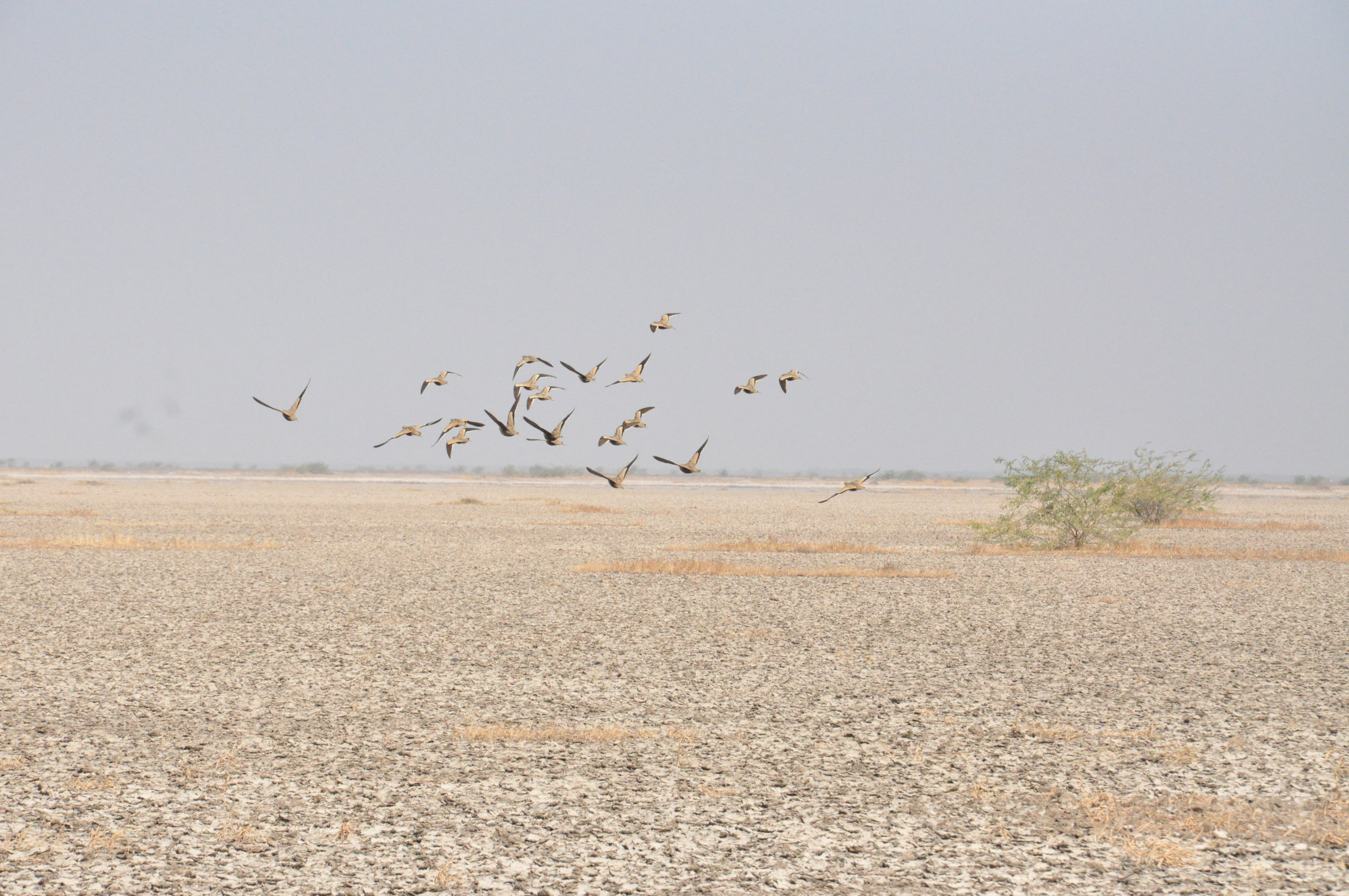
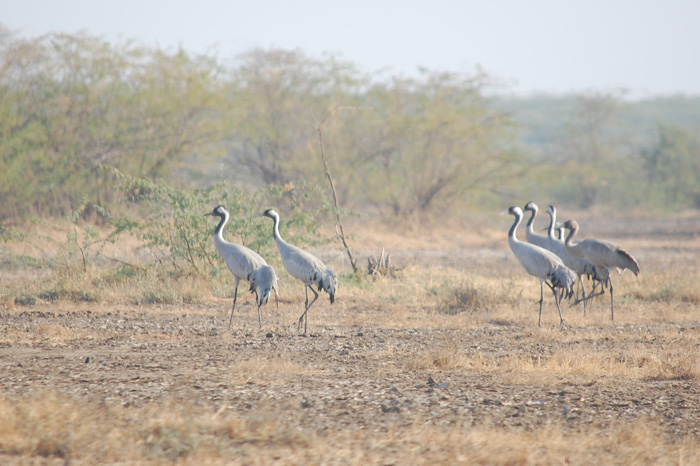
This is a birdwatchers’ paradise, attracting bird lovers from across the world. The secret lies in its unique geographical location. This area witnesses great waves of migratory birds in winter. Over 200 bird species are to be found here, including avocets, spoonbills, spotted and Indian sand grouses, francolin partridges, bustard quails, desert wheatears, desert larks, steppe eagles, imperial eagles, short-toed eagles, vultures, pelicans, ducks, common cranes and storks.
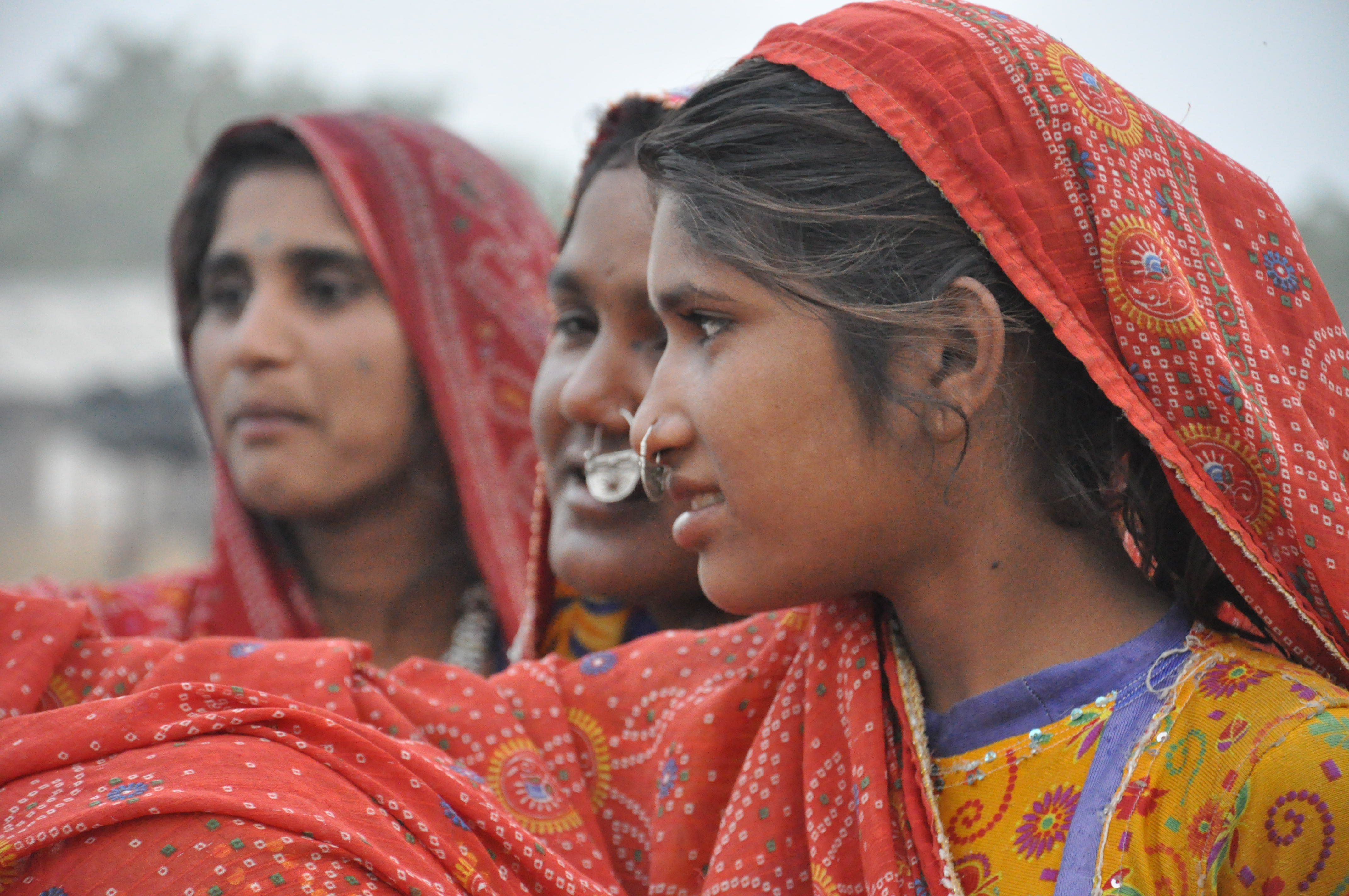
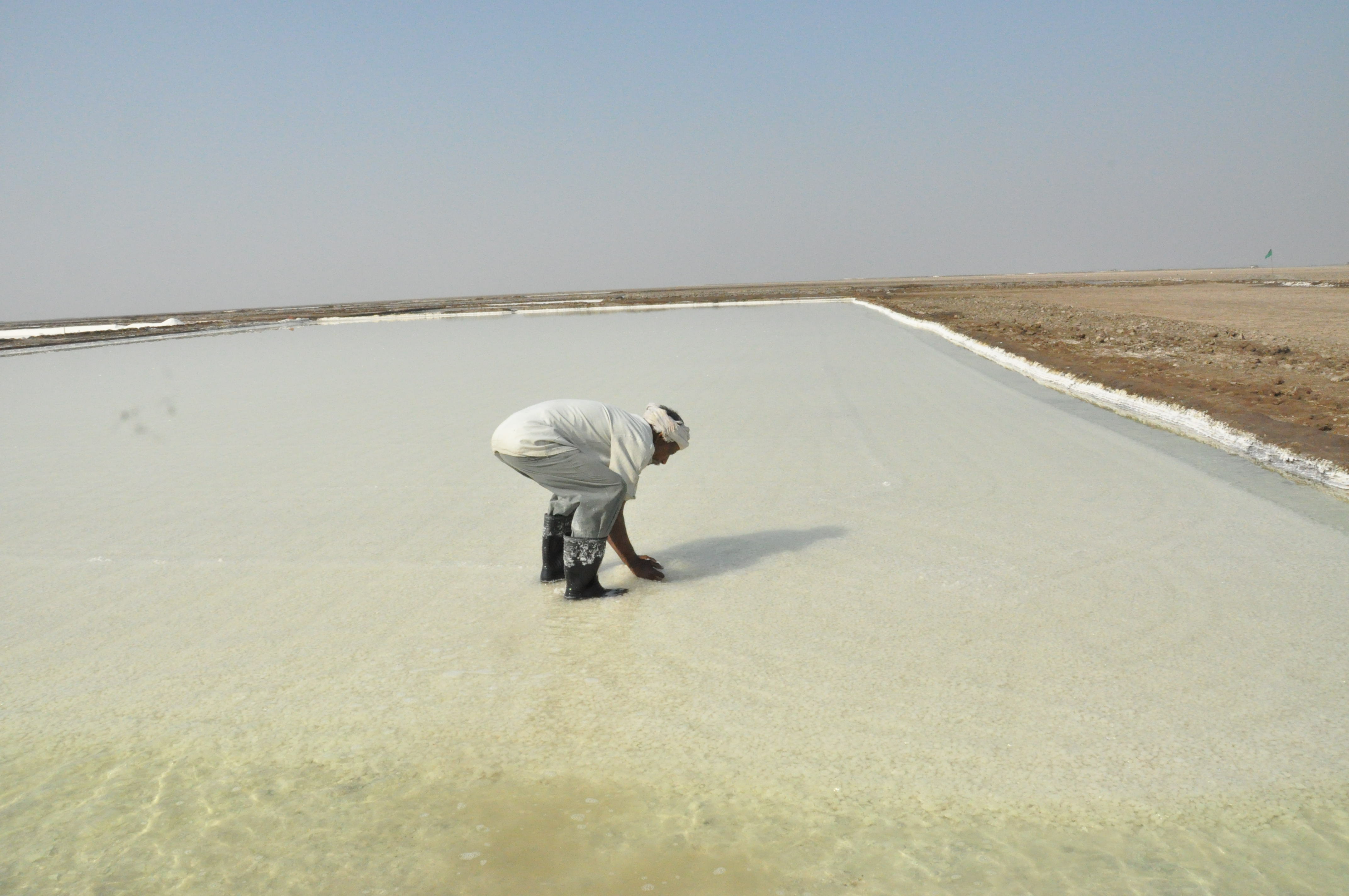
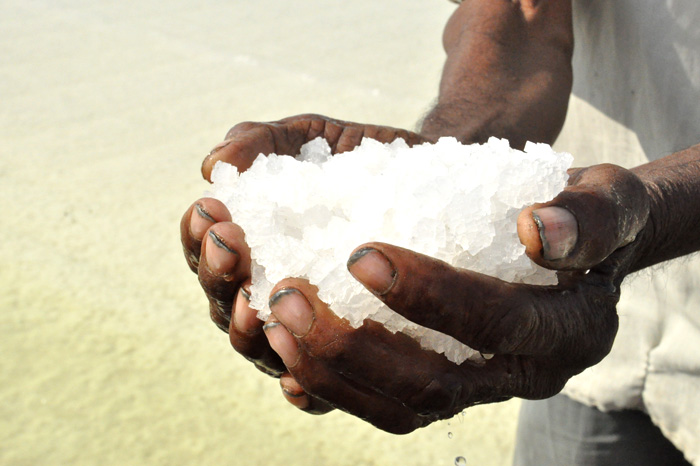
The only other living creatures to be found in this arid and harsh land are the agariyas. You can spot them in the middle of the Rann, surrounded by mounds of white salt crystals. Agariyas are the salt-pan workers. They come mainly from the Chunvaliya Koli, Ahir and Miyana communities, residing in 107 villages in the periphery of
LRK. Water quality in these villages is saline, thus agricultural production is very low. In the absence of any other strong alternative for livelihood, salt production is the only livelihood option for agariyas.
Think of this article as a trailer for the Little Rann of Kutch. No picture or words can capture the full 70mm cinemascope experience of LRK. There’s only one way to get the full LRK story — go there.