The world is slowly but surely going electric. This, in part, is a good thing as EVs have the ability to reduce local pollution. But EVs aren’t a one-stop solution for the reduction of CO2. No, sir. There are several reasons for this.
Let’s start with production of electricity. Today, only around 20 percent of the electricity used to power EVs here comes from green sources: hydro, wind or solar. Eighty percent is a combination of thermal, gas and coal.
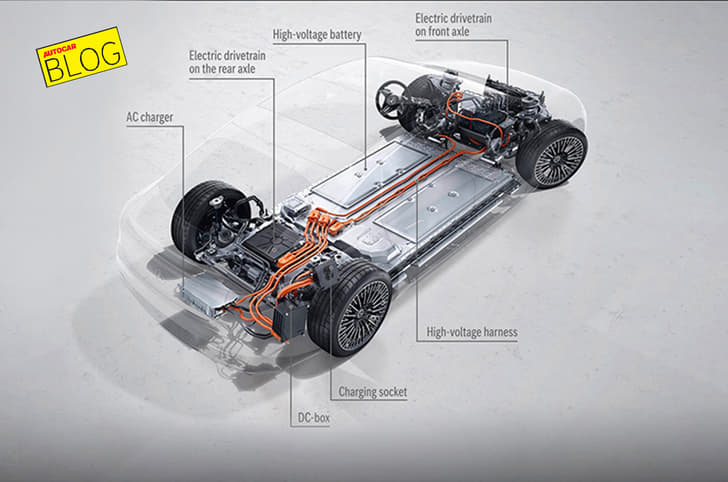
Problem number two is just as difficult to resolve. It involves the production of batteries; specifically the amount of CO2 released when making a large automotive lithium-ion battery. Just making an EV battery releases between five and 17 tons of CO2 into the atmosphere. This is before the car has even turned a wheel. To offset the CO2 released during manufacture, a small EV has to travel around 1,10,000km or 1,25,000km before we can see the benefit of running an electric car. Volvo says that the breakeven point for its XC40 Recharge EV, as against a regular XC40, is 90,000 miles or 1,45,000km. And this only gets worse for larger batteries with a capacity of around 100kWh.
What skews this figure even more in India is that we drive the most fuel-efficient cars in the world, which means less CO2 released, and the offset point is pushed even further out. Also, we in India seldom keep our cars past 70,000 or 80,000km. And even secondhand cars in India seldom cross 1,30,000km.
Next up, and this too is a biggie, is that even cleaning up cars completely isn’t likely to have an impact on global CO2 levels. Cars are only responsible for a small amount of total CO2 released. Get this; the share for road transport, trucks included, stands at just 11.9 percent, according to Our World in Data. And cars, at worst, account for between four and five percent of global greenhouse gases, depending on whom you ask. That’s almost negligible. Now, while solving four percent of a problem is a start, it can’t resolve the issue.
Even worse; if the world suddenly went from today’s 12 to a 100 percent EV, the environmental damage of manufacturing all those batteries at the same time would be huge.
This is why putting all our eggs into the EV basket is a no-no. A bit like running a one horse race – it eliminates competition and ensures all round progress stagnates. This is why getting rid of combustion engines before their time is so dangerous. In fact, with their relatively small batteries, strong hybrids are clearly be a more elegant way to decarbonise, especially in the short and mid-term. So yes, while EVs are part of the green dream, and they could be perfect in the future, there are still several significant hurdles to cross. Clean electricity, the clean production of batteries, and after all this, cars only account for between four and five percent of total CO2 released. So why the mad rush to go electric?
Is it being driven by battery makers?
 Rishaad Mody
 Avik Chattopadhyay
 Sergius Barretto