autocar-logo
Delhi
AU

AU

5d

I am 6 ft 2 in tall and want to buy an SUV. I am a bit confused between the Hyundai Creta, Kia Seltos, Tata Sierra, Mahindra 7XO/Scorpio, Honda Elevate, Suzuki Victoris, Grand Vitara, Hyryder, and Skoda Kushaq. Please suggest a suitable choice based on better ride quality and comfort, for city traffic, budget around 15L, 30km daily driving, and seating for 5/7.

Autocar India team

Autocar India

Verified
59s
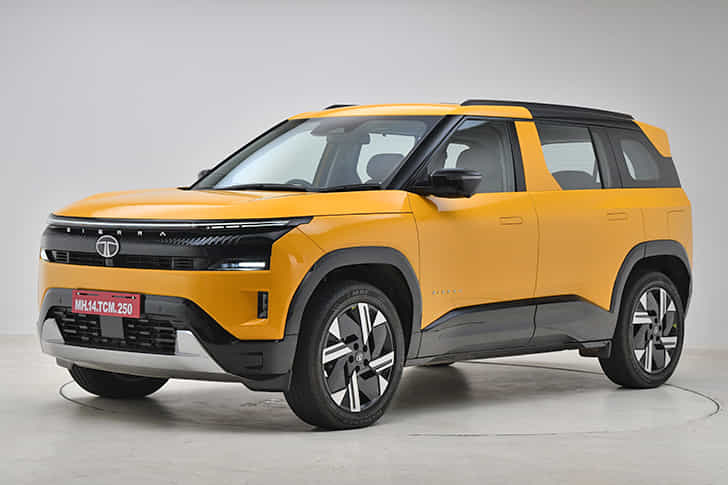
Do note that you will only get the base models of most of these SUVs in your budget of Rs 15 lakh (the two Mahindra cars are entirely out of your budget), so be prepared to increase your budget if you want more features or a more powerful engine. That being said, among your chosen options, the Tata Sierra is the most spacious and comfortable, and best suited for tall passengers, so that should be your choice from the five-seaters.
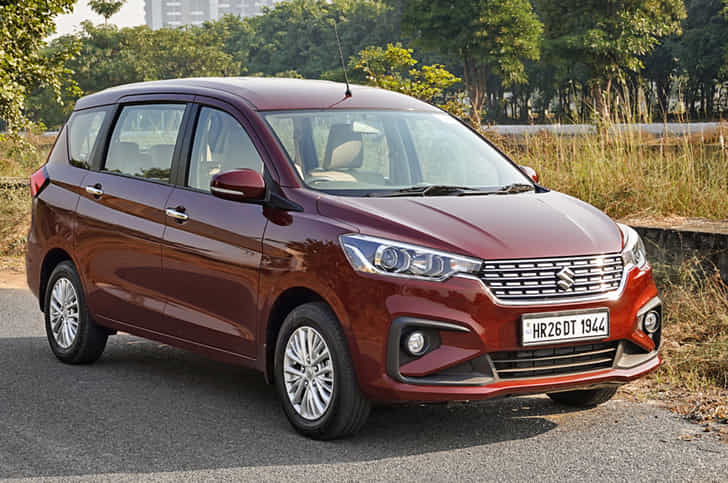
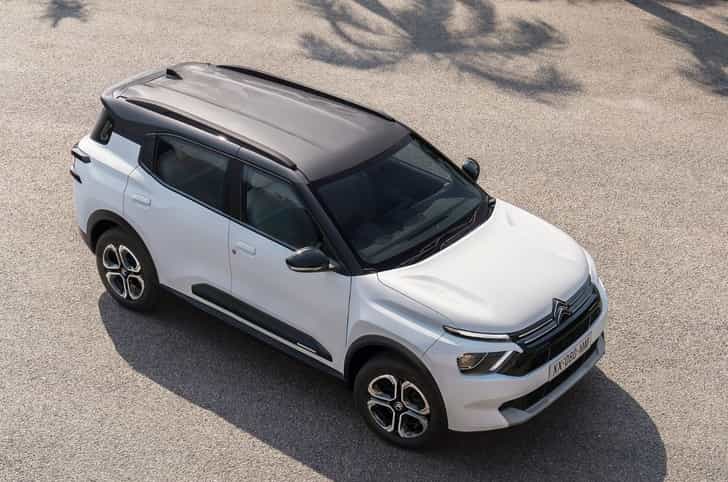
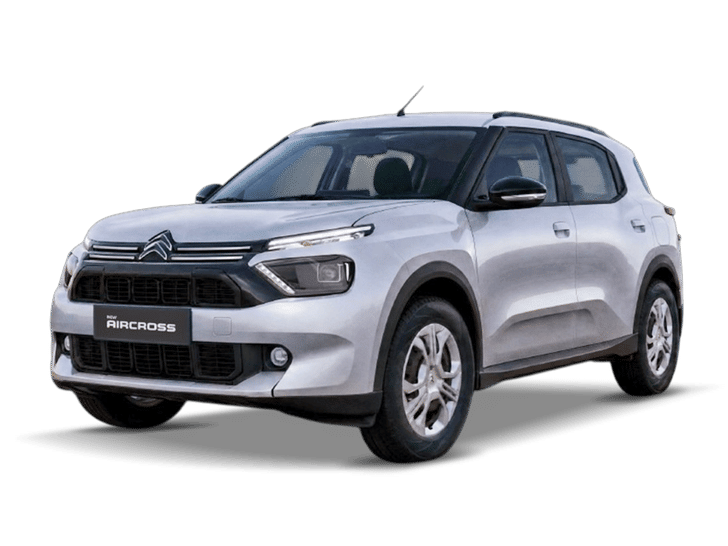
If you want a seven-seater, the Maruti Suzuki Ertiga is the best value-for-money option you could pick, and it meets all your requirements, including the budget. However, another car worth considering is the Citroen Aircross X, which comes in both 5- and 7-seat options, and is priced really well. It's spacious, comfortable and gets a punchy engine with a smooth 6-speed automatic gearbox.
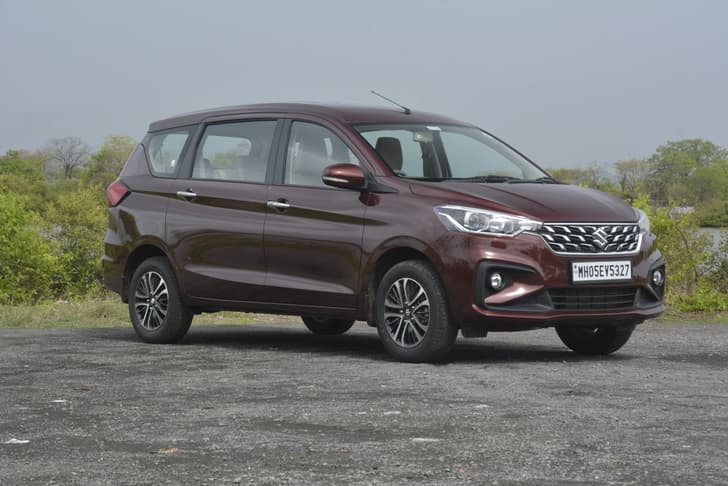
Maruti Suzuki Ertiga

Maruti Suzuki Ertiga

Was this helpful? Ask a follow-up

Got a suggestion for AU?

Add a Comment

Latest questions in the community

JN

Jags N

6d

I wish to buy a new mid range automatic petrol SUV. Had been owner of Honda Amaze for 11 yrs. Low maintenance, less service costs, happy ownership. So planned to buy Elevate CVT but found it lagging in power. Test drove Citroën Aircross/Basalt Turbo AT, found them to be more powerful. But lack confidence to buy due to other ownership reasons. Can you suggest a Automatic SUV in range of 17 to 19 with usage of 80% Bangalore city drive?

Autocar India team

Autocar India

Verified
20h

If you are looking for something with similar performance to the Citroen Basalt/Aircross, you should consider the Volkswagen Taigun or the Skoda Kushaq with the 1.0 TSI and torque converter automatic. The facelifted Kushaq now gets an 8-speed automatic replacing the old 6-speed unit, and the Taigun will get the same when it is facelifted later this year.The 1.0 TSI makes a healthy 115hp and 178Nm, which delivers better performance than the naturally aspirated engine in the Elevate and is on par with the Basalt. The 6-speed torque converter automatic was also smooth-shifting and very convenient to use, and we expect the 8-speed to be more of the same. With 80 percent of your driving in heavy Bengaluru traffic, this transmission will be a boon.Prices for the facelifted Kushaq will be announced later this month, and we expect our first drive reviews to drop around the same time. Before you decide, take a test drive, of course.

VehicleCitroen Basalt
VehicleCitroen Aircross
VehicleVolkswagen Taigun
NI

Nitin

6d

I drive around 178 km daily (approximately 46,000 km per year), mostly on highways and expressways. I am trying to decide between CNG and diesel for my next car. My main concern with CNG is long-term engine wear, as I have heard that some CNG engines may require major repairs after 1-1.3 lakh km. Since I plan to keep the car for at least 5+ years, durability is very important to me. My priorities are low NVH (noise, vibration, and harshness), smooth highway cruising, comfort, durability, and reliable long-term ownership. Considering my usage pattern and high annual mileage, which engine option would be better - CNG or diesel? Also, which car would you recommend?

Autocar India team

Autocar India

Verified
13h

For the kind of usage you describe, around 178km a day and roughly 46,000km a year - a diesel car makes far more sense than a CNG one.Firstly, diesel is much more widely available on highways and expressways, which is where you’ll be spending most of your time. With such high daily mileage, convenience matters, and diesel fuel stations are easy to find almost anywhere in the country.Secondly, diesel engines are better suited to long-distance cruising. Their strong low-end and mid-range torque make overtaking easier and allow the car to cruise at highway speeds with less effort. This also typically results in lower engine stress and more relaxed driving. It should suit your priorities of smooth cruising, good NVH and long-term durability.CNG cars, on the other hand, do have a few compromises. Performance is noticeably weaker than petrol versions, because CNG produces less energy. When the car is fully loaded or when you need quick overtakes on the highway, the lack of power becomes quite evident. Another practical issue is that the CNG cylinder takes up a large portion of the boot, which can be inconvenient if you are frequently travelling with luggage. From a mechanical perspective, modern factory-fitted CNG engines are much better engineered than earlier conversions. However, CNG is a dry gaseous fuel and doesn’t have the lubricating properties of liquid fuels, so over very high mileages, there can be slightly higher wear on valves and valve seats. For someone covering well over 40,000km a year, a diesel powertrain is generally the more robust long-term solution.Since you haven’t mentioned your exact budget, here are a few strong diesel options across segments. In the compact SUV class, the Hyundai Venue diesel is a good choice with a refined and proven 1.5-litre engine. If you want something larger and more comfortable for long highway drives, the Hyundai Creta diesel remains one of the best all-rounders with excellent refinement and efficiency. And if you are looking for something bigger and more premium, the Mahindra XUV7XO diesel offers strong performance, good highway manners and a very robust engine.Both Hyundai Motor India and Mahindra & Mahindra have well-proven diesel engines that are known to handle high mileage well when properly maintained. Given your driving pattern and ownership horizon of 5 years or more, diesel is clearly the more suitable and practical choice.

VehicleHyundai Creta
VehicleHyundai Venue
VehicleMahindra XUV 7XO
SR

Sachin Rathod

5d

I am confused between the Hyundai Alcazar and the Tata Safari in the diesel manual variants. My annual running is around 40,000 km, mostly on highways. I am looking for a car that offers decent mileage, strong safety, and reasonable maintenance costs. Which one would be the better choice for my usage?

Autocar India team

Autocar India

Verified
15h

With your kind of usage around 40,000km a year, mostly on highways, the Tata Safari diesel would be the better option for you overall.The main reason is that the Safari is simply the stronger highway car, which is where you’ll be spending most of your time. Its 2.0-litre diesel engine produces more torque than the one in the Hyundai Alcazar, and that extra pulling power really helps during highway driving. Especially when overtaking or cruising with a full load of passengers and luggage. The Safari also has a more substantial feel and tends to feel more planted and stable at higher speeds, which is something you will appreciate on long highway runs. Safety is another area where the Safari has an edge.The Alcazar’s advantage lies in efficiency and ease of use. It is slightly more fuel-efficient and feels lighter and easier to drive in city conditions. Maintenance on Hyundai models is also generally predictable, and service networks are very strong. However, given that your driving is predominantly highway-based, these benefits may not be as significant for your usage pattern.In terms of running costs, both being diesel means fuel costs will remain relatively manageable, even with such high annual mileage. The Alcazar will likely return slightly better fuel efficiency, but the difference isn’t dramatic enough to outweigh the Safari’s advantages in performance, stability and overall highway ability.

VehicleTata Safari
VehicleHyundai Alcazar

Posted on: 9 Mar 2026