
Autocar India
DS

Dattaprasad Sawool

1w

I want to buy a car for daily use of around 70 km. Please suggest a good and safe car within a budget of about ₹11 lakh (not more than this).

Autocar India team

Autocar India

Verified
6m
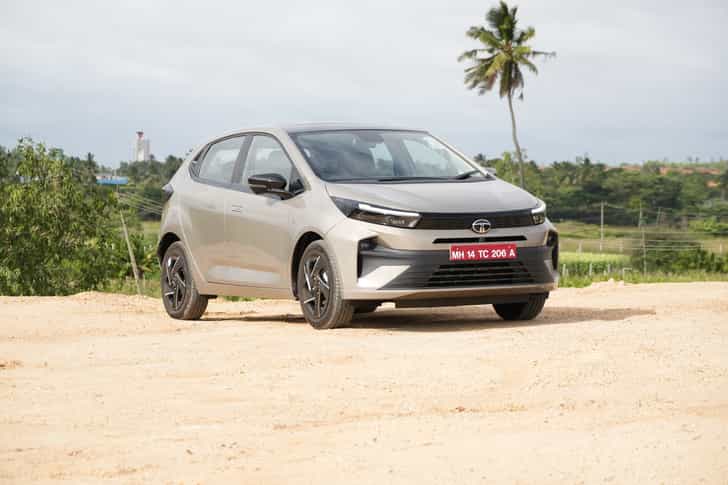
Go for the Tata Altroz petrol manual. Within your budget and daily 70 km, it is the safest and most sensible pick. The Altroz has a 5-star crash test rating and a strong body, so it meets your “safe car” needs better than most in this price range. It feels steady at 70-90kph, the ride is comfortable on bad roads, and the seats support you well, which matters when you are in the car for a long time every day. It is also easy to drive in the city, and Tata’s service network is wide, so upkeep is simple in most towns.
One thing to be aware of is that the petrol engine is fine for daily use, but it does not feel very quick if you push hard.
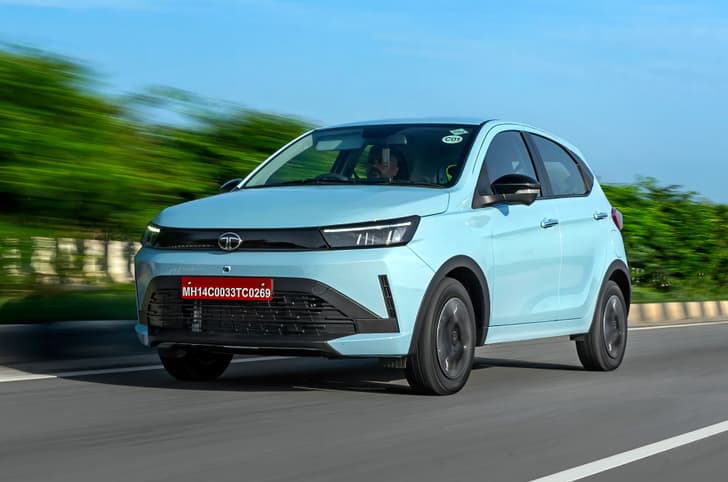
If your city has a good CNG supply and you want lower running costs, look at the Tata Punch iCNG Adventure. It is also a very safe choice, offering a higher seating position that makes traffic and speed breakers easy, but it is not as relaxed as the Altroz on longer highway runs.
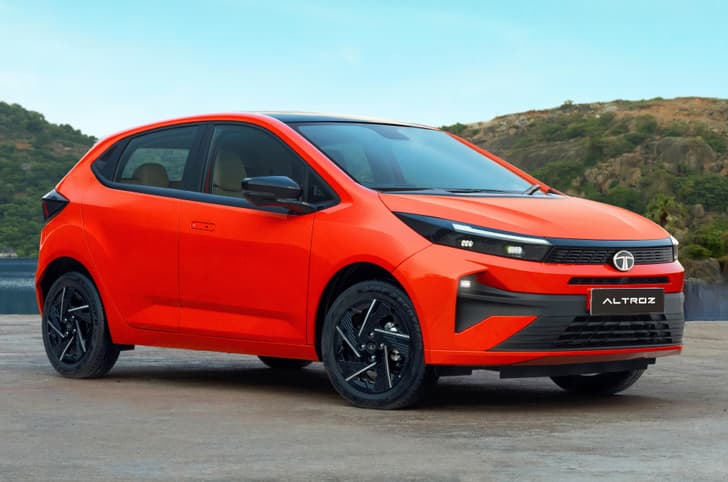
Tata Altroz

Tata Altroz

Explore cars mentioned
More questions on similar cars

BM

BM

1d

Hi. I'm looking for a new car in the range of 20-25 lakh. My usage is primarily city-based, with an average monthly distance of about 500 km, and I plan to retain the car for around 10 years. I'm leaning towards EVs mainly due to their lower running cost, lower maintenance costs, smoother ride quality, lower exposure to fuel price fluctuations, and being the technology for the future. I can have home charging installed, and I rarely go on long road trips. Given my usage conditions, should I go for an EV instead of a regular petrol car? If yes, which car would be best suited for my needs?

Autocar India team

Autocar India

Verified
2h

Given your usage, an EV makes strong sense, and the Hyundai Creta Electric is a great fit. In our real-world test, the long-range 51kWh battery managed a combined 432km, which almost covers your monthly usage, so you would only need to plug in at home every couple of weeks. In city traffic, it is very smooth and quiet, with a strong pull at low speeds, so gaps are easy and you won’t feel gear shifts. Over 10 years, the simpler EV hardware means fewer routine services, and you are less exposed to fuel price swings. Most electric cars also come with a long battery warranty, which helps give peace of mind.A few trade-offs to keep in mind. At 500 km a month, the money you save on running will add up slowly, so buy it mainly for the smooth drive and ease of use. For the rare long trip, you will need to plan charging stops, but the Creta Electric can charge at up to 100kW, which makes quick top-ups easy.If you want a bit more space, the Kia Carens Clavis EV is a solid alternative in your range. Overall, for your city-heavy routine with home charging, the Creta Electric lines up best.

VehicleHyundai Creta Electric
VehicleKia Carens Clavis EV
KU

Kushagra

1d

I am planning to buy the 2026 Kia Carens. My usage includes six days of city driving (about 100 km total), one day of highway driving (around 150 km), and a 500-800 km trip once every three months. However, I am confused because the showroom person himself is suggesting buying the petrol version due to DPF concerns. I currently own a 2017 Maruti Ciaz diesel and have driven 2.5 lakh km in 9 years. Should I go for petrol or diesel?

Autocar India team

Autocar India

Verified
3h

Given six days of city runs, one highway day every week and a long trip every few months, we would pick the Kia Carens diesel for you, ideally with the automatic if the budget allows. Your pattern includes regular, steady highway driving, which is exactly what a diesel’s DPF needs to stay unclogged. You are coming from a Ciaz diesel with high mileage, so the diesel’s strong pull and lower day-to-day fuel use will feel natural and easy for you when the car is full.Here is why diesel suits your use. That weekly 150 km highway stretch gives the exhaust system enough hot, steady running to burn off soot, so the usual city-only DPF worry is much lower in your case. The 1.5 diesel also pulls well at low speeds and on inclines, so with family and luggage, it will feel calmer than the petrol. Your monthly distance is high enough that the fuel savings will add up over time.A couple of trade-offs to keep in mind. The diesel costs more to buy and is a bit louder at idle than the petrol. If your routine changes to only short stop-start hops with no weekly highway, you may need to do an extra 20-30-minute steady-speed drive to keep the DPF happy. If a DPF light shows, keep driving a bit until it clears rather than switching off.If you still want zero DPF worry, the petrol is the safer bet. The standard petrol is smooth and easy in the city; the turbo petrol feels stronger but can use more fuel in heavy traffic and its twin-clutch auto can feel jerky when moving very slowly.

VehicleKia Carens
KU

Kushagra

23h

I am planning to buy the Kia Carens 2026. My usage will be 6 days of city driving (100 km total) weekly, 1 day of highway driving (150 km), and an additional 500–800 km trip once every 3 months. However, I am confused about whether to go ahead with it, as the showroom salesperson is suggesting petrol due to DPF concerns. Currently, I own a 2017 Ciaz diesel, which has successfully completed 2.5 lakh km in 9 years.

Autocar India team

Autocar India

Verified
19h

Your usage is actually very well suited to a diesel engine. You are driving around 250 km a week, including a proper 150 km highway run, along with long 500-800 km trips every few months. This is exactly the kind of usage a BS6 diesel needs. Regular longer drives generate enough heat for the DPF to regenerate naturally, which is the key to avoiding issues.The concern raised by your showroom mentioned is valid, but only in specific cases. DPF problems typically occurs when the car is used only for short city runs or constant crawling traffic without any sustained driving. In such cases, soot builds up because the filter does not get enough heat to clean itself.In fact, even owners point out that diesel cars can throw warnings if they don’t get periodic highway runs for regeneration.Your pattern is the opposite. You are already giving the car exactly what it needs. Daily running plus a weekly highway stretch means the system will take care of itself without you needing to think about it.Now, coming to petrol vs diesel in the Carens. The diesel is clearly the better engine for your usage. This Kia car is more efficient and far more suited to a loaded 7-seater, especially on highways and ghats. Real-world efficiency is also significantly better, which matters over time. The petrol is smoother for pure city use, but it feels underpowered when fully loaded and will be more expensive to run.

VehicleKia Carens

Posted on: 23 Apr 2026