
Autocar India
JR

Jayanth Reddy

8w

Hi, I want to buy my second car with a budget of ₹30 lakh. I am confused between the Harrier Empowered 75 model and the Mahindra XEV 9e Pack Three. I have test-driven both cars. My usage is mainly on the highway, about 3,000 kilometres monthly. I need a reliable car with more real-world range and good service support. Please advise which of the two is the best option for me.

Autocar India team

Autocar India

Verified
8w
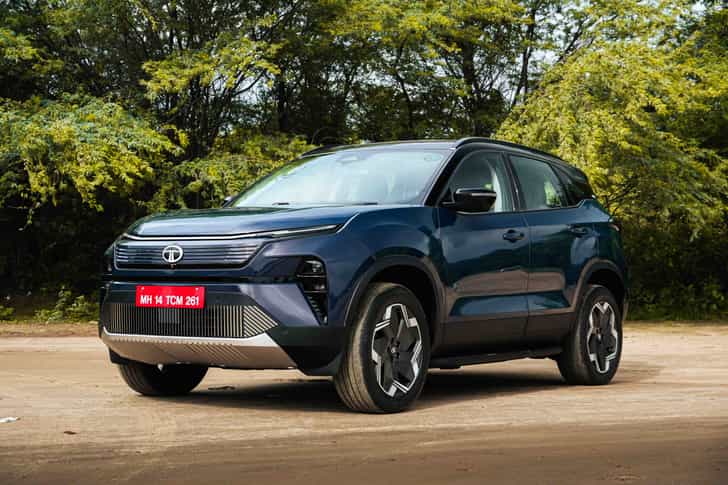
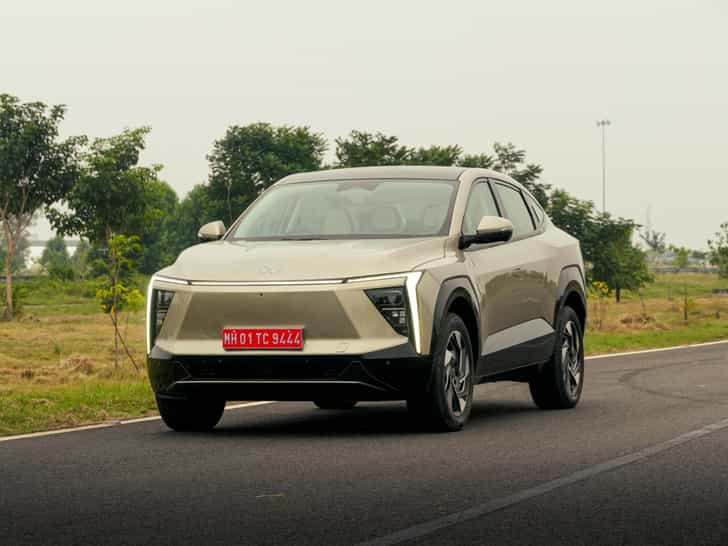
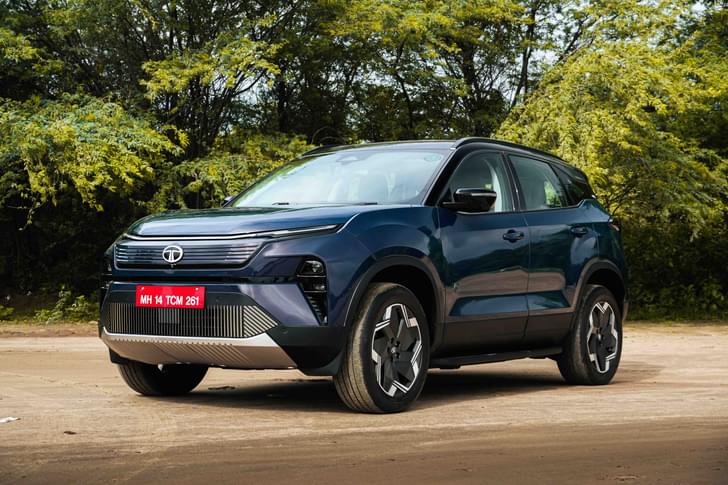
Both the Tata Harrier EV and the Mahindra XEV 9e make for very good highway cars. However, between the two, we would lean towards the Mahindra XEV 9e as the overall better package.
The XEV 9e feels more like a ground-up EV, whereas the Harrier EV is derived from the combustion-engine Harrier. As a result, the Mahindra feels a touch more refined and slightly more stable at highway speeds. Both cars ride well and are smooth to drive, but the XEV 9e feels a bit more rounded and cohesive as a complete product.
What really tilts the decision in Mahindra’s favour is the range. In our highway range tests, the XEV 9e delivered an impressive 488km, about 95km more than we achieved with the Harrier EV. For someone like you, doing around 3,000km a month largely on highways, that extra real-world range makes a meaningful difference and reduces charging frequency.
The Harrier EV does offer a comfortable ride and a smooth driving experience, and Tata’s service network is fairly widespread. But when you combine better real-world range, slightly stronger highway manners and the more purpose-built EV feel, the XEV 9e Pack Three comes across as the stronger choice for your usage.
Tata Harrier EV

Tata Harrier EV

JR

Jayanth Reddy

8w

Thanks a lot

More questions on similar cars

SN

satya narayana

1d

I am confused between the XEV 9S and Harrier EV base models. Which one will be better for both city and highway driving?

Autocar India team

Autocar India

Verified
1d

The base Mahindra XEV 9S gets a 59kWh battery, with a 231hp/380Nm rear motor, and its claimed range is 521km. The entry-level Harrier EV on the other hand gets a 65kWh battery, with a 238hp/315Nm rear motor, and its claimed range is 538km. Even though their specifications are similar, the Mahindra car is Rs 1.5 lakh more affordable. For the money, the XEV 9S also gets you a premium kit like a dedicated passenger (third) touchscreen and panoramic sunroof, among others. Additionally, the XEV 9S has a lighter steering and a tighter turning radius, which makes manoeuvring the car much easier in the city. Additionally, the extra row of seats can come handy occasionally. Overall, the Mahindra XEV 9S comes across as the better pick of the two.

VehicleMahindra XEV 9S
VehicleTata Harrier EV
PU

Praveen Umaji

3d

I have been using a Maruti Ciaz diesel for the past 10 years and have driven 2.3 lakh km. My driving is mostly on highways and usually alone. Now I am planning to switch to an EV and am confused between the Mahindra XEV 9e and BE6. Please suggest.

Autocar India team

Autocar India

Verified
2d

2,30,000km in 10 years is a huge amount, and the Ciaz diesel must have served you well to rack up that kind of mileage. Considering that usage, which amounts to around 1,900km per month, mostly on highways, we have to caution against getting an EV just yet. Public charging infrastructure is still developing, with chargers being few and far between, with varying degrees of functionality. Plus, if your planned charger is occupied, you could be waiting hours for access to a plug. Moreover, while there are electric cars today with large batteries and long ranges, such usage will still require frequent charging, which in the long run will take a toll on the battery's health, performance and overall lifespan. This could be offset by the relatively low maintenance costs of an EV versus an ICE vehicle, but when it is time for battery replacement, the cost will be high.With that in mind, of your two shortlisted EVs, we would recommend the Mahindra XEV 9e. While it shares its platform and powertrain with the smaller BE6, it is more spacious, more comfortable for long journeys, and feels like a more mature product overall. With the larger 79kWh battery, it offers an MIDC range of around 656km and a real-world highway range of about 488km, which amounts to an efficiency of 6.18km/kWh, which is quite impressive for an SUV.

VehicleMahindra XEV 9e
MA

Mahesh

1d

Could you please help me choose the most suitable car within a ₹14 lakh on-road budget? I am currently confused between the Skoda Kushaq facelift, Tata Nexon Creative Plus, and Mahindra XUV 3XO AX5, considering my usage of around 1,000 km per month and the need for a safe, comfortable, and reliable family car for use with two young children?

Autocar India team

Autocar India

Verified
12h

With around 1,000 km a month, two young kids and a cap of ₹14 lakh on-road, the Mahindra XUV 3XO AX5 is the one that fits your brief best. It rides comfortably over broken city roads and speed breakers, and the rear seat is more than spacious enough for your kids. Safety is a strong point too, with a solid feel, good driver aids for this price, and mounts to fix child seats in the back. It also fits your budget in a well-equipped trim, so you are not forced into a bare-bones version. A trade-off to note: The boot is not the biggest in this price range, so if you often carry a full-size stroller plus luggage, do a quick fit check. If you prefer a more contemporary looking cabin, the Tata Nexon Creative Plus is your alternative from your list. It offers a slightly roomier boot and a very nice interior, and is easy to drive in the city, but the petrol engine feels a bit less smooth at low speeds and Tata service quality can vary by city. The Skoda Kushaq facelift would be a good pick, but only if you can stretch your budget, as within ₹14 lakh you’ll only get the base manual model, and Skoda’s service reach is smaller. Overall, for your family use and budget, the XUV 3XO AX5 lines up best.

VehicleMahindra XUV 3XO
VehicleTata Nexon
VehicleSkoda Kushaq

Posted on: 25 Feb 2026