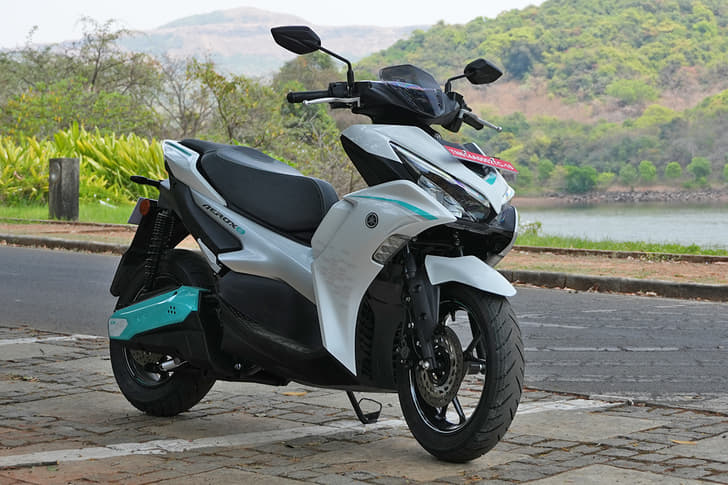
Latest questions answered by experts
Hi, I own a 2017 Baleno RS and am currently looking to replace it with another car that offers one of the best turbo/Boosterjet engines available in the market. The reason I am considering replacing my Baleno RS: Since E20 fuel has become the norm, the 2017 Baleno RS is not officially compatible with it. I have already noticed a significant mileage drop. More importantly, I am concerned that continued use of E20 fuel over the coming years, it might hamper the parts of my car. It has been almost 10 years since I bought this car. I feel it is the right time to upgrade to a newer vehicle that offers better technology, improved refinement, and modern safety features. Now that I have explained the reasons behind the upgrade, I have my eyes on the newly launched Brezza 2026 facelift, especially the ZXi+ variant with the 1.0-litre Boosterjet engine. It seems to offer the turbocharged performance I enjoy, while still delivering the fuel efficiency Maruti Suzuki is known for. Since I am upgrading from one Maruti Suzuki to another, I also expect to receive a better exchange value and a more attractive overall deal. What are your thoughts?
The new Maruti Suzuki Brezza 1.0 Boosterjet appears to be a logical upgrade from the Baleno RS. It retains the familiar Boosterjet character while offering a more modern, E20-compliant package with improved safety, better features and the added practicality of an SUV. If paired with a six-speed manual gearbox, the Brezza ZXi+ variant could also prove to be a more relaxed highway cruiser than the Baleno RS. The Brezza 1.0 Boosterjet is a good choice if you value the service network of Maruti Suzuki cars, reliability, and ownership experience.You could surely consider exchanging the Baleno RS for the Brezza at the Maruti dealership if you're getting a great deal. However, we recommend first getting the car evaluated by a few reputed used car dealers or independent buyers to understand its true market value. Comparing multiple offers will help ensure the best possible resale price before finalising the exchange with the dealership.

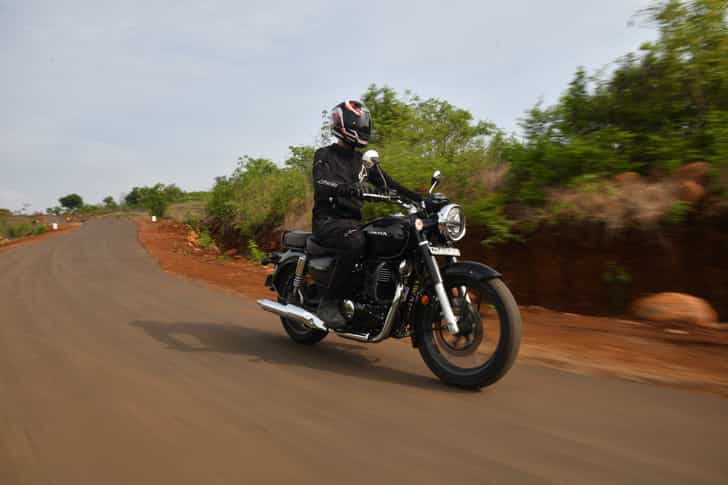
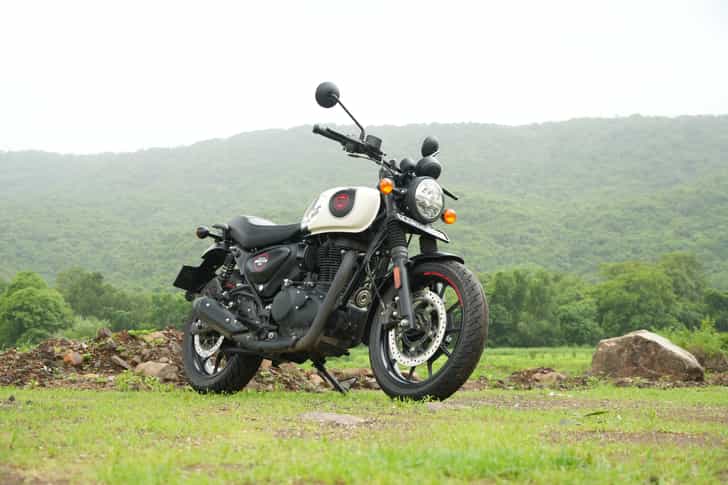
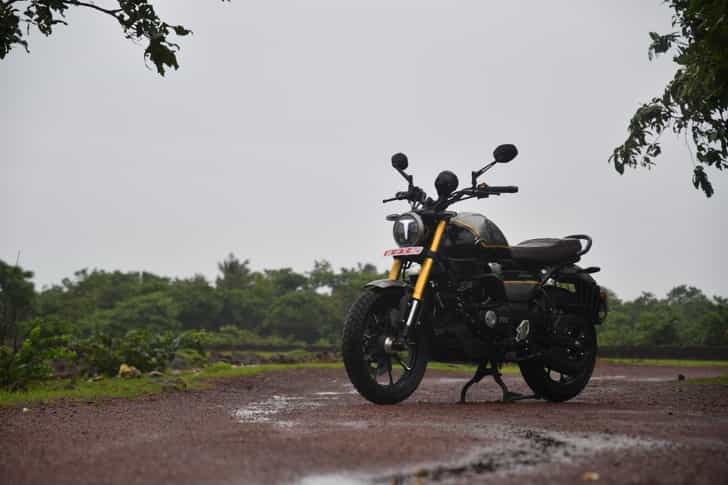
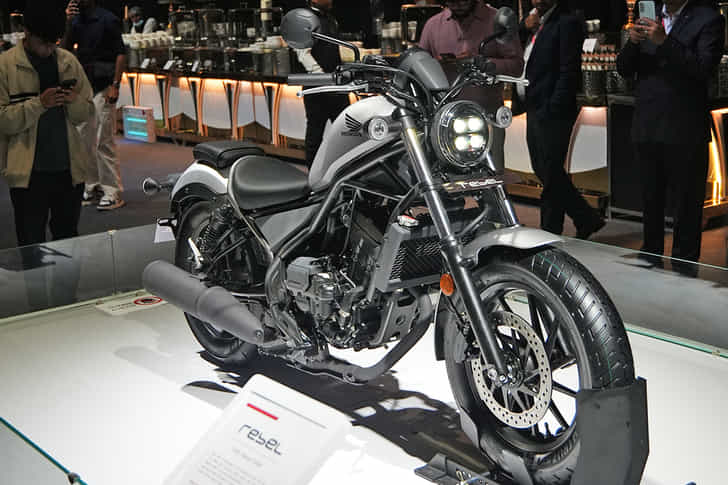
I used to own a Karizma R, and I currently ride a Honda Shine. I'm confused between the TVS Ronin and the Honda Rebel 300. My priorities are a lightweight motorcycle that's easy to commute on daily, while also being capable of occasional highway rides. If there's another motorcycle that suits my requirements better, kindly suggest. My budget is within Rs 2.5 lakh. Also, if I buy a petrol motorcycle instead of an EV, could that become a problem in the future?
Since you're considering the TVS Ronin and the upcoming Honda Rebel 300, we advise you to consider the Honda CB350 range and the Royal Enfield Hunter 350. The Ronin and the air-cooled 350cc motorcycles offer a similar character, with laidback performance and relaxed handling. The Rebel 300, on the other hand, is expected to feel more refined and deliver stronger performance.It would be sensible to wait a few months for the Honda Rebel 300 to launch officially. Take a test ride and compare it with the other options before you go ahead with your purchase.
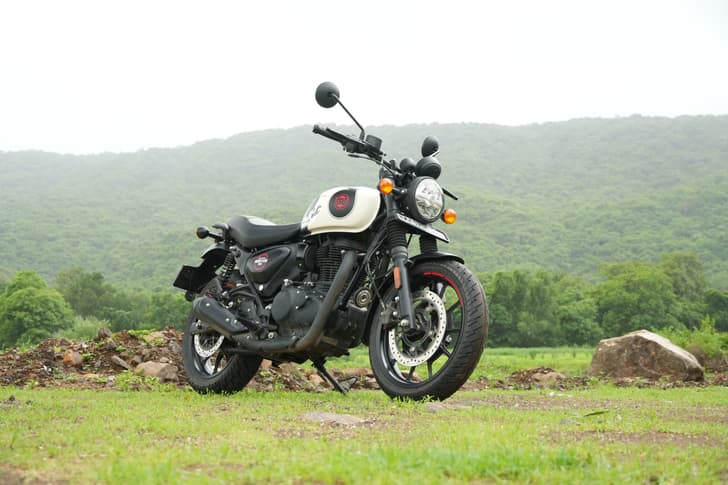
I am looking to buy an electric scooter. My daily commute is around 100-120 km. I am confused between the Ather Rizta and the TVS iQube ST. I need a comfortable and reliable scooter with good resale value.
Both the Ather Rizta and the TVS iQube ST are comfortable and reliable scooters, so either one would be a sensible choice. Considering your daily commute of 100-120 km, it is worth opting for the larger battery variants of both models.The Ather Rizta has more features and a larger, better-shaped boot that makes it easier to carry everyday items along with the portable charger. The TVS iQube ST, on the other hand, feels more conventional and is one of the easiest electric scooters to get used to, especially for riders switching from a petrol scooter.A test ride of both scooters should make the decision much easier. It is also worth considering the Bajaj Chetak, as it is another strong option in this segment.
Hi, I have a 2019 BS4 diesel MG Hector. Is it allowed to be driven in Delhi, or has it been banned?
Your 2019 BS4 diesel MG Hector is still allowed to be driven in Delhi, but there are a few important restrictions to keep in mind.Delhi enforces a 10-year age limit for diesel vehicles. This means your Hector can legally be used until 2029. After that, it will no longer be permitted to operate in the city, regardless of its condition or emissions compliance.There is no blanket ban on BS4 diesel vehicles specifically. The restriction is based on the vehicle's age, not whether it meets BS4 or BS6 norms.If you plan to keep this MG car for several more years, it's worth noting that its remaining legal life in Delhi is limited. As it gets closer to the 10-year mark, its resale value may also be affected. If you intend to sell the car or move it to another state before 2029, you can continue using it in Delhi without any issues for now.

I am using a Volkswagen Virtus GT 1.5 TSI Turbo, purchased in August 2024. It has completed around 16,000 km and my current monthly usage is approximately 1,000 km. Should I continue with the same car, or would it make sense to switch to an EV within the amount I could get by selling the Virtus? The estimated resale value is around Rs 14 lakh, based on online valuation. Kindly suggest.
With a monthly running of around 1,000 km, the financial case for switching to an EV isn't particularly strong. The Volkswagen Virtus GT 1.5 TSI is an engaging car to drive, and with just 16,000 km covered so far, it is still relatively new. Selling it now would mean absorbing a significant depreciation loss, and the approximately Rs 14 lakh you receive is unlikely to buy an EV that offers a noticeable upgrade in terms of performance, space, or overall ownership experience.Electric cars make the most sense for buyers with very high monthly running or a usage pattern where lower running costs can quickly offset the purchase price. At your current usage, the savings are unlikely to be substantial enough to justify replacing a car that is already serving its purpose well. The Virtus GT is also a car that rewards long-term ownership.Our advice is to keep this Volkswagen car and continue enjoying it for the next few years. At this stage, neither the financials nor the practical benefits strongly support making the switch to an EV.
I am using a BMW 330Li and like the car very much. However, the only problem I have is that the driver's seat is not comfortable on long drives, and my lower back starts to feel uncomfortable. I have driven just 11,000 km since purchasing it in November 2025. Please suggest a good alternative within my budget of Rs. 60 lakh.
If you like the 330Li but struggling with long-distance comfort, the issue is likely more about seat ergonomics than the car itself. The 330Li is a fantastic driver’s car, but its seats are on the firmer side and the lumbar support adjustment isn’t as generous as some rivals, which can lead to lower back discomfort over longer drives.For your budget of Rs. 60 lakh, the best alternative is the Audi A6. It’s a class above the 3 Series, and while the on-road price typically starts from around Rs. 75 lakh depending on the city, there are significant discounts available. With some negotiation, you should be able to bring it close to your Rs. 60 lakh budget.The A6 offers a much more comfort-focused experience. The ride is plush, the seats are more accommodating, and the higher profile tyres add an extra layer of cushioning on bad roads. It’s not as engaging to drive as the BMW car, but it does address exactly the kind of comfort issue you’re facing.Before making the switch though, it’s still worth trying to fine-tune the seat settings in your 330Li or even using a good lumbar support cushion, as that alone can sometimes solve the problem.
I mostly drive in the city to commute to my workplace. My daily commute is around 20 km, and my annual running is about 10,000 km. I currently own a Hyundai Creta Manual. Can you suggest an upgrade, preferably an automatic, with decent city mileage?
With a 20km daily city commute and around 10,000km a year, your usage is predominantly urban and not high enough to justify a diesel. The priority should be a smooth automatic, good fuel efficiency and ease of driving in traffic. Since you are upgrading from a Creta manual, the natural step up would be a midsize SUV with a reliable automatic gearbox.The Kia Seltos IVT petrol is the most sensible recommendation here. The IVT gearbox is smooth, reliable and well-suited to city driving, and the Seltos is a well-rounded package with good comfort, features and a premium feel. It is essentially the same mechanical package as the Creta but feels like a more substantial upgrade in terms of cabin quality and overall experience.If you are open to a slightly different approach, the Maruti Suzuki Victoris Hybrid is also worth considering. The hybrid system delivers excellent city fuel efficiency and a very smooth driving experience, which is ideal for stop-start traffic. It is not as powerful as the Seltos, but it makes up for it with lower running costs and a more relaxed driving character.Between the two, the Seltos IVT is the safer and more premium-feeling upgrade, while the Victoris Hybrid is the more economical and city-friendly option. Both are strong choices, but given your upgrade from a Creta, the Seltos IVT feels like the more natural progression.
I have to purchase a car for my 66-year-old father. He is currently driving a 7-year-old S-Cross VXi+, which has completed approximately 1.9 lakh km. Before that, he drove a Tata Manza for 3 lakh km and a Chevrolet Beat for 40,000 km. His usage is mostly on highways and the hilly roads of Nainital, with an average daily drive of around 40 km and yearly running of approximately 22,000+ km. His height is 170 cm. He drives calmly and conservatively at around 60–70 km/h and prioritises maximum fuel efficiency. I have shortlisted the Brezza LXi (due to its turbo-like low-end feel and seat height), Punch Adventure, and Exter HX6. Features are not a priority. My basic requirements are power windows, central locking, seat height adjustment, good ground clearance for rough terrain in Nainital, and good mileage. A reliable, affordable car with low maintenance costs and easily available service support is important, as the car will also be driven by a driver around 50% of the time. Please suggest the best option accordingly. Thank you. A big fan since 2003.
Given your father's usage pattern, the Maruti Suzuki Brezza LXi turbo is the most sensible choice. With 22,000+ km a year, a mix of highway and hilly terrain around Nainital, and a conservative driving style, you need a car that is reliable, efficient, and easy to live with. The Brezza's new turbo petrol engine is well suited to this kind of usage, offering good low-end torque for hill climbs and overtakes. The seat height and ground clearance of this Maruti Suzuki car are both strong points, making it easy to get in and out of and well suited to rough terrain, and the LXi does get driver's seat height adjust. Maruti's service network is another big advantage, especially given the car will be driven by a driver 50% of the time. The Tata Punch Adventure and Hyundai Exter HX6 are both good cars, but the Brezza is from a segment above and more spacious. Overall, the Brezza is the best fit for your father's needs.
I want to buy my first car for casual and office use within a budget of Rs. 11 lakh. My monthly commute will be around 300-400 km. Mileage and low maintenance costs are my top priorities. I also want good reliability and resale value, as I plan to keep the car for at least 10 years. I prefer a naturally aspirated (NA) engine over a turbo engine, and I am open to MT/AMT options based on service costs and mileage. I am very confused between the Dzire, Swift, Amaze, Fronx, and the new Brezza. I need guidance on which one would be the best choice.
Go for the Maruti Suzuki Dzire petrol manual. It is the most sensible choice for your requirements. Your monthly running is low, so a naturally aspirated petrol engine is the right choice, and the Dzire’s 1.2-litre engine is proven to be reliable, efficient and easy to maintain. The manual gearbox is simple, robust and will keep running costs low over a long ownership period. This Maruti Suzuki car is also one of the most reliable cars in the segment, with excellent service reach and strong resale value, which is important given your 10-year ownership plan. It is comfortable for daily office commutes, easy to drive in the city, and has enough space for occasional family use. The Maruti Suzuki Swift is a good alternative if you prefer a hatchback, but the Dzire offers a more practical boot and a slightly more comfortable rear seat. The Honda Amaze is also a strong contender with a reliable naturally aspirated engine, but Maruti’s wider service network and lower maintenance costs give the Dzire the edge. The Maruti Suzuki Fronx and Maruti Suzuki Brezza are good cars, but as turbo petrols they are not the best fit for your priorities of low maintenance and long-term ownership. The Dzire is the car that will give you the least hassle and the most peace of mind over 10 years.
I have a new 2024 Swift model, and it is now 2 years old. After switching to E20 fuel, I feel that the mileage and power have reduced. My monthly fuel expense is around Rs. 7,000- Rs. 8,000, and my monthly running is approximately 1,200 km. Should I exchange it for a Tata Punch EV?
The Tata Punch EV is worth considering, but only if you have access to reliable home charging. At 1,200km a month, you're driving enough to benefit from the significantly lower running costs of an electric car, especially if you're currently spending Rs 7,000-8,000 on fuel. The Punch EV is a genuine upgrade over the Maruti Suzuki Swift in terms of ground clearance and overall practicality, while also being much cheaper to run. However, before making the switch, it's worth checking whether the drop in mileage and performance is actually due to E20 fuel or if the car needs a service, tyre pressure check or air filter replacement, as a two year old Swift shouldn't see a dramatic drop in efficiency. An aftermarket CNG kit isn't something we'd recommend as it can affect the warranty, reliability and resale value of such a new car. The only drawback with this Tata car is that it makes sense only if home or workplace charging is available. Overall, if charging isn't an issue and you're planning to keep the car for a few years, the Punch EV is the better long-term choice.
Need expert advice?
Ask the Autocar community and experts.