Autocar India
20w

Hi Autocar Team, I am planning to upgrade from my Hyundai Venue to a 6-seater SUV with captain seats for long-term ownership. My top priorities are low maintenance, reliability and a good ownership experience. My budget allows me to consider options like the MG Gloster, MG Majestor or the Volkswagen Tayron, although I do not want the Toyota Fortuner as it is very common on the road. I have also driven the Tata Safari and Mahindra XUV700, which would cost significantly less. Since I plan to keep the car for 8-10 years, which option would offer the best reliability, lowest maintenance and overall peace of mind among these SUVs? Additionally, with a monthly running of about 1,200-1,500 km, mostly in the city, should I choose a petrol or diesel SUV for better long-term ownership costs?

Verified
19w

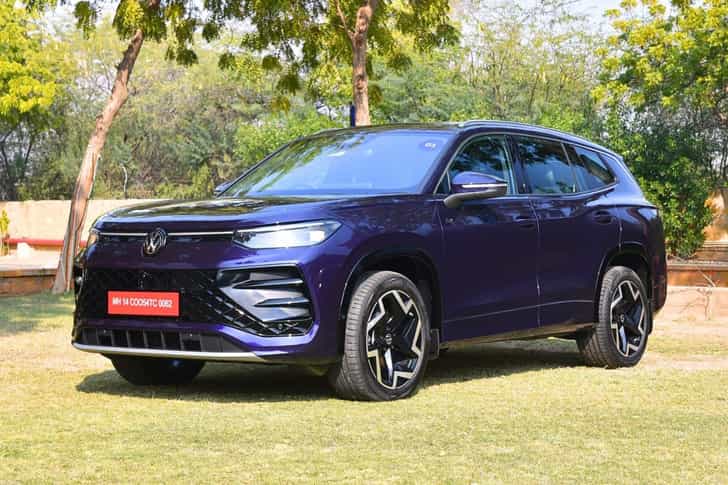
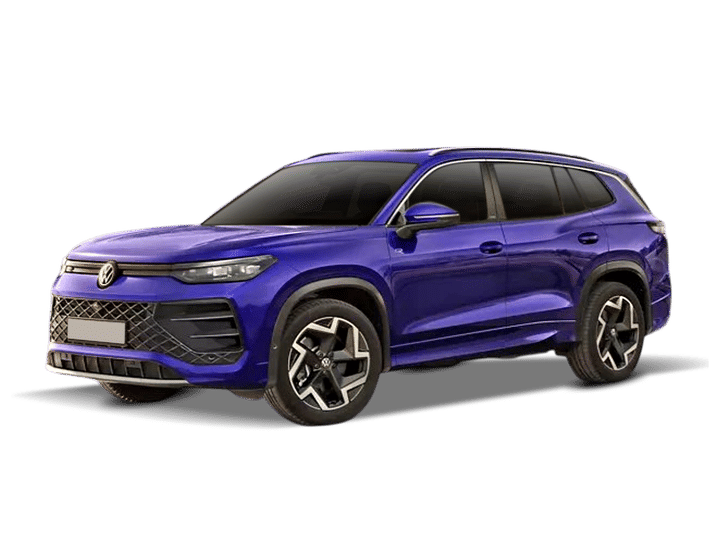
For your limited running, a petrol-engined vehicle makes the most sense in terms of long-term reliability and running costs. Among your premium picks, the Volkswagen Tayron stands out as a solid choice thanks to its German build quality and premium interior. Its 2.0-litre engine delivers strong performance, and it is well equipped. 

It doesn’t offer captain’s chairs, which you mentioned you would like. But the second row is spacious and comfortable, and it can slide forward to free up some additional room for third-row occupants. 

That said, the third row is best suited to shorter journeys. While service costs will be on the higher side, the Tayron should be fairly reliable on paper, and the overall ownership experience is likely to be very satisfying.

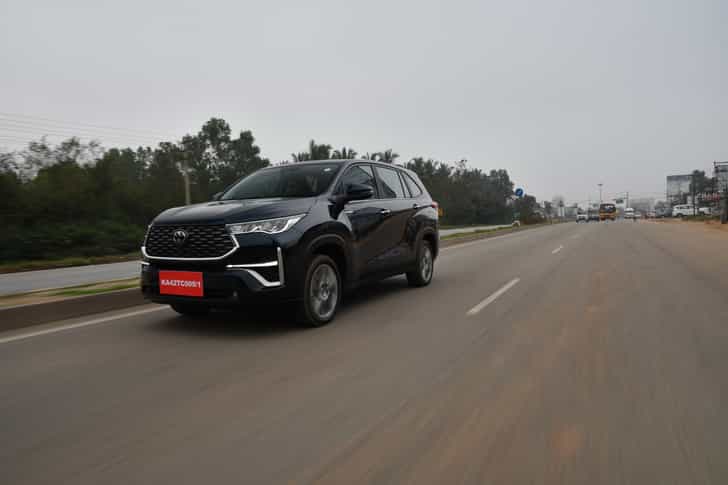
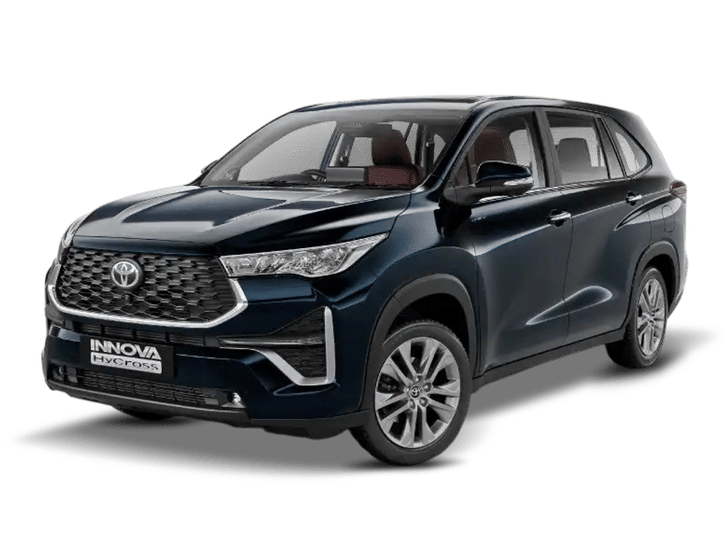
As you mentioned, you are open to considering the Tata Safari and Mahindra XUV 7XO. We would also suggest looking at the Toyota Innova Hycross. Since you are prioritising low ownership costs and peace of mind over the next 8 to 10 years, the Hycross is a better choice than the Safari and XUV 7XO. 

Additionally, it can be optioned with captain’s chairs in the middle row and has a genuinely usable third row. It does share the same drawback that put you off the Fortuner. It is quite common, but the reason for its popularity is simply that it is such a well-rounded product.

Do take a test drive of all these options, and spend some time in the middle and third rows as well, before making your final decision.
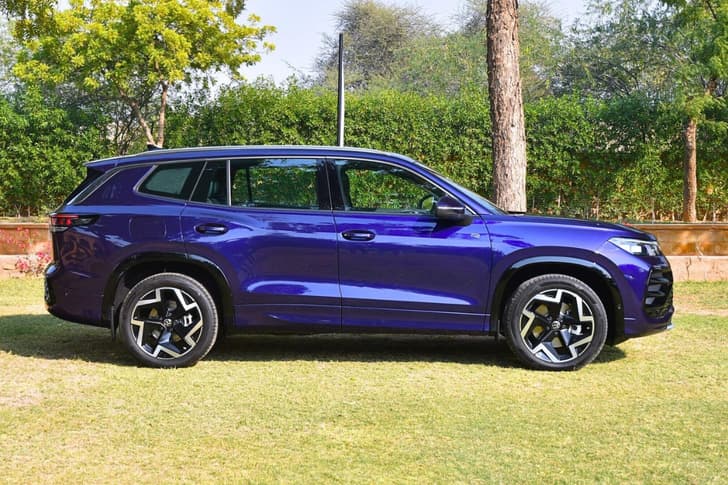
Volkswagen Tayron

Volkswagen Tayron

Was this helpful? Ask a follow-up

More questions on similar cars

1d

Hi team, I am planning to buy a 7-seater Toyota for family use and am confused between Innova Crysta VX Diesel and Innova Hycross VX Hybrid. I already own a Maruti Baleno for daily city commuting, so this vehicle will mainly be used for long highway trips, family vacations, and occasional visits to my village, where some roads are in poor condition. I have taken the test drive of both vehicles. The Hycross felt smoother, more spacious, and very comfortable. However, I noticed that its engine becomes a bit noisy under hard acceleration, so I am not sure how it performs during long highway drives, overtaking, and while carrying a full load of passengers and luggage. My priorities are long-term ownership (10-15 years), reliability and low maintenance, comfort for 7 family members, good highway performance, ability to handle occasional rough village roads and good resale value. Considering my usage, which would you recommend between Crysta VX or Hycross VX? I would especially appreciate feedback from owners who have driven or owned both.

Verified
1d

Go for the Toyota Innova Hycross VX Hybrid. Since you already have a Maruti Baleno for daily city use, this second car is clearly a long-distance family machine, and the Hycross is simply the better fit for that role. It is more spacious than the Crysta, has a more comfortable ride, and the hybrid powertrain is genuinely impressive on highways. Yes, the engine gets a bit vocal under hard acceleration, but in real-world highway driving, it is smooth, refined and has enough power for overtaking even with a full load. The hybrid system also keeps fuel costs in check, which matters over long ownership.The Crysta VX diesel is still a very good car, especially for rough roads and heavy-duty use, but the Hycross is the more modern and comfortable family vehicle. It will also have better resale value in the long run as diesel demand continues to decline. The only reason to pick the Crysta would be if your village roads are genuinely bad enough to require a tougher, body-on-frame vehicle. Otherwise, the Hycross VX Hybrid is the better all-rounder for your needs.

VehicleToyota Innova Crysta
VehicleToyota Innova HyCross
VehicleMaruti Suzuki Baleno
3d

Hi Experts, thank you for your previous advice! Based on your recommendation, I booked the Toyota Innova Hycross GX(O) Petrol 6-seater in Avant-Garde Bronze in Hyderabad, with delivery promised for August-end. However, I am facing massive FOMO due to the heavily camouflaged 2027 facelift spotted testing, and ongoing fuel confusion. Since I plan to keep this car for 15-20 years, I urgently need your final guidance on whether to cancel or take delivery: The Facelift (Expected Jan 2027): Is it worth cancelling and waiting 12-18 months for? Will I miss out on major cosmetic/interior design changes? Will Toyota bring safety tech like ADAS down to this Petrol GX(O) trim, or will it remain exclusive to the Rs. 35 lakh+ Hybrids? If the updates are genuinely worth it, I am willing to wait. My concern is fuel, warranty and resale over 20 years. The current car is E20-ready. Given my 15-20 year ownership plan, if E20 fuel is discontinued in the future like E5/E10, will filling up E25/E30 void my Toyota engine warranty? Will an E20-rated car suffer a massive hit in resale value when E30 becomes the national standard? Does an E30-compliant engine offer any real longevity or mechanical benefit for my low running of 4,000 km/year over two decades? Should I cancel now, or happily proceed with my August delivery? Best regards, Aarav Mehta.

Verified
2d

Take delivery of the Hycross GX(O) petrol in August and do not wait for the facelift. The 2027 update will bring cosmetic changes and likely some interior tweaks, but it is unlikely to fundamentally change the ownership experience of the GX(O) petrol. Toyota typically reserves ADAS and more advanced safety tech for higher trims, and there is no strong indication that the GX(O) petrol will suddenly gain those features with the facelift. More importantly, the Hycross is already a fundamentally strong product with a proven powertrain, excellent reliability and a reputation for long-term durability, which is exactly what matters for a 15-20 year ownership plan.On the fuel front, your concerns are understandable but largely overblown. This petrol car is E20-compliant, and there is no official roadmap beyond E20 at this stage. Even if higher ethanol blends are introduced in the future, manufacturers typically engineer a margin of tolerance into their engines, and the impact is usually limited to a slight drop in fuel economy rather than any catastrophic mechanical issue. At 4,000 km a year, the difference is negligible over two decades. Resale value is driven far more by the Hycross’s reputation for reliability than by marginal changes in ethanol compliance.The only reason to wait would be if you are genuinely unhappy with the current GX(O) specification and are hoping for a major feature upgrade. Otherwise, you are better off taking delivery now and enjoying a car that is already one of the most dependable long-term ownership propositions on the market.

VehicleToyota Innova HyCross

Popular discussions right now

Posted on: 6 Mar 2026