Autocar India
PR

Pradeep

6w

What features will be upgraded in the Volkswagen Taigun? Will it have a 360-degree camera?

Autocar India team

Autocar India

Verified
6w
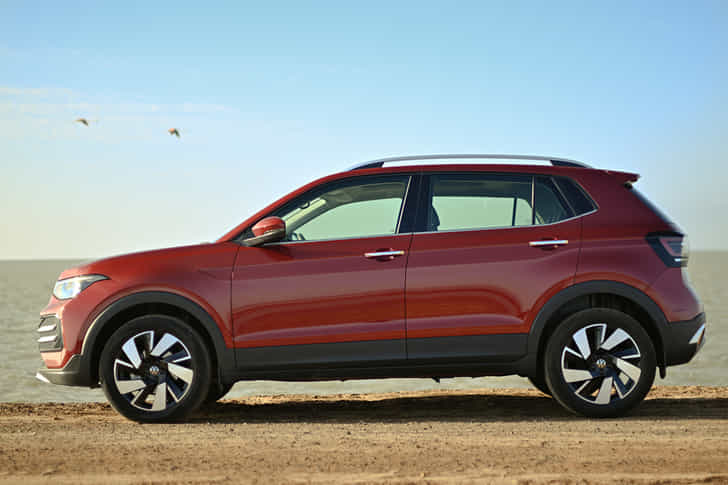
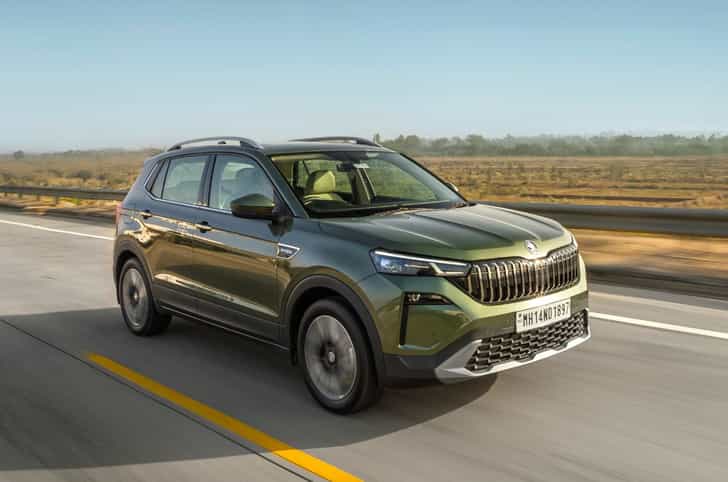
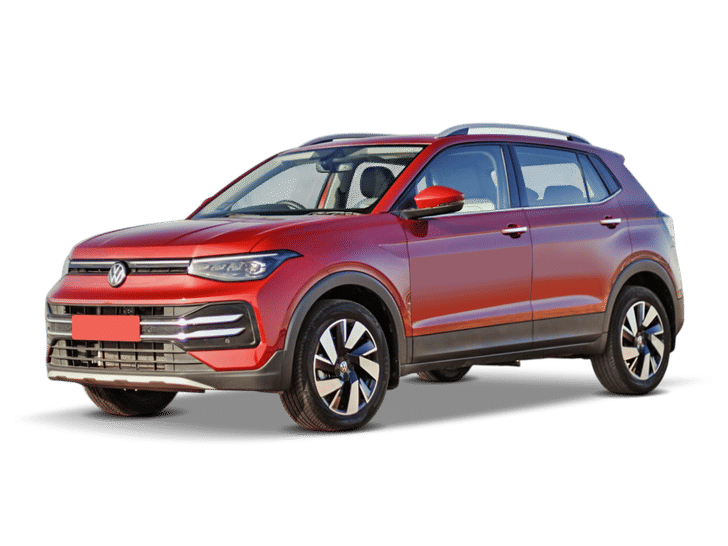
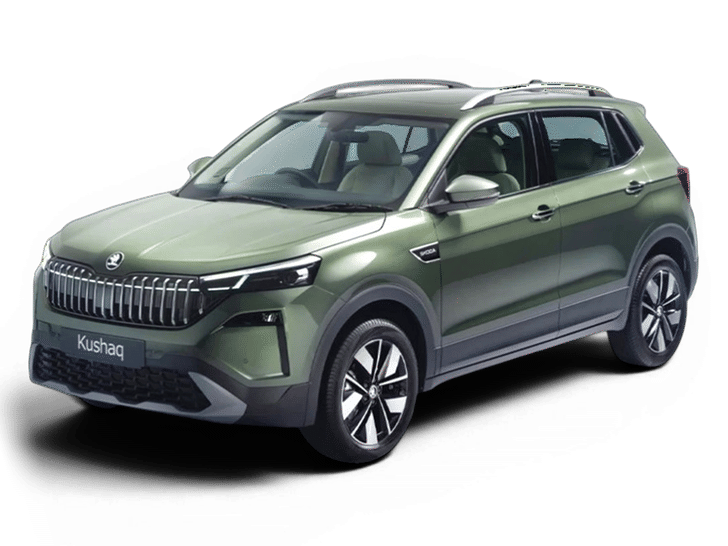
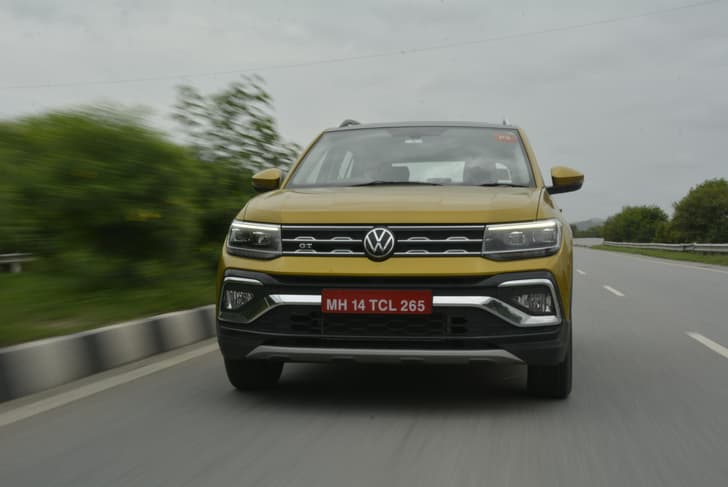
A 360-degree camera on the facelifted Volkswagen Taigun is highly unlikely. The recently revealed facelift of its sister model, the Skoda Kushaq, does not get a 360-degree camera either. Since both cars share the same platform and usually have almost identical feature sets, it is unlikely that Volkswagen will introduce that feature only on the Taigun.
What the Taigun facelift is more likely to get are the same updates seen on the Kushaq. These could include features such as rear seat massage, a panoramic sunroof, Google Gemini integration in the infotainment system and a larger 10.1-inch digital instrument cluster.
Apart from these feature additions, the core mechanical package with the 1.0-litre and 1.5-litre turbo petrol engines is expected to remain unchanged.
Volkswagen Taigun

Volkswagen Taigun

AR

Atanu R

6w

Duster seems to have addressed the shortcoming of Skoda Kushaq. 18" Alloy - Ventilated Seats - 360* cam & come Diwali will have the strong Hybrid.

More questions on similar cars

DR

Drnatarajan

3d

I currently own a Volkswagen Taigun 1.5 TSI GT DSG and have been facing issues with jerky low-speed performance in city driving, along with persistent rattles despite multiple service visits. I am considering upgrading to either the Kia Seltos (turbo petrol DCT) or the upcoming Renault Duster (turbo DCT). My usage is around 60% city and 40% highway. My main concern is whether these alternatives will offer a smoother and more refined driving experience in city traffic compared to my current car, or if they will exhibit similar behaviour due to the nature of dual-clutch transmissions.

Autocar India team

Autocar India

Verified
2d

With 60% city use and you already unhappy with the Volkswagen Taigun’s DSG jerks and cabin rattles, the Kia Seltos 1.5 petrol IVT automatic is the safer bet for you rather than the turbo DCTs. The IVT is a belt-type automatic (essentially a CVT) that has no clutch to slip, so it moves off smoothly in slow traffic and is jerk-free at parking speeds. It is also easier to live with in our stop-go traffic, and power is adequate for your weekend highway runs, but it won't have the punch and pace of the VW Taigun 1.5.If you switch to a Seltos turbo DCT, its relaiively jerky too. Dual‑clutch gearboxes like the VW DSG and Kia’s DCT can still give a small lurch when you crawl in bumper-to-bumper traffic. On rattles, Seltos cabins we’ve used have held up quite well, but no car is fully immune to rough roadsTwo trade-offs with the Seltos IVT: it won’t feel as quick as your 1.5 TSI when you floor it, and on bigger wheels, the ride can feel a bit firm on sharp bumps.About the new Duster: it has a wet-clutch DCT, which is a bit slower to shift than the VW DSG, and it's not as smooth as the Kia IVT. t.Overall, for your mix and your pain points, the Seltos 1.5 IVT lines up best. If you really want a turbo punch, the Seltos turbo DCT is fine, but expect similar low-speed manners to your Taigun.

VehicleVolkswagen Taigun
VehicleKia Seltos
PM

PRAFUL MANDAOKAR

1w

Shall I go for the Skoda Kushaq or the Kylaq under a ₹15 lakh budget, to be driven mostly in the city and outside on weekends?

Autocar India team

Autocar India

Verified
5h

If you mostly drive yourself and do not regularly carry a large family, the Skoda Kylaq is the better fit for your budget and usage. It is more compact than the Kushaq, making it easier to manoeuvre in traffic and park in the city. At the same time, it still feels like a proper Skoda on the highway, with its strong 1.0 TSI engine, solid build, and well-sorted dynamics.Under ₹15 lakh on-road, you are likely to get a better‑equipped Kylaq variant than an equivalent Kushaq, because the Kylaq sits in a segment below and is priced lower. That means more features and a nicer trim level for the same money, which matters if this will be your primary car.The Kushaq only really makes sense if you genuinely need the extra cabin width and rear legroom on a daily basis, or want the added highway comfort of the larger SUV. It is longer and has a bit more space overall, so it is better suited if you often travel with rear passengers and a lot of luggage.Given your mostly city‑plus‑weekend usage and 15 lakh cap, we would lean towards the Kylaq. It offers the driving feel of Skoda car in a tidier, more affordable package without compromising on highway ability.

VehicleSkoda Kushaq
VehicleSkoda Kylaq
JA

J A Christopher

3d

Are EVs prone to motion sickness? My daughter feels nauseated even in ICE cars during continuous 40-50 km travel. Will an EV worsen this? Kindly advise.

Autocar India team

Autocar India

Verified
1d

Motion sickness in cars is usually caused by inconsistent movement, not the fuel type. It happens when the body senses motion, but the eyes do not match it, which is common in stop-and-go driving, frequent braking, body roll or jerky acceleration over longer drives.In petrol cars, this often comes from gear shifts, uneven power delivery and sudden braking, while in electric cars it can come from instant acceleration or strong regenerative braking if driven abruptly. So the root issue is how smooth or jerky the car feels, not whether it is petrol or electric.This is where newer EVs can actually help. Cars like the Hyundai Creta Electric and Kia Carens Clavis EV are among the smoothest to drive, with very linear acceleration, no gear shift shocks and a comfortable ride. Driven gently, they feel far more consistent in their movement compared to their petrol or diesel versions, which can reduce the chances of nausea.Compared to your Fiat Punto Evo, both will feel like a clear upgrade in refinement, ride comfort and overall smoothness.

VehicleHyundai Creta Electric
VehicleKia Carens Clavis EV

Posted on: 9 Mar 2026