I need an automatic SUV that can handle light snow and slushy conditions. I am confused between the Mahindra Scorpio N Z8L 4WD and Mahindra XUV 7XO AX7 T AWD. The vehicle will be used 90% on highways, with the remaining 10% involving trips to hilly areas in Uttarakhand, Himachal Pradesh and similar regions. It will not be used in extreme off-road conditions.

 Mahindra XUV 7XOMahindra Scorpio N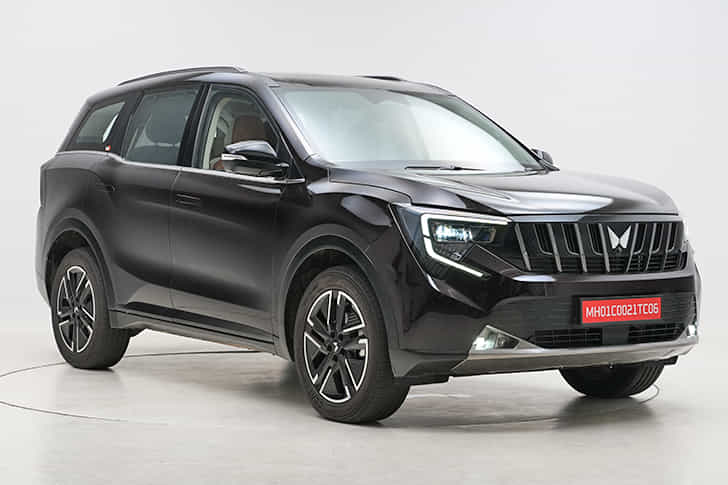
I’m a doctor, and my daily driving is currently around 65km, with an almost 50:50 mix of city and highway use. This could increase to 80–100km a day in the future. I have booked a Maruti Victoris ZXi Strong Hybrid for Rs 20.5 lakh on-road after offers, but I am still confused about whether to consider the Tata Punch EV, Maruti e Vitara or any other option. Long-term reliability and keeping running costs manageable are important, as the car will be owned for at least 10 years. I am also concerned about ethanol blending in petrol. My first choice was the Kia Seltos diesel automatic HTK. Considering the expected usage and long-term ownership, which option would make the most financial sense?
Maruti Suzuki VictorisMaruti Suzuki e VitaraTata Punch EVHi, I want to upgrade from my 9 year old Honda WR-V to an electric SUV. My driving is mostly in the city, with only occasional highway trips, and the total monthly running does not exceed 1,000km. I like the Mahindra BE 6 Sporteq, but it seems impractical from a utility perspective once the excitement of owning a new car wears off. I am therefore looking for an EV SUV in the Rs 20-22 lakh range with good second-row space, strong design appeal and plenty of features. I would prefer something new on the block, as models like the Creta have become extremely common and feel less fresh. I also like the Harrier EV, but the features I want are available only in variants priced above Rs 25 lakh. Please suggest something new and worthwhile. I can stretch the budget to Rs 24 lakh if most of these requirements are met.
Tata Sierra EVTata Harrier EVI’m a first-time car buyer with very limited driving experience. I’ve only driven an SUV like the Mahindra KUV100 a few times in the past and have never driven a sedan before. I don’t really need a car for my daily commute, but I’d like to have one for long drives, convenience and occasional trips. I’m strongly considering the new Skoda Slavia or Volkswagen Virtus 1.0L MT because I really like both cars. Given my limited driving experience and the fact that I’ve never driven a sedan before, does it make sense to choose one of these as my first car? Would the Slavia or Virtus be manageable for someone with my level of experience, particularly when it comes to judging the car’s size, parking, manoeuvring in traffic and driving on highways?
Skoda SlaviaSkoda KodiaqSkoda KylaqVolkswagen VirtusVolkswagen Taigun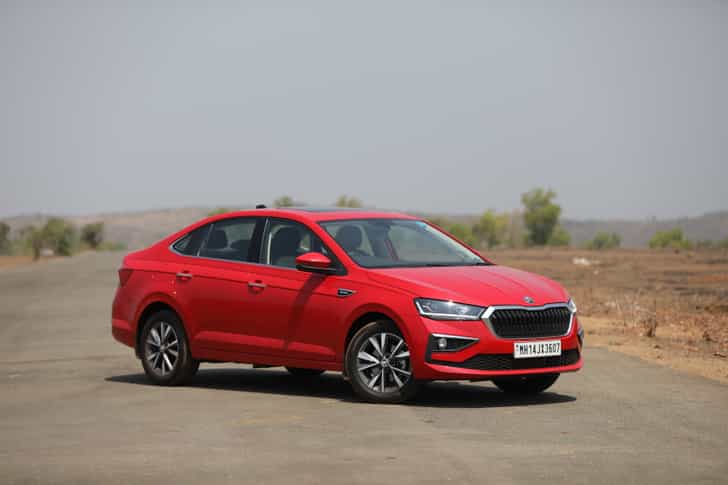
I’m looking for a car in the Rs 22-24 lakh budget. My daily usage is around 30km, with about 75 percent of the driving in the city. My priorities are safety, driving comfort, mileage and an automatic gearbox. I was initially looking for a 5-seater and liked the Harrier Petrol Automatic, but I am now also considering a 7-seater. Should I choose between the Harrier, Safari and XUV 7XO, and would petrol or diesel be more suitable for my usage? I’m also open to other suggestions that fit these requirements.
Mahindra XUV 7XOTata HarrierTata SafariI am currently driving an 11-year-old Honda Brio manual in Pune and am looking to upgrade to a naturally aspirated petrol automatic SUV with either a CVT or torque-converter automatic. I do not want a sunroof, and the budget is under Rs 18 lakh. My daily running is around 10-12km, with occasional weekend drives and one or two annual trips of around 500-600km. I have shortlisted the Maruti Suzuki Grand Vitara Zeta AT and Honda Elevate VX CVT, although the Elevate does come with a sunroof. Most of the driving will be in the city. Between the two, which would be more fuel-efficient, particularly with E20 petrol, offer good ride quality, and be reliable and easy to maintain over the next 10-15 years? Are there any other vehicles worth considering? I am not interested in EVs or petrol DCT/DSG powertrains. Thank you.
Maruti Suzuki Grand VitaraHonda ElevateI’m 6’2” and my top priority is a comfortable driving posture, especially good thigh support and seating position. My current Grand i10 has become quite uncomfortable during longer drives. I absolutely loved the seating position and overall comfort of XUV 700 and I can say it is probably the best car that I have driven. However, I’m unsure about managing something that big in size in Bangalore traffic. I have taken the test drive of the new Tekton, but still found the seating position a bit awkward. Should I simply go for the XUV 7XO, or are there other petrol options that offer similar seating comfort while being easier to manage in the city? I want the car mostly for weekend city drives, with an outstation trip once every 2 months. My total running is around 3,000-4,000 km/year, so I am not considering a diesel car.
Mahindra XUV 7XONissan TektonHi. I am looking to buy a car for myself and am confused between Kylaq 1.0 prestige plus vs Kushaq 2026 prestige. I need to travel from Hoskote to Whitefield in the morning, then return to my office at Varthur Kodi, and after work, travel back home to ITPL, Whitefield. This is my schedule from Monday to Saturday. I also have to take intermittent night duties as I am a doctor. I have a Honda Elevate in family and am concerned regarding turbo lag with Kylaq 6-speed. Is it advisable to upgrade to Kushaq 1.0 AT by spending additional 5.5 lakh. I also came across a social media post claiming that the Kylaq’s 6-speed automatic can be difficult to manoeuvre in bumper-to-bumper traffic. Please guide me on which would be the better choice for my usage.
Skoda KylaqSkoda KushaqHonda ElevateHi AutoCar team, I live in Bangalore in a family of three with 2 adults and a 5 year old. My commute will be 3 days in a week with 16-16 km on the Outer Ring Road and am planning to go on weekend trips near Bangalore on highways with family luggage. I may sometimes go on hills like Ooty and Munnar but the car is not primarily for hill drives. Will a new Seltos NA IVT feel underpowered with these requirements and load conditions? Is CVT drone too much and at what speed and RPM does it become unpleasant. Also, how is it compared to Honda City CVT drone and insulation? What are the other alternatives?
Kia SeltosSkoda KushaqMahindra XUV 3XOHonda CityI'm planning to buy my first bike this year that I intend to use for 10km daily commute within Pune city, but I also want to take it for long trips and sometimes off-roading. Therefore, I want a reliable option that will be easy to manage in traffic and on bad roads but it should also be a solid highway tourer that is truly fun to ride. I have been eyeing the Scrambler 400X and Apache RTX but am unable to decide between these two. The Apache is significantly cheaper but the Triumph is more enjoyable. Also, I haven't heard the best feedback about TVS after-sales service and I don't know how reliable the bike would be. Is it worth waiting over 4 months for it?
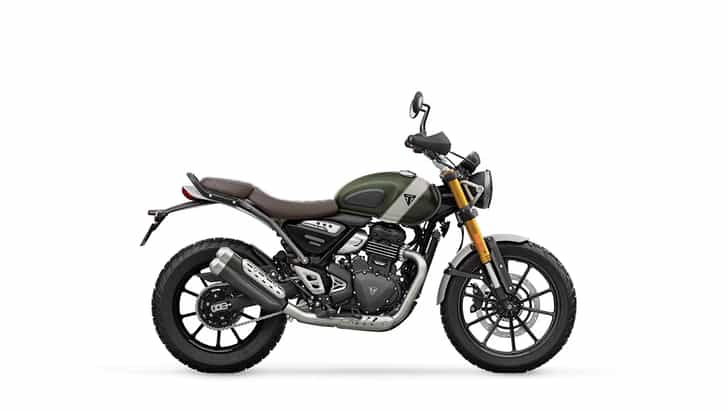
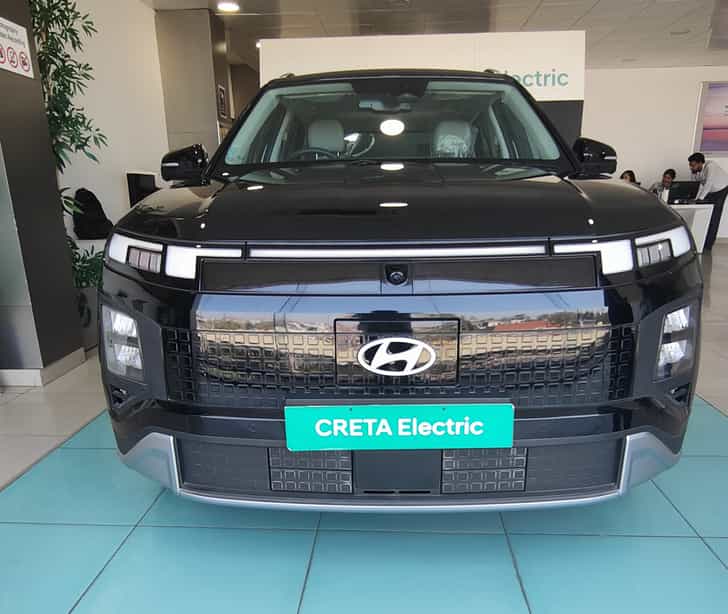
I used to own a Honda Unicorn 150, eight years ago. Since then, I have only ridden scooters in the city and haven't ridden a motorcycle in 8 years. I am looking for a bike for 50 km of daily commute with a mix of city traffic and highway. I am looking for a smooth and reasonably powerful bike that is capable of comfortably cruising at 80-90 kph on highways. I needs a bike that offers a relaxed, comfortable riding posture and easy handling for city traffic. I have a maximum budget of Rs. 2 lakh. Which motorcycle would be the best fit for my transition back to riding? Should I shortlist SP160, Yamaha FZ-X Hybrid, and NX200?
Hello, I have been riding a 125cc bike for quite a long time now, and I’m looking to upgrade to a better-looking bike with good performance. I’m emotionally attached to my vehicle and take very good care of them, so I’m looking for something that I can enjoy and keep for a long time. Most of my riding is within Pune city traffic, but I would also like to start exploring longer rides and weekend trips, which I haven’t really done so far. I’m not very familiar with all the good options currently available in the market. I have looked at the Harley-Davidson X440 and a couple of options from Triumph, but I’m still not sure what one would suit me the best. I would really appreciate your guidance in selecting the right bike based on my riding requirements, preferences and long-term ownership perspective.
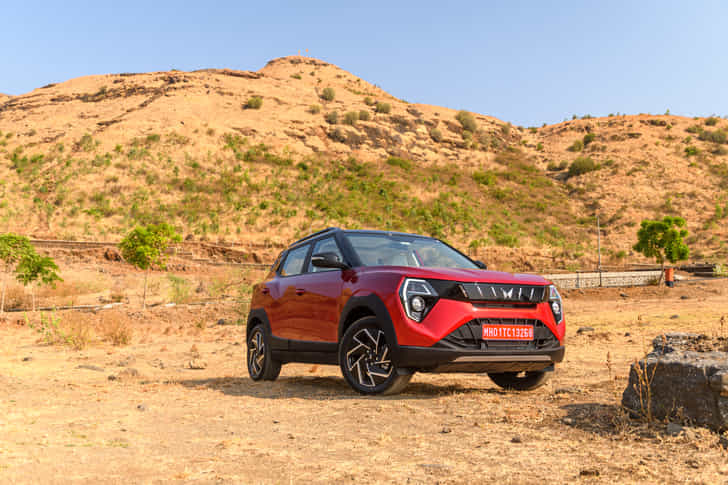
I am planning to change my car and upgrade from my 2019 Hyundai Creta 1.6 Diesel SX (Manual), which has run a solid 1.5 lakh kilometres. I have shortlisted the Mahindra 7XO AX7L Diesel AT. But my main dilemma is choosing between the 2WD and the AWD versions. My usage profile: Weekly running: ~410 km (85% highway, 15% city) Quarterly trips: ~2,000 km (family road trips) Intended ownership: 7+ years minimum I understand my regular highway runs do not strictly justify the AWD system. However, since I plan to keep the car long-term, I want to future-proof my purchase and avoid regretting skipping the AWD later. My questions for the forum: Is there a substantial difference in real-world fuel economy between the 2WD and AWD versions? If so, how much of a mileage drop should I expect? Looking forward to your insights!
Mahindra XUV 7XO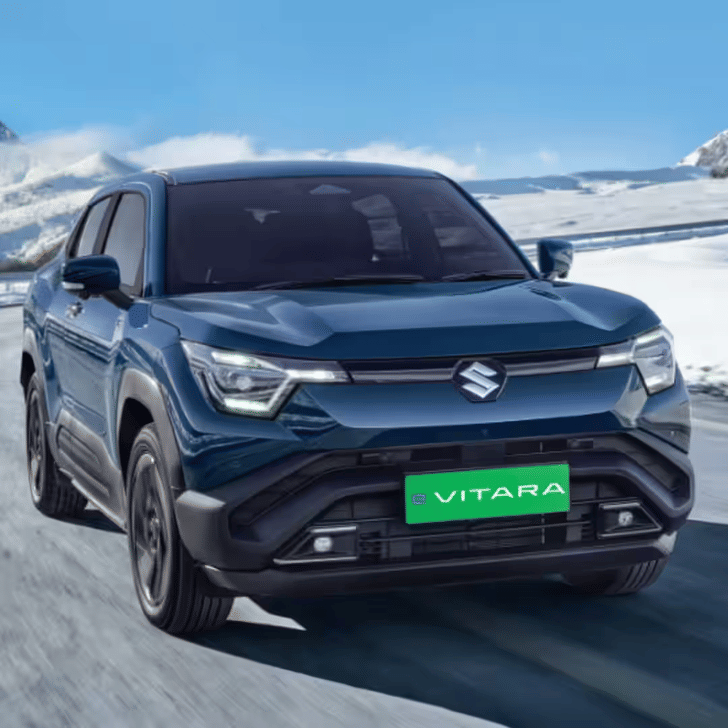
Hi Experts! I am a first-time car buyer and a new driver. I want to buy a sub-4-meter SUV. My daily usage will be between 25- 30 km. It is mostly for city driving in Delhi NCR. I intend to buy an automatic and like the Kylaq as an option. But my understanding is that it is expensive to maintain. Among other options that I am considering are the Venue and the 3XO. However, Venue has DCT, which I understand is not great for city driving. Could you give me some more guidance on maintenance of the Kylaq and, generally, if I have to choose among these 3, what should be the best option? To clarify, my budget is 12-15 lakhs. I have already looked at the Brezza as an option but did not like the feel of it. Sonet has been disregarded because there is a new Sonet coming next year. Thank you for your input!
Skoda KylaqHyundai VenueMahindra XUV 3XOMaruti Suzuki BrezzaKia Sonet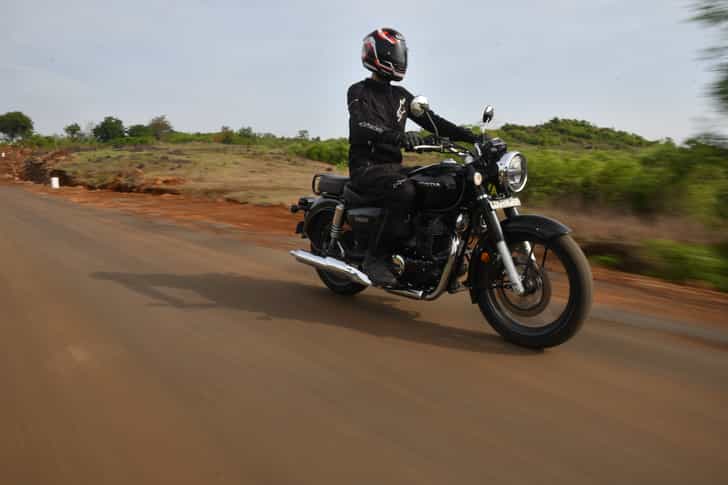
I have booked the Honda ADV160. At the time of booking, the showroom claimed that the on-road price would not exceed Rs. 1.80 lakh. However, Honda has now officially announced that the ex-showroom price itself is around Rs. 1.70 lakh. At this price, does the ADV160 offer good value for money considering what Honda is offering? Also, does the Indian-spec version come with gas-charged rear shocks? I could not see any gas-charged units in the images of the Indian variant. Please advise.