Latest questions answered by experts
I’m a first-time car buyer. My usage will be around 40% city driving and 60% on state highways, with a monthly running of approximately 800-1,000 km. The roads are somewhat okay, with some bad stretches but mostly good roads. I’m looking for an automatic transmission. Hatchbacks, compact sedans, and compact SUVs are all fine. My budget is flexible, between Rs. 12 lakh and Rs. 14 lakh. I have shortlisted 3-4 vehicles, namely: 1. Honda Amaze ZX CVT 2. Maruti Brezza ZXi Automatic 3. Mahindra XUV 3XO AX5 Automatic Any other car recommendations are also welcome. I am currently posted in Varanasi, if that helps.
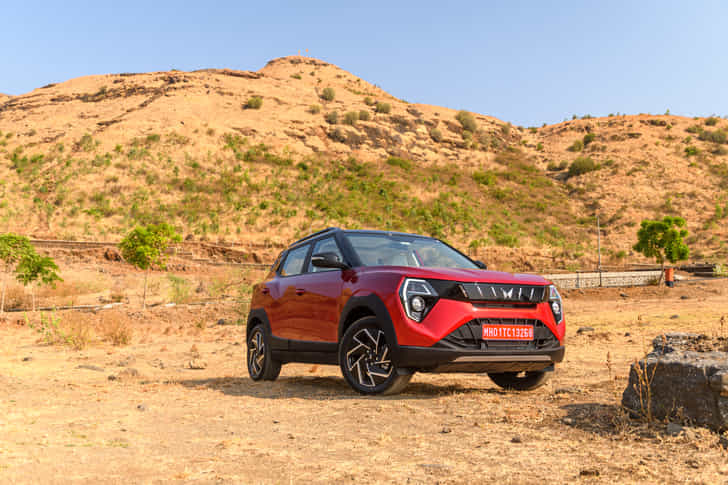
With 40 percent city and 60 percent highway use, the 3XO is the better fit among your three choices. Its turbo petrol engine has considerably stronger low- and mid-range performance than the Brezza and Amaze, which will be useful on state highways, particularly when carrying passengers and luggage. It also has a well-judged ride that copes well with broken roads.The Brezza ZXi AT would be the choice for easier ownership. Its petrol engine is smoother, and Maruti's service network is a significant advantage, while its ride quality is very good on poor roads. It is also the more relaxed choice if outright performance is not important.The Amaze ZX CVT is worth considering if you prefer a sedan. Its CVT is smooth, and the suspension is comfortable over rough city roads, while the large boot is useful for highway trips. However, its engine lacks the punch of the 3XO, particularly with a full load, and the cabin is narrower.The Skoda Kylaq 1.0 TSI AT is also worth adding to the shortlist if driving enjoyment is important. It has a well sorted chassis and a conventional automatic, making it particularly appealing for your highway heavy usage.
I’m kind of bored with my Exter AMT and want to upgrade. I mostly use it for city driving, but I want something with a fun-to-drive quotient and maybe something that doesn’t feel dated after a few years. My budget is ₹18 lakh on-road in Mumbai. Please advise.
Go for the Skoda Kushaq 1.0 TSI automatic. It is the best balance between your city usage and your desire for a more engaging driving experience. The 1.0 TSI engine is punchy and responsive, and the new 8-speed torque converter automatic is smooth and reliable in traffic. The Kushaq is also one of the most fun-to-drive cars in its segment, with sharp steering and a well-sorted chassis that makes it genuinely enjoyable on open roads. At the same time, it is compact enough to be easy to live with in Mumbai traffic and parking situations. In terms of feeling fresh, the Kushaq recently received a midlife facelift and should not feel dated for several years. It also offers a good level of features and a solid safety package.
I'm looking for an SUV car but my budget is 15 lakh on-road price with automatic for a comfortable family and long trip.
Go for the Mahindra XUV 3XO automatic. It is one of the most spacious compact SUVs in the segment, with a wide rear seat that makes it a genuinely comfortable five-seater for family use. The ride quality is well suited to long trips, and the automatic gearbox is smooth and easy to live with. It also comes with a strong safety package and a good set of features for the price. The only real compromise is the boot, which is on the smaller side for the segment, but overall it offers the best balance of comfort, space and value within your Rs 15 lakh on-road budget. If boot space is a priority, the Maruti Brezza automatic is a good alternative.
Upcoming launch buzz
Community discussions on upcoming launches
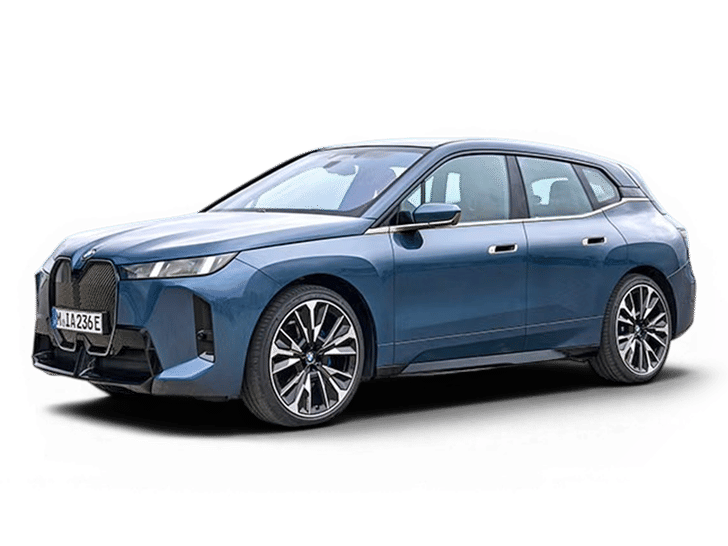
BMW
iX facelift
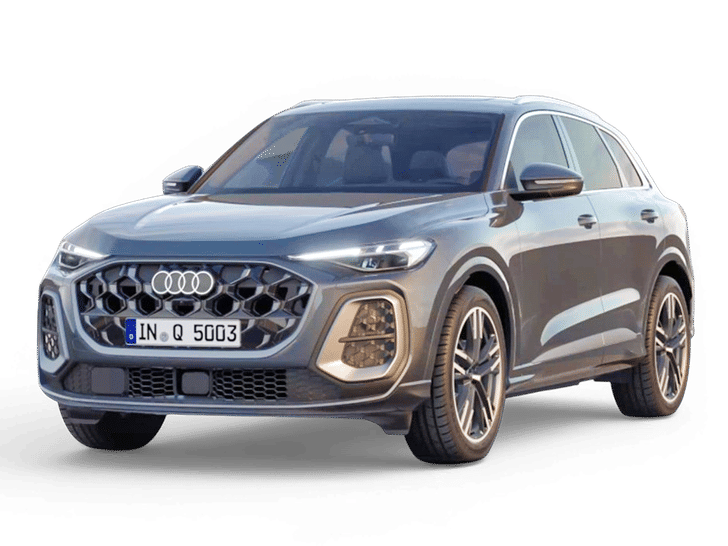
Audi
New Q5
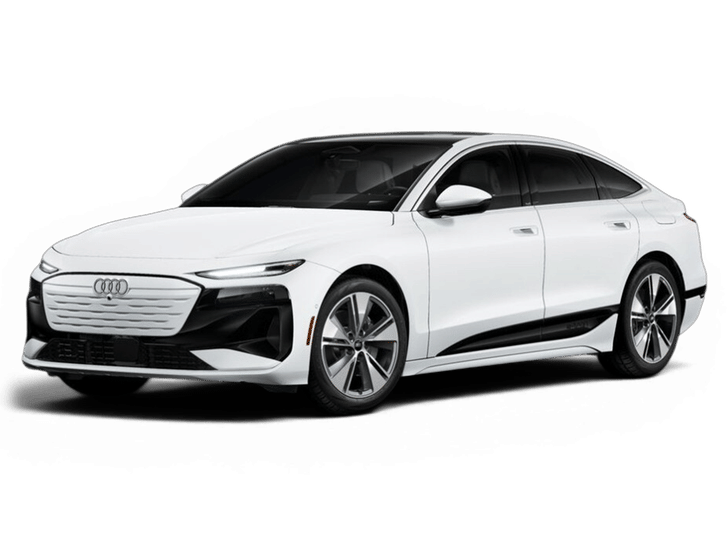
Audi
A6 e-tron

Audi
Q6 e-tron

Audi
e-tron GT facelift

Volkswagen
Virtus facelift
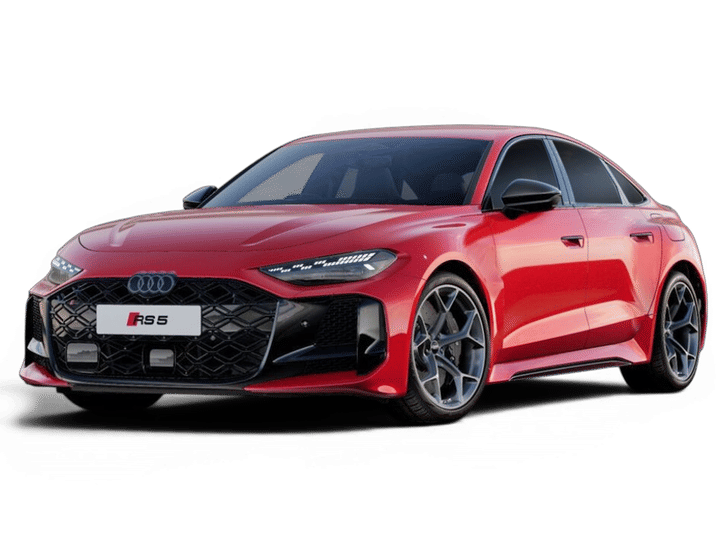
Audi
A5

Vinfast
VF5

Mercedes-Benz Maybach
S-Class facelift

Volvo
EX90
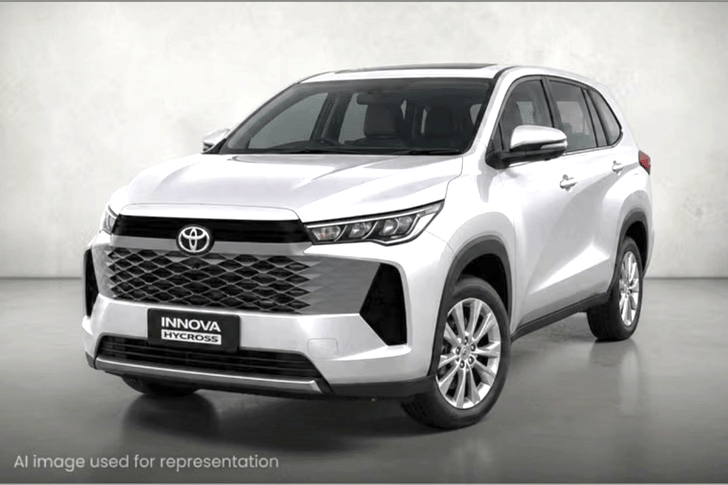
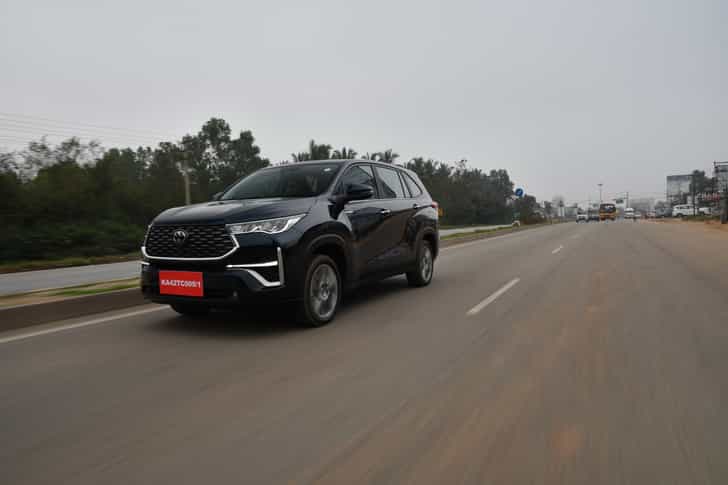
I want to know the launch date of the new Toyota Innova Hycross model.
The Toyota Innova Hycross facelift is expected to launch in early 2027. Toyota has already been testing the updated Hycross in India, with spy shots showing a revised front end, new lighting elements and a redesigned bumper. The facelift is expected to bring some interior and feature updates as well, while the existing 2.0-litre petrol and strong hybrid powertrains are likely to continue. Toyota has not announced a confirmed launch date yet, so early 2027 is the current expectation rather than a firm date.

I’m planning to buy my first car, and my primary goal is daily office commuting. The distance from home to office is 30 km one way in Mumbai, which is roughly 1,000 km a month. My requirement is an automatic car. Which fuel type should I choose - petrol or diesel? My budget is Rs. 10-15 lakh.
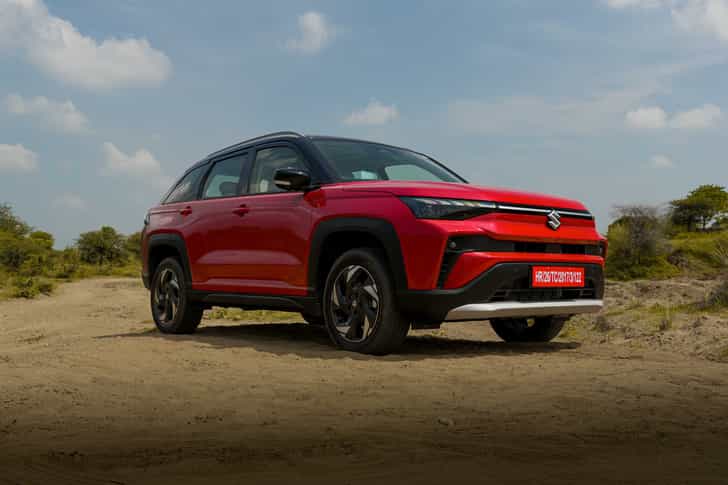
At around 1,000km a month, with a 30 km each-way commute in Mumbai traffic, petrol is the better choice. The running is not high enough to make a diesel automatic's higher purchase price and more complex emissions system worthwhile, particularly when much of the driving will be in stop-start traffic.For a first car under Rs 15 lakh, the Maruti Suzuki Brezza 1.5 AT would be a sensible choice. Its naturally aspirated petrol engine and torque converter automatic are smooth and well suited to Mumbai traffic, while Maruti's service network and generally low maintenance costs make it an easy car to live with. The automatic's certified efficiency is also a respectable 20.17kpl.If you want something more fun to drive, the Kylaq 1.0 TSI AT and XUV 3XO 1.2 turbo AT are worth considering, although their turbo petrol engines and overall ownership proposition are different from the Brezza.
I am planning to buy a 7-seater SUV but am confused between the MG Tomahawk PHEV and XUV 7XO.
For a seven-seater, the Tomahawk PHEV has an interesting advantage over the XUV 7XO. It can handle much of your everyday driving on electric power, while the petrol engine lets you take longer trips without planning around charging. It is also designed with comfort and space as priorities.The XUV 7XO makes more sense if performance, highway driving and a more conventional powertrain are higher on the priority list. It also offers more engine and transmission choices, including diesel, making it a more straightforward proposition for heavy highway use.The important caveat is that we are yet to drive the Tomahawk PHEV, so its ride quality, real-world efficiency, performance and overall refinement cannot be judged against the XUV 7XO yet. Those aspects should be assessed once a production car is tested.
I am planning to buy a new car and currently considering the Toyota Urban Cruiser Hyryder Strong Hybrid S. My primary reasons for considering the strong hybrid are fuel efficiency and the combination of adequate power with smooth city driving Here is my typical usage: Daily running: Around 30-40 km Main usage: Office commute within Mumbai Traffic: A significant part of my daily driving is in bumper to bumper/heavy city traffic Highway usage: Around 4-5 trips per year Hometown distance: Approximately 450 km one way from Mumbai Priority: Fuel efficiency, reliability, comfortable city driving and reasonable performance Expected ownership: Long-term However, before making the final decision, I would really appreciate opinions from Hyryder owners and automobile experts.
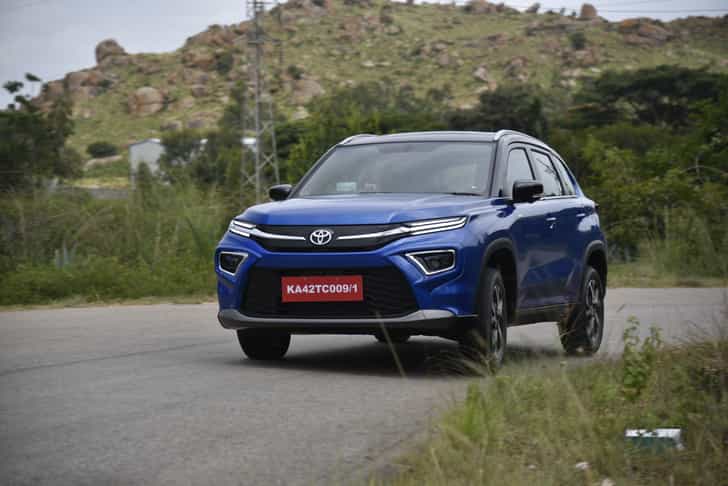
Your usage is almost tailor-made for the strong hybrid. With 30- 40 km of daily Mumbai commuting and a significant amount of stop-and-go traffic, the Hyryder can make frequent use of its electric motor at low speeds, making it exceptionally smooth and quiet in traffic. In our testing, the Hyryder hybrid returned 20.28kpl in the city and 22.85kpl on the highway, which is particularly impressive for a petrol SUV.The e-CVT is another major advantage for your usage. There are no conventional gear shifts, and the car can move in EV mode at low speeds before the petrol engine cuts in when more power is required. Performance is adequate rather than sporty, so it will comfortably handle the occasional 450km highway journey but should not be bought expecting strong acceleration.Toyota's hybrid system is also a mature technology, which makes the Hyryder a sensible choice for long-term ownership. One thing to keep in mind is the relatively small 255-litre boot in the hybrid, which is around 100 litres smaller than the mild hybrid. The rear seat is also not particularly generous for tall passengers.The S trim is the entry point to the strong hybrid range, so it makes sense if the priority is the powertrain rather than having every feature. If the budget allows, however, moving to the higher hybrid trim brings useful additional equipment.
I am confused about choosing between the Invicto Zeta Plus 8-seater and the Hycross Hybrid VX 8-seater. My annual running is around 30,000-40,000 km. Which one would cost less in terms of maintenance and be more beneficial in the long run? As of now, if I choose the Invicto, I will save approximately Rs. 3 lakh upfront, but I will miss out on a few features that the Hycross offers. Please suggest.
At 30,000- 40,000 km a year, the Invicto Zeta Plus makes a lot of sense, particularly with an upfront saving of around Rs 3 lakh. The Invicto and Hycross share the same basic hybrid powertrain, platform and e-CVT, so there is no meaningful difference in the fundamental driving experience or fuel efficiency. Both have an ARAI-claimed 23.24 kpl, while Autocar's user-reported figure for the Invicto is around 21.2kpl.The Hycross VX does give you some useful additional equipment, like a 360-degree camera, front and rear parking sensors. The Invicto, however, gets six airbags as standard and is not a stripped-down version of the Hycross.For your annual running, the bigger consideration is that the Invicto is not likely to cost significantly more to run or maintain simply because it carries the Maruti badge. The underlying hybrid system is essentially the same Toyota-developed system. Maruti also has a much wider service network, which can be useful if the car is being used this extensively.The Hycross does have an advantage in terms of Toyota's long-standing ownership reputation and potentially stronger resale value. However, paying roughly Rs 3 lakh more for the VX purely for the additional features is difficult to justify when the powertrain, space and efficiency are fundamentally similar.
I am planning to buy a car but need an opinion between the Bayon and the Elevate.
It is difficult to give a meaningful opinion on the Bayon against the Elevate without actually seeing and driving the India-spec Bayon. The India model is quite different from the European Bayon, and while we now know it will sit between the Venue and Creta, its exact positioning, ride quality, performance and real-world usability can only really be judged once the production car is driven. It is expected to use Hyundai's 1.5-litre naturally aspirated petrol engine, with CNG also likely to be offered.There is another reason not to rush into the Elevate right now. The Elevate facelift is just around the corner, with the India debut expected in early October. It is expected to get styling and equipment updates, while retaining the existing 1.5-litre petrol engine and CVT. Potential additions include ventilated front seats, a 360-degree camera and an updated touchscreen.So this is one of those situations where waiting a little gives you a much clearer picture.
Hi, as a first-time car buyer, which car would be preferable around a Rs. 15 lakh budget? The budget is not a hard ceiling and is slightly flexible. Requirements: I’m looking for a long-term family car for the next 6-8 years, but it should be fun to drive as well. It should have adequate power with passengers and luggage, especially on hills. My monthly running is approximately 800-1,100 km, mostly in the city. We usually take a trip every 3-4 months, and most of these trips are to hill stations. I’m looking for good automatic petrol options only. My shortlist: 1. 3XO RevX-A AT - Drawback: Boot space (I have experienced this firsthand). 2. Seltos HTK(O) - preferably the Turbo DCT Drawback: Slightly above budget, but I can consider it if it is really worth the extra cost. 3. Elevate V CVT Drawback: Feels like it is missing some premium features. I’m open to other suggestions as well.
For your usage, the Seltos HTK(O) Turbo DCT is the strongest fit if the additional stretch is comfortable. It gives you the performance you will appreciate on hill trips, particularly with passengers and luggage, while offering a spacious, well-equipped cabin and an enjoyable driving experience.The Skoda Kylaq 1.0 TSI AT is also worth adding to the shortlist. It stays comfortably within your budget and is arguably the most natural alternative if you want something compact, fun to drive and easier to own within the original budget. Its turbo petrol and torque converter automatic are well suited to both city driving and occasional hill trips. It has a big enough boot too for your weekend trips.The XUV 3XO RevX-A AT remains a strong option, particularly for performance and rear seat space, but the limited boot is a genuine compromise for family trips. The Elevate V CVT is the simpler long-term choice, with a smooth naturally aspirated engine and good boot space, but it does not have the same punch as the turbocharged options, and the V variant misses some desirable features.

Hi, I am planning to buy a car but am confused between the Tata Tiago CNG and the Swift CNG.
Between the two, the Tiago iCNG makes more sense if the priority is keeping running costs low. It uses twin CNG cylinders mounted under the boot floor, so unlike the Swift CNG, it does not sacrifice as much usable boot space. It also has a slightly more powerful CNG engine and, importantly, is the only one of the two available with an AMT on CNG.The Swift CNG has the advantage in cabin space and overall refinement. It is 50mm longer in wheelbase and 51mm wider, so there is more room inside, and the 1.2-litre engine is smooth enough for everyday use. However, the Swift CNG is manual only and uses a single CNG cylinder, which takes up more of the boot area.The Tiago is also the more affordable option, with CNG prices starting significantly below the Swift.
As a Honda Elevate ZX-MT owner, I am considering installing a CNG kit, but I am confused about whether it could cause any issues with the ADAS features.
Honda itself currently lists a government-approved CNG retrofit facility for the Elevate through its dealers, although it is offered only on selected variants.The CNG system should not interfere with the Elevate's Honda Sensing ADAS because the ADAS functions are camera-based and the CNG installation does not alter the camera or its calibration. However, the important distinction is that this applies to a Honda-approved dealer-fitted kit, not an independently installed aftermarket kit. Autocar's advice on dealer-fitted CNG conversions also notes that the Elevate is offered with an approved Lovato kit.There is one bigger issue in your case: the ZX is not among the variants Honda currently lists for its CNG retrofit programme. Honda's current information says the retrofit is available with V and VX trims. So before proceeding, check with your Honda dealer whether your particular ZX MT is officially eligible.If Honda approves the installation for your car, there should be no specific reason to worry about ADAS. Avoid a third-party kit simply to get around variant restrictions, particularly on a ZX equipped with Honda Sensing.
I would like some advice on selecting a strong-hybrid car for a family of five. My driving is mostly in the city, with occasional weekend trips to nearby hill stations or cities. My monthly running will be approximately 800-1,000 km.
For your usage, the Maruti Suzuki Victoris Hybrid is the most sensible recommendation. With 800-1,000 km a month, mostly city driving and a family of five, a strong hybrid makes sense because it delivers the best fuel efficiency in stop-start traffic, and the Victoris Hybrid is one of the most efficient cars in the segment. It also offers a comfortable ride, a spacious enough cabin and a proven ownership experience, which is important for long-term peace of mind.The Toyota Urban Cruiser Hyryder Hybrid is mechanically identical and equally good, but the Victoris has a slightly more premium interior and a better feature list at a similar price. The Honda City Hybrid is also a strong option, but the Victoris Hybrid offers better ground clearance and is a lot more cost-effective.

Hi, I have Rs. 20 lakh in hand and want to buy an EV. However, my height is a concern, as I am 6'1" tall, so I want a car that is comfortable for my height. I drive roughly 180 km per week and around 1,000 km every month on long road trips.
At 6ft 1in, the Sierra EV is worth considering first because the cabin is genuinely spacious and the driving position should comfortably accommodate a taller driver. It also gives you the SUV stance and substantial cabin that you are looking for, while the large boot makes it better suited to your regular long trips.Your running also makes an EV a sensible choice. Around 180km a week is easily covered through home charging, while the longer 1,000km trips will require some planning around fast charging. The Sierra EV's ride is another advantage for your usage, particularly if those long journeys include uneven roads.The Kia Carens Clavis EV is the other car worth considering. It offers a very spacious cabin and greater seating flexibility, so it makes more sense if carrying family members regularly is important. For a primarily five-seat requirement, however, the Sierra's SUV packaging is likely to appeal more.
Hi, I'm looking for a new second car, mainly for city use and occasional highway trips, maybe once a month. My top priorities are comfort, space, and a good driving experience. My average daily usage would be around 50 km, mainly for household work. I'm considering an EV for its silent and smooth drive. My shortlisted cars are:Tomahawk EV, VF7, XEV 9S, Sierra EV My budget is Rs. 25-30 lakh.
For a second car doing around 50km a day, mainly in the city, an EV makes a lot of sense, particularly if home charging is available. Among your shortlist, the Tomahawk EV is the best match for your priorities of comfort, space and ease of driving. It has a spacious cabin, light steering and excellent all-round visibility, making it surprisingly easy to manage in traffic despite its size. Its ride is also comfortable overall, although the suspension can be heard working over rough roads.The Tomahawk also has enough range for your occasional highway trips. In our first drive, it returned 4.85km/kWh on a fast highway run, which translates to around 336km of real-world range from its 69.2kWh battery. DC charging is supported at up to 90kW.The XEV 9S is the more sophisticated and performance-focused option, but it is also a more expensive proposition. The VF7 is worth considering if driving enjoyment is more important than outright cabin space.
I’m 26, and we’re planning to buy a new car. We have shortlisted two options: the Hycross GX(O) 7-seater and the Seltos HTX(A) Turbo Petrol. We removed the Kushaq from the list due to concerns about spare parts availability and maintenance costs. We also ruled out the Creta, as it feels outdated compared to the Seltos, and the turbo-petrol variant is much more expensive. Around 80% of my driving will be in the city, but I want a good engine and a comfortable ride, as my parents will be travelling with me at times. Although the Hycross is lower on features and there are talks of a facelift, I don’t know why, but it still feels like something different.
Go for the Toyota Innova Hycross GX(O) 7-seater. Your usage is 80% city driving with occasional family trips, and you want a comfortable ride for your parents. The Hycross is a fundamentally different proposition from the Seltos. It is a larger, more spacious MPV with a strong focus on comfort, reliability and long-term ownership. The hybrid powertrain is well suited to city driving, offering smooth performance and better fuel efficiency in stop-and-go traffic. The ride quality is more comfortable, and the rear seat experience is significantly better for family use.The Seltos HTX(A) Turbo petrol is a good car with a strong engine and a more feature-rich cabin, but it is still a midsize SUV. It does not offer the same level of space, comfort or long-term ownership confidence as the Hycross. The turbo petrol engine is also less efficient in city driving conditions.The Hycross may feel less feature-rich, but it makes up for it with a more comfortable and dependable ownership experience. The facelift is worth noting, but the current car is already a very well-rounded package. If you are looking for something that feels different and will keep you happy for years, the Hycross is the better choice.
I am planning to buy a sub-4-metre SUV with a budget of around Rs. 11-14 lakh. The car will mainly be used for weekend driving within the city, along with around 2-4 trips to my hometown each month, with each round trip being approximately 280 km. I also have the option of installing a home charging facility if I decide to go for an EV. I am confused about which powertrain would be most suitable for my usage-petrol, CNG, hybrid, or EV. I would like your valuable suggestion
With 2-4 trips to your hometown every month, your usage is actually high enough to make an EV worth considering, especially since you can install a home charger. A Tata Punch EV 40kWh would fit the budget and is the powertrain that makes the most sense for this usage. It has a claimed range of 468km, although real-world range will naturally be lower, and it supports DC fast charging, which is useful for your 280km round trips.If you prefer to stay with an ICE car, the Maruti Fronx 1.0 turbo petrol AT would be the pick. It gives you better highway performance than the naturally aspirated alternatives, while remaining compact and easy to drive in the city.CNG is worth considering only if keeping running costs as low as possible is the priority. A factory CNG Brezza or Punch will deliver excellent fuel economy, but CNG brings more frequent refuelling and less outright performance, which matters when you are doing regular 280km highway trips. A hybrid is not really a consideration in this sub 4 metre segment at your budget.The key question with the EV is charging on your hometown trips. If you can comfortably charge at home at both ends, the Punch EV becomes particularly attractive. If charging at the destination is uncertain, the Fronx turbo petrol is the safer choice.
I am a car enthusiast and love driving cars with great tech, music systems, and features. I currently drive a Honda Jazz Diesel V variant, which I have owned since October 2015. The car has clocked close to 1.5 lakh km. Due to restrictions in Delhi/NCR on diesel vehicles that are more than 10 years old, I have no choice but to sell the car, even though it is still in good condition, thanks to Honda’s bulletproof reliability. I am looking to replace it with a petrol car within a budget of Rs. 13-14 lakh on-road in UP. I have shortlisted the Hyundai i20 N Line N8 DCT. Is this a good choice, or are there any other equivalent options I should consider?
Given that you are a car enthusiast and are coming from a Jazz Diesel V, the i20 N Line N8 DCT is a very good fit. The 1.0-litre turbo petrol produces 120hp and 172Nm, and the N Line gets the sportier suspension, steering and styling that make it more engaging than the regular i20. It also gives you the technology and equipment you are looking for, including the 10.25-inch touchscreen, Bose audio system, wireless charging and a built-in dashcam.The main alternatives are the Skoda Kylaq 1.0 TSI AT and Toyota Taisor or Maruti Suzuki Fronx 1.0 turbo AT. The Kylaq is the more practical choice, with SUV proportions, more ground clearance and a smoother six-speed torque converter automatic. It also has a 5-star Bharat NCAP rating. However, it does not have quite the same enthusiast appeal or feature-rich cabin as the N Line.The Taisor or the Fronx are also worth a test drive if you want a compact crossover with a punchy turbo engine and a conventional automatic, but the i20 N Line feels more special from behind the wheel.
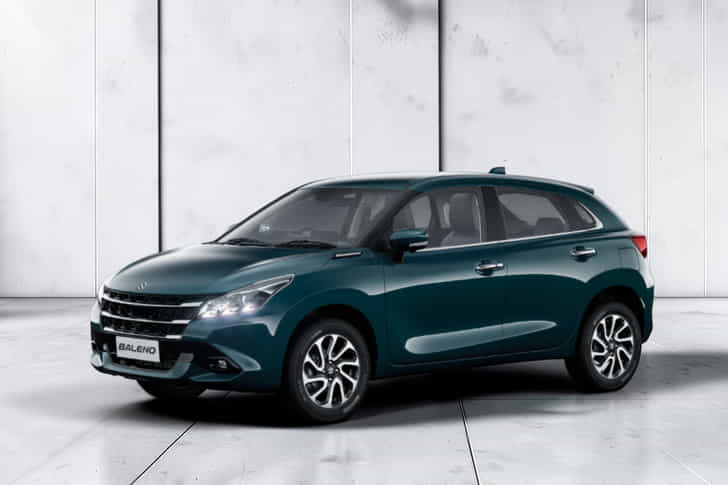
Iam looking for a new car. I drive about 500km a month in Bengaluru, with occasional trips to Mysuru. My budget is 10L.
With a monthly usage of around 500km in Bengaluru and occasional trips to Mysuru, your running is relatively low, so a petrol car makes the most sense. Your budget of Rs 10 lakh puts you in the premium hatchback or entry-level compact SUV segment. In this price range, the Maruti Suzuki Baleno is a very strong option. It is spacious, comfortable, fuel-efficient and easy to drive in the city, while also being reliable and inexpensive to maintain.If you prefer the higher seating position and better ground clearance of an SUV, the Tata Punch is worth considering. It is well-suited to Bengaluru's roads and offers a more commanding driving position, though it is not as spacious as the Baleno. Overall, the Baleno is the most well-rounded choice for your usage and budget.

I currently own a 2016 Hyundai i20 Elite Sportz and am planning to upgrade to an SUV, but I am a bit confused. My budget is Rs. 20 lakh. I am looking for a reliable engine, low maintenance costs, and decent mileage. Since my family consists of six members, I am particularly interested in a 7-seater. Would the Tata Safari be a good option, or should I consider other alternatives?
With a family of six and a Rs 20 lakh budget, the Carens Clavis is worth considering before the Safari. It offers genuinely usable space across all three rows, a comfortable ride and a proven 1.5-litre naturally aspirated petrol engine. For a buyer prioritising reliability, low maintenance and reasonable running costs, it is a more natural fit.The Safari is the more SUV-like choice, with a spacious cabin, good ride comfort and strong highway manners. Although the Safari itself has not been tested, the Harrier uses the same 1.5-litre turbo petrol engine and returned just 6.17kpl in the city and 12.49kpl on the highway in our testing. The Safari is heavier, so expectations of fuel economy should be realistic. The diesel is more efficient than the petrol, but it is not particularly frugal either, especially in city use.The Clavis therefore makes more sense if mileage and running costs are important. The Safari becomes more attractive if you specifically want the larger SUV experience, higher seating position and stronger highway character.
Need expert advice?
Ask the Autocar community and experts.