Latest questions answered by experts
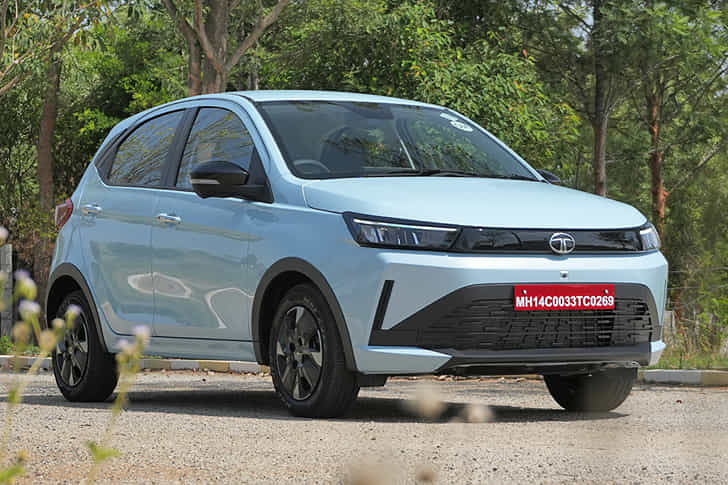
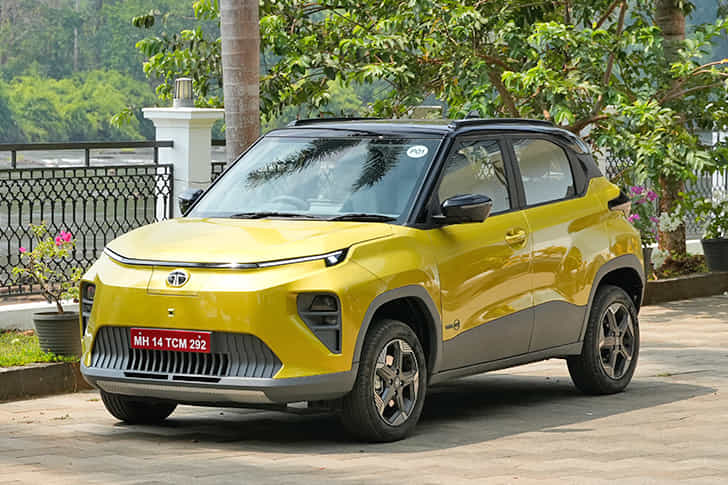
Tata tiagio
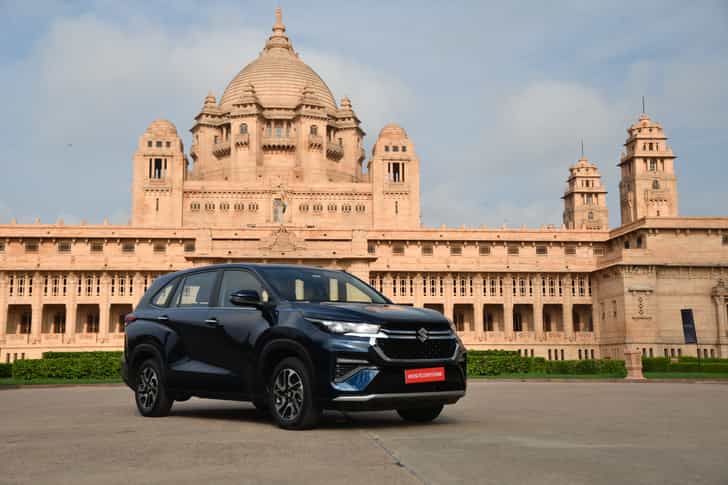
•22hHi, we are a family looking for a 7-seater mainly for highways and road trips. For such usage, diesel cars seem most suitable, so we have shortlisted the Kia Carens Clavis diesel and the Mahindra XUV 7XO diesel automatic AX3. We need two cars, one for highway use and one for city use. For the city, we have decided on the Alto K10 VXi petrol manual. However, we are confused between the Carens Clavis and the 7XO for highway use. We previously owned a 2021 Tata Harrier XZ diesel manual, which was a good car, but the service experience was not satisfactory, so we want to avoid Tata. Our budget is around Rs 25 lakh, and we expect mileage of around 15-22kpl. We are fine with both manual and automatic, but will most likely choose automatic. We need a comfortable 7-seater with good mileage, suitable for long-distance travel across India, with minimal driving fatigue and a 5-star safety rating.

Autocar India
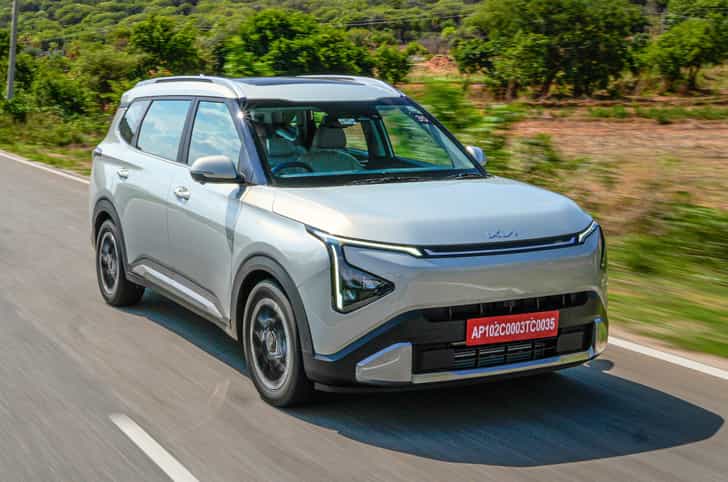
Go for the Kia Carens Clavis diesel automatic. For your usage, this is a family-first decision, and the Clavis simply does the fundamentals better where it matters most.The biggest factor here is third row comfort and flexibility, and this is where the Clavis clearly stands out. It has a longer wheelbase, which directly translates into better cabin space and usability for all three rows , and more importantly, the second row can be adjusted to create usable room in the third row, something the Mahindra XUV 7XO simply cannot do due to its fixed middle row. For long road trips across India with family, that flexibility makes a real difference because the third row is actually usable for adults, not just kids.The Clavis also suits your mileage expectations better. Its smaller diesel engine is inherently more efficient and tends to return better real-world economy than the larger engine in the XUV , which matters when you are covering long distances regularly.The Mahindra XUV 7XO still has its strengths. It offers a stronger diesel engine and better outright performance, and it also has a clear edge in safety credentials with a 5-star rating , but the compromise is clear. The third row is tight, and without adjustability in the second row, it limits how comfortably you can use all seven seats over long distances.

Soumen
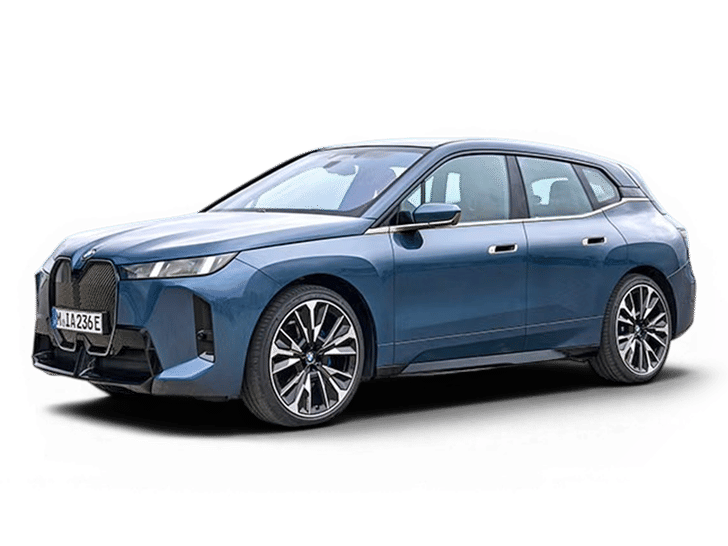
•21hI am planning to buy a 7-seater car that has low recurring maintenance costs and offers good comfort. I am considering the XEV 9S, but I am not very confident due to the uncertain future of EVs in India. Will there be good resale value after 5-7 years, and how do we see the future of EVs given the rapidly evolving technology?

Autocar India
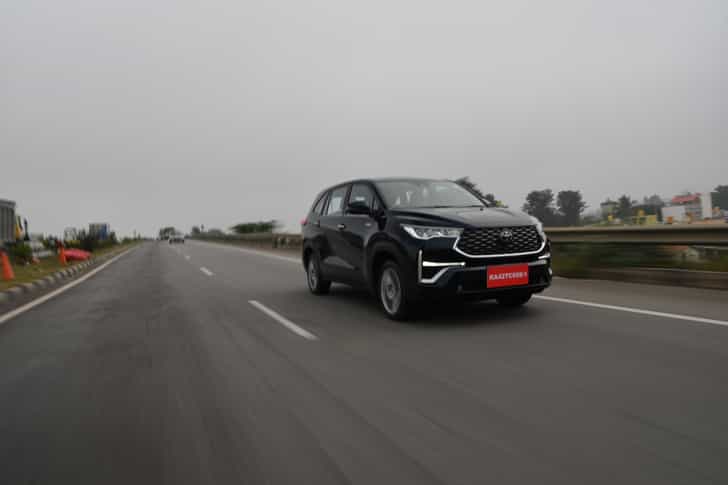
If you are considering the Mahindra XEV 9S, it really comes down to how you balance running cost benefits versus long-term certainty.On one hand, electric cars make a lot of sense today for daily use. They offer very low running and maintenance costs, a smooth and quiet driving experience, and are well-suited to city driving. Over a 5 to 7 year period, you will likely save a meaningful amount on fuel and routine upkeep compared to petrol or diesel cars. At the same time, your concern about resale is valid. The EV market in India is still evolving, and while adoption is growing steadily, resale values are not as predictable as those of diesel or petrol cars yet. A big factor is battery health, and while manufacturers are offering long warranties, the used car market is still figuring out how to value older EVs, especially as newer models keep improving quickly.Looking ahead, EVs will almost certainly become more mainstream over the next few years, which should improve resale confidence, but it is also true that rapid technology changes could make older models feel outdated sooner than traditional cars. So the decision is more about your comfort level.If you plan to keep the car for the full 5 to 7 years and prioritise low running costs and a modern driving experience, the XEV 9S can work well. If resale value and long-term predictability matter more, a diesel car like the Mahindra XUV 7XO or a hybrid 7-seater like the Toyota Innova HyCross will still feel like the safer choice today.
Sushant
•1dI am looking to buy a hatchback under 6 lakh. Which one should I buy? Currently, I am driving a Santro 2019 model and am pretty much happy with it.

Autocar India
For mostly city use and with a hard cap of Rs. 6 lakh, the Maruti Suzuki Celerio LXi (manual) fits you best. It keeps the same easy, light feel you’re used to in the Santro, so traffic and parking stay simple. Space is good for this price, with a rear seat and boot that work better than those of very small cars, so daily chores and the odd airport run won’t feel tight. And like Hyundai, Maruti has a wide service reach and low running costs, which suits someone who just wants a simple, fuss-free car.Know that the LXI is the base version, so it is quite basic inside and does not come with a music system or wheel covers, though these can be added through dealer accessories. If you want a bit more style and features at this price, the Renault Kwid is also worth a look, but first check service support in your area.Overall, for your city use and budget, the Celerio LXI lines up best with what you described.
Avinash
•1dI have decided to buy the Sierra Adventure Plus variant. But should I go for a diesel automatic or a petrol automatic? Please advise. My running is less than 6000km per year.

Autocar India
With under 6,000 km a year and the Adventure Plus in mind, I’d pick the Sierra Adventure Plus petrol automatic for you. At this running, petrol makes more sense day to day. It is smoother and quieter in the city, usually costs less to buy, and you avoid the diesel exhaust filter worries that can crop up if most of your trips are short and at low speeds. For your likely mix of city use and the odd trip, the petrol automatic will feel easy and relaxed, with enough power for family runs.The trade-offs to note are that on long highway drives with a full load, the diesel automatic will feel stronger when pulling from low speeds and will use less fuel, so it suits heavy touring better.If your plan changes to frequent highway trips or 15,000 km-plus a year, then the diesel automatic becomes the smarter pick. Otherwise, for your current use, the Tata Sierra Adventure Plus petrol automatic lines up best.
Aakash
•1dHello Experts! I have been driving a Honda Brio (manual petrol) for the past 5 years. We are a family of four (occasionally five), and I’m now looking to upgrade. While the Brio has served us well, I often face challenges with its low ground clearance, weak AC performance in hilly areas, and the absence of rear AC vents. My usage is primarily daily office commuting (around 20 km) along with weekend trips ( around 300km). Most of these trips are to hilly regions and the Konkan belt, where bad roads and large speed breakers are common. I’m planning to buy an SUV in Pune with a budget of around ₹12 lakh (slightly stretchable). My key requirements are: strong safety, good rear seat comfort, decent mileage, low maintenance cost, and a good infotainment system. I was initially interested in the Tata Sierra base model, but was disappointed to learn it doesn’t even come with a sound system. The Kia Seltos also looks appealing, but I’m open to exploring other options as well. I’m not in a hurry and can wait for about a year. I’m also open to considering pre-owned SUVs. Please advise. I would also like to know if buying an automatic would make more sense.

Autocar India
Given your 20 km daily city run and frequent hill-and-Konkan trips with four on board, a mid variant of the Tata Nexon petrol manual, something like the Creative, fits your brief best. It rides over broken roads and big speed breakers without fuss, has rear AC vents that your Brio missed, and it is one of the safest small SUVs on sale with a strong body. The AC is strong, the steering is light in the city, and the cabin and touchscreen feel modern enough for long drives with the family.A few trade-offs to note for you are that Tata service quality can vary by dealer in Pune, so pick a well-rated one. Interior storage and ergonomics are not the best either, and quality isn't as good as some rivals.If you want lower running costs and an easy ownership experience, the Hyundai Venue HX5 1.0 DCT also works well for your use. It rides comfortably on bad roads, has a strong AC, good rear seat space, and Hyundai's service is widespread, and it has a 5-star crash test rating from Bharat NCAP.On automatics: yes, we would recommend it, given that most of your driving is a daily office commute. Just bear in mind that in your budget, the Nexon gets a clunky AMT, and you would have to stretch to a higher variant to get the DCT. The Venue DCT fits in your budget, though.If you want a smoother automatic, you could go for a more premium pre-owned car. A 2-3 year old Seltos/Creta petrol automatic would suit your hills-and-city mix well.
Deepak Moharana
•1dI earn Rs 70,000 in hand and live in a village. My office is 15 km away. What would be an appropriate budget for a car, as I am completely new to this? My priority is low maintenance, and it should be a family car. As I am a government field officer, there will be regular travel.

Autocar India
Keep your budget around Rs 6-8 lakh and go for a simple petrol car. With a Rs 70,000 in-hand salary, the idea is to keep ownership easy and stress-free rather than stretching your budget, especially since your job involves regular travel and you are new to owning a car.For your usage, a petrol car makes the most sense as it is easier to maintain and better suited to mixed driving. Since you live in a village, focus on comfort, durability and ease of use over features or performance, because what will matter most is how reliably the car handles daily travel.Within this, go for the Maruti Suzuki Wagon R if you want maximum practicality. It is spacious, simple and extremely easy to live with, making it a perfect first car for both family use and regular travel. If you want something that feels a bit more modern and stylish while still being easy to own, then the Maruti Suzuki Celerio is a good alternative.
Need expert advice?
Ask the Autocar community and experts.