Latest questions answered by experts
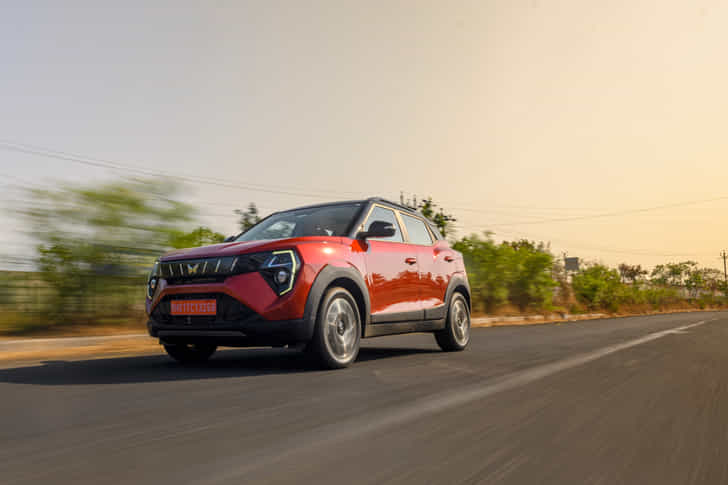
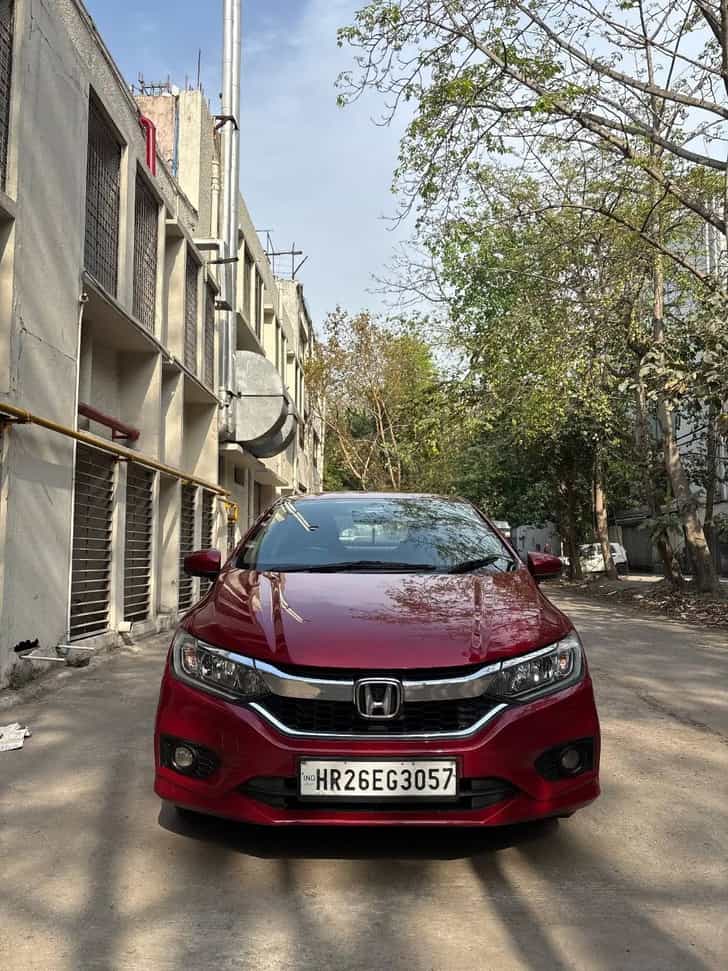
I am looking to upgrade from my Tiago and have received compelling offers on two cars. The Mahindra XUV 3XO AX7 Turbo is available for Rs 14.5 lakh on-road, while the Honda City ZX CVT ADAS is priced at Rs 17.5 lakh on-road. For the exchange, Honda is offering around Rs 4 lakh for my Tiago, while Mahindra is offering around Rs 2.6 lakh. Which car should I buy?
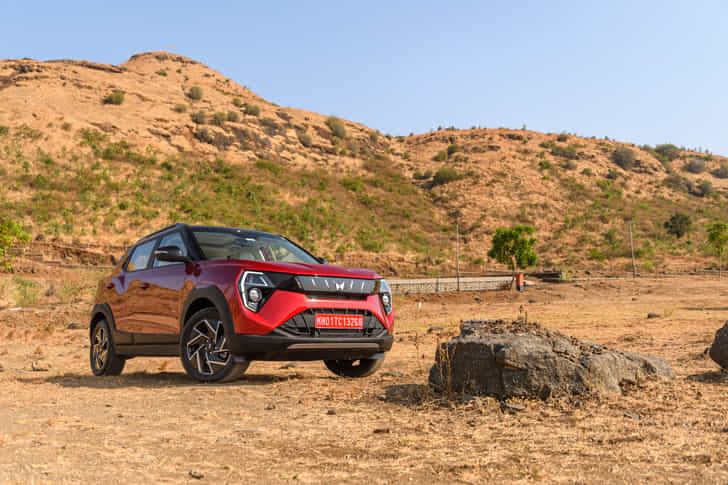
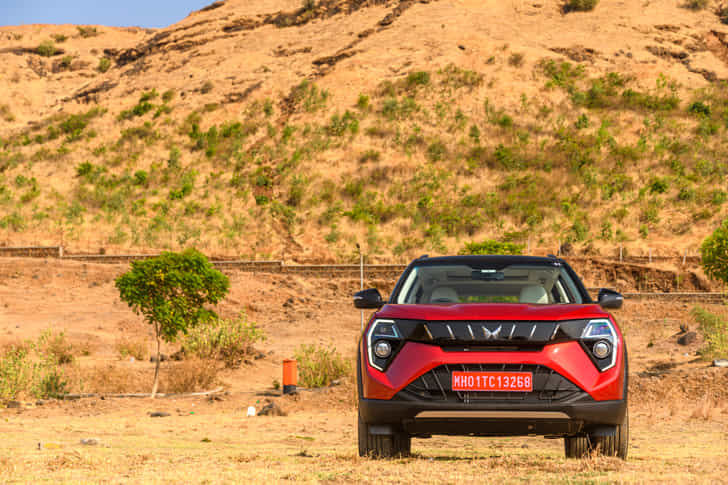
Go for the Mahindra XUV 3XO AX7 AT at Rs 14.5 lakh on-road. The Honda City ZX CVT is a great car, but at Rs 17.5 lakh on-road, it is a significant step up in price, and the XUV 3XO is simply the better value proposition here. The AX7 AT is a well-equipped variant, and the 3XO is one of the most spacious compact SUVs in the segment, with a wide cabin that makes it a genuinely comfortable five-seater. It also offers strong performance, a good feature set and a solid ownership proposition. The Honda City ZX CVT is the more refined and more premium-feeling car, but the price difference is difficult to justify, especially when the 3XO is already a significant upgrade from your Tiago. As far as the exchange goes, try getting your Tiago evaluated on other used car platforms, such as Spinny instead - you could get a better price than what the Mahindra dealer offered.
Hi, I’m confused between the Skoda Kylaq and Tata Punch EV and would like some advice on which one to buy. The car will primarily be used for city driving, with occasional highway trips. The budget is Rs 10-14 lakh on-road. I previously owned a Volkswagen Polo GT TDI, so I’m looking for a car that can offer a similar level of driving satisfaction while also being practical for everyday use. I’m currently confused between these two options and would appreciate some guidance.
Go for the Skoda Kylaq 1.0 TSI. With your budget of Rs 10-14 lakh, mostly city usage and occasional highway runs, the Kylaq is the better fit. It offers a familiar driving experience coming from a Polo GT TDI, with a punchy turbo petrol engine, solid build quality and a sorted ride and handling balance. The Tata Punch EV is a good city car, but the Kylaq is more versatile for occasional highway trips and long-term ownership. The Kylaq also offers better rear seat space and a more premium feel overall. The Punch EV makes sense only if your usage is almost entirely city-based and you have reliable home charging. Given your budget and usage pattern, the Kylaq is the more balanced and sensible choice.
Hello, I need your guidance. I am a new learner planning to buy an automatic car for my family soon. My stretched on-road budget is Rs. 14 lakh. I am looking for a car with 5-star safety, good comfort and mileage, low maintenance and service costs, easy spare-parts availability, and good long-term reliability. I currently have two cars in mind: the Honda Amaze ZX CVT and Maruti Suzuki Brezza ZXi AT. Please suggest which one would be better for my requirements, and mention any other options I should consider.
Go for the Maruti Suzuki Brezza ZXi AT. As a new learner, you want a car that is easy to drive, comfortable for the family and reliable for long-term ownership. The Brezza’s naturally aspirated petrol engine, paired with a torque converter automatic, is smooth, predictable, and well-suited to city driving. At the same time, the higher ground clearance and upright seating position make it easier to judge the road and navigate traffic. Maruti’s service network is the strongest in the country, spare parts are widely available, and maintenance costs are among the lowest, which is exactly what you want for a long-term ownership proposition.
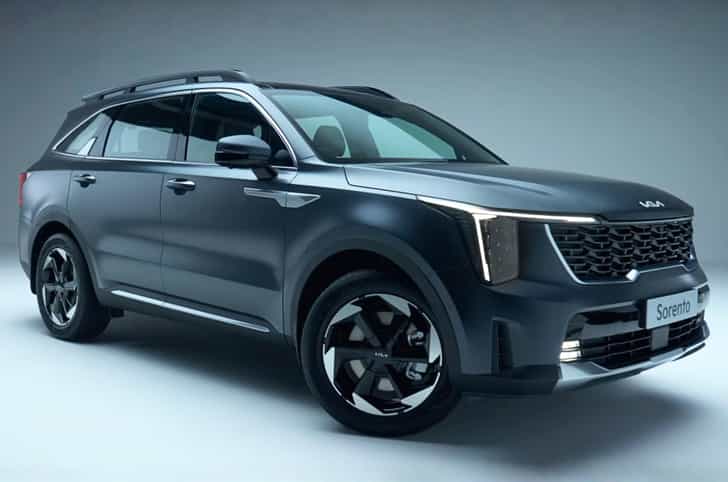
Hello, I’m looking to buy a fully loaded, feature-rich full-size SUV, and I’m willing to wait for the right option. The Hyundai Palisade is a very tempting choice, but it seems like it may not arrive in India until 2028. Would it be worth waiting for, or are there other good options under Rs 60 lakh that I should consider?
Yes the Hyundai Palisade is still sometime away and you could be looking at a wait time of over a year. Currently in this price bracket, and looking at your requirement of a loaded, premium-feeling SUV with a strong feature set, the Kia Sorento is a very good option. It offers a comfy and well built cabin, a rich feature list and a premium ownership experience, while still being a very capable and comfortable family SUV. The top end Sorento will also very comfortably fit within your budget and would make a far more realistic and satisfying purchase today. The other good option is the Skoda Kodiaq, which is also a very well built and premium feeling SUV, you need not opt for the RS version which is above your budget and is setup up for driving pleasure with its more powerful engine output. Opt for the L&K trim instead which is well equipped and within budget.

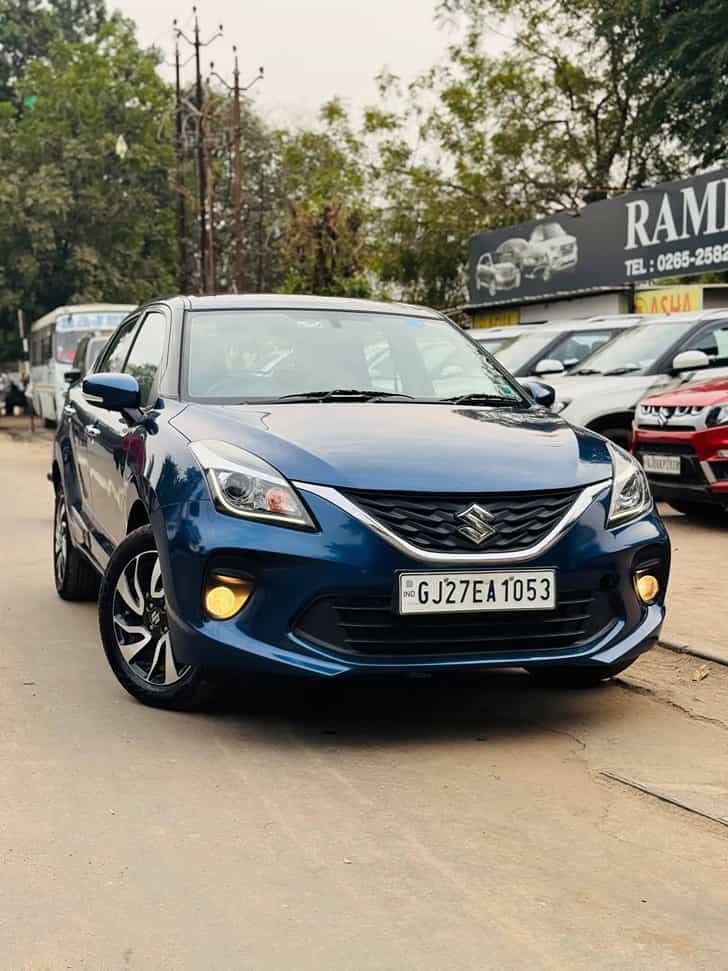
I currently drive a Hyundai i10 CNG, with daily running of around 6 km in Gurgaon city traffic and a monthly highway drive of around 200 km. I am now planning to upgrade my car, with an on-road budget of Rs. 12 lakh for a petrol sub-4-metre SUV, up to Rs. 14 lakh for a petrol midsize SUV, and Rs. 15 lakh for an EV. I live in a rented apartment on the second floor, so I am apprehensive about getting an EV. I prefer an EV, but installing a charger could be complicated due to the sanctioned load. My running could increase to nearly 800 km per month in the future. My key priorities are: - Good suspension and ride comfort, as I have a back problem - Decent fuel efficiency in heavy city traffic - Low to medium maintenance costs - Auto hold and ventilated seats would be good to have I sometimes consider buying a manual, but I mostly prefer an automatic. I am currently considering the Maruti Brezza, Baleno AMT, Fronx AMT/AT, Sonet iMT, Exter AMT, and even the upcoming Inster, VF3, and Bayon. I am open to other suggestions as well. Note: I had a bad driving experience with the Punch AMT, as it caused back fatigue.
Given your priorities of ride comfort, fuel efficiency and low maintenance, the Maruti Brezza automatic is the most sensible upgrade. It offers a comfortable ride, a proven naturally aspirated petrol engine and Maruti's strong service network, which keeps long-term ownership costs in check. The torque converter automatic is smooth in city traffic, and the Brezza's higher seating position will help with your back issues. The Sonet iMT is not the right choice here. While it is a good car, the iMT is not a true automatic and will not offer the same ease of use in Gurgaon traffic. The Baleno AMT and Exter AMT are also not ideal given your back issues and the fact that AMT gearboxes are not as smooth as torque converter automatics in stop-start conditions.On the EV front, your apprehension about charging is valid. Without a straightforward home charging solution, an EV will add unnecessary complexity to your ownership experience. The upcoming Bayon is interesting and if you can wait a few weeks you would have a better picture before making a decision. For now, the Brezza automatic strikes the best balance between comfort, efficiency and hassle-free ownership.
Recently, a Volvo XC90, often regarded as one of the safest cars, was reportedly involved in an accident and caught fire within a matter of seconds, resulting in the tragic death of a renowned neurosurgeon. What could be the possible reason for such a rapid and intense fire? While accidents can understandably cause injuries and trauma, a vehicle catching fire so quickly after what appears to be a relatively minor impact raises serious questions about fire safety and occupant protection. When a car costs around Rs 1.23 crore, buyers naturally expect a very high level of safety, including protection against such secondary hazards. If a relatively minor accident can result in a vehicle being engulfed in flames and a person being trapped inside, it is fair to question how such risks can be prevented. This is also not the first reported case of a luxury vehicle catching fire after an accident. I have come across similar reports in the past. What do you think could be the possible cause, and what safety measures should manufacturers consider to prevent such incidents?
Firstly, our deepest condolences to the family involved. This is a tragic incident and understandably raises serious concerns.The Volvo XC90 is one of the safest cars on the road, with a strong safety record and a five-star Euro NCAP rating. However, no car is immune to fire in the event of a severe accident. Modern vehicles, regardless of price, carry significant amounts of fuel and electrical systems, and under certain conditions, such as a high-energy impact, ruptured fuel lines, electrical shorts, or a fire starting in the engine bay, a fire can develop rapidly.The key point is that fire risk is not directly linked to the cost of the car. Even the most expensive and safest vehicles can catch fire if the conditions are met. Safety systems are designed to protect occupants in a crash, but they cannot always prevent a fire from starting, especially if the impact is severe or the fire source is difficult to contain.It is also important to note that details of this specific incident are still emerging, and without a full investigation, it is impossible to say exactly what caused the fire. Factors such as the nature of the impact, the location of the fire, the speed of emergency response and the ability to exit the vehicle all play a role.The takeaway is that while modern cars are safer than ever, fire remains a rare but real risk in high-energy accidents. The focus should be on understanding the cause through a proper investigation rather than assuming that a premium car is immune to such outcomes.
Hi everyone, I am planning to buy my first car, and I will also be learning to drive with this car. My budget is around Rs 8-9 lakh. I am looking for a car with good ground clearance, as the roads in my area are not always in good condition. My usage will be relatively low, at around 6-7 km per day, with an occasional long road trip of around 800-1,000 km once every 6-7 months. I live in an eastern state, where both heat and rainfall can be quite extreme. The car will be parked in an open parking area, so it will have significant exposure to the sun and rain. Since this will be my first car and I am still learning to drive, I am confused about whether I should go for a manual or AMT. Reliability, ease of driving, ground clearance and reasonable maintenance costs are important to me. Considering my usage and conditions, which cars should I consider in the Rs 8-9 lakh budget? Also, would you recommend a manual or AMT for a first-time driver with this type of usage? I would really appreciate suggestions based on practical ownership experience.
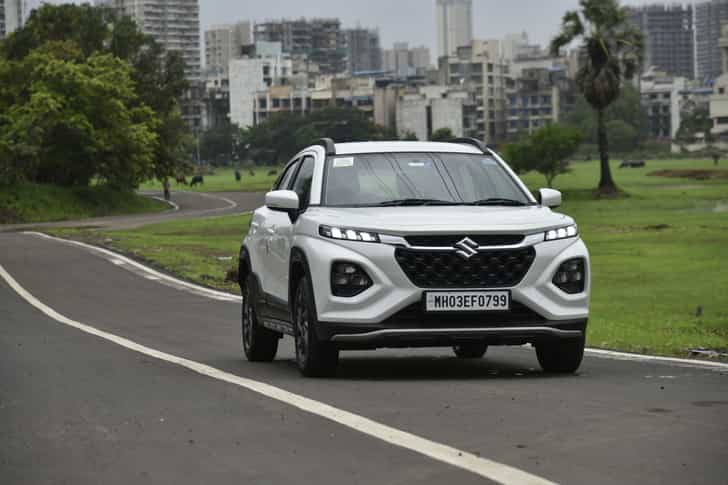
Go for the Maruti Suzuki Fronx 1.2 petrol manual. It is the most sensible first car for your usage and budget. Maruti’s service network is strong across the country, which is important in your region, and the car is easy to drive and forgiving for a learner.With your daily running of 6-7 km and only occasional long trips, a manual makes more sense than an AMT. AMTs are not as smooth as proper automatics, and at your usage level the cost and complexity are not justified.The Fronx’s higher ground clearance will help with bad roads and waterlogging during heavy rains, and Maruti’s paint and weather sealing are generally good for cars parked outdoors. This Maruti car is also compact enough to park and manoeuvre, which is important for a first-time driver.
I am confused between the Maruti Suzuki Brezza VXI AT and Kia Sonet HTK(O) Turbo DCT. My monthly running is around 1,300-1,500 km, mostly in city traffic, with occasional trips. The Sonet offers more features and feels more premium, while the Brezza seems more reliable and fuel-efficient. Which one should I opt for?
Go for the Maruti Suzuki Brezza VXI AT. With your running of 1,300-1,500 km a month, mostly in city traffic, the Brezza’s naturally aspirated petrol engine paired with the 6-speed torque converter automatic is the better fit. It is smoother in stop-start conditions, easier to live with and more forgiving over long-term ownership. Maruti’s service network and lower maintenance costs also make it the more sensible choice for a long-term city car.The Kia Sonet HTK(O) Turbo DCT does feel more premium inside and offers more features, but the DCT gearbox is not as well suited to heavy city traffic. The Brezza may not feel as feature-rich, but it is the more dependable and cost-effective option for your usage pattern.
I am planning to buy a 7-seater, most probably the XUV 7XO AX7T petrol. My annual running will be around 7,000-8,000 km, with 80% on highways and the rest in the city. However, I am in a dilemma regarding the fuel efficiency of the petrol engine, as most reviews and discussions suggest going for the diesel engine. What should I choose: petrol automatic or diesel automatic?
Go for the XUV 7XO AX7T diesel automatic. With 7,000-8,000 km a year and 80 percent highway usage, the diesel makes more sense. The XUV 7XO diesel is a strong, refined engine with excellent highway performance and significantly better fuel efficiency than the petrol, especially at steady highway speeds. The petrol turbo is a good engine, but in a large 7-seater like the 7XO it will return noticeably lower fuel economy on long highway runs, and that difference adds up over time. The diesel automatic is smooth, has plenty of torque for effortless overtaking and cruising, and the ownership experience is strong. At your running, the diesel premium will take a few years to recover, but the fuel savings and the better highway driving experience make it worthwhile. The only reason to pick the petrol would be if your usage was predominantly city or you had a strong preference for petrol refinement. In your case, the diesel automatic is the clear recommendation.
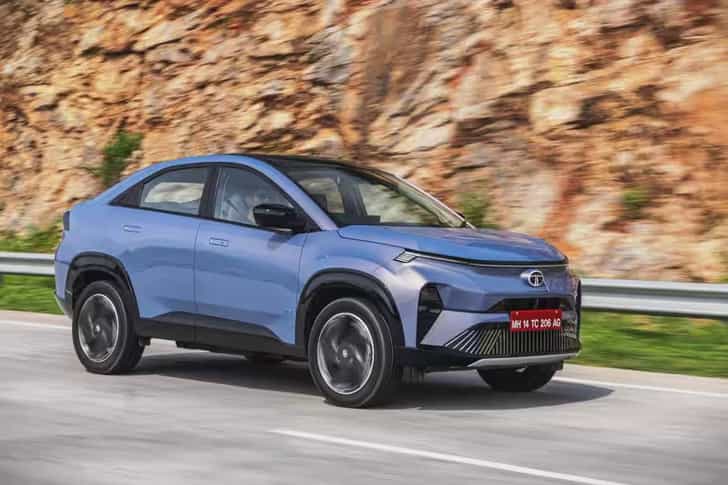
Hi, I want to purchase a Global NCAP-rated, safe sub-4-metre SUV with a manual transmission. Around 90% of my driving will be in the city, so good suspension and rear-seat space are important to me. Please rank the Kylaq, Nexon, and XUV 3XO based on my requirements.
Go for the Mahindra XUV 3XO. This Mahindra car is the best fit for your requirements. The 3XO is one of the most spacious sub-4 metre SUVs, especially at the rear, and it is also one of the safest cars in the segment with a strong Global NCAP rating. The suspension is well-tuned for Indian roads and offers a comfortable ride in the city. The Skoda Kylaq is the better driver's car with a more engaging driving experience, but it is not as spacious at the rear. The Tata Nexon is also a safe car, but the 3XO offers better rear seat space and a more comfortable ride. For 90% city driving with a focus on safety, suspension comfort and rear seat space, the 3XO is the clear recommendation.
I own a Grand i10 (2019) model and my annual running is 1,42,000 km. My daily running is 88 km. Should I install Lovato CNG kit or replace it with Exter CNG or Swift CNG. The car is in good condition.
With a daily running of 88 km, CNG absolutely makes sense from a running cost perspective. Since your Grand i10 is a 2019 model and in good condition, it might be worth spending and getting a CNG kit installed from a reputed installer. Do keep in mind that you will have to sacrifice boot space completely. However, if you're open to contributing more towards a new car, consider selling the Grand i10 if you're getting a decent price for it, and get the Hyundai Exter CNG. With the Exter CNG, you get the same smooth, efficient powertrain as the Nios, a factory-fitted CNG tank backed by the company warranty, and an added advantage is that its twin-tanks are placed beneath the boot floor, so you won't have to sacrifice luggage space either.
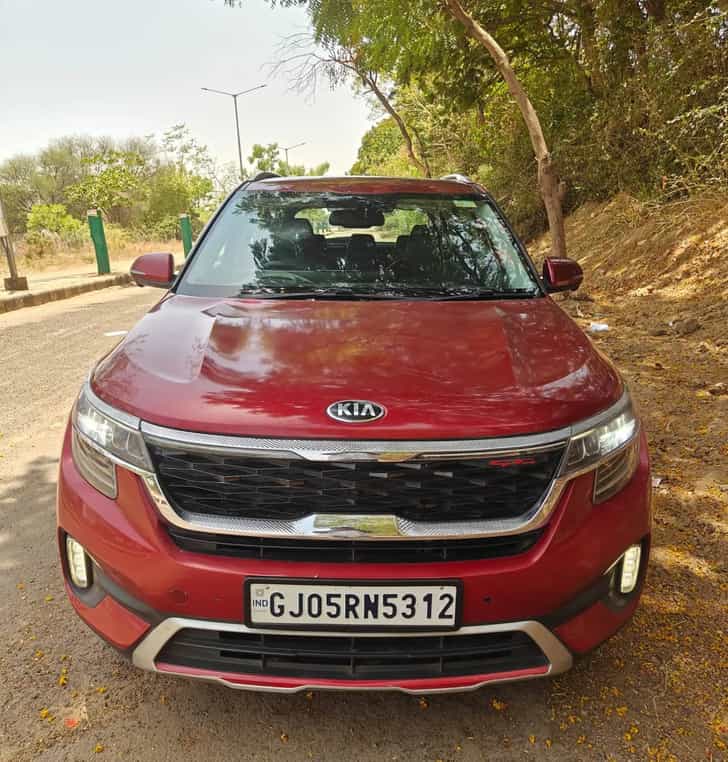
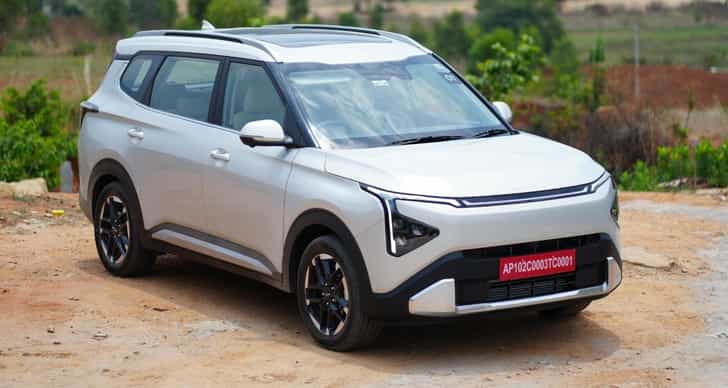
I've been using Kia Syros from a year and I love the size, the rich cabin and how all of its electronics work fuss free. We've driven for around 5000 km in a year which understandably isn't a lot. I plan to take the car to intercity/state in future. Now, I'm considering an EV Car strictly for city use and I've narrowed down to MG Comet for its size. I'm not worried about pricing as I'm certain what I'm getting. My question is, if there is any small car launch planned during the next 6 months or should I go ahead with Comet? How's MG's Battery Health Calibration done? I haven't seen any elaborate discussion in ranking or refinement on which brand does best/worst battery optimization.
The MG Comet is a genuinely well-packaged city EV - its compact size, tight turning circle and ease of parking make it ideal for urban use, and it is one of the few cars that truly embraces the city-car brief. MG’s battery management system is well-calibrated for Indian conditions, and the brand has not faced any widespread battery health or calibration issues in the market. There is no clear “best” or “worst” brand in battery optimisation – most mainstream manufacturers now have robust BMS systems, and the differences are marginal in real-world ownership. The bigger factors are usage patterns, charging discipline and thermal management, all of which the Comet should handle well. Given your low annual running and city-focused brief, the Comet is a sensible and well-timed purchase.VinFast has still not officially confirmed the VF3 for India, which is a micro electric SUV very popular in its home market, Vietnam. Besides that, there is nothing scheduled to be launched that is as convenient and compact as the Comet.
I am planning to buy a car this year around Diwali or at the year end. Firstly, what would be the best time to buy a car with maximum discounts and overall best buying experience? I am looking to buy a big-5 seater car. Since I am soon going to be a dad, so a comfortable and safe car for the family is my priority along with super good fuel efficiency, low maintenance and very good ownership. From usage perspective, I am looking for long travels once a month or two and daily office commute. On average, my monthly running would be 3000-4500 km. I can start from around 8 lakhs and stretch up to 15 lakh (on-road price) but not go beyond that. A low budget car is also not an issue if mileage, safety and good space is there. Around 12 lakhs is the sweet spot. From features point of view as long as the car has also essentials, it's fine. Basically, I want a car in this budget with no-nonsense features. Feel good features that can be barely used can be skipped if it saves my money. I am planning to keep this car for at least next 10 - 12 years. A few cars that are currently in trend and are on my mind include Grand Vitara, Victoris, Duster, Nexon, Curvv and Hyryder. But please let me know which is the best car according to you and which is the variant that I should go for (model, engine, fuel) and the best time to buy that car. Also please suggest from perspective of e20 fuel debate. Thank you so much.
With a monthly running of 3,000-4,500 km, you are well above the threshold where fuel costs become a major factor. Diesel is the most sensible choice here, especially given your mix of daily commuting and long-distance travel. It will deliver significantly better fuel efficiency and lower running costs over the long term, and modern diesel engines are well suited to both city and highway driving.That narrows down the choice to just Tata Nexon and Curvv from your shortlist. However, we'd recommend you consider the Mahindra XUV 3XO diesel instead, for its smoother, more refined and more powerful diesel engine. The XUV 3XO is also a lot more spacious and comfortable than the Tata offerings, although its boot is a bit small. It offers a big car feel in a sub-4-metre footprint. A Kia Syros diesel is an excellent option if you are ok with its quirky styling. Since this a low-seller, you're likely to get a great deal on it too.The best time to buy is typically around December, when manufacturers and dealers are keen to clear inventory and discounts are at their strongest.
Need expert advice?
Ask the Autocar community and experts.