I’m confused between the Kia Seltos HTK Optional 1.5 NA IVT and 1.5 Turbo DCT. I plan to keep the car for 5-8 years. For the first 1-2 years, it will stay in my Tier-3 city for my parents for their daily use. Later, I may take my car to Pune for my daily commute. Overall, I expect around 80% city and 20% highway/outstation driving with occasional Pune-Vadodara trips, Goa/weekend trips, holiday road trips, and sometimes 4-5 people with luggage. My main questions are for the NA IVT. Does the 1.5 NA feel underpowered in the Seltos, especially with 4-5 people and luggage? How good is it for highway overtaking and quick acceleration? How useful are the paddle shifters/Sport mode for improving responsiveness? When accelerating hard, how noticeable is the high-RPM engine noise/CVT drone, and does it become annoying on highways? For the Turbo DCT, how does it behave in prolonged bumper-to-bumper/crawling traffic? Is clutch heat/wear or low-speed jerkiness/hesitation a genuine long-term concern over 5-8 years? What is the best way to drive it in heavy traffic to minimize clutch wear? How significant are the differences in real-world city mileage and long-term maintenance cost? Considering this usage pattern, which transmission would you recommend and why? I’m particularly interested in the real-world ownership experience rather than just performance figures.

For your 80 percent city usage and 5–8 year ownership, the NA IVT is the better fit. The 1.5-litre engine is not particularly powerful on paper at 115hp and 144Nm, but the IVT masks its weaknesses well in normal driving. It is smooth, jerk-free and relaxed in traffic, while the new Seltos has a much more comfortable ride than the previous generation.
With four or five people and luggage, it will feel slower, particularly when overtaking on the highway. The CVT rubber-band effect does appear when you accelerate hard, but it is less pronounced than in many other CVTs. Sport mode and the paddles do help by keeping the engine more responsive, although they cannot turn it into a performance SUV.
The turbo DCT is considerably quicker and is the obvious choice if spirited highway driving is important. However, for your predominantly urban use, the IVT's seamless low-speed behaviour is a significant advantage. A DCT can feel hesitant at crawling speeds, whereas the IVT avoids that characteristic.
The IVT also returned 10.3kpl in the city and 14.2kpl on the highway in testing, with better efficiency than the turbo DCT.
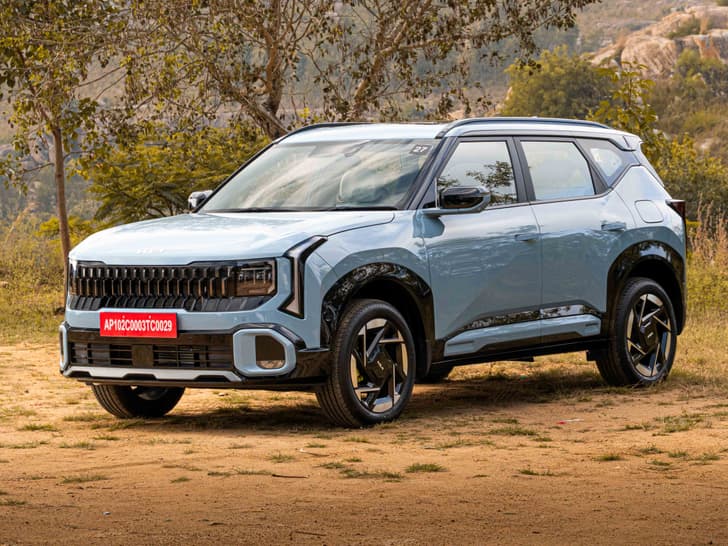
Kia Seltos
Explore cars mentioned
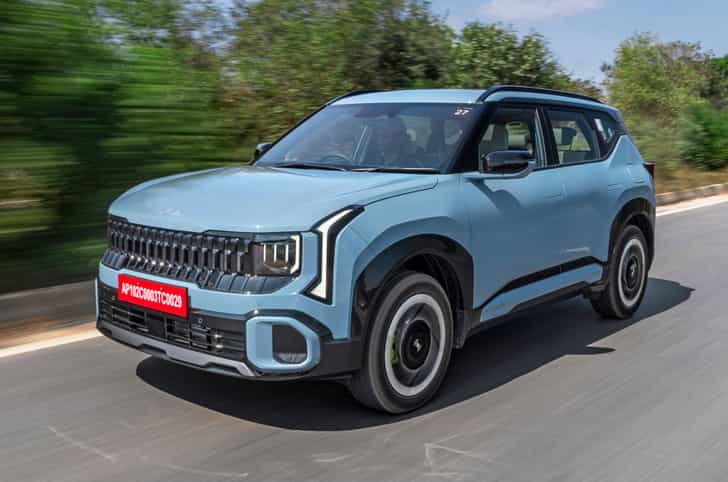
More posts on similar cars

Expert reviews worth reading
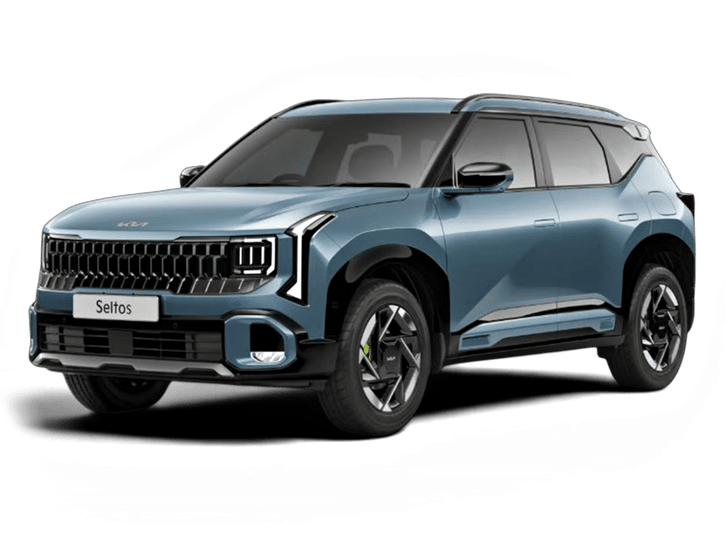
Popular discussions right now
Compare suggested cars




Posted on: 24 Sept 2026