autocar-logo
Mumbai
NA

Nagaram

3d

I tried a test drive of the Baleno vs Punch 2026. I felt the Baleno was more comfortable to ride in, and the engine was very smooth. I could really feel the vehicle, whereas the Punch felt boxy, with some body roll, and I couldn’t feel the engine as much, though the overall package is good. I am a family of five, and this will be my first car. Which one should I choose? Are there any other cars I should consider? I felt the Hyundai i20 might be pricey and lower in mileage, so I didn’t check it.

Autocar India team

Autocar India

Verified
1h
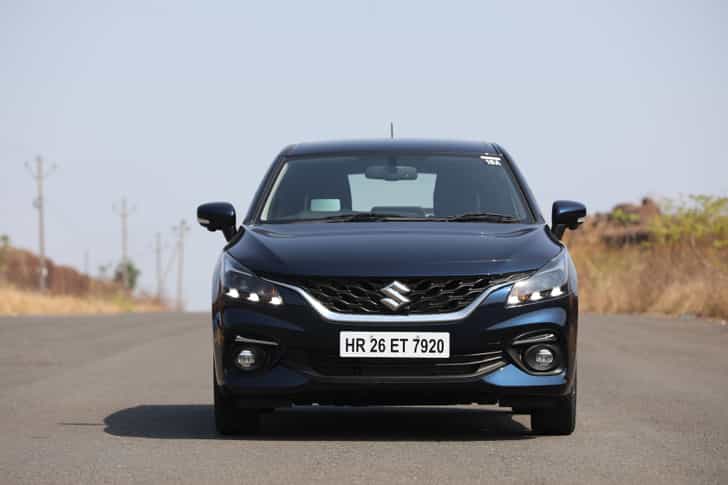
Based on what you felt during the test drive, we would suggest going for the Maruti Suzuki Baleno. The fact that you found it more comfortable and the engine smoother is very important, especially since this is your first car. The Baleno is easier to drive, feels more natural and refined, and for daily use, that makes a big difference.
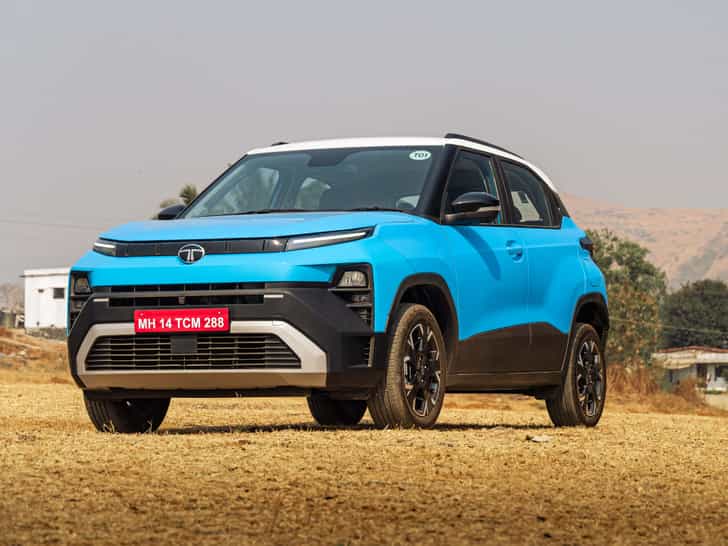
For a family of five, the Baleno also works better. It offers a more spacious rear seat, feels wider, and overall comfort for passengers is better than that of the Tata Punch. The Punch, as you noticed, feels a bit tall and boxy, and the body roll you experienced is normal because of its higher stance.
The Punch is a good car in terms of package and build, but it is better suited if you prioritise bad roads and a higher driving position. For regular city use and comfort, the Baleno is the more sensible choice.
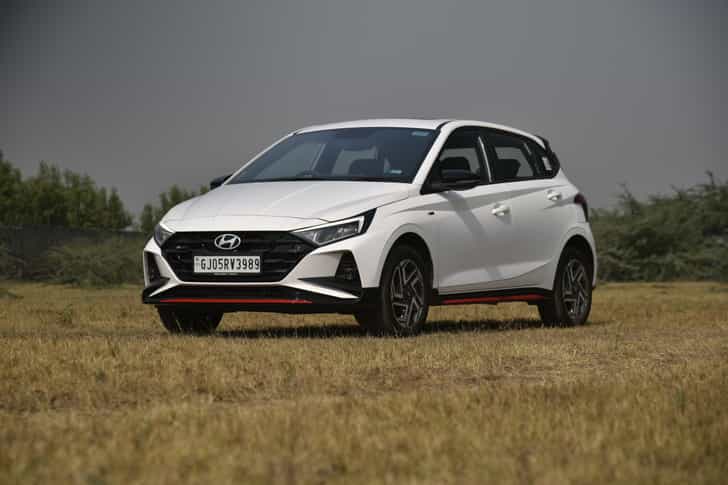
Regarding the Hyundai i20, you are right that it is more expensive and slightly lower on efficiency. However, it is also a very refined and premium option. If your budget allows, it is worth a look, but it is not necessary since the Baleno already fits your needs very well.
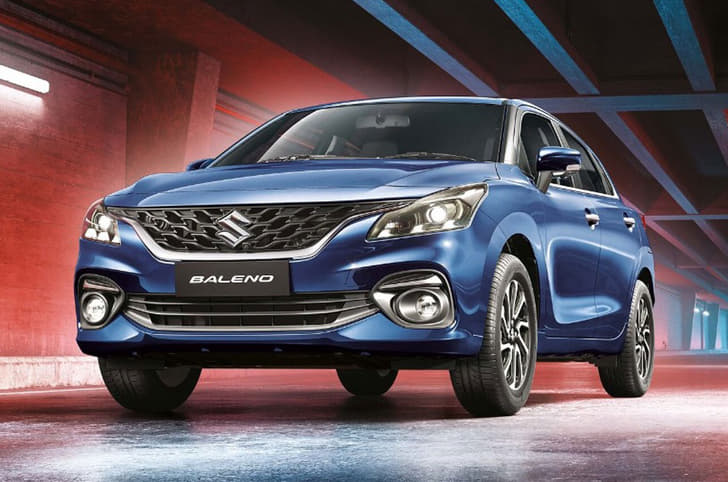
Maruti Suzuki Baleno

Maruti Suzuki Baleno

RC

RAJIB CHOUDHURY

1h

Considering to buy a compact SUV within 10.50 lakhs in 2026. Will Brezza facelift (about to launch) be a wiser/prudent decision or amongst kylaq / fronx ? Kindly suggest

MS

Mythical solution

14m

Really try with tata sierra

More questions on similar cars

SN

Satish Nagaraj

4d

Planning to buy an automatic hatchback under ₹11 lakh. Please advise which is the best in terms of ride, mileage, smoothness, etc.

Autocar India team

Autocar India

Verified
1d

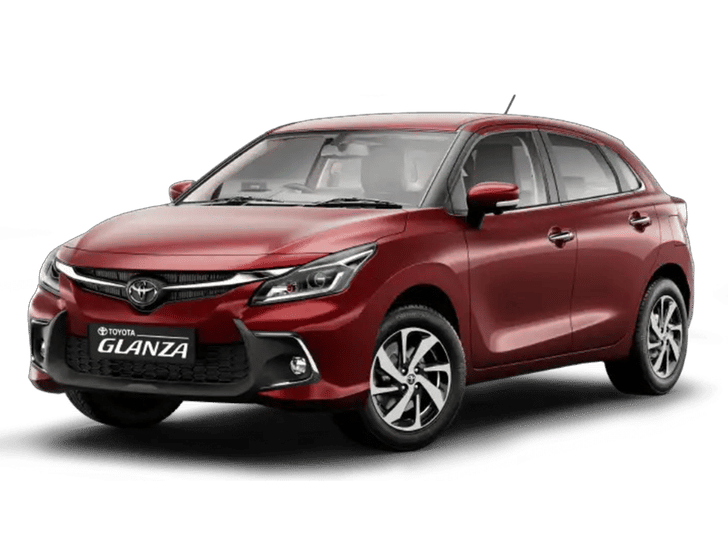
There's actually quite a variety of automatic hatchbacks within your budget. The Maruti Suzuki Baleno and its twin, the Toyota Glanza, are well-rounded products. Good ride comfort and excellent fuel economy are highlights, and the AMT gearbox is good enough for average driving. However, gearshifts aren't the smoothest, and you'll feel this over a quick overtaking manoeuvre. If you are open to the Citroen brand, the C3 is a great option. Its 1.2-litre engine and torque converter auto gearbox combo is excellent, and ride comfort is also very good.You could also look at the Tata Altroz DCA in Creative S trim. The dual-clutch auto gearbox is very smooth and well-suited to city use. There's also a toughness to the package that gives great confidence at highway speeds.We are also fans of the smooth and polished Hyundai i20 CVT, but the Sportz(O) that fits your budget isn't an ideal choice as it misses out on the safety of a rear wiper. Finally, if you have the option to install an EV charger at home or office, the Tata Tiago EV is also an option to consider. Being all-electric, it's super smooth and very refined. However, it works best as a city car.

VehicleMaruti Suzuki Baleno
VehicleToyota Glanza
VehicleCitroen C3
VehicleTata Altroz
VehicleHyundai i20
VehicleTata Tiago EV
AP

A P RAVINDRANATH

2d

What is the ideal tyre pressure for the Maruti Suzuki Baleno during city driving with two occupants? Is the recommended 29 PSI by Maruti suitable, or should it be adjusted? Also, what tyre pressure would be ideal for occasional highway trips?

Autocar India team

Autocar India

Verified
1d

For a Maruti Suzuki Baleno with two people in the city, set 29 PSI in all four tyres, checked cold; for occasional highway runs with two onboard, use 30-31 PSI cold. Maruti’s placard (fuel-lid/door frame) for most Baleno trims lists 29 PSI for normal load, which balances ride comfort and steering feel in city speeds under 60 km/h. On highways, adding 1-2 PSI helps the tyre run cooler (due to less sidewall flex) at sustained 80-100 km/h and can improve straight-line feel slightly without making the ride harsh. In fact, a note, most people fearing high speed blowouts lower tyre pressure on highways, this is very dangerous and can actually lead to blowouts on older and weaker tyres, due to heat build up. This happens as with lower pressures, sidewalls flex a lot, leading to internal friction. Thus, raising pressure by 1 or 2 PSI is actually better. If you’re carrying 4-5 people or luggage over 50-80 kg in the boot, go to 32 PSI cold. Always set pressures cold (after the car has been parked for at least 3 hours or driven under 2 km), because heat can raise readings by 2-3 PSI; don’t bleed air from hot tyres.The one thing you give up by running 30-31 PSI on the highway is a touch of softness over small bumps; expect a firmer feel over sharp joints compared to 29 PSI.Once a month, use a digital gauge with ±1 PSI accuracy, check all four tyres and the spare, and rotate every 8,000-10,000 km to keep wear even and pressures consistent.

VehicleMaruti Suzuki Baleno

Posted on: 21 Mar 2026