Autocar India
11w

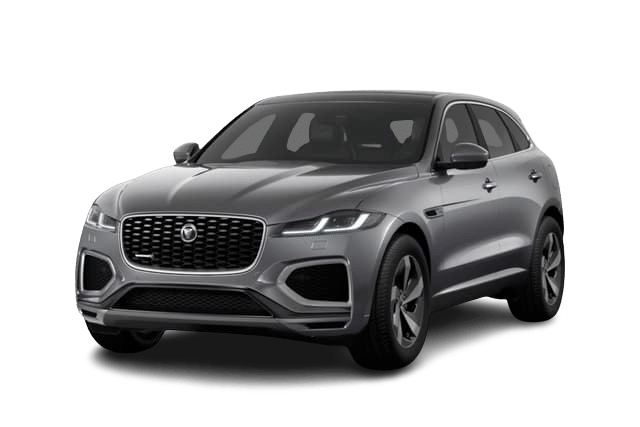
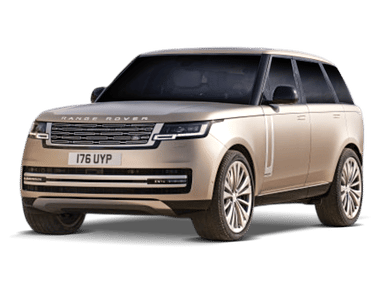
I am confused between the Range Rover Velar and the Audi Q8. I am aware of the price difference and engine options. I would like an opinion on which one would be better for long-term ownership.

Verified
11w

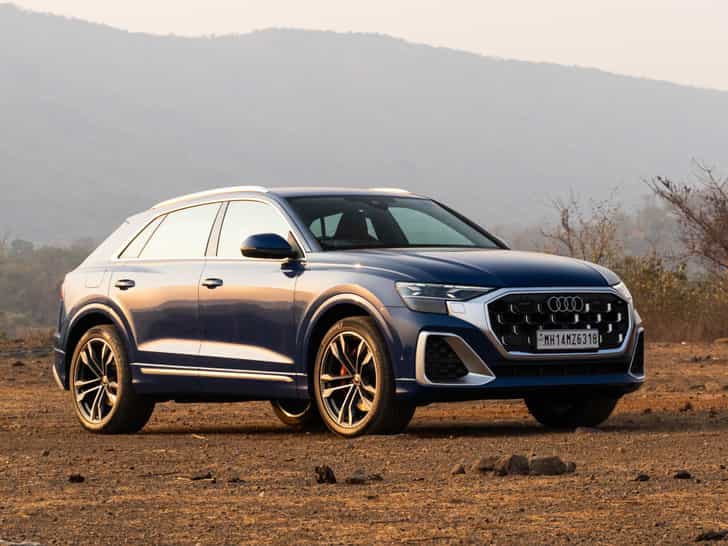
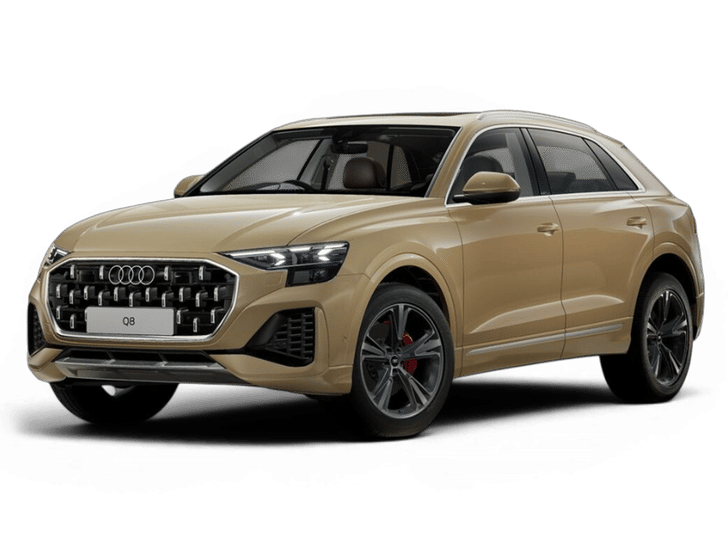
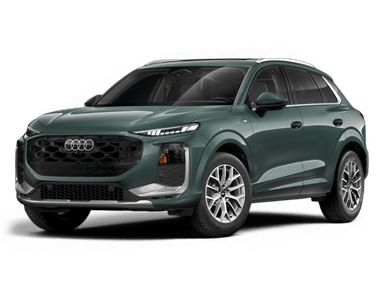
The two luxury SUVs belong to slightly different segments, with a roughly Rs 30 lakh price difference. That said, of the two, we would lean towards the Audi Q8 for long-run peace of mind in India. The Q8 tends to have fewer small issues as the years add up, its electronics feel better sorted, and the engine-gearbox feels very smooth even in slow traffic and in our heat. Audi also has a wider service reach in most cities, and parts supply is usually quicker, which matters when you want the car back on the road fast after a service or repair. Besides, you get a more powerful 6-cylinder engine and far more interior space.

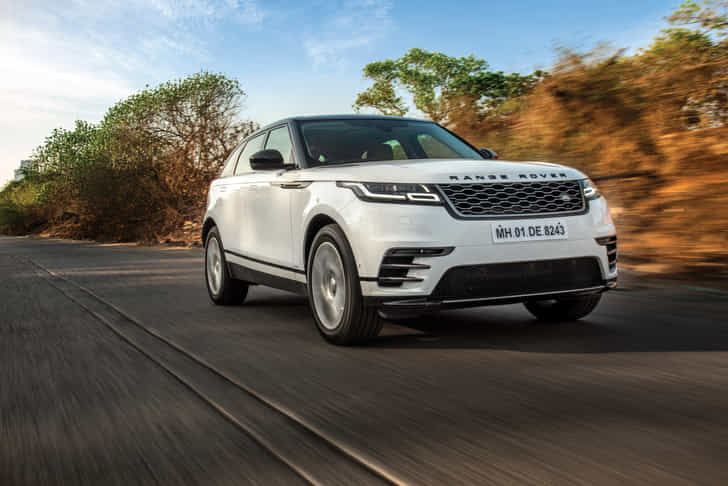
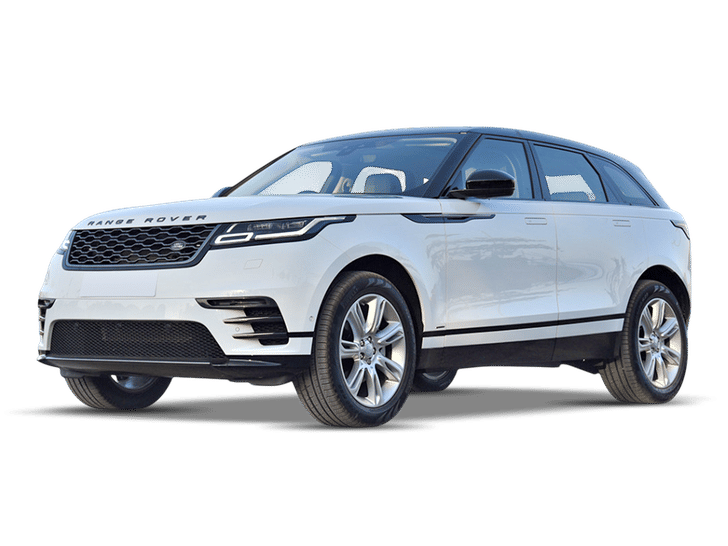
There are trade-offs. The Q8 costs a fair bit more and it is a large car to park in tight spaces. Running costs will be higher than the Velar, especially if most of your use is in the city. The Range Rover Velar is more of a style statement, inside and out, and while you miss out on a six-cylinder engine, what you do get is a diesel engine option. 
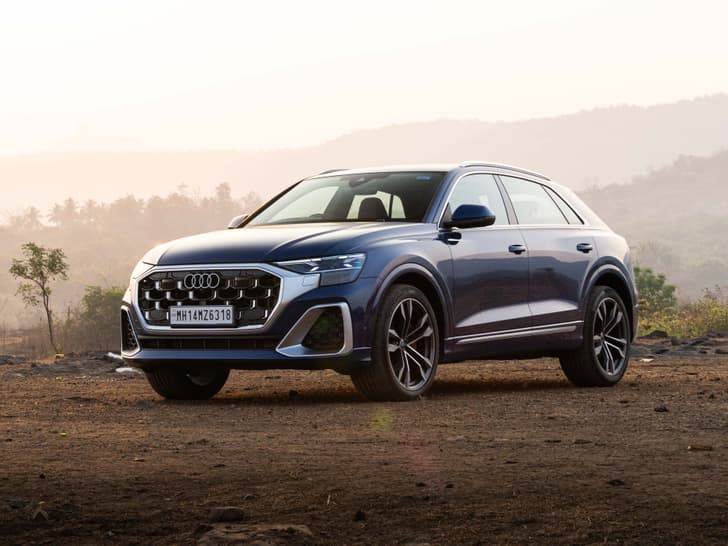
Audi Q8

Audi Q8

More questions on similar cars

17h

I am planning to buy an electric car with a budget of around Rs. 30L as a family car. Which EV offers the best value for money in this price range? I also want to consider its resale value after 5-6 years. Which model would you recommend?

Verified
7h

The best all-rounder when it comes to EVs at the Rs 30 lakh price range is the Mahindra XEV 9S. For one, it's a large vehicle with three rows of seats, giving you maximum space at this price. You also get plenty of choice in the form of three battery pack options, depending on your requirement, and on top of it all, it's loaded with features. For Cars Under 30 lakhs, you could get one of the top two variants - Pack Three or Pack Three Above - with all the bells and whistles and the largest battery pack. It also packs in strong performance, with a 286hp motor mounted on the rear axle, as well as good range from the large battery - around 480km in real-world usage. Another strong option is the newly launched Tata Sierra EV. While not as large as the XEV 9S and without the third row of seats, its front and second row are incredibly spacious and comfortable, and it has a large boot too. The better news is that you get the top variant at around Rs 28 lakh, on road, and this not only gets you a similar feature set to the Mahindra, but also a battery and range figure that's almost as good. Moreover, this also gets you a dual-motor AWD setup with even greater performance. In outright terms, the seven-seat XEV is a better value, but if you have no need for the third row, the Sierra might work better for you.Resale value on any EV at present is not going to be as good as an equivalent petrol car, due to various factors, such as uncertainty around the condition and quality of the battery after several years of use. With that in mind, a strong brand and popular model are likely to give a better resale value, and both these are popular models from popular brands, so they should be as good as it can get.

VehicleMahindra XEV 9S
VehicleTata Sierra EV
1w

I drive approximately 3,000 km per month, with the majority of my travel on highways. I'm looking to buy a 7-seater vehicle, preferably a diesel automatic or a long-range EV, that I can comfortably use for around 2 lakh km. One of my key requirements is that all three rows should offer comfortable seating, as the vehicle will often be used for family travel over long distances. I'm also concerned about the future of diesel vehicles in India, especially since I frequently travel to metro cities like Mumbai, Pune, and Ahmedabad, although I live in a Tier-2 city. My budget is around 27 lakh. Considering my driving pattern, long-term ownership plans, reliability, running costs, comfort, and future regulations, which vehicle would you recommend?

Verified
10h

With 3,000km a month and mostly highway driving, a diesel automatic is still the most sensible choice. At Rs 27 lakh, the Kia Carens Clavis diesel automatic is the best fit. It is one of the few cars in this price range that genuinely offers comfortable seating in all three rows, which is critical for long family journeys. The diesel engine is refined, efficient and well-suited to high-mileage highway use, and the automatic gearbox is smooth and reliable. Kia's service also has a good reputation in India.Alternatively, consider the Mahindra XUV 7XO. It has a more powerful diesel engine, is packed with features and rides superbly. However, its third row is not as accommodating as the above-mentioned Kia car.An electric car can work for your needs, but you will need to plan your stops around charging. Charging infrastructure is improving, but it is still inconsistent in places. Overall, the Kia Carens Clavis diesel automatic is the best fit for your needs.

VehicleKia Carens Clavis
VehicleMahindra XUV 7XO

Popular discussions right now

Posted on: 30 Apr 2026