Latest questions answered by experts
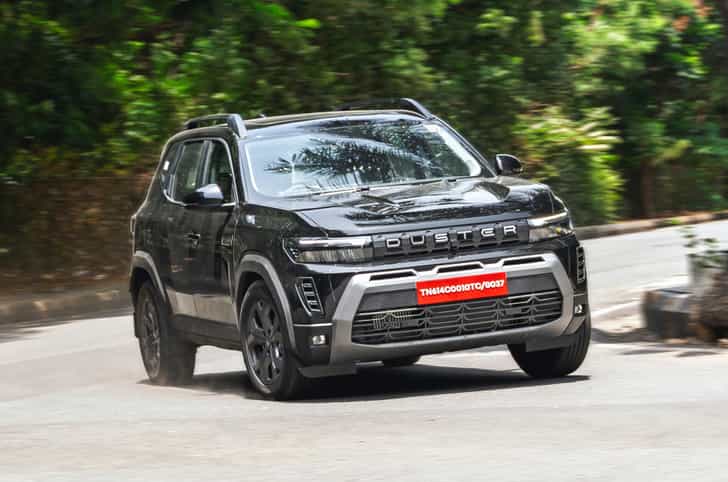
Hi Autocar, I’m unable to decide between the Renault Duster 1.3 petrol DCT Iconic and the Duster Hybrid Emotion. While I like what the hybrid has to offer, the current discounts on the petrol variant put the on-road price difference at close to Rs 3 lakh, which makes me question whether the hybrid’s additional upfront cost will ever pay off. My usage would be around 60 percent highway and 40 percent city, and I expect to drive about 7,000 km a year. Beyond the pure price equation, is there anything about the hybrid that should make me consider it?
With your annual running of just 7,000km, the Duster Hybrid's extra Rs 3 lakh is unlikely to be recovered through fuel savings alone. However, the hybrid does have a significant advantage in city driving: based on our tests, the real-world fuel efficiency difference between the 1.3 turbo petrol DCT and the hybrid can be around 10kpl in the city. That is a substantial gap, especially if a third to two-fifths of your driving is in town.The hybrid also has advantages beyond economy. Its 160hp powertrain is more powerful and refined, delivering strong acceleration while keeping the ride and handling excellent. It's also a good highway cruiser, so you're not sacrificing performance for better mileage.However, because you cover 60 per cent of your distance on highways, the fuel saving will be smaller than it would be for someone who drives mainly in the city. The petrol DCT is also significantly more efficient on the highway than in town, returning 13.47kpl in our test, but its overall tested average was 10.47kpl.If you value the hybrid's refinement, performance and city efficiency, it is worth considering. But at just 7,000km a year, the Rs 3 lakh premium is difficult to justify on fuel savings alone.

Upcoming launch buzz
Community discussions on upcoming launches
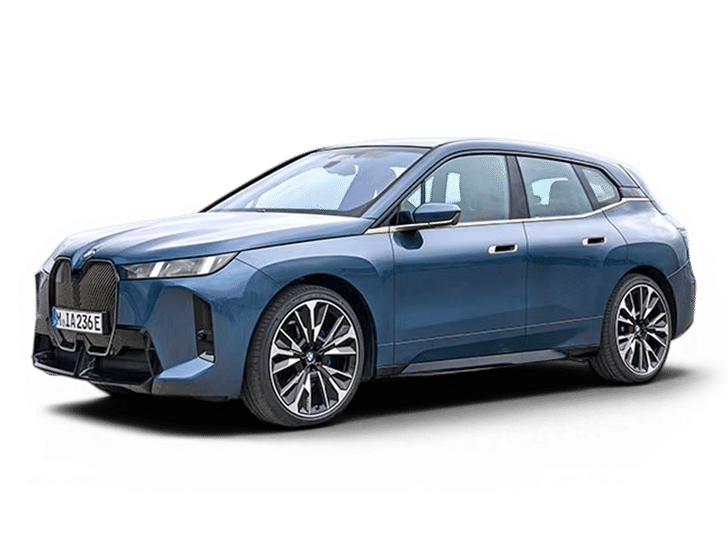
BMW
iX facelift
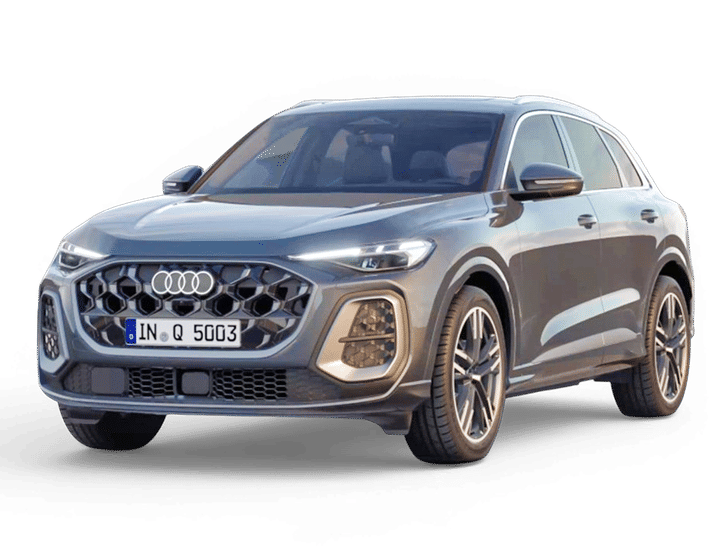
Audi
New Q5
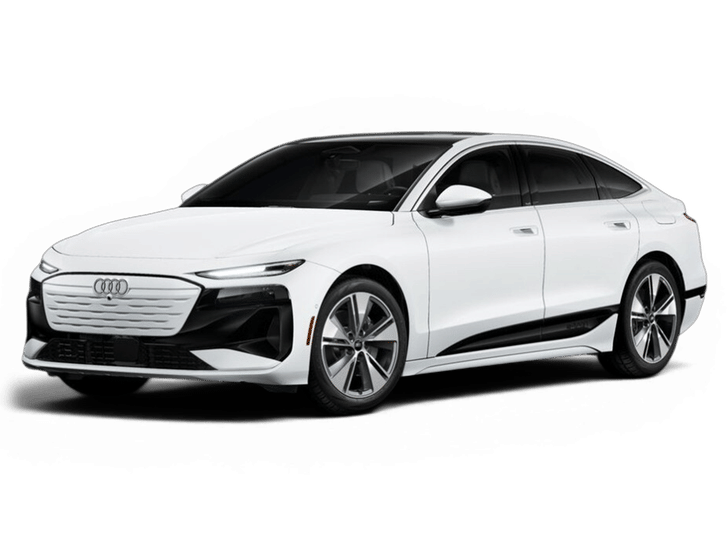
Audi
A6 e-tron
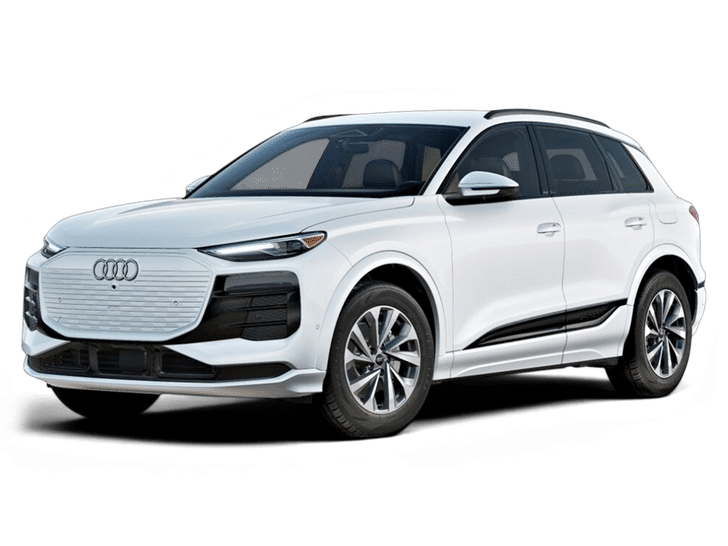
Audi
Q6 e-tron
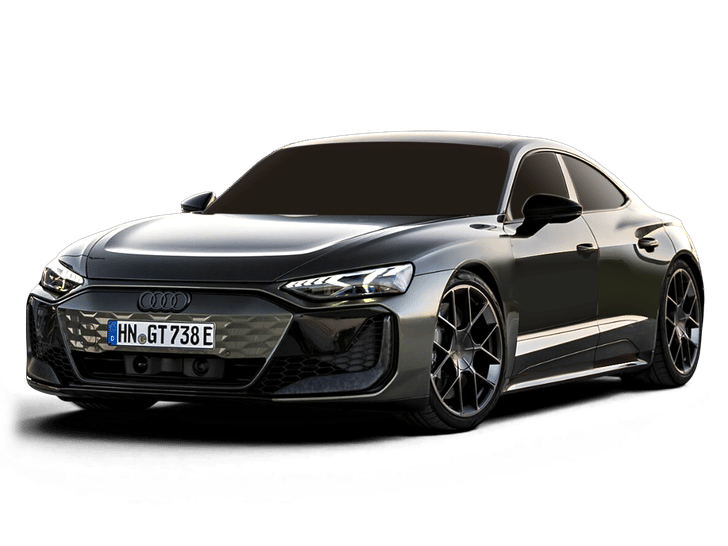
Audi
e-tron GT facelift
Volkswagen
Virtus facelift

Vinfast
VF5
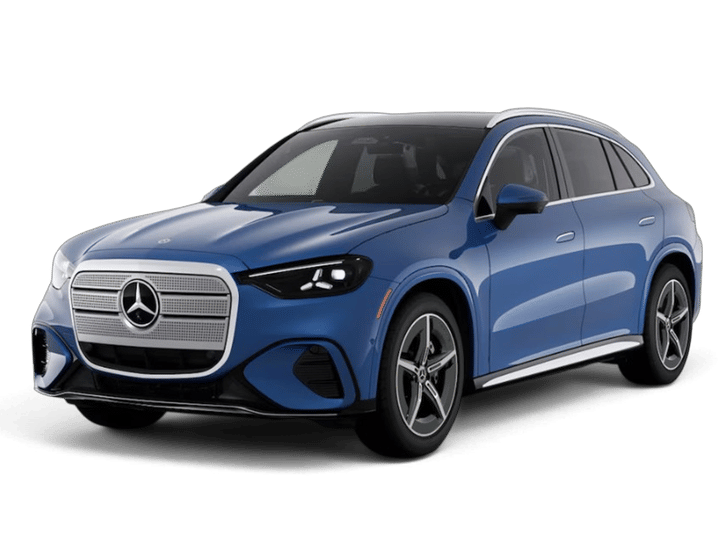
Mercedes-Benz GLC
Electric
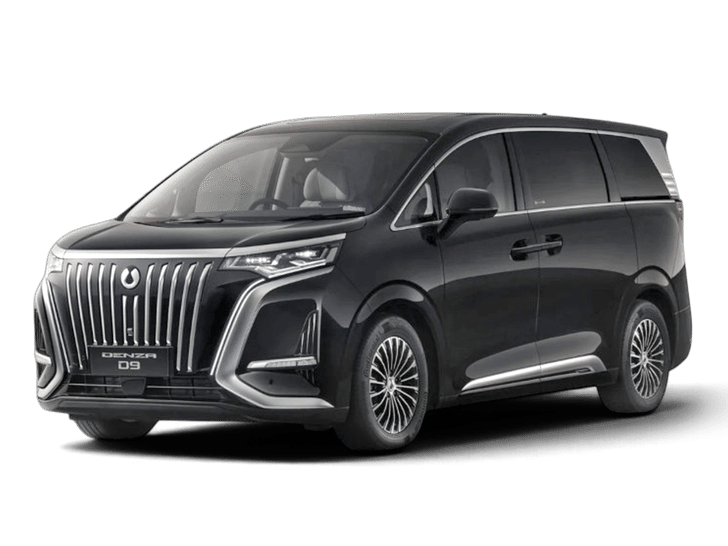
Denza
D9
Tata
Safari EV
I’m looking for a family car with good suspension and strong performance, especially considering that elderly family members will be travelling regularly. Would the Skoda Slavia 1.5 DSG be a good choice?
Absolutely, the Skoda Slavia 1.5 TSI DSG would be a good choice for your requirements. It has a comfortable ride, while the 1.5 TSI engine paired with the dual-clutch automatic delivers strong performance, which is one of your primary requirements. Unlike traditional sedans, the Slavia also has generous ground clearance, so it should handle speed breakers and uneven roads well. You also sit higher than in many traditional sedans, which should make it easier for elderly family members to get in and out too.
I am planning to buy a new car and am considering the Honda Elevate VX manual. The colour I want may be available in a month or two. In the meantime, I am wondering whether I should consider the diesel Kia Seltos HTE (O) instead. I don't commute daily and mainly use my car on weekends, sometimes with my family, for city drives and occasional picnics. However, given the rising fuel costs, I'm considering the Kia diesel. What would you suggest?
Given your limited driving, a diesel car does not make financial sense. Since you primarily use your car at weekends for family outings, city drives and occasional highway trips, the additional upfront cost of a diesel is unlikely to be offset by fuel savings.If you prefer the Kia Seltos, we would recommend the naturally aspirated petrol version instead. It is smooth and easy to drive in the city and has enough performance for occasional highway runs, while saving you a healthy amount upfront compared to the diesel.The Honda Elevate VX MT is an excellent alternative too, with its spacious cabin, comfortable ride and straightforward petrol powertrain. Our recommendation would be to choose between the Elevate and the Seltos petrol based on your preferences for driving experience, features and comfort, rather than buying a diesel purely to save on fuel costs.
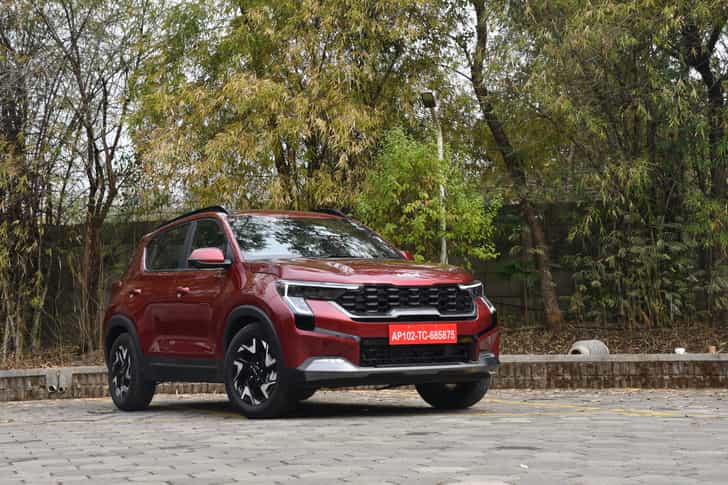
I am planning to buy the Kia Sonet HTK (O) with the DCT automatic transmission, which costs around Rs 11.5 lakh on-road. Should I wait for the next-generation model, which is expected to arrive in January 2027? Will the new generation be priced in a similar range, as we have seen some manufacturers maintain similar prices across generations, as with the recent Honda Elevate?
If you are not in a hurry, it makes sense to wait, although there is no official confirmation that the next generation Kia Sonet will launch in January 2027 or even within the first half of the year. The current Sonet is already priced at the premium end of the compact SUV segment, so we do not expect a significant jump in its starting price, although higher variants could become more expensive.The next generation is expected to move to the newer platform used by the Hyundai Venue, which could address one of the current Sonet's weaknesses: rear seat space. If you regularly travel with family, that improvement could be worth waiting for. However, if you are happy with the current car's cabin space and features, the Sonet HTK (O) DCT remains a competent option at around Rs 11.5 lakh on-road.
I am planning to buy a diesel SUV with a budget of Rs 20 lakh. My annual running is around 30,000km. Which vehicle would you recommend for my requirements?
With annual running of around 30,000 km and a budget of Rs 20 lakh, we suggest choosing between the Kia Seltos diesel manual and the Tata Sierra diesel manual. Both make sense for high-mileage users, but they have different strengths.The Tata car mentioned above is a comfortable highway cruiser, with a spacious cabin, a large boot and adequate performance for long-distance driving. The Seltos, however, is the more rounded product, with a more refined diesel engine and a premium-feeling cabin. Kia's established service network should also make ownership more reassuring over the long term.The Creta diesel is another option if you prefer Hyundai, although the Kia car mentioned above feels more premium inside and offers more generous cabin space.
Dear Team, I am planning to purchase an automatic petrol SUV priced under Rs. 20 lakhs. While I have been researching the Tata Sierra petrol automatic, I do have some concerns regarding their after-sales service. My key requirements are as follows: ● Seating Capacity: Comfortable seating for 4 to 5 adults ● Vehicle Segment: Mid-size SUV (non-compact) ● Safety: High safety standards and build quality ● Key Features: 360-degree camera and other modern amenities Could you please recommend the best car options that align with these specifications?
The Kia Seltos 1.5 petrol IVT would be our easiest recommendation for your requirements. It feels premium inside and out, has a comfortable ride and offers enough space for four to five adults, although it is not as spacious as the Tata Sierra. Kia also has a well-established after-sales network, which should help address your concerns about long-term ownership.The Seltos's naturally aspirated 1.5 litre petrol engine is refined and, paired with the IVT automatic, delivers smoother performance in everyday driving than the Sierra's 1.5 litre naturally aspirated petrol with DCA. The Seltos also feels more responsive, particularly when you need to accelerate for an overtake. Its five-star crash test rating is another plus, while higher variants offer features such as a 360-degree camera.
Hi there, My new job requires a daily commute of 60 km. I’m looking for an electric car with a budget of up to Rs 10 lakh. Please suggest some options.
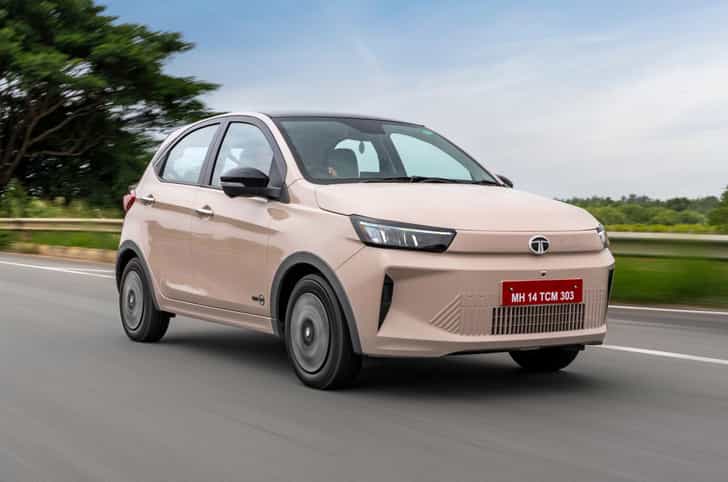
The Tata Tiago EV Pure Plus with the larger 24kWh battery pack would be our recommendation for your daily 60km commute, and it just about fits in your Rs 10 lakh budget. It is easy to drive in city traffic, has low running costs and offers enough range to comfortably cover your daily travel without needing to charge after every trip.With home charging, you can simply plug it in overnight and start each day with a sufficient charge. The larger battery also gives you more flexibility for unplanned journeys than the smaller battery option.

Hi Autocar team, I’m looking to buy a Kia Syros EV. At present, I have a six-year-old Honda WR-V diesel. Is the Syros EV a good choice? I’ve test-driven it and am satisfied with its performance and legroom. I’d also appreciate your suggestions on which variant to choose.
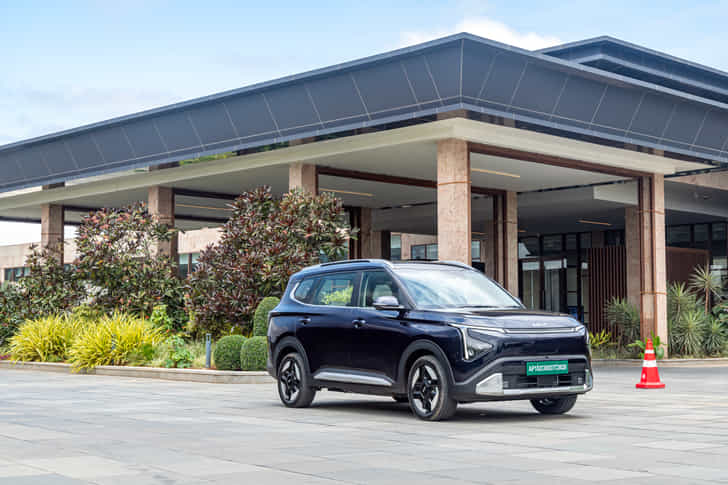
The Kia Syros EV makes sense as an upgrade from your Honda WR-V diesel, especially since you have already driven it and are happy with its performance and legroom. For the variant, we would look at the HTX, which gets useful comfort and practicality features such as sliding and reclining rear seats, a rear centre armrest and a 60:40 split rear seat. It is available with both the 42kWh and larger 51.4kWh battery, so you can choose based on your range requirements and budget.The HTK+ is worth considering if you want to keep costs down, but it misses out on the sliding rear seat and some of the other comfort features. The HTX+ adds ventilated front seats, a powered driver’s seat and a premium audio system, but costs more. The top X-Line adds ADAS and other cosmetic features that may not be essential for everyone.
I’m confused between the Maruti Suzuki Dzire ZXI+ AMT and Honda Amaze VX CVT for my first family car. Both have an on-road price of around Rs. 11 lakh. But, the Dzire offers more features, including a 360° camera, sunroof, and TPMS, while the Amaze has a CVT transmission and a good reputation for reliability. Which one would you recommend for a first family car?
For a first family car, we would lean towards the Honda Amaze VX CVT. Its CVT is noticeably smoother than the Dzire’s AMT, especially in stop start traffic, and the more relaxed transmission makes it easier to live with. The Amaze also has a larger 416 litre boot, which is useful for family trips.The Maruti Suzuki Dzire ZXi+ AMT counters with more features, including a 360 degree camera, sunroof and TPMS, along with better fuel efficiency. However, its AMT has noticeable pauses between gear shifts, whereas the Amaze’s CVT feels more seamless.
How long will Volkswagen Taigun parts be available, given that the company might be taken over by JSW?
You should not worry too much about spare parts availability for the Volkswagen Taigun. Even if JSW takes a majority stake in Volkswagen's India business, it is unlikely that existing owners will suddenly lose access to parts or servicing. The proposed partnership is aimed at strengthening the business, not shutting it down. The final terms and structure are still being worked out.

Hi, Autocar India, Currently, I have the 2020 Venue diesel. Now I, want an electric SUV. Also, I like XEV 9S but I am skeptical about waiting for BE7 but idk if i should wait or not also its easy for me to buy XEV9S with BAAS. Please suggest, should I wait for BE7 or buy XEV9S?
The XEV 9S is already on sale, offers strong performance and plenty of space, and BaaS reduces the upfront cost by separating the battery financing from the vehicle. Just remember that the battery cost is still payable through a separate finance arrangement, so compare the total outgo over your intended ownership period.The BE 07 is expected to launch in 2027 and will be a five seater, positioned above the BE 6. It is likely to share the existing INGLO platform and battery options, but its final price, range and specifications are not confirmed. Since you are coming from a Venue diesel, the XEV 9S will be a substantial upgrade in space and performance.
Hi Autocar India, I am planning to buy Grand Vitara Strong Hybrid around Diwali. Does Maruti have plans for any facelift or should I buy it?
If you are planning to buy the Maruti Suzuki Grand Vitara Strong Hybrid around Diwali, there is no need to wait for a facelift at this point. An update does not appear imminent, and even if Maruti is planning one, expect it to arrive only around mid 2027 at the earliest.The current Grand Vitara Strong Hybrid remains a good choice if fuel efficiency, particularly in city driving, is your priority. Waiting several more months for an unconfirmed facelift may not be worthwhile, especially if the current car meets your requirements.
Which is best 7 seater EV SUV that offers value for money. It should be spacious and performance. I am looking for long term ownership.
The Kia Carens Clavis EV is the best fit for your requirements, even though it is an MPV rather than a traditional SUV. It offers three usable rows, good comfort across the cabin and strong performance, making it a practical choice for a family looking for a seven seater EV within a Rs 15 lakh to Rs 20 lakh budget. The lower variants are the ones to consider to stay within budget.The other option is the Mahindra XEV 9S, which is a proper electric SUV with stronger performance and more SUV-like styling. However, its third row is not as spacious or comfortable as the Clavis EV's, and it is also more expensive.

I m thinking of an upgrade while still continuing with the swift LDI 2009. I have few options in mind and need your suggestions. 1. Mahindra XUV7XO: Because of great engine, space and relatively lower cost of ownership and maintenance while keeping it for at least 10 years. 2. Volkswagen Tayron: I like the car because of driving performance, luxury quotient and space for family. Only thing I dont like is absence of physical buttons. 3. Kodiaq L&K: Same positives as Tayron. I also like its interiors and colour combination however I m leaning more towards Tayron for its sporty performance. But with both these, I m concerned about how will it behave in long run on our bad road and what will be the cost of owning it in long term of at least 10 years compared to xuv 7xO. Please help.
If you intend to keep your next car for at least 10 years, the Mahindra XUV 7XO is the more sensible choice financially, while the Volkswagen Tayron and Skoda Kodiaq L&K are more appealing if driving performance, cabin quality and a premium feel matter more to you.The Tayron and Kodiaq offer a more sophisticated driving experience, but their long term maintenance and repair costs are likely to be considerably higher than the Mahindra's, particularly once the warranty expires. On bad roads, all three can cope with normal use, but the European SUVs' larger wheels and lower profile tyres can make potholes more expensive to deal with.The XUV 7XO offers strong performance, good space and a wider service network, making it easier to justify over a decade of ownership.
Hi, I am looking to purchase a second car exclusively for commute to work. I travel 40 km daily (Mon-Fri). I have a Kia Carens DCT for other trips. Now, I am looking for a small Petrol AMT/EV with good mileage and rear-seat comfort. Should I go for Tiago EV base variant or look into petrol AMT of 4-m cars?
The Tata Tiago EV is an excellent fit for your daily 40km commute, especially since you already have a Kia Carens DCT for family trips and longer journeys. The Tiago EV is built around exactly this kind of urban use, with light controls, good visibility, a plush ride and low running costs. The 2026 update has also improved seat comfort and added rear AC vents, making it a more comfortable everyday car. Autocar India.With home charging, you can charge overnight and avoid petrol station visits altogether. The 24kWh version has a claimed range of 285km, with around 200km being a more realistic expectation, so your weekday commute should be easy to manage. The main thing to check is rear seat comfort in person, as space is adequate rather than generous.
Need expert advice?
Ask the Autocar community and experts.