Latest questions answered by experts
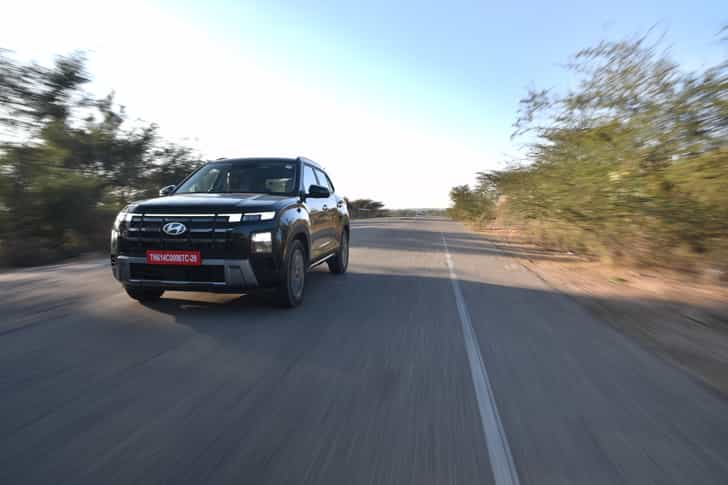
Hi! I am planning to buy my first car. My budget is around Rs. 15-16 lakh, and my monthly running would be less than 500-600 km, with around 60% of it on highways. I am confused between the Venue N Line N6 manual (I might consider the automatic if it fits within my budget) and the Creta EX(O) Summer Edition manual. My mom and dad really liked the Creta, but I felt the Venue N Line N6 offered better value for money. Which of these two would be a better option for my requirements?
The Hyundai Creta EX(O) Summer Edition manual is certainly the more sensible choice - it is a larger, more spacious car with a larger 1.5 petrol engine. It even has a bigger boot, making it the better family car. However, if this car is exclusively going to be used by you, we'd recommend the Venue N Line N6 for its sporty and fun-to-drive nature. The 1.0-turbo is strong, and the dual-clutch automatic transmission will be very convenient while driving in city traffic.In summary, the Creta petrol manual is a better family car, but as your first car, the Venue N Line DCT will not only be more convenient to drive but will also feel more special.
I was previously driving a Dzire and now want to switch to a new car. I can afford up to Rs. 16-20 lakh. I am looking for better interior comfort and a powerful engine, and an automatic is a must. Mileage is not a major concern. My options are the Seltos, Creta, Sierra, and Tekton. Please help me choose the better option.
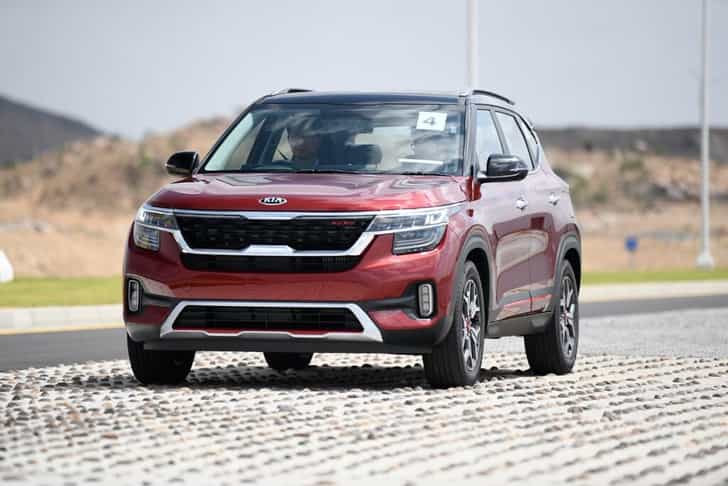
Go for the Kia Seltos turbo petrol automatic. Coming from a Dzire, you will immediately notice the step up in comfort, refinement and overall premium feel. The Seltos offers a well-balanced package with a comfortable cabin, good rear seat space and a strong turbo petrol engine that delivers the performance you are looking for. The automatic gearbox is smooth and well suited to both city and highway driving, and Kia's service network is strong enough to make ownership relatively hassle-free.The Hyundai Creta is a very similar car mechanically, but the Seltos feels slightly more premium inside and offers marginally better rear seat space. The Tata Sierra is a genuinely interesting alternative with a spacious cabin and a comfortable ride, but it does not have the same long-term ownership track record as the Kia. The Nissan Tekton is a good value proposition, but Nissan's service network is not as extensive as Kia's, which can be a consideration for long-term ownership.Overall, the Seltos turbo petrol automatic strikes the best balance between comfort, performance and ownership experience in your budget.
I own an Toyota Innova Crysta VX manual for the past 8 years that has completed one lakh km. I use it mostly for long distance and occasional city use. For most city driving, I have a Kia Sonnet automatic. Now, I am planning to buy an Toyota Innova HyCross. Should I go for the hybrid or NA petrol version? Also, can I consider Invicto for hybrid?
Given your usage pattern of predominantly long-distance driving with occasional city use, the strong hybrid HyCross is the more sensible choice. The hybrid system delivers its benefits in both city traffic, as well as on long highway runs, making the premium you pay for the hybrid totally worth it. The naturally aspirated petrol, while smooth, is a gas guzzler that only makes sense for extremely limited urban use.The Invicto is essentially the same car as the HyCross underneath, so it is absolutely worth considering if you prefer the Maruti dealership experience or find a better deal. The decision between the two should come down to pricing, availability and your preferred service network rather than the product itself.
Hi, I have a Kia Carens 1.5 turbo DCT and an Xcent AMT. I am looking to replace the Xcent with an EV. My monthly running is around 20k km, with mostly city usage. I want a sporty EV in the Rs. 20-25 lakh price range that will be more enjoyable to drive than the Kia.
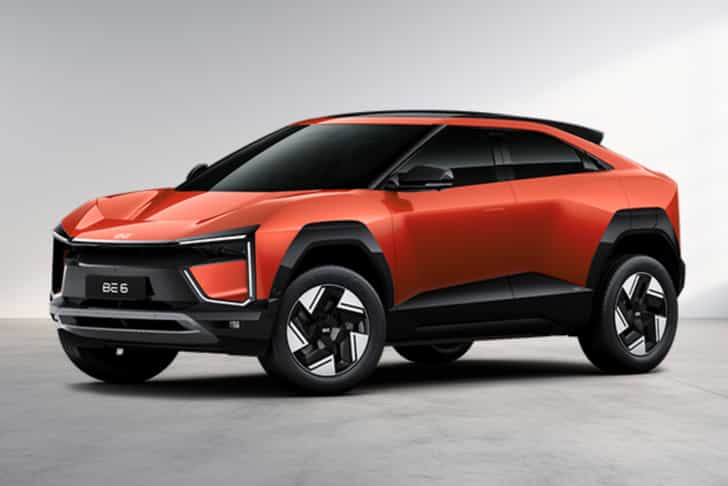
Since you're looking for a sporty EV, we'd recommend that you consider the Mahindra BE 6 Sporteq. It is a standout EV that looks radical, is feature-loaded, and feels great to drive. This Mahindra is not only powerful but also very efficient, resulting in impressive real-world range. Since your usage is mainly within the city, and if you can arrange for home charging, you can opt for the 59kWh battery pack version for its lower purchase price compared to the higher battery options.The VinFast VF7 is also an excellent option; however, its sales and support network isn't as strong as Mahindra's, hence the BE 6 is the better option.

I am looking for a comfortable SUV for 2 people for regular commute. My budget is 20 lakhs and my monthly commute is around 2500km which involves 70% driving on highway and 30% in rural area of Karnataka.
Given your heavy usage, the majority of which is on the highway, we would recommend a diesel SUV. There are quite a few options in this price range, but we narrow it down to the Kia Seltos and the Tata Sierra. In your budget, you will get a mid-range diesel-manual variant of either of these SUVs, and each has its advantages and disadvantages. The Kia Seltos is the better all-rounder, with the more premium cabin, more refined and efficient diesel engine, as well as being easier to drive. The Tata Sierra, however, may feel like better value, thanks to its greater size and space, as well as more effortless diesel engine. Both are very comfortable, but for your largely highway use, the Sierra has the slight edge. With all these factors combined, we think the Tata Sierra Diesel MT is the best choice for you.
Help me choose the right car for my usage. Please be practical and challenge my assumptions. My situation: I am 31 and work as a software developer. I currently work from home in Balsane, Dhule, but I am moving to Mumbai around March. My wife and I are expecting a baby in February. My parents live in a village where local transport is poor. My Mumbai office is near Powai, but parking is difficult. I prefer a manual car. Usage: My current running is around 10,000 km per year, but it may increase. I travel between Mumbai and Balsane, which is around 400 km one way, around 5-7 times a year, along with Dhule/Sakri and local trips. I also drive around Mumbai on weekends. The AC is usually on, and on long trips, the car will have my wife, baby, and luggage. Budget: Rs. 6-9 lakh on-road. I am willing to spend more only if it is genuinely worth it. Shortlist: - Tiago XE Petrol - Punch Pure+/Smart Petrol - Punch Pure+/Smart CNG - Brezza LXi turbo-petrol Please tell me: 1. Which one should I buy and why? 2. Petrol vs CNG for my usage? The CNG premium is around Rs. 1 lakh, and the nearby village pump may open around Diwali, but this is not guaranteed. 3. What real-world mileage can I expect with the AC on? 4. Please consider loan interest, fuel costs, maintenance, depreciation, and resale value. 5. Is the Brezza worth the extra money? 6. Give me one final choice and tell me what I should avoid.
The Brezza LXI Turbo is far superior to the Punch and Tiago as far as smoothness, performance, and cabin space are concerned. It is also backed by Maruti's widespread support network, and the ownership experience is likely to be fuss-free. The on-road cost of the Brezza LXI will fall within your Rs 9 lakh budget, and even though you might miss a few features, it still feels worth opting for. Alternatively, you could also consider the Maruti Dzire VXI MT for its large boot, comfy ride and strong fuel efficiency.
Hello, I'm Pratik. I wanted to buy a bike mainly for city rides and occasional highway touring for a maximum distance of 500 to 600 km. I am not sure if I would travel any further. That's why I want a capable bike. For that I've chosen Suzuki V-Strom SX as my perfect pick but I'm getting confused as Autocar India suggested someone to wait for the 2027 update as Suzuki is working on new generation Gixxer 250. I am also confused as my father is suggesting Classic 350 because he says the parts availability will not be an issue and it's a tried and tested bike. Kindly help me as I can wait if there will be any update in V-Strom SX.
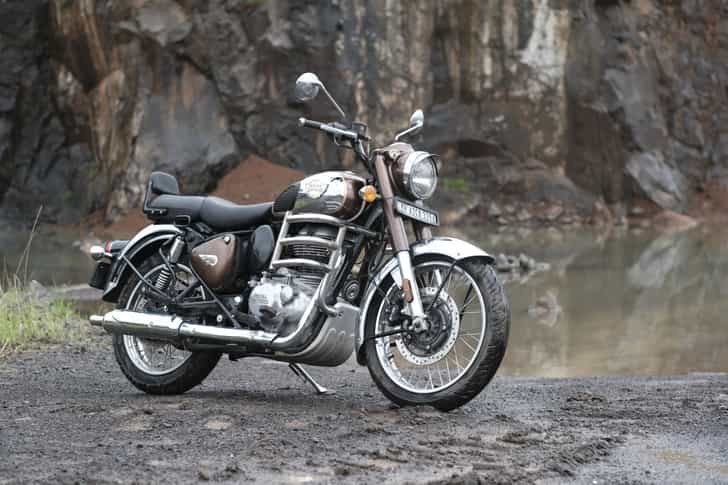
Suzuki is working on a next-generation Gixxer platform, which will spawn four models and this is likely to debut around the end of this year or in the first quarter of next year. Since the V-Strom SX is based on the same basic architecture as that of Gixxer 250, expect that bike to follow suit in due course as well. Given that the current V-Strom SX is a durable, reliable but simple and rather dated machine, it would make sense to wait for the new-gen model. The RE Classic 350 that your father has suggested is an excellent motorcycle although markedly different from the V-Strom in terms of the riding experience it delivers. This is a charming, laidback and reliable machine although it is on the heavier side. If you want something similiar to the Classic but lighter, look at the Honda CB350 models instead.If you need a motorcycle immediately, take a test ride of both the aforementioned 350s and pick based on your preference. If you can wait for some time, then waiting for the next-gen V-Strom SX would be advisable.
I am a 54 year old lady who wants to buy a car for daily commute to office that is around 20 km from my place in a small town. I have plans of occasionally driving 300 km in a month. My budget is between Rs. 8 and 10 lakhs. Suggest me the best option.
Go for the Maruti Suzuki Swift. It is the most sensible choice for your requirements, as it is easy to drive, reliable and efficient. The Swift is compact enough for city use, has a light steering and smooth controls, which makes it very easy to drive. It is also spacious and comfortable enough for your occasional 300km drives. Maruti’s service network is excellent, especially in smaller towns, and the car is known for its low maintenance costs and strong resale value. The petrol engine is refined and efficient, and the car offers a good balance of comfort and practicality within your budget. It is simply the most hassle-free ownership experience for your needs. An alternative is the Hyundai Exter, which has a taller seating position and better visibility, but the Swift is overall the more premium, efficient and value-for-money option.
Hi Autocar India, I’m confused between the V-Strom SX 250, Speed 400, and Scrambler 400 X. I’m 193 cm tall and weigh 103 kg. I’ll mainly be riding 50-60 km per day in city traffic and on broken Kerala roads, usually at speeds below 90 km/h. I do very little touring, no off-roading, and occasionally carry a pillion. I love the agility and cornering ability of my SF150 and want a genuine upgrade without high ownership stress. Which one would you choose specifically for my usage? Please don’t give a generic “all three are good depending on preference” answer. Compare their real-world comfort, handling, suspension, maintenance, and compromises for my use case.
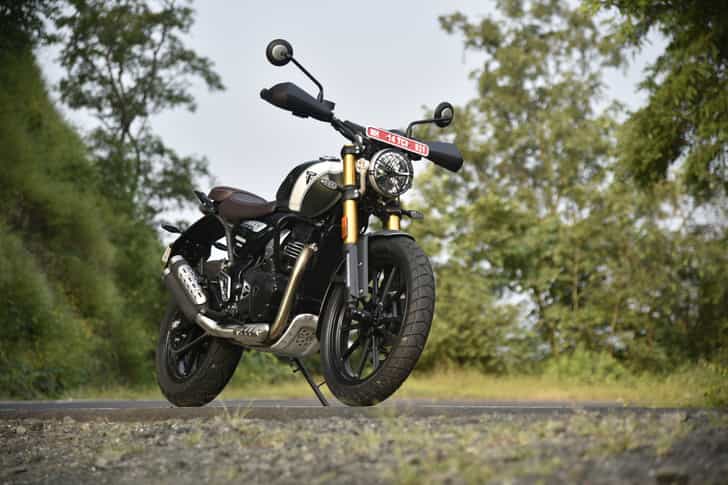
Considering your build and your specific needs as well as usage, we'd recommend choosing between the Triumph Scrambler 400 X and Suzuki V-Strom SX. Given that you travel with a pillion occasionally and want an upgrade from your current 150cc bike, both will offer a step up, although to varying degrees.The V-Strom SX offers trademark Suzuki strengths like being easy to ride, inexpensive to own, good fuel efficiency if ridden sensibly and being a reliable machine that will last you for many years. Its compromises are that its smaller engine will obviously lack the poke of the bigger Triumph, and it is a simple machine with no real frills (which could even be considered a plus point if you like simple machines). The V-Strom is also far more affordable to purchase, which is a definite plus point for someone stepping up from a 150cc bike.The 350cc Scrambler 400 X will - unsurprisingly - offer more spirited performance and better high-speed manners given its more sophisticated chassis and will also feel like the better finished product of the two. Its handling is pleasantly engaging for the sort of bike it is, and since you mentioned you value those attributes in your current bike, this will appeal to you. Downsides to the Scrambler include higher ownership costs, lower fuel economy and its pillion perch is slightly smaller than the Suzuki's, although not bad in isolation.To make a definitive decision between the two, a test ride will be helpful.
I currently drive a 2022 Tata Nexon petrol manual and am based in Delhi NCR. My daily running is around 85 km, and I spend about an hour each day in bumper-to-bumper traffic. This makes driving difficult and tiring, so I am considering exchanging my car for an automatic. My budget, after factoring in the Nexon’s resale value, is around Rs. 12-14 lakh. I need an automatic that is reliable, fuel-efficient, and maintenance-friendly. I am currently considering the Punch EV, Nexon DCA, Brezza AT, and Elevate V CVT, as discounts make the Elevate fit within my budget. I mainly use the car for my office commute of around 85 km daily, with occasional weekend trips of 500-600 km. I have a family of four, and this will be my only car. My office has free EV charging infrastructure, which makes me consider the Punch EV. However, I am concerned about its range on longer weekend trips, so I am also looking at petrol alternatives.
Go for the Honda Elevate V CVT. With your 85km daily commute in Delhi NCR traffic, the CVT automatic will make a huge difference to your fatigue levels, and Honda’s reputation for reliability and low maintenance costs makes it a sensible long-term choice. The Elevate is also a genuinely comfortable family car for four, with a spacious cabin and a relaxed driving experience on both city commutes and weekend highway runs.The Punch EV is tempting given your office charging, but with regular 500- 600 km weekend trips, range planning and charging stops will add unnecessary anxiety. The Nexon DCA is a good upgrade from your current car, but the DCA gearbox is not as smooth or as proven as Honda’s CVT in heavy traffic. The Brezza AT is a solid, reliable option, but the Elevate feels like the more complete family car with better space and a larger boot.The Elevate V CVT is the car you will be happiest with after five years of ownership. It is reliable, easy to live with and well suited to your daily routine and family needs.
Currently, I own a Honda City V CVT. For me, this is the best car. I have driven around 16,000 km in last 2 years. However, now my running has increased to 200 km per day. I find EV more suitable for future. Kindly recommend me a good reliable EV or should I go for a diesel or strong hybrid?
With 200km a day, an EV only makes sense if you have reliable home charging and your usage is mostly predictable. Then too, such high usage will require frequent charging, which in turn will take a toll on battery health sooner, and this affects performance, range and resale value. A diesel or strong hybrid is the more practical choice for your usage - the diesel being better suited to greater highway use, and the hybrid to greater city use. The Kia Seltos diesel automatic is the best all-rounder. It is refined, efficient and will handle your daily mileage with ease. A strong hybrid like the Maruti Suzuki Victoris Hybrid is worth considering if your driving is a mix of city and highway, but at 200km a day, the diesel will still be more cost-effective. The Honda City Hybrid is a good car, but it is not as efficient on the highway as a diesel.
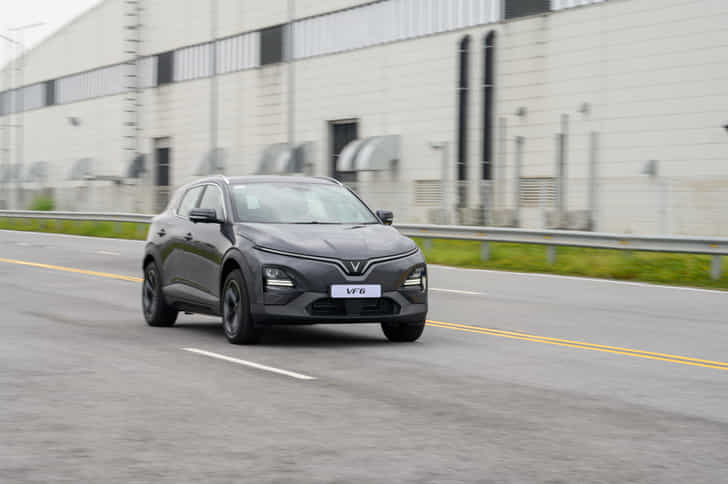
I am confused whether I should go for EV or not. I own 2 cars. One is an 8 year old i20 and other one is a 4 year old XUV 700 AX5 MT PTR. I am thinking of changing i20. Which EV will be suitable for highway and city use. I have driven Vinfast VF6 and MG Windsor. Both are good but Vinfast is new to India. Kindly suggest
Considering your intended usage, go for the Vinfast VF6. It's much better suited to both city and highway use, thanks to its strong, BMW-derived chassis, which gives a lot more confidence in a variety of conditions. It's also more powerful and has a bigger battery with longer range. Vinfast is a relatively new brand, but it has put in a lot of investment to make sure its aftersales and service is on par with the rest. The MG Windsor has the advantage on interior space, but that's about it. Another car you could consider, especially since you are coming from a Hyundai, is the Kia Syros EV. It falls in the same price range, offers similar space to the Windsor and range similar to the Vinfast. It is the safer choice of the three, but between your shortlisted EVs, the VF6 makes more sense for you.

I recently bought a Maruti Suzuki Brezza VXi Turbo in black and have driven around 200 km in one week. The car's performance seems fine, and the AC doesn't affect its performance. However, I feel the engine requires early gear changes, and the mileage is currently low because I mostly drive in the city. I am disappointed by the mixed reviews on YouTube. Some people praise the car, while others criticize it. I want to know if the Brezza Turbo is reliable enough to last 10-12 years? Is its 3-cylinder turbo engine really bad? Did Maruti Suzuki experiment with customers by launching this turbo engine? Did I make a mistake by choosing the Brezza VXI Turbo over the Hyundai i20 Sportz 2022? What is the expected mileage? Is the 1.5L engine a better choice for long-term ownership? Is Maruti Suzuki treating its customers unfairly by offering this turbo engine? Please give me an honest opinion. I am confused because so many people say that the turbo engine isn't good.
You have not made a mistake. The Brezza Turbo is a perfectly good car, and the mixed reviews are more a reflection of internet noise than of any fundamental problem with the car. The 1.0-litre turbo petrol is not an "experiment" '- it is a well-proven engine that Maruti has been selling for several years in the Fronx and Baleno RS, and it has not shown any widespread reliability issues. The early gear changes you are noticing are simply a characteristic of small turbo petrol engines - they make their power in a narrower band, so you need to shift a little earlier than you would in a larger naturally aspirated engine.As for reliability, there is no reason to believe this engine will not last 10-12 years with proper maintenance. Maruti's service network and parts availability remain among the best in the country, and that is a far bigger factor in long-term ownership than the number of cylinders. The 1.5-litre naturally aspirated engine is the safer, simpler choice if you plan to keep the car for 15 years, but the turbo is not a bad engine – it is just a different one.For mileage, the Taisor/Fronx gives a useful benchmark. The same 1.0-litre three-cylinder turbo engine, albeit in a different state of tune, returned 10.9kpl in the city and 16.7kpl on the highway in our Navi Mumbai real-world test. The Brezza is heavier, so its actual efficiency could be somewhat lower, but this gives you a reasonable indication of what to expect once the engine has run in..The i20 Sportz is a good car, but the Brezza Turbo is the better all-rounder - it is more spacious, more practical and better suited to Indian roads. Maruti is not treating customers unfairly by offering this engine - it is simply offering a different option for buyers who want more performance. Ignore the YouTube noise and enjoy your car. It is a solid, reliable product that will serve you well for years to come.
I am planning to buy a new SUV under Rs 30 lakh and am open to both five- and seven-seater options. I have tried the Toyota Innova HyCross non-hybrid, Mahindra XUV 7XO, Hyundai Alcazar, Kia Seltos and Renault Duster, but I am confused about which one to choose. My main priorities are space, comfort and a good engine. My running is not very high, at just under 1,000km a month. Please advise.
Go for the Toyota Innova HyCross non-hybrid. Your priorities are space, comfort and a good engine, and the HyCross delivers on all three. It is one of the most spacious cars in the segment, with a genuinely usable third row and a comfortable ride that makes it an excellent family car. The petrol engine is smooth, refined and well suited to your running of under 1,000 km a month, where the hybrid premium is harder to justify.The Mahindra XUV 7XO is a strong alternative with a more powerful engine and a more feature-rich cabin, but the HyCross has the edge on space, comfort and long-term ownership experience.The Hyundai Alcazar and Kia Seltos are good cars, but they do not offer the same level of space or comfort, and the Renault Duster is more of a driver's car than a family car. The Toyota car mentioned above is the car you will be happiest with after five years of ownership.
Need expert advice?
Ask the Autocar community and experts.