
I am confused between Kia Seltos MT petrol and Tata Sierra Diesel MT. I have a plan to keep car for more than 10 year. I have driven about 1,40,000 kms with my previous car in 10 years.
I want to buy a safe car. I generally drive on open and highways. Should I go for seltos or Sierra.
Whether diesel car have future in India?
Kia says K3 platform. But no guarantee until it is crash tested at BNCAP or GNCAP. Unlike Maruthi, they could have displayed their crash ratings during launch itself but not done.
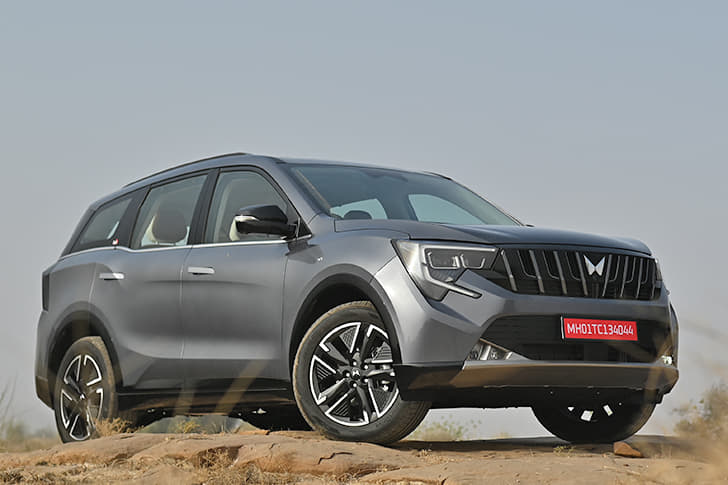
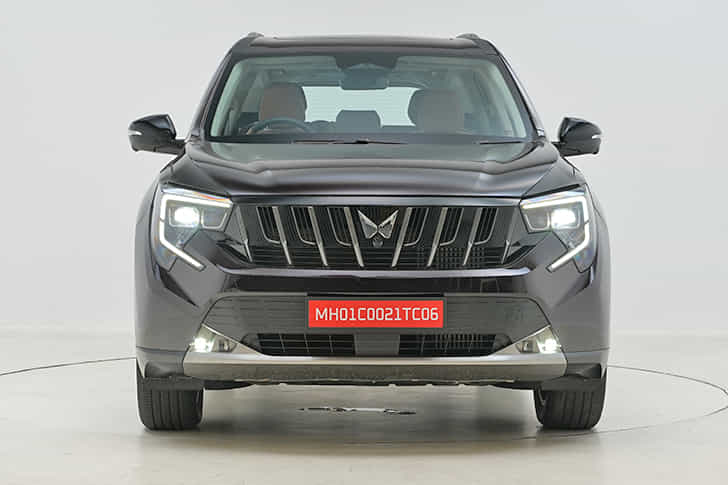
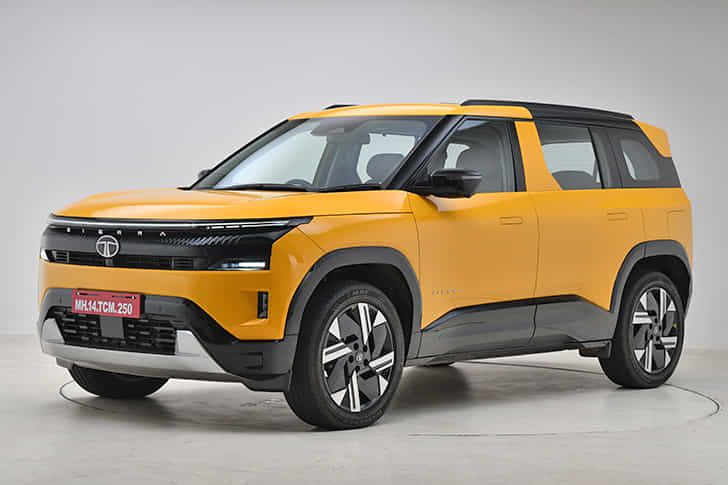
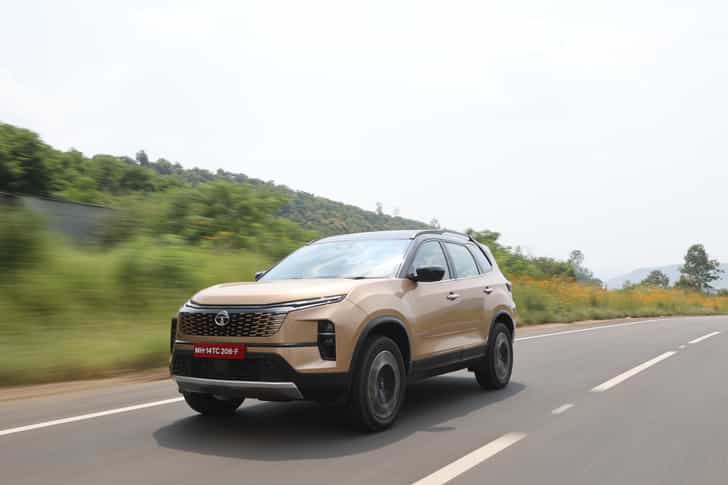
In terms of safety, Tata cars usually have a better track record in crash tests than Kia, but it’s important to remember that star ratings are not the only factor that decides how safe a car is. They tell you how a particular variant performed in a specific set of tests, but things like active safety tech, tyre quality, stability at speed and how the car is driven matter just as much in the real world. The updated Kia Seltos now sits on Kia’s K3 platform, which has been engineered to meet stricter global safety norms and offers better torsional rigidity than the older SP2 architecture, so on paper it is a step up in crash protection, even though we do not yet have an official Bharat NCAP rating to point to for the India-spec car. Kia, like every other manufacturer, still has to comply with India’s mandatory crash regulations, which are aligned with UN regulations for frontal and side impact, so it is not an “unsafe” car just because it hasn’t been independently rated yet.On the Tata side, the new Sierra is built on a modern, heavily reinforced platform and is expected to score very well in Bharat NCAP, with a five-star rating widely anticipated, in line with Tata’s recent record with models like the Nexon and Harrier. That, combined with the inherent advantage of a larger, heavier SUV with a strong structure, will naturally give you more peace of mind if crash safety is high on your priority list. For your kind of usage – mostly open roads and highways over long distances – the Sierra diesel will also feel like the better long-distance car, thanks to its strong mid-range performance, relaxed cruising ability and planted high-speed manners. It is the sort of car that feels unflustered at triple-digit speeds and can munch miles comfortably, which suits your 1.4 lakh km over 10 years kind of running very well.The Seltos, particularly in its latest avatar, is also a competent highway car with a comfortable cabin and good performance, but it doesn’t feel as inherently solid or as planted at speed as a larger, heavier SUV like the Sierra. Where the Kia does score is in its more proven reliability record and aftersales experience, which becomes crucial when you’re planning to keep the car for a decade or more. Tata has improved a lot, but Kia still has the edge in consistency of service quality and hassle-free ownership in most markets. On the question of diesel’s future: stricter emission norms and the shift towards electrification will definitely make diesels less common over time, especially in smaller cars. But for now, for larger SUVs that do a lot of highway mileage, diesel is still very relevant in India, thanks to its superior fuel economy and long-range cruising ability. You’re not looking at a fuel that will suddenly become unusable in the next 8–10 years; what you might see instead are higher costs for emission systems and maybe fewer new diesel launches in the long run. So, if a diesel suits your driving pattern – which in your case, with frequent highway use and a long ownership horizon, it does – it can still be a perfectly sensible choice.