Latest questions answered by experts
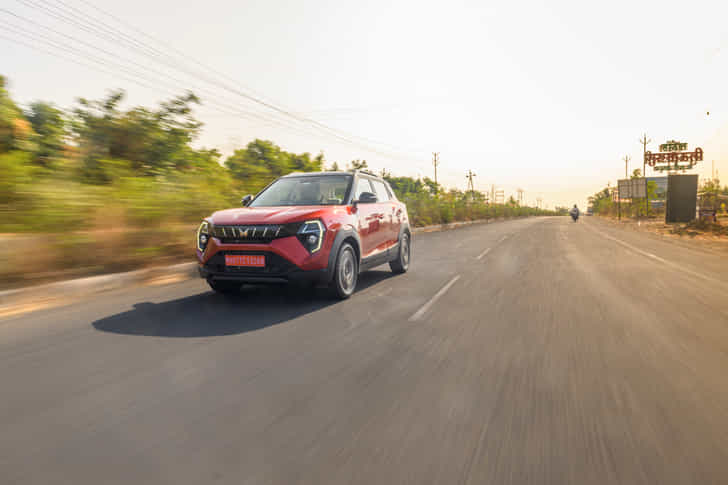
Hey, We are planning to buy a sub-4-metre SUV, and our main requirement is good suspension for Bengaluru’s pothole-filled roads, especially as my wife is pregnant. We have shortlisted the Maruti Suzuki Brezza, Mahindra XUV 3XO, and Tata Nexon. Which one would you recommend for our requirements? I was also considering a larger SUV like the Honda Elevate, but a well-equipped variant costs around Rs. 18 lakh on-road, which is beyond my budget. Could you suggest some good options in both categories? I can stretch my budget up to around Rs. 15 lakh on-road if required.
Given your priorities, the Mahindra XUV 3XO is the best fit. It has the most comfortable ride in the segment, with a suspension that deals with broken roads and potholes better than the Brezza or Nexon. The wide rear seat and good cabin space will also make a difference for your wife and family. The Brezza is the more reliable long-term ownership proposition, but its ride is not as plush as the 3XO. The Nexon is a good all-rounder, but the 3XO has the edge on ride comfort and rear seat space.On the Honda Elevate, it is a solid, reliable SUV with a comfortable ride, but at Rs 18 lakh on-road for the well-equipped variants, it is not worth stretching your budget for. The 3XO gives you a better ride and more features for less money.Overall, the 3XO is the best balance of ride comfort, space and value for your requirements. Go for the petrol automatic variant for the smoothest city driving experience.
I am currently confused between the Hyundai Creta King Diesel AT and the new Kia Seltos Diesel AT. After discounts, the Creta King Diesel AT costs around Rs. 21.6 lakh, while a similarly specced Seltos Diesel AT is around Rs. 25 lakh. I may also be able to negotiate a further discount on the Creta, whereas Kia is not offering any discount as the Seltos has been newly launched. The Seltos is based on the K3 platform and has a 5-star safety rating, while I am not clear about where the current Creta stands from a global safety perspective. I have also heard that a new Creta based on the same K3 platform as the Seltos could arrive within the next 12 months. I am unsure how that might affect its pricing, features, and discounts. Considering the Rs. 3.4 lakh price difference, safety, long-term ownership, resale value, and the possibility of a new Creta arriving soon, which one would make more sense? I am confused about whether I should take the heavily discounted Creta now or spend more on the newer Seltos.
Go for the Hyundai Creta Diesel AT at Rs 21.6 lakh - and potentially less after further discounts. The Kia Seltos Diesel AT at Rs 25 lakh is simply too much more expensive for what is essentially a very similar car underneath. Both cars use the same diesel engine and the same 6-speed torque converter automatic gearbox. The new-gen Seltos does have a 5-star Bharat NCAP rating, while the outgoing-gen Creta has not been tested by BNCAP yet, but is not an unsafe car by any means. Hyundai has a strong global safety record, and the Creta is a well-engineered product. The next-gen Creta, built on the same K3 platform as the Seltos, is at least a year away from going on sale, and will see a similar - if not greater - price jump as seen on the Seltos. Similarly, these discounts you're getting on the current model will disappear, and frankly the benefits you're getting today are too good to ignore. If you simply must have the latest tech and a bit more space, get the Seltos, but the Creta with the same features at a far discounted price gives you far more bang for your buck.
I live in Pune and am planning to change my car due to a heavy clutch. I currently own a 2020 Creta Diesel E. I am looking for a reliable automatic car with good mileage and decent features, such as a 360-degree camera. I also want decent performance and a car that I can keep for the next 10 years. My budget is around Rs. 20-22 lakh.
Given your priorities of reliability, good mileage, decent features and long-term ownership, the Kia Seltos IVT would be our recommendation. The automatic version will be better suited, as you are struggling with the heavy clutch. More specifically, the HTX(A) trim will get you everything you would want. The CVT gearbox is smooth and effortless in the city, and the naturally aspirated engine has good performance without sacrificing too much efficiency. The cabin space and quality are excellent, and the Kia cars are very reliable too. Safety is another aspect in which it scores a perfect 5-star rating in the Bharat NCAP tests. Overall, it is a very strong package and one that will suffice your needs the best.
Hi Autocar Team, I am planning to buy my first car and am still learning to drive. My expected running will be around 1,000 km per month, and my budget is Rs. 10-15 lakh on-road. Could you please suggest some good options for a first-time buyer in this budget, considering ease of driving, safety, comfort, and running costs?
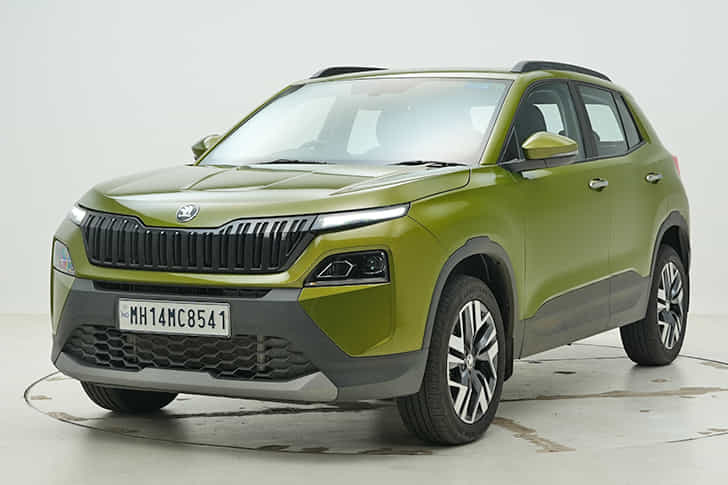
For a first-time buyer with around 1,000km a month and a Rs 10-15 lakh on-road budget, the Skoda Kylaq is a good option to consider. This Skoda car is compact, easy to drive, and has a high seating position and compact dimensions, making it ideal for learning and daily use. The 1.0-litre TSI petrol engine is smooth and low maintenance, and the 6-speed automatic is one of the smoothest in the segment. The interior quality is very good, the feature set is strong, and the Prestige trim, which is second from top, will fit in your budget and offer a good amount of kit. Moreover, the Kylaq has also been rated 5-star in Bharat NCAP's crash test ratings, which adds another layer of assurance.
Hi Autocar Team, I currently own a 2017 Maruti Suzuki Dzire ZDi+ Diesel. Since the car is now almost 10 years old, I am planning to replace it with a new car. I am looking for an SUV with good mileage, comfortable interiors, and strong safety features. My budget is around Rs. 20 lakh, and my monthly running is approximately 350 km. Could you please suggest some good SUV options that would be suitable for my requirements?
With a monthly running of just 350km, diesel is not financially justified, so you should focus on petrol or hybrid options. The Maruti Suzuki Victoris Hybrid is the most sensible recommendation here. This Maruti Suzuki car offers excellent fuel efficiency, a comfortable ride and a proven ownership experience, making it a very easy car to live with over the long term. The hybrid system works seamlessly in city traffic and keeps running costs low, which is exactly what you want with your usage pattern.If you want something with a more premium feel and a stronger safety package, the Kia Seltos is the alternative to consider. It has a more upmarket cabin, a wider range of features and a more substantial feel on the road. The only trade-off is that it will not be as efficient as the Victoris Hybrid in city driving.Overall, the Victoris Hybrid in its ZXI trim will cost around your budget and is the most balanced recommendation for your requirements. It is efficient, comfortable and easy to own, which is exactly what you need coming from a Dzire diesel.
I currently own a 2018 Honda City SV Edge Edition 1.5 i-VTEC Petrol Manual and am looking to switch to a CNG car. My priorities are value for money, a refined engine, low running costs, and low maintenance. I initially considered the Tata Nexon Smart Plus S CNG, but I have ruled it out due to my poor experience with Tata's service and showroom experience. I have now shortlisted the Toyota Urban Cruiser Hyryder S CNG and Maruti Suzuki Victoris LXI CNG. Which of these two would be the better choice for my requirements?
Go for the Maruti Suzuki Victoris CNG. Both the Victoris and the Urban Cruiser Hyryder are essentially the same car underneath, sharing the same engine, platform and CNG system. The key difference is that the Victoris is priced more competitively, which makes it the better value proposition. Also, the Victoris features an underbody CNG tank, giving it a much larger boot space, adding to the practicality. However, you don't get a spare wheel in the Victoris. In terms of refinement, running costs and maintenance, there is no meaningful difference between the two. Toyota’s service network is strong, but Maruti’s is even wider and more accessible, which further strengthens the ownership case. Since you are coming from a Honda City and prioritising low running costs and reliability, the Victoris CNG is the more sensible and value-driven choice. The only reason to pick the Hyryder would be a strong preference for the Toyota badge or a particularly good local dealer relationship. Otherwise, the Victoris CNG is the smarter buy.
Hi, my daily usage is 40 km within the city, and I drive around 1,000 km on the highway. I currently have a Dzire petrol. I want a fuel-efficient SUV with a budget of approximately Rs. 20-25 lakh. What would be a better option among an EV, hybrid, or diesel?
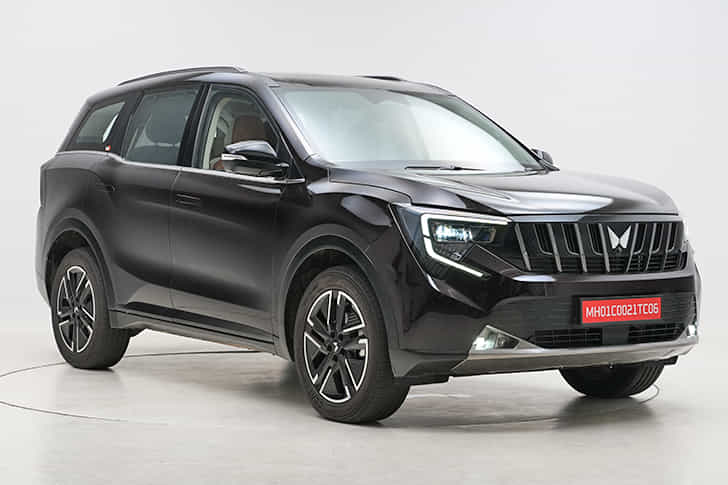
With a daily city run of 40km and an additional 1,000km of highway driving each month, your usage pattern is actually quite balanced between city and highway. In this scenario, a diesel SUV is the most sensible choice. A hybrid would make sense if your usage was predominantly city-based, as the fuel savings are most significant in stop-start traffic. An EV, on the other hand, would require a much higher daily running to justify the premium, and long highway trips would introduce range planning and charging considerations that you simply do not have with a diesel.Within your budget, the Mahindra XUV 7XO diesel is the most complete package. It offers a strong diesel engine, a comfortable ride, a spacious cabin and a good feature set. If you don't need three rows, then the Kia Seltos diesel is worth a look too, offering a more premium cabin and a very refined diesel engine.The key point is that your usage pattern is perfectly suited to a diesel SUV, and you will see the benefits both in terms of fuel efficiency and ease of ownership over the long term.
I want to buy my first car within a budget of Rs. 15 lakh. I am confused between the Brezza ZXi (P), Victoris VXi (P), and Creta EX (P). Which would be the best value-for-money, reliable, and long-term ownership car? Please suggest.
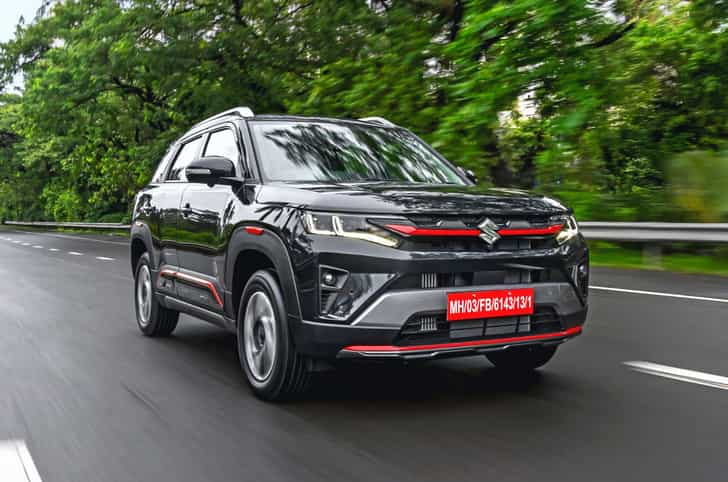
Go for the Maruti Suzuki Brezza ZXi petrol. It is the most sensible first car in this shortlist. The Brezza is a proven, reliable and low-maintenance SUV with Maruti’s unmatched service network, which is exactly what you want for long-term ownership. The ZXi variant is well equipped, the naturally aspirated petrol engine is smooth and dependable, and the car is easy to drive in the city while still being comfortable on highways. The Maruti Suzuki Victoris VXi is also a good option, but the Brezza feels like a more complete package with a stronger ownership track record. The Hyundai Creta EX is a good car, but at this price point you are getting a lower variant with fewer features, and the Brezza ZXi offers better value for money. Overall, the Brezza ZXi strikes the best balance between reliability, running costs, features and long-term peace of mind.
Hello all, I am looking to buy a new car with Rs. 10-12 lakh budget. I am confused between i20 IVT hatchback and mini SUV like the Kia Sonet DCA or Tata Nexon AMT. Most of my driving is 3000 to 4000km per month on the highway. I am in Bangalore.
Given your high running of 3,000-4,000km a month on the highway, the priority should be a car that is comfortable, stable at speed and easy to live with over long distances. The Hyundai i20 IVT is a good hatchback, but at that kind of running, a compact SUV makes more sense because of the higher seating position, better ground clearance and generally more comfortable ride over broken patches. Between the Kia Sonet DCT and Tata Nexon AMT, the Sonet DCT is the better fit for your usage. The DCT is a proper automatic gearbox, which is smoother and quicker to respond than an AMT, especially on highways where quick gear changes matter during overtakes. The Sonet also feels more refined, more premium and better put together overall. The Nexon is a solid car, but the AMT gearbox is not as smooth or as enjoyable on long highway runs. The only caveat with the Sonet DCT is that dual-clutch gearboxes can get a bit jerky in heavy stop-start traffic, but on highways, they are in their element. Overall, the Sonet DCT is the best fit for your usage and budget.
Hi, my weekly usage is around 650 km as I drive approximately 600km on weekends and 50km in the city during weekdays. My budget is less than Rs. 20 lakh. Which car would be best for me among EV, diesel, or petrol? My main concerns are maintenance and decent mileage.
With a weekly running of around 650km, you are clocking over 30,000km a year, which is well above the threshold where fuel efficiency and running costs become the most important factor. Your usage pattern is also very clear: long weekend highway runs of 300km each way, plus some city driving during the week. This is exactly the kind of usage where a diesel engine makes the most sense. EVs are not the right fit here. While they offer very low running costs, your 300km weekend runs would require careful planning around charging infrastructure. Petrol is also not ideal at this mileage, as the fuel cost difference compared to diesel becomes very significant over time.In terms of cars, the Mahindra XUV 7XO diesel is the best fit for your needs. It is a strong highway performer, comfortable for long distances, and well within your budget. If you want something slightly smaller, the Kia Seltos diesel is also a very good option. Both cars will give you the efficiency, reliability and comfort you need for your usage pattern.
I live in Delhi NCR with a monthly running of 1,500 km. I currently drive a GV Delta AT and am confused between Brezza VXi CNG or Brezza VXi AT. My main confusion is between CNG and AT. Ideally, I want both, but no such option is available. Should I go with the ZXi AT, but I am not interested in a sunroof.
With 1,500 km a month in Delhi NCR, the decision is really between fuel savings and convenience. The Brezza VXI CNG will save you money on running costs, but you will have to live with a manual gearbox in heavy traffic, which can get tiring over time. The Brezza VXI AT, on the other hand, gives you the convenience of an automatic, but you will be paying more for fuel.Given your usage and the fact that you are already driving a Grand Vitara Delta AT, it makes more sense to stick with an automatic. The fuel savings from CNG are significant, but the daily convenience of an automatic in Delhi traffic is hard to put a price on. If you are open to the ZXI AT, it is the better choice overall, even if you are not interested in the sunroof. The additional features and the automatic gearbox will make ownership easier and more enjoyable in the long run.
I want to buy a family use car under 15 lakh. I am confused between Tata Sierra and Maruti Suzuki Grand Vitara.
Go for the Maruti Suzuki Grand Vitara. It is the more sensible family car and will give you a better long-term ownership experience. The Grand Vitara is a proven product with a comfortable ride, good real world fuel efficiency and Maruti’s strong service network, which makes it a very easy car to live with. It is also a well-rounded family SUV with enough space for five, a decent boot and a good balance between city and highway use.The Tata Sierra is a more interesting product with a more premium cabin and a more distinctive design, but it is a newer car with a shorter ownership track record and Tata’s service experience is still not as consistent as Maruti’s. For a family car under Rs.15 lakh, the Grand Vitara is the safer and more sensible choice.
Hi, which would be a good first car among Victoris VXI AT, Victoris VXI Strong Hybrid, or Seltos HTK IVT? What sort of discounts are available on the Victoris Strong Hybrid variants that could sweeten the deal? My maximum budget is Rs. 15 lakh ex-showroom. We are 4 members in the family with a pet dog. My usage is 80% in Bengaluru city, with a monthly running of less than 1,000 km. I am considering the hybrid if the pricing is good; otherwise, I am happy with the NA petrol variants. The purchase is not urgent, and I can wait until the end of 2026 or Q1 2027 as well.
Go for the Maruti Suzuki Brezza ZXI AT petrol. With your usage of less than 1,000km a month and 80% city driving in Bengaluru, the strong hybrid does not make financial sense unless you are getting a very substantial discount. The petrol automatic is smooth, reliable and well suited to city traffic, and the Brezza is a proven, fuss-free ownership proposition with Maruti’s service reach and low running costs. The Seltos HTK IVT and the Victoris VXI AT are good cars, but at Rs. 15 lakh ex-showroom you are at the lower end of their range and will be compromising on features, whereas the Brezza ZXI AT is a more complete package at that price point. The Seltos and Victoris are bigger, but not my much and the premium you pay does not justify the entry-level variants. The Brezza also has a comfortable rear seat and a decent boot, which will suit a family of four plus a pet dog and is a better deal overall.

With a monthly self-driven running of 1,500km, which is the better choice for city driving: an electric car or a petrol car?
With 1,500km a month of city driving, an electric car is the better choice. At that usage, the fuel savings from an EV become significant, and city driving plays to the strengths of electric cars with their instant torque, smooth acceleration and regenerative braking. The key is to have reliable home charging, as that makes ownership seamless and cost-effective. If you do not have home charging, a petrol car remains the more practical option. But if you have home charging, go electric.Since your budget is over Rs 30 lakh, you could consider the top-spec Mahindra XEV 9S, which is currently the best-selling electric car in India.
I bought a used 2015 Maruti Swift last year when it had completed 1.7 lakh km. I purchased it and spent a total of Rs 4.2 lakh on it. I have driven another 10,000km in one year. Everything is fine, but I feel the car may become a scrap candidate if I use it for another one or two years. I can get around Rs 2 lakh if I sell it now. Please suggest the best car for a 20km daily commute and a 500km trip every one or two months. I need good boot space and cabin space.
The Maruti Fronx Delta+ AMT would be the best fit for your requirements. With a daily commute of just 20km and occasional 500km highway trips, a petrol automatic makes perfect sense. The Fronx feels like a genuine upgrade from your Swift with better ground clearance, a more spacious cabin, a larger boot and Maruti's proven reliability. It is also inexpensive to maintain and should give you complete peace of mind over the next several years.If you prefer a hatchback with a more premium cabin and an even smoother automatic, the Hyundai i20 IVT is an excellent alternative. The IVT gearbox is one of the smoothest automatics in the segment, making it particularly well-suited to city driving, while the cabin feels more upmarket than the Fronx.The only drawback with the Fronx AMT is that the AMT isn't as smooth as the i20's IVT, especially in slow-moving traffic.
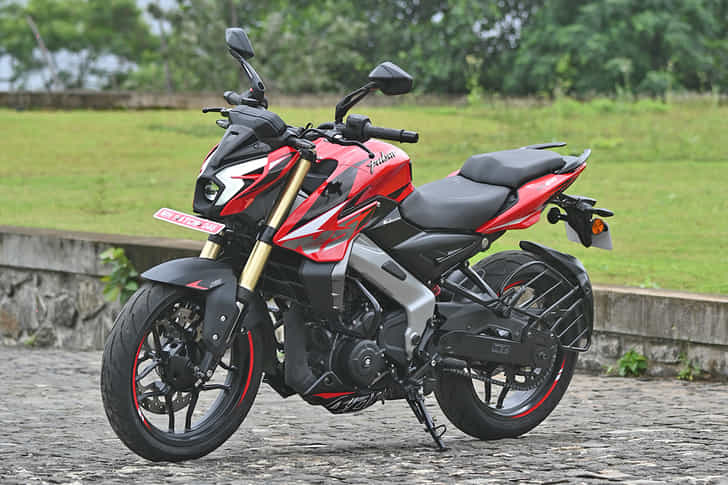
Which is the better buy: a second-hand first-generation KTM 390 Duke from 2015 for Rs 1.3 lakh, or a new Bajaj Pulsar NS400Z for Rs 2.4 lakh?
This is a very valid question, but in our opinion it deserves a closer look at both motorcycles. The used Gen 1 KTM 390 Duke is a raw, unadulterated pocket rocket, but considering it is nearly 12 years old, you will surely have to spend much more on maintenance and perhaps replace worn-out parts, which will not only be expensive but also time-consuming, as some spares for older discontinued KTMs have started to get a little difficult to obtain.The Bajaj Pulsar NS400Z, on the other hand, will be a brand new bike with a warranty, compatible with E20 fuel and a far more relaxed ownership experience. It is also a genuinely quick and capable motorcycle in its own right, and while it may not have the same raw edge as the old 390 Duke, it is a far more sensible long-term purchase.This is sort of a head vs heart situation, and if you have more than one bike in your garage, then sure, go for the KTM, but if this is to be your sole mode of transport or only two-wheeler, the Bajaj bike is the more logical purchase.
About a year back, Autocar compared the Triumph T4 and the Royal Enfield Hunter 350. Now the price difference is around Rs 40,000 (Hunter mid variant at Rs 1.7 lakh vs Triumph T4 at Rs 2.1 lakh ex-showroom in Bhopal, MP, as of July 2026). Is the T4 still the better overall bike in August 2026?
Despite what has transpired since we compared the Royal Enfield Hunter 350 to the Triumph Speed T4 (then using a 398cc engine, now using a 349cc engine), the verdict doesn't really change. The T4 remains the more capable machine from the more premium brand, and even though the price delta between the two has widened, we still believe the T4 remains the superior product.However, if you are looking for a modern retro motorcycle on a strict budget, the Royal Enfield bike is still a very strong option.
I currently own a 2020 Hyundai Creta SX Facelift, and I'm planning to upgrade by selling it. I'm looking for a bigger vehicle that will primarily be our family car for four members. It should be comfortable for long highway drives, capable of handling occasional off-roading, and, most importantly, offer an exciting and engaging driving experience. I have shortlisted three options: Mahindra Thar Roxx, Mahindra Scorpio Classic, and Mahindra Scorpio N. Which one would you recommend considering my requirements? I’m looking for the best balance of family comfort, long-distance touring ability, off-road capability, and driving thrill. I would also appreciate your opinion on which of these offers the best overall value for money.
Based on your requirements, the Mahindra Thar Roxx is the clear recommendation. It strikes the best balance between family comfort, long-distance touring ability, off-road capability and an engaging driving experience. Besides being a fantastic lifestyle vehicle, it will feel like a genuine upgrade from the Hyundai car in terms of space, road presence and versatility. It is comfortable for four on long highway drives, has a strong diesel engine and a well-sorted chassis that makes it enjoyable to drive.The Mahindra Scorpio N is a great alternative, albeit its ride is a bit bumpier than the Thar Roxx . Opt for it only if you need that extra row of seats for occasional use. Mahindra Scorpio N mileage in our real-world tests was 8.65kpl for the petrol automatic, 10.15kpl for the diesel automatic, and 7.3kpl for the petrol manual.
Hi Autocar! I am planning to buy the Creta EV. The showroom is providing a 7.5kW charger at a cost of almost Rs 75,000. When I search online, I can find options starting from around Rs 25,000 for the same-capacity charger. Does it make sense to go for such a charger, or is it better to stick with the Hyundai charger? Can you also provide some recommendations for safe, reliable chargers available in the market?
Go with the Hyundai charger. The Rs 75,000 price is not just for the hardware; it also includes installation, integration with the car’s battery management system, and Hyundai’s warranty support. That matters because if you ever have a charging-related issue, Hyundai cannot blame a third-party charger. With the Hyundai charger, you have a single point of accountability.The cheaper Rs 25,000 chargers you see online are often basic AC wallboxes without installation, safety certification or integration with the car. They may work, but you are taking a risk with a Rs 20 lakh+ EV. If you do want a third-party charger, look for brands like Exicom, Delta, ABB or Servotech, and make sure the installer is certified and the charger is BIS-approved.But our advice is simple: for a new Creta Electric, buy the Hyundai charger, have Hyundai install it, and keep your warranty and support intact. The Rs 50,000 difference is not worth the risk on a new electric car.

How good is a budget EV on highways? Will it reasonably match a highway travel schedule?
Budget EVs can handle highway runs, but you need to plan your trip a bit differently. Most budget EVs like the Tata Punch EV or the MG Windsor have a real-world range of 200-300 km, so on longer journeys you will need to factor in charging stops.If you plan your route around fast chargers and start each leg with a full battery, you can keep your schedule fairly predictable. Charging times are the key variable. A 30-40 minute fast charge is typical, but availability and queue times can add up.In terms of performance, most budget electric cars can cruise at highway speeds comfortably, but you will see range drop if you drive aggressively or use the air conditioning heavily. Overall, a budget EV can do highway trips, but you need to build in charging time and be a bit more organised than you would be with a petrol or diesel car. If you are doing this kind of trip regularly, a diesel or petrol car is still the more convenient option. If it is occasional and you are happy to plan, an EV can work.
Need expert advice?
Ask the Autocar community and experts.