Upcoming launch buzz
Community discussions on upcoming launches
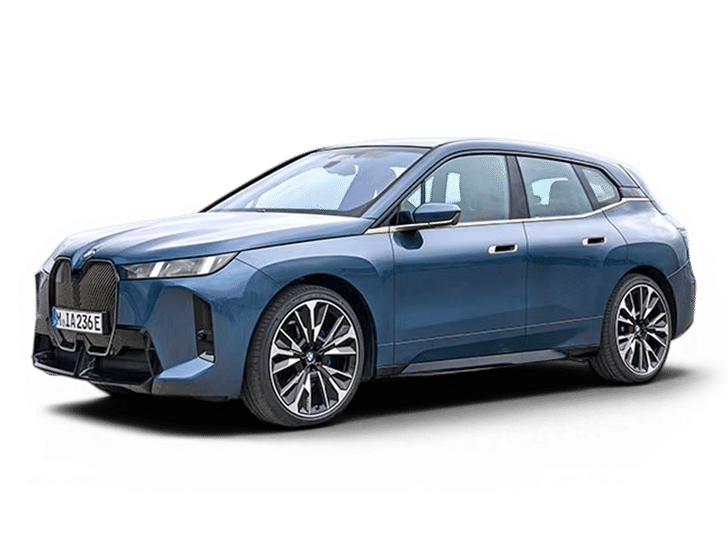
BMW
iX facelift
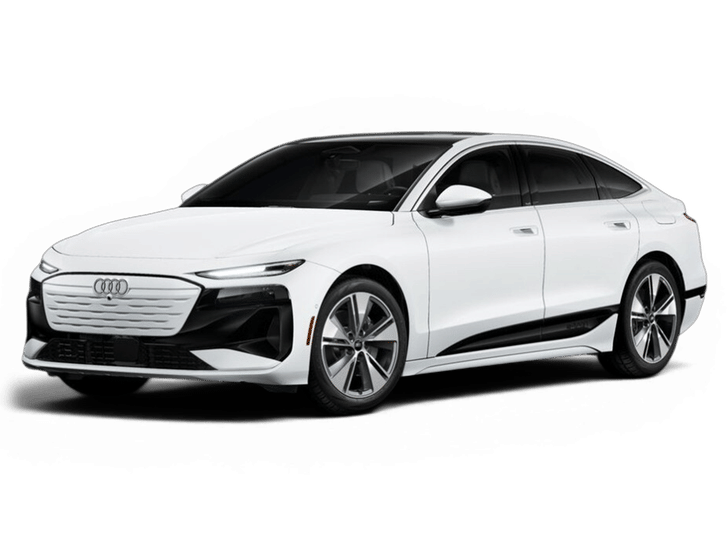
Audi
A6 e-tron
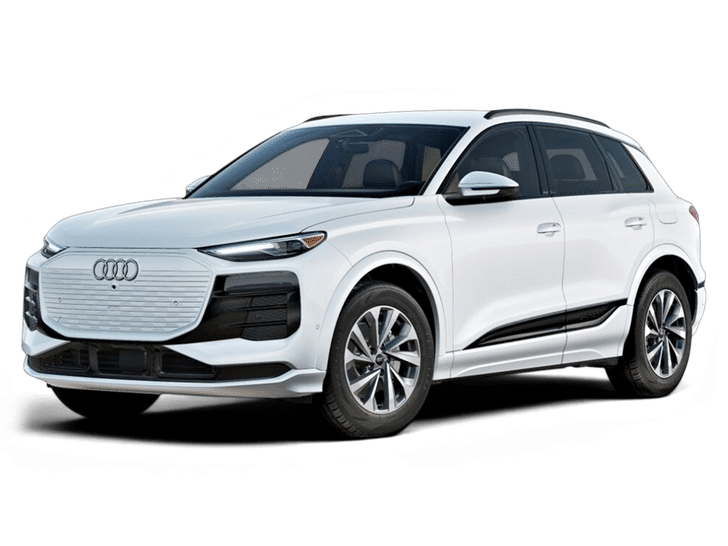
Audi
Q6 e-tron
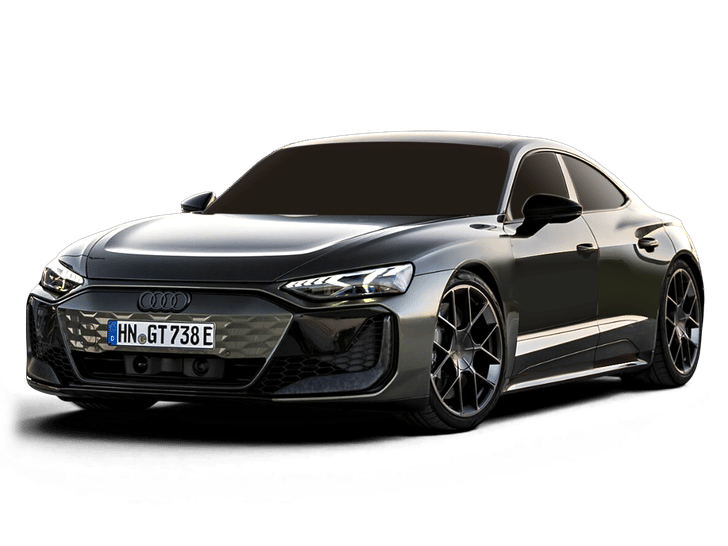
Audi
e-tron GT facelift

Vinfast
VF5
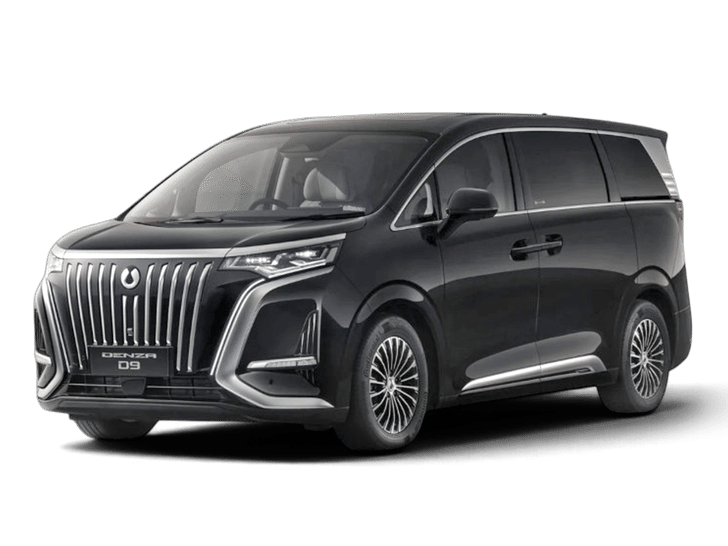
Denza
D9
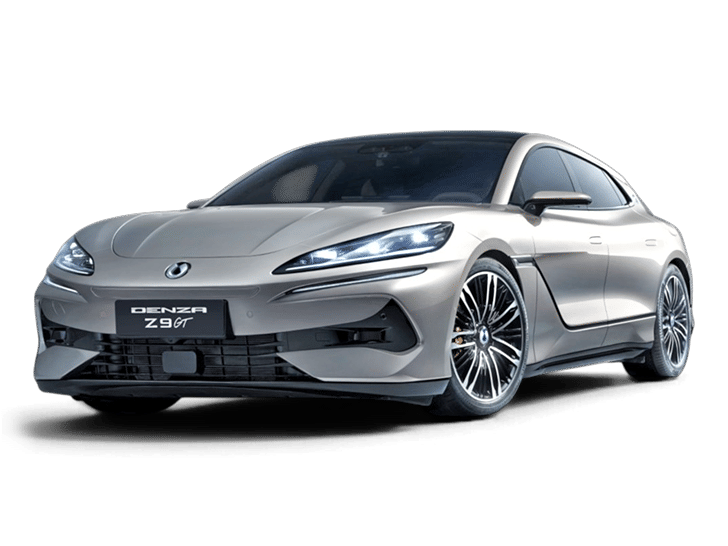
Denza
Z9 GT
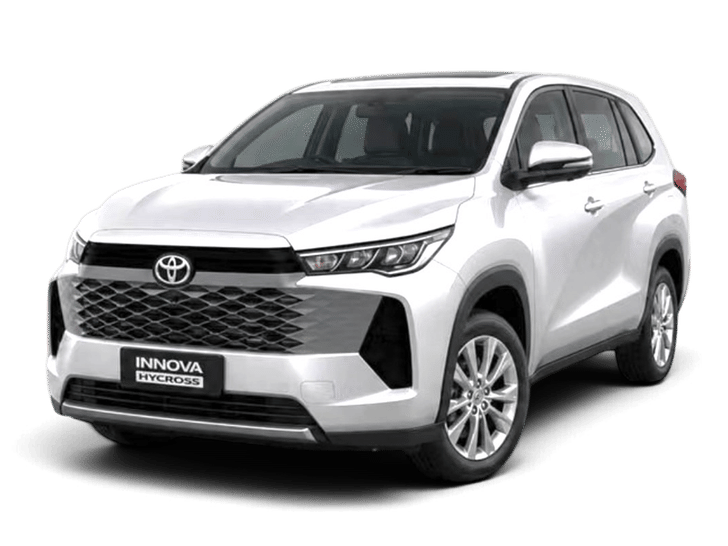
Toyota
Innova HyCross facelift

Mini
Cooper Electric
Volkswagen
Virtus facelift
JLR has announced that it will discontinue the Range Rover Evoque and Velar in the near future, as it plans to focus on the more premium end of the international market. The Evoque, in particular, is a beautiful and desirable vehicle, although it is out of reach for the average Indian buyer. Is there a possibility of Tata Motors' passenger vehicle division bringing a similar form factor with a powerful engine to India, suitably adapted for the local market to make it more affordable?

 Tata Avinya

I own a 2024 Tata Punch Adventure Rhythm with manual AC and showroom-fitted PU seat covers. I am facing a sweating problem around my thighs and back, even though I have Garware film on all the windows. I live in Mumbai, where the climate is humid. What would you suggest to address this problem?
Tata PunchI am looking to buy an automatic midsize SUV for my parents. They drive about 30km a day in the city, with occasional highway trips. I am considering the Maruti Suzuki Brezza, Skoda Kylaq and Tata Nexon. Which of these would be the right choice in terms of comfort, safety, reliability, driving experience and value for money?
Maruti Suzuki BrezzaSkoda KylaqMy budget is Rs. 10 lakh that I can extend upto Rs. 12 lakh. I have Punch and Nexon in mind but I am unable to decide between these two. We are a family of 4. I believe that Punch would be suitable and within my budget, but I also feel that we may regret later if we choose Punch due to its lag and space issues that most people have reported. I am new to driving, so I want to choose an AMT car. Please advise.
Tata NexonTata Punch
Hi, I am getting Hyundai i20 Magna Executive Starry Night for Rs. 6 Lakh in Kolkata with 5 free accessories. I am confused about its mileage and the compromise that you had mentioned. I am getting free accessories in Hyundai Exter H3X for Rs. 5.9 lakh as well. Please suggest.
Hyundai i20Hyundai Exter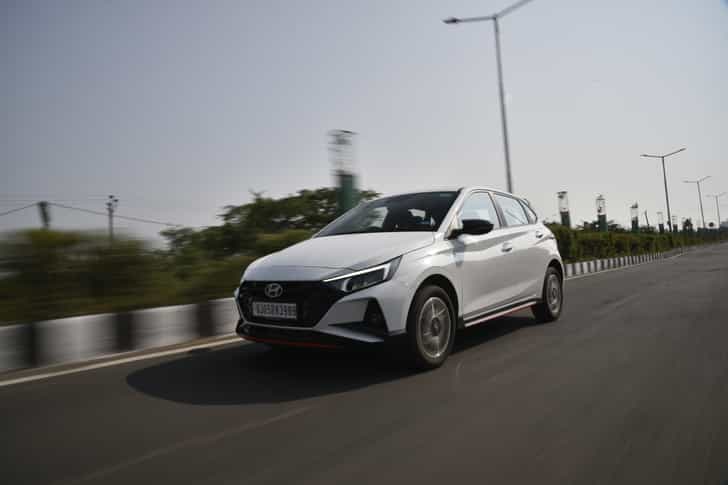

Hey folks! I'm planning to buy my first car, and my maximum budget is Rs. 11 lakh (on-road price). After exploring a few options, I've shortlisted the Hyundai Venue 1.0L Turbo Manual and the Maruti Suzuki Brezza 1.0L Turbo Manual. However, I'm a bit confused about which one to choose. My driving will be split roughly 50% in the city and 50% on highways. I've already driven the Brezza 1.0L Turbo, and I noticed that it doesn't stall even when the RPM drops below 1,000. I'm not sure how the Venue performs in similar conditions. I'd love to hear from car enthusiasts and owners who have experience with either of these cars. Which one would you recommend considering drivability, engine performance, city traffic, highway comfort, and overall ownership experience? Any suggestions or real-world experiences would be greatly appreciated. Thanks in advance.
Maruti Suzuki BrezzaHyundai Venue

I am planning to buy an automatic car in Bangalore. I have shortlisted the Skoda Kylaq AT (torque-converter automatic) and Tata Punch AMT. My usage involves 80% running on highway and 20% within the city. I take one long distance trip of around 800 km (up and down) every quarter. I prefer petrol cars with automatic transmission. Please compare both cars in terms of real-world highway and city mileage, highway comfort, ride quality and driver fatigue during long trips. It should have good safety ratings and safety features. I am also concerned about engine performance and highway overtaking capability. Please guide me about a car and its on-road price in Bangalore. It should be a value for money car which has affordable service costs, maintenance and long-term reliability. Expected monthly and annual fuel expenses are based on my driving pattern. Finally, recommend the single best car for my needs, explaining which model and variant offer the best balance of mileage, safety, comfort and ownership costs.
Skoda KylaqTata Punch
 EcoSport owner · 105,000 km
I am confused between choosing MG Tomahawk Excite/Exclusive variants and Mahindra XEV 9S 79 kWh variant. Does the price premium really justify the upgrade? There is a price difference of approximately Rs. 3.66 lakh between MG Excite and XEV 9S, and around Rs. 1.5-2 lakh between the MG Exclusive and XEV 9S. Technically, the XEV 9S appears to have an advantage with its additional 10 kWh battery capacity, more powerful motor, higher torque and significantly better DC fast-charging capability. However, the MG offers better value in terms of pricing and, in the exclusive variant features such as ventilated seats. Does the XEV 9S's additional battery capacity, motor performance and faster charging justify paying an additional Rs. 1.5-3.66 lakh? I would like to get a few things evaluated. How noticeable is the difference in power and torque during regular city driving and highway cruising? Does the additional motor power translate into a meaningful everyday advantage? Although the XEV 9S supports much faster DC charging, how often can owners realistically access 180 kW chargers on Indian highways? Considering charger availability, infrastructure limitations and actual charging speeds, does this advantage make a significant difference to overall travel time? Does the additional 10 kWh battery translate into a substantial improvement in usable highway range, especially at 100-120 km/h? Is it worth sacrificing comfort features such as ventilated seats in the MG Exclusive to get the XEV 9S's additional battery capacity, performance and charging technology? If warranty coverage and routine service costs are broadly comparable, which vehicle offers better overall value over 5-8 years? I would appreciate a genuine, practical comparison rather than just comparing specification sheets. Ultimately, if you were spending your own money, would you choose MG Tomahawk Exclusive and save Rs. 1.5-2 lakh, or stretch the budget for Mahindra XEV 9S 79 kWh? More importantly, what tangible benefits would justify that additional investment in real-world Indian driving conditions?
Mahindra XEV 9SMG Hector Tomahawk EV